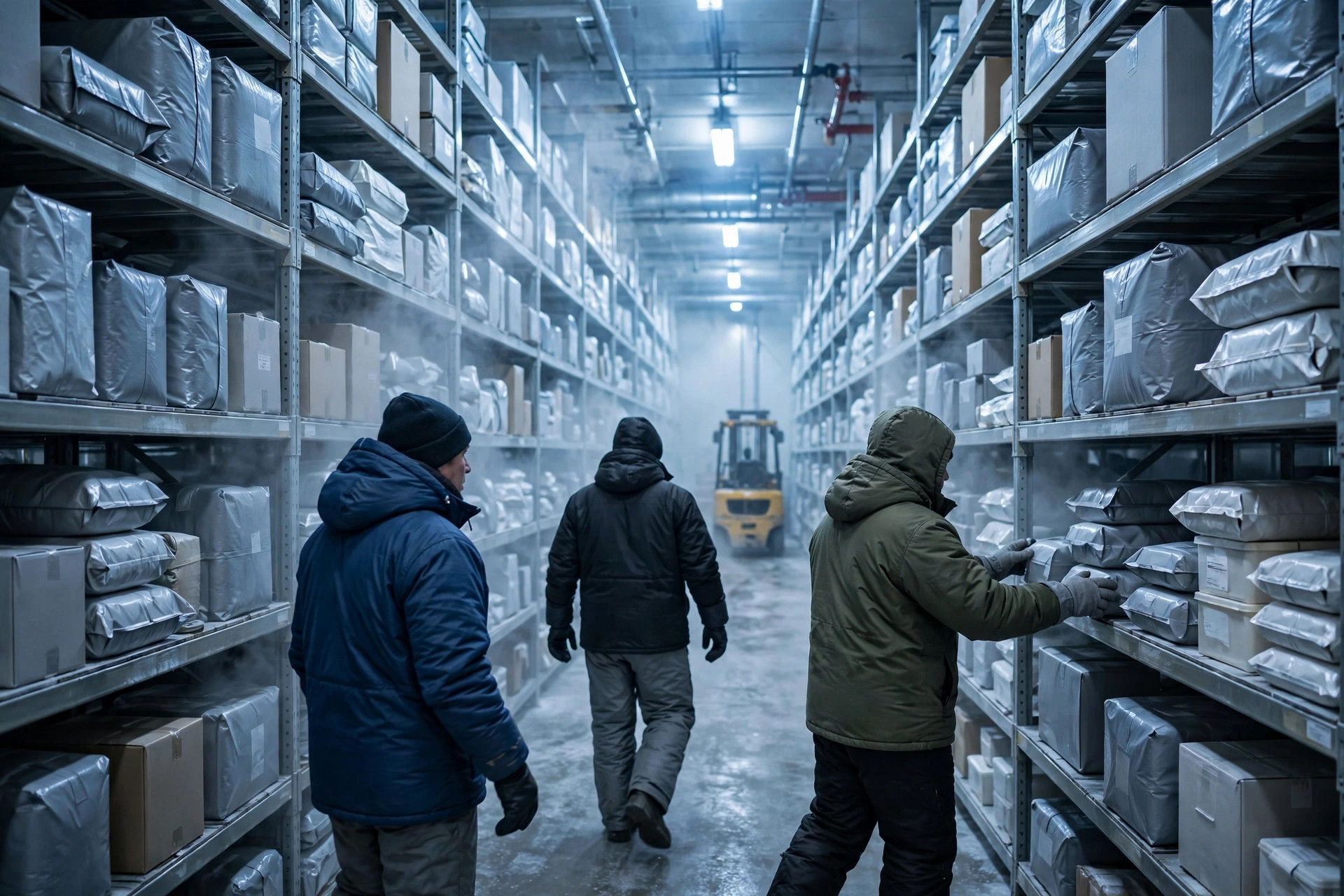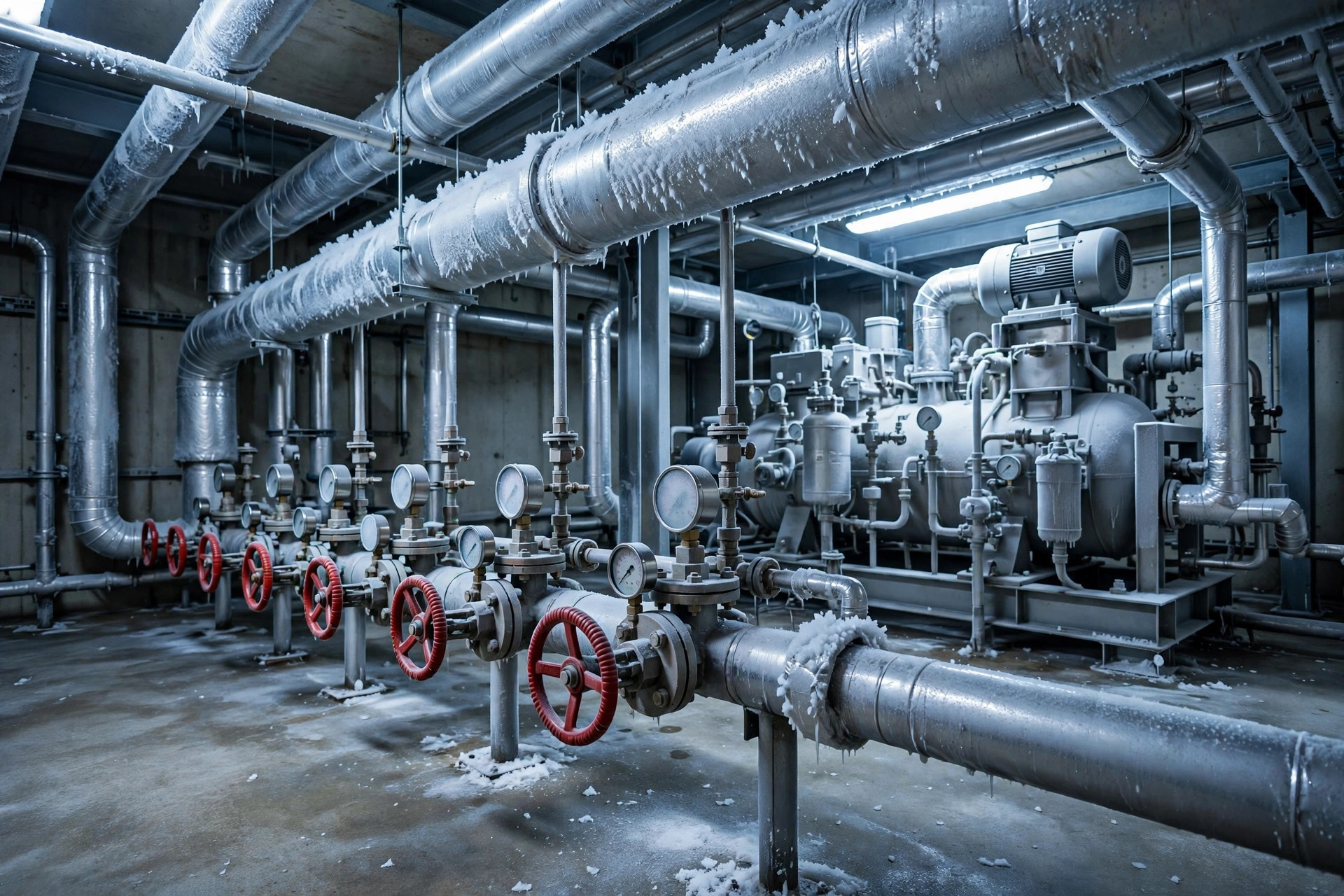
At 3:17 AM the control room phone rang: level-two ammonia alarm, east detector reading 180 ppm. By the time I pushed open the duty room door, the hallway already stank — sharp, eye-watering, like a gallon of concentrated ammonia cleaner on the floor. At 3:24, sixty-plus people stood at the upwind muster point for headcount. At 3:40, two responders in breathing apparatus went in to close valves. The fire trucks left before dawn, but nobody dared restart the plant. With an ammonia leak, stopping the leak is only halftime — getting back into production is the second half.
No sermons here. This is a playbook I have run and paid tuition for: how to catch the warning early, the three steps when it hits, and the checklists before restart. Think of ammonia refrigeration as the diesel engine of cold storage: smelly, temperamental, rugged, cheap. After a century, it refuses to die — for good reason.
Why cold storage still runs on ammonia
Ammonia (R717) boils at minus 33°C. Its superpower is latent heat: one ton of refrigeration needs a fraction of the mass flow an HFC system needs, so the compressor works less. It is like hauling freight with a diesel truck — the efficiency is baked in. For a cold store in the tens of thousands of tons, the lifetime energy economics are brutally hard to beat.
But ammonia has two faces: toxicity that attacks airways and kills at high concentrations, and flammability — explosive at 15% to 28% by volume in air. Every ammonia plant is built to "dance in shackles": explosion-proof electrics, forced ventilation, gas detection everywhere.
The good news: ammonia ships with a built-in alarm called the human nose, sensitive around 5 ppm. When it leaks, it cannot hide. The bad news: smelling it does not mean you can escape it.
Ammonia leak warning signs, in four tiers
Do not wait for the detector to scream. Four tiers, each with its own action:
Tier one — you smell it (~5 ppm). The nose is the earliest sensor. A faint odor near the machine room means a micro-leak. Find it within 24 hours, no "wait and see."
Tier two — detector level one (typically 25–35 ppm). Alarms sound, emergency exhaust starts. Short exposure is tolerable, but non-essential people evacuate. Treat these numbers as common practice, not law — set thresholds per the latest OSHA standard and your own plan.
Tier three — detector level two (typically ~150 ppm). Full evacuation, lock down the area. OSHA's permissible exposure limit is 50 ppm as an 8-hour average — verify the current value on osha.gov. At level two you are multiples above it. "Toughing it out" is gambling with your life.
Tier four — IDLH (NIOSH: 300 ppm). Entering without breathing apparatus can kill in minutes. Remember one number: 300.
Read it like a tachometer: 5 is a strange noise, 30 a yellow light, 150 a red light, 300 a smoking engine. Post every tier's action on the wall — not in a PDF on someone's laptop.
The three-step response: evacuate, lock down, repair
| Time | Action | Owner | Key detail |
|---|---|---|---|
| 0–3 min | Evacuate everyone | Shift lead | Upwind routes, no elevators, headcount — every single person |
| 3–10 min | Lock down the leak zone | Equipment supervisor | Cut non-explosion-proof power, close valves upstream then downstream, cordon off |
| 10–30 min | Ventilate and dilute | Response team | Emergency exhaust; water spray if needed — ammonia dissolves readily in water |
| 30 min+ | Enter and close valves | Certified responders | Breathing apparatus mandatory, buddy system, radio contact |
| Parallel | External liaison | Duty manager | Call the fire department the moment readings exceed limits — do not hesitate |
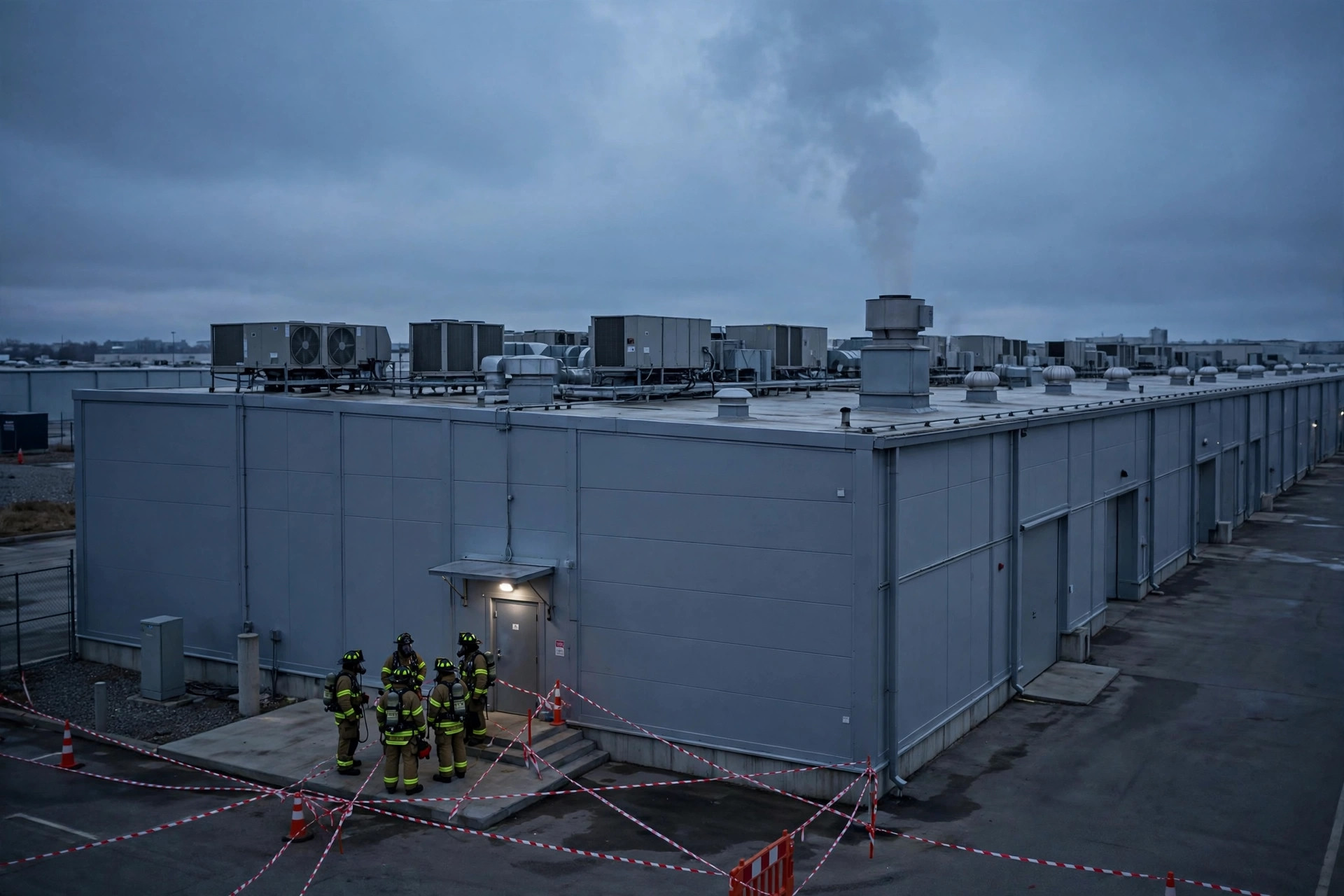
The most underestimated step is evacuation. "Just a quick look inside" becomes a stretcher. Ammonia causes olfactory fatigue — linger in low concentrations and your nose goes numb while damage accumulates. Write it into the plan: above level two, nobody enters on "feeling okay." Instruments decide.
Lockdown has a subtlety: ammonia is lighter than air. It rises and travels along pipe racks into adjacent spaces — meter those too, not just the machine room. Close upstream valves first, then downstream, isolating the leak into a dead leg. Isolated, the leak stops itself.
Repair rule in eight words: ventilate first, close valves second. Let exhaust pull readings down, confirm with instruments, then send in equipped responders. Buddy system, one attendant outside — non-negotiable.
Pre-restart checklist: stopping the leak is only halftime
Plugged and pressure-tested — can we start? No. Clear every item:
- Repair verified: new valves and gaskets hold-tested, data logged.
- Sustained clean readings: leak zone and neighbors below the allowable limit (per latest OSHA standard) for a full shift of continuous monitoring.
- Detector function test: every probe hit with calibration gas — both alarm levels and exhaust interlocks confirmed. A silent detector is flying blind.
- System re-check: compressor oil, pressures, level gauges, one by one. Leaks often travel with abnormal plant conditions.
- Temperature and product review: pull the outage temperature curves. Product through an excursion gets cold-chain-break evaluation. Do not ship questionable product.
Item 5 is what managers skip — "ship it and recover." Bluntly: skipping it saves a day and gambles the batch, the complaints, and the customer. Break-of-chain product can look perfectly frozen while the biology disagrees.
Daily prevention: valves, flanges, detectors
Nine times in ten a leak is neglect, not fate. Three pits:
Pit one: valves and flanges. Ammonia corrodes copper — one copper trim in an old system is a ticking bomb. Aging gaskets and vibration-loosened bolts are the top micro-leak sources. Monthly: walk every flange and packing with a detector, or plain soapy water. Bubbles do not lie.
Pit two: detectors installed but useless. The industry's biggest fake-safety racket. Probes mounted dead-center on the ceiling — but a fresh leak is a high-pressure jet that goes anywhere. Probes uncalibrated for five years, reading zero forever — pure comfort blanket. Mount near leak sources (valve stations, shaft seals, flange clusters), calibrate every 6–12 months per the manufacturer. A never-calibrated detector is worse than none — without one, at least you know you are blind.
Pit three: photo-op drills. Annual gather-listen-photograph is "safety theater." A real drill: trigger level two at 2 AM and time the headcount. If a drill never embarrasses anyone, it trained no one.
A leak I handled
A few years ago, a cold chain park in eastern China, 2 AM. An aging flange gasket upstream of a manual valve group had cracked, seeping ammonia for who knows how long. Night shift smelled it, thought "machine rooms always smell," waited nearly an hour to report. Textbook fatigue plus complacency.
Dozens evacuated, firefighters ventilated, gasket replaced and tested by dawn. The bill: two to three days down, part of the inventory scrapped, seven-figure direct plus indirect losses. The shift lead's line in the review stung most: "Last week soapy water bubbled a little at that flange. We figured it was minor." Leaks never happen suddenly. They warn you. You just did not listen.
The math: prevention versus accident
| Item | Annual cost (magnitude) |
|---|---|
| Detector calibration + probe replacement | Low four figures |
| Monthly valve/flange inspection | Low five figures, in-house labor |
| Breathing apparatus + quarterly drills | Mid four figures |
| Prevention total | Tens of thousands / year |
| One medium leak | Seven figures and up: downtime, product loss, fines, insurance, lost customers |
No calculator needed. "Never leaked in twenty years" is like bragging about driving unbelted. Not crashing is not skill. Surviving it is.
One counter-intuitive call
The most dangerous moment is not the leak — it is the "looks fine now" window after. That is when someone restarts early, skips the checklist, decides "readings are down, good enough." My rule: restart needs sign-off from equipment, safety, and warehouse — all three, or the plant stays dark. Inconvenient? Bill it to the seven-figure loss.
And the trade-off I keep getting: why not ditch ammonia for HFCs? My dividing line — small new builds and sites near people: go HFC or CO2 cascade, sleep easy. Ten-thousand-ton giants: do ammonia safety right, and the energy math beats a swap by a mile. Replacing ammonia out of fear is like quitting driving out of fear — trading one cost for another risk. Price both trades.
Is the money worth it? Look at this one number: one medium ammonia leak costs what twenty years of prevention costs. Calibrate on schedule, walk the flanges monthly, drill for real — tens of thousands a year buys sleep at 3 AM. My biggest lesson after all these years: safety spending is the highest-ROI line in the budget. Its returns just arrive as "nothing happened."
By Da Liu, Automation Engineer