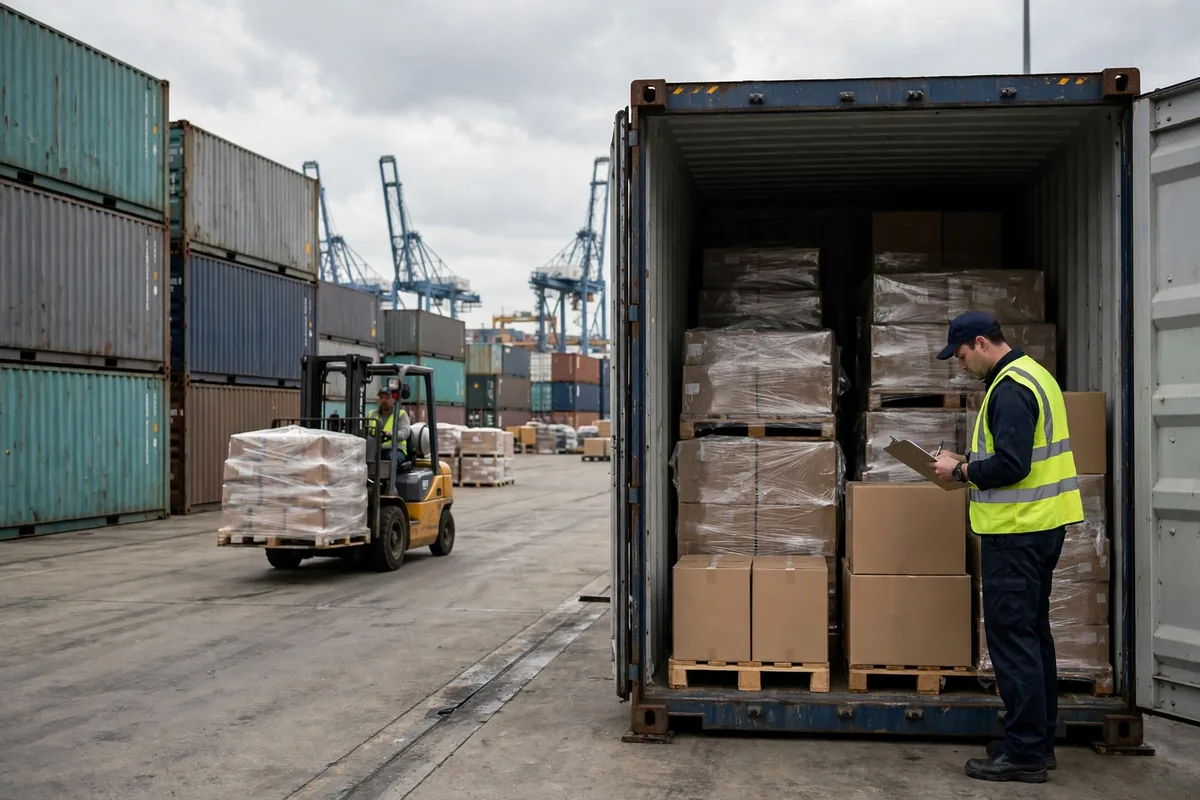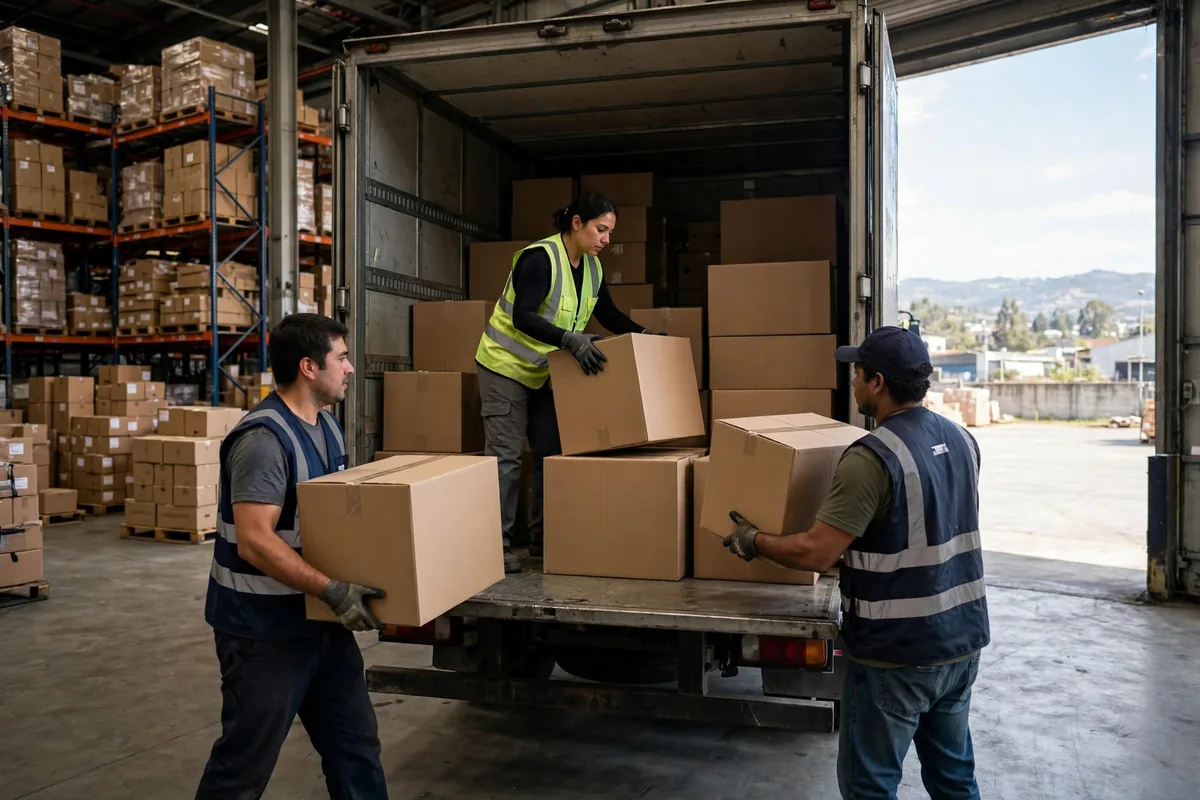
Let me tell you what I saw last fall outside a distribution warehouse in California. It was a textbook case of China seller South America fulfillment, direct vs overseas warehouse, gone wrong before the goods ever left. I was waiting to load when a young seller from Shenzhen sat down on a pallet, phone in hand, nearly hoarse from arguing with customer service. His parcel, shipped direct to a buyer in Brazil, had been on the road for more than twenty days and still had not arrived. The marketplace had already refunded the buyer, and the parcel was still somewhere in transit. He told me that if he had known, he would have paid more upfront and stocked the goods in a warehouse near São Paulo. I did not answer right away. After all these years on the road, I have seen this story too many times: the problem was not on the road. The problem was that nobody had settled the bills before the goods left.
China seller South America fulfillment, direct vs overseas warehouse, looks like a choice of shipping method. In reality it is a choice about which pain you accept. Direct shipping pushes the risk to the back end. An overseas warehouse pushes the cost to the front end. Neither one wins on every front.
Direct shipping first: what the road really looks like
Start with direct shipping. I know a seller of small home goods who began sending parcels direct to Chile in the spring of 2024. Light items, low order value, no warehouse rent abroad, no stock sitting overseas. Sell one, ship one, keep the cash free. What he had not counted on was customs. South American customs does not wave a parcel through just because you filled in the form. One shipment got held for more than ten days because the product description was written too vaguely, and he spent that time apologizing to the buyer and supplying extra paperwork. The parcel arrived in the end, but the review was already ruined.
Another case sticks with me even more. A seller sent seasonal goods direct to Argentina, aiming at a local promotion window. The parcel took close to a month on the road. By the time it arrived, the promotion was over. Returning it would have cost the buyer more than the product itself, so the buyer gave up on it, and the goods sat stranded overseas, costing more to deal with than they did to ship. After all these years, I have learned one thing about direct shipping: the worst part is not that it is slow. It is that it is slow without a reliable date. When you cannot promise the buyer when it arrives, and you cannot explain what happens on a return, the whole order is hanging in the air from day one.
The overseas warehouse side of direct vs overseas warehouse: you buy time, and you bet on judgment
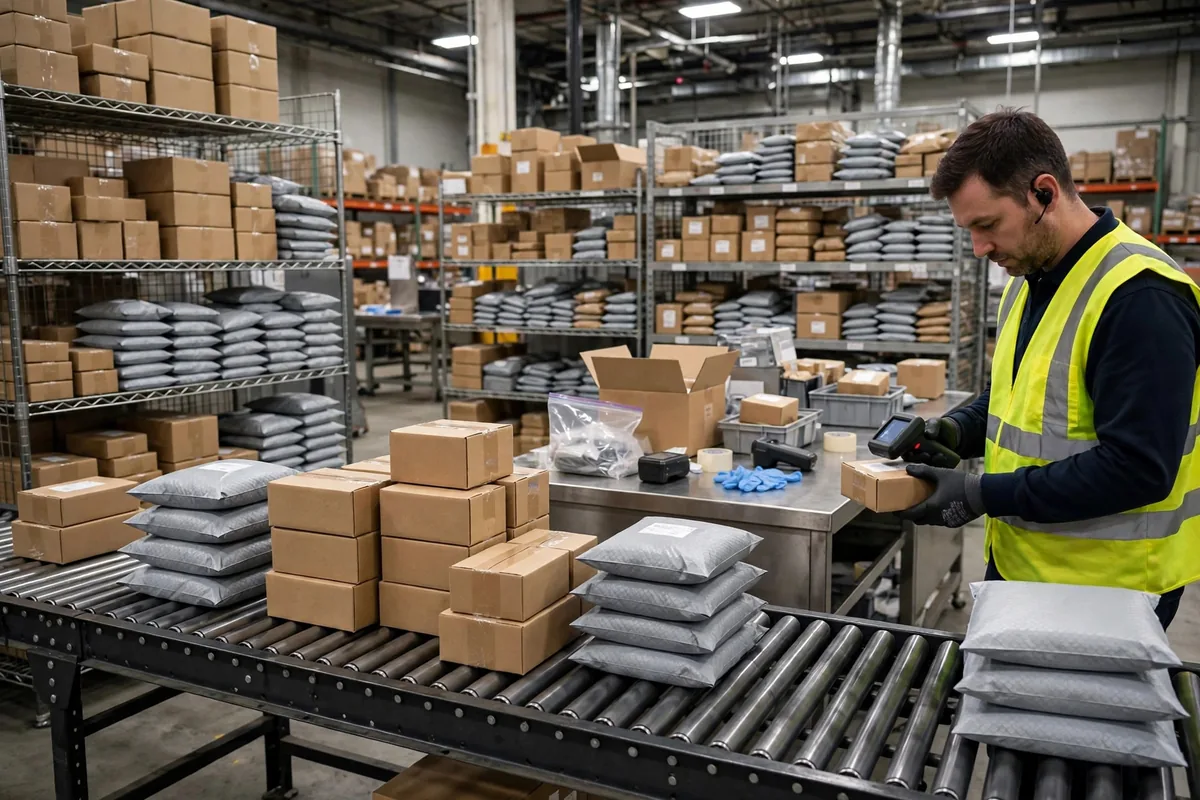
Now the overseas warehouse. The upside is plain to see. Goods are already sitting in a local warehouse, an order ships out locally within days, returns can come back to the warehouse for inspection and resale, and the whole experience feels like a different business. I know an auto parts seller who started stocking in Brazil in the second half of 2023. When peak season hit, orders went out the same day from the local warehouse, and his negative reviews fell visibly. He told me the warehouse bill hurt to pay, but the customer service fights and refunds it saved had already paid for it.
But the trap is right there in the open too. First, stocking judgment: you ship hundreds of units across the ocean, and if you picked the wrong product or the local market does not want it, those units sit in the warehouse racking up storage fees, and shipping them back costs even more. Second, compliance: tax and customs rules vary a lot across South America, and Brazil's tax system in particular is complicated. One wrong declaration, one missing tax number, one invoice out of order, and a whole batch can be held up. I have seen someone cut corners on an agent to save money, only to find the goods stuck at the warehouse door with incomplete paperwork, missing an entire selling season.
Put simply, an overseas warehouse is not something you buy your way into. It tests how well you know the local market. The better you know it, the more the warehouse pays. The less you know it, the more it looks like a gamble.
China seller South America fulfillment: settling the four bills
Here is the exercise I suggest every seller do before shipping, with a pen and a sheet of paper:
| The bill | Direct shipping | Overseas warehouse |
|---|---|---|
| Transit time | Long and variable, worse in peak season | Local dispatch, steady, better buyer experience |
| Customs | Every order clears on its own, one vague declaration can hold a parcel | One bulk clearance, later orders skip the repeat hassle |
| Returns | Return shipping often costs more than the product, most cases end in a write-off | Returns come back to the warehouse for inspection, exchange, or resale |
| Cost | Light upfront, but per-order freight and refund risk add up | Heavy upfront: first-leg freight, storage, and working capital tied in stock |
Once that table is filled in, the answer usually writes itself. Light, low-value items, and products still being tested, fit direct shipping: probe the market cheaply before you commit stock. Proven sellers with steady volume, categories with high return rates, and goods tied to a promotion window, fit an overseas warehouse, because the delivery speed and return experience bring repeat orders that repay the upfront spend.
There is also a middle road most people overlook: test with direct shipping first, and once two or three products show steady sales, stock just those few in small quantities overseas.
South America is not one market, so do not run one playbook
One more trap, and it catches more people than any other: treating South America as a single market. Brazil, Chile, Argentina, Colombia, each has its own language habits, tax rules, customs practice, and last-mile maturity. Brazil is big, but its tax and paperwork burden is heavy, and it suits sellers who already have volume and are willing to invest in compliance. Chile and Colombia are more flexible, good places to test with direct shipping before committing stock. Remote areas everywhere carry wider delivery swings, so it is worth stating possible delays in the listing rather than leaving the buyer to guess.
I watched a seller take his Brazil playbook straight into Argentina, only to find the declaration standards different and lose more than a week at customs. His goods were fine. His assumption was not. The choice in China seller South America fulfillment, direct vs overseas warehouse, should be made country by country: the same seller can perfectly well run an overseas warehouse in Brazil and keep testing with direct shipping in Chile. Different markets, different methods, no shame in that. Forcing one template onto every country is how tuition gets paid.
A few plain words for shippers and warehouses
For shippers, three things. First, write declarations in detail rather than saving effort with vague product names. South American customs cares about this more than anything. Second, state the return policy clearly on the listing, before the buyer has to ask, because a bad return experience brings bad reviews faster than you expect. Third, stock ahead of peak season by at least one selling cycle. Peak-season swings in South American logistics are wider than most sellers expect, and last-minute fixes almost never arrive in time.
For warehouses, one word too: when receiving South America-bound goods, check the declaration paperwork and carton markings at inbound inspection, and flag problems to the shipper early instead of discovering a mismatch halfway through shipping. The warehouse and the shipper are on the same rope. One extra question up front saves three days of arguing later.
Here is the counterintuitive part most people get wrong: faster is not always better with an overseas warehouse. Stocking fast and selling slow hurts more than shipping slow. A slow direct parcel costs you one order. Wrong stock in an overseas warehouse costs you a whole season of cash flow. Speed is the face of the business. Inventory turnover is the inside of it.
There is an old saying among drivers: do not fear going slow, fear standing still. Direct or warehouse, the real danger is not choosing wrong once. It is seeing the problem clearly and still driving the same road to the end. Test small, then go big. That is how people who run long hauls stay in business.
By Shifu Zhao, Trucking Veteran (15 yrs)