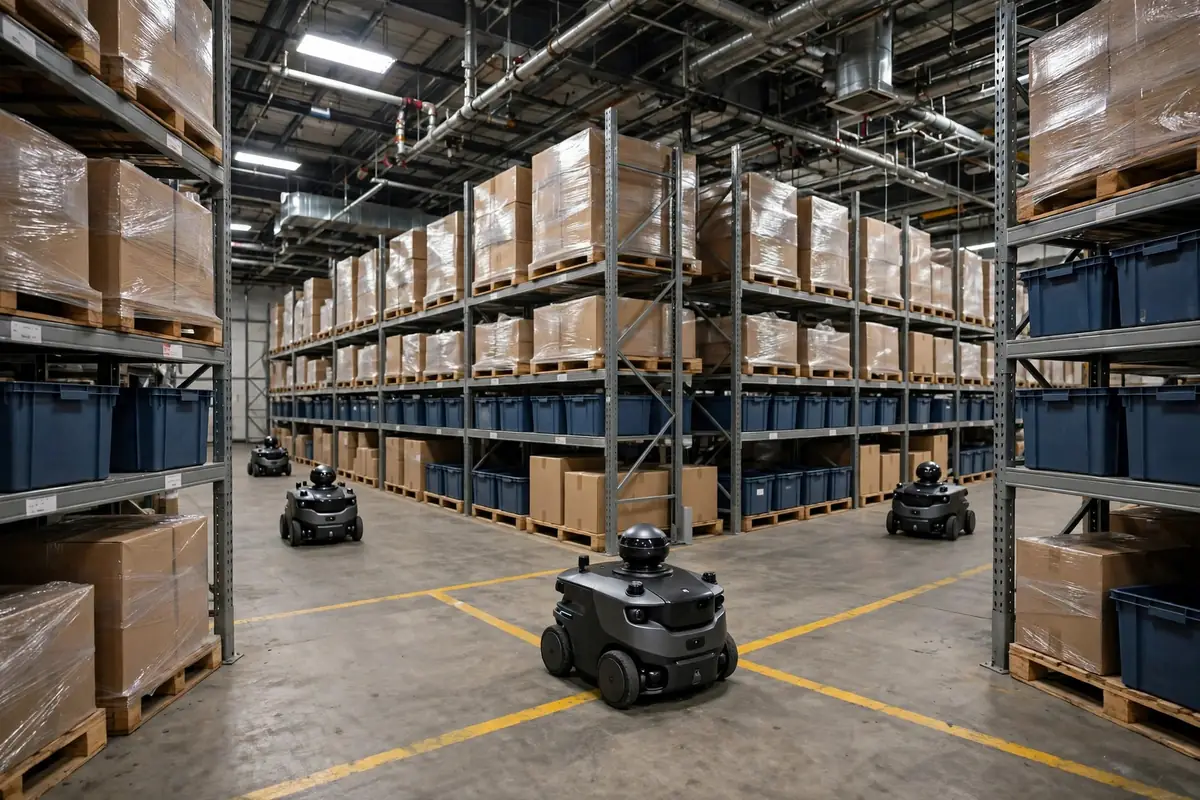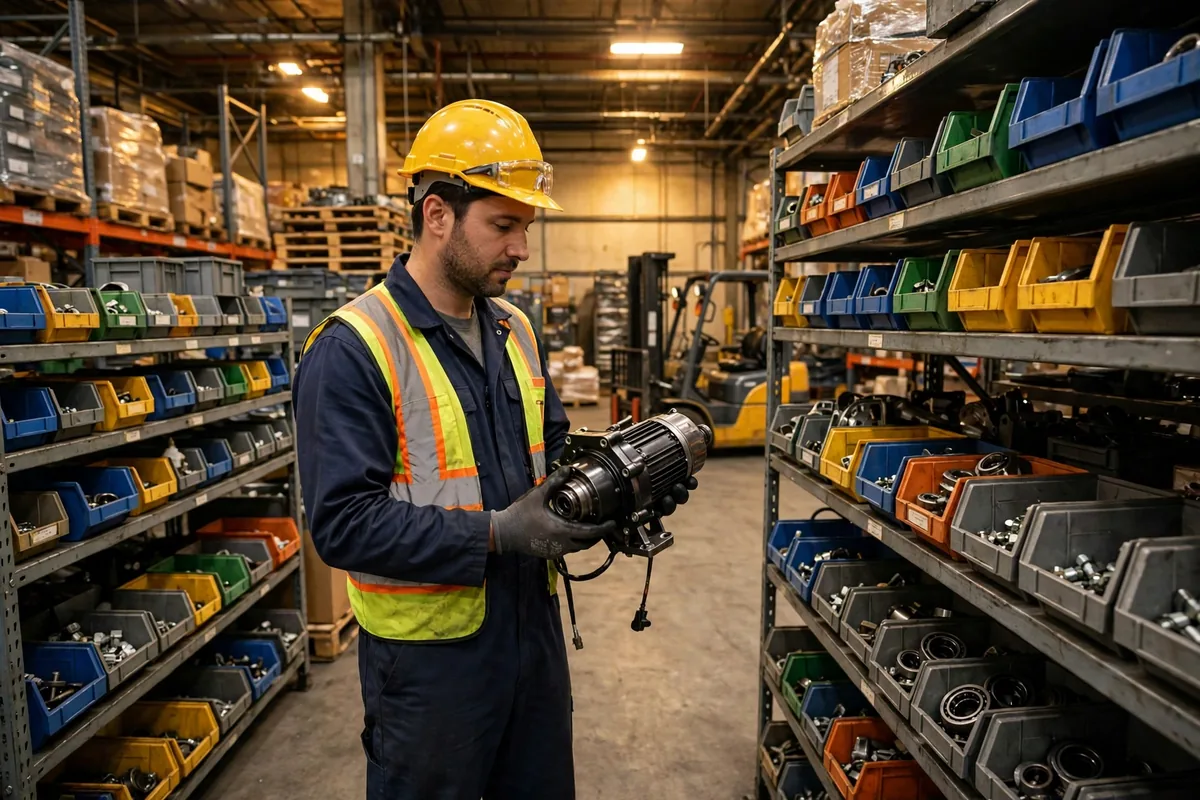
We had a client who ordered two automated sorters from China in 2024. The price came in nearly 40% below the European brands, and the boss was so pleased on signing day that he took the whole department out to dinner. Nobody asked where the spare parts would come from. Five months after installation, a drive module burned out on one sorter. The manufacturer was perfectly polite: spares could be shipped, two weeks by air, or a month and a half by sea if they wanted the cheaper rate. Peak season had just started. The sorting line sat idle for eleven days before they found a compatible part through a third-party channel at three times the price. The cases in this article are illustrative and the figures are example estimates, but I have signed over a hundred warehousing contracts, and I have watched this exact story play out more than once.
Buyers always think after-sales is something that starts after installation. Anyone on the selling side knows the ending was already written on signing day. When the price gets negotiated down, the service terms are usually the first thing sacrificed — response times left vague, no spares list attached, training hours waved through in one line. Then the equipment goes down, and there is nothing in the contract to reach for.
The Spare Parts Math Is Done at the Signing Table
At the negotiating table, the value of service terms depends on whether you dare to translate them into downtime cost. A sorter down for a day costs more than the repair bill — backlogged orders, overtime labor, lost customers. On example estimates, a mid-size sorting line down for a day can cost several thousand dollars in total impact, and double that in peak season. Walk into the negotiation with that number in your hand, and asking for a 48-hour response suddenly sounds very reasonable.
My advice to clients is to lock at least five things into the contract: tiered response times, with a named deadline for someone to take ownership of a critical failure; spares pricing locked for a defined period, so next year's quote does not double; the warranty start point written out explicitly — delivery date or acceptance date, which can differ by two months; remote support spelled out, video call or email only, and in which language; and training written into the delivery checklist, with separate hours for operators and maintenance, because delivery is not complete until training is done.
There is one more clause most people forget: what happens when the manufacturer discontinues a model. How many more years will spares be supplied? European brands treat this as a standard term. In negotiations for Chinese equipment, almost nobody raises it. If it is not in the contract, three years from now you will be solving that problem alone.
Tier Your Spares — Do Not Stock Everything Yourself
Here is the counterintuitive part: buying more spares does not necessarily mean better protection. Spares are dead money sitting on a shelf, earning nothing and going obsolete. The right approach is tiering — stock what you must, let the manufacturer stock the rest, and courier what can travel fast.
| Spares tier | What it covers | Stocking rule |
|---|---|---|
| Critical | Drive modules, control boards, main motors | Keep 1 on site, with the manufacturer's response time in the contract |
| Consumable | Belts, rollers, sensors, pneumatic parts | Hold 1–3 months of usage |
| Generic | Bolts, cables, standard parts | Buy locally, never ship from China |
The logic behind tiering has real-world backing. In a published case from a German spare parts logistics provider, a warehouse holding roughly 96,000 different spares achieved 97.8% immediate delivery capability, with orders placed before 4 p.m. leaving the same day. Those are their numbers, but the principle is universal: spares performance is about the speed of the whole chain, not how much you hoard.
Once tiered, run the numbers: the capital tied up in one critical spare on your shelf versus one day of downtime. On example estimates, a drive module costs a few thousand dollars, and a single day of downtime can wipe that out. Show that calculation to whoever approves the spares budget, and the approval stops being a fight. Get the spare parts tiers right and the rest of the contract gets easier to negotiate, because you are arguing from a number, not a feeling.
Five Spare Parts and Service Terms to Lock Down
Local service for Chinese equipment generally comes in three forms: the manufacturer runs its own service point in your country, authorizes a local agent, or supports remotely with local outsourced repair. None of the three is automatically best. What matters is that the contract pins down responsibility and leaves no "we will figure it out later."
First, is there a real person at the local service point? Some manufacturers say "we have a service team in the US," and you discover it is one part-time agent covering three states. Before signing, meet the local engineer and ask how many clients they support at once.
Second, where do the spares physically sit? Spares in a central warehouse in China and spares in a local warehouse in Los Angeles are two completely different response speeds. Get the local spares list written into the contract as an attachment, including what happens when a listed part is out of stock.
Third, remote support language and time zones. Equipment tends to fail at night, and if the only channel is email, one round trip costs you a day. Agree on video support, remote diagnostic access, and who is authorized to give instructions — and rehearse it once before handover.
Fourth, software and control system updates. Automation equipment needs regular control software updates. Who does them, what do they cost, and who rolls back if an update breaks something? Put it in the service agreement. Hardware breaks, and software breaks too. Do not leave it out of the math.
Fifth, training with a test attached. Many contracts say "training provided," and it ends with a certificate handed out. My approach ties training to acceptance: operators must be able to handle common faults on their own, and maintenance staff must be able to complete a part swap following the manual. Only then does training count as delivered. Training is not a formality. It is the handover of after-sales capability.
At the end of the day, that is the whole point of this china equipment after sales spare parts service warehouse guide: buying Chinese equipment is not about being cheap. It is about getting more done with the same money. Every dollar saved on after-sales and spares comes back as downtime, with interest. Next time you negotiate a contract, remember to ask these three questions: where are the spares, how many hours until someone takes ownership when it breaks, and how many years will you still supply parts after the model is discontinued. If a manufacturer cannot answer those three, think twice — no matter how low the price is.
By Susan, 3PL Sales Director