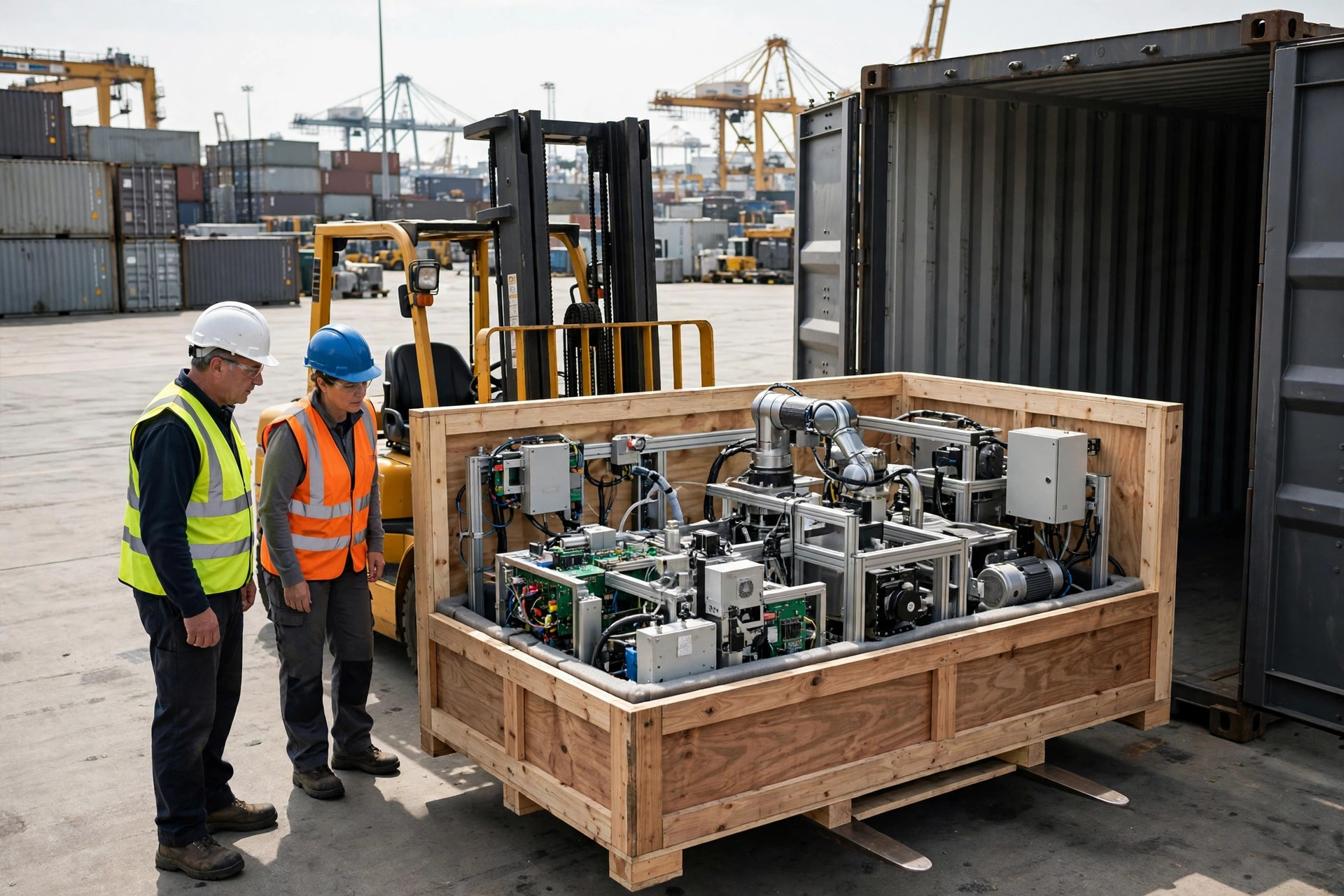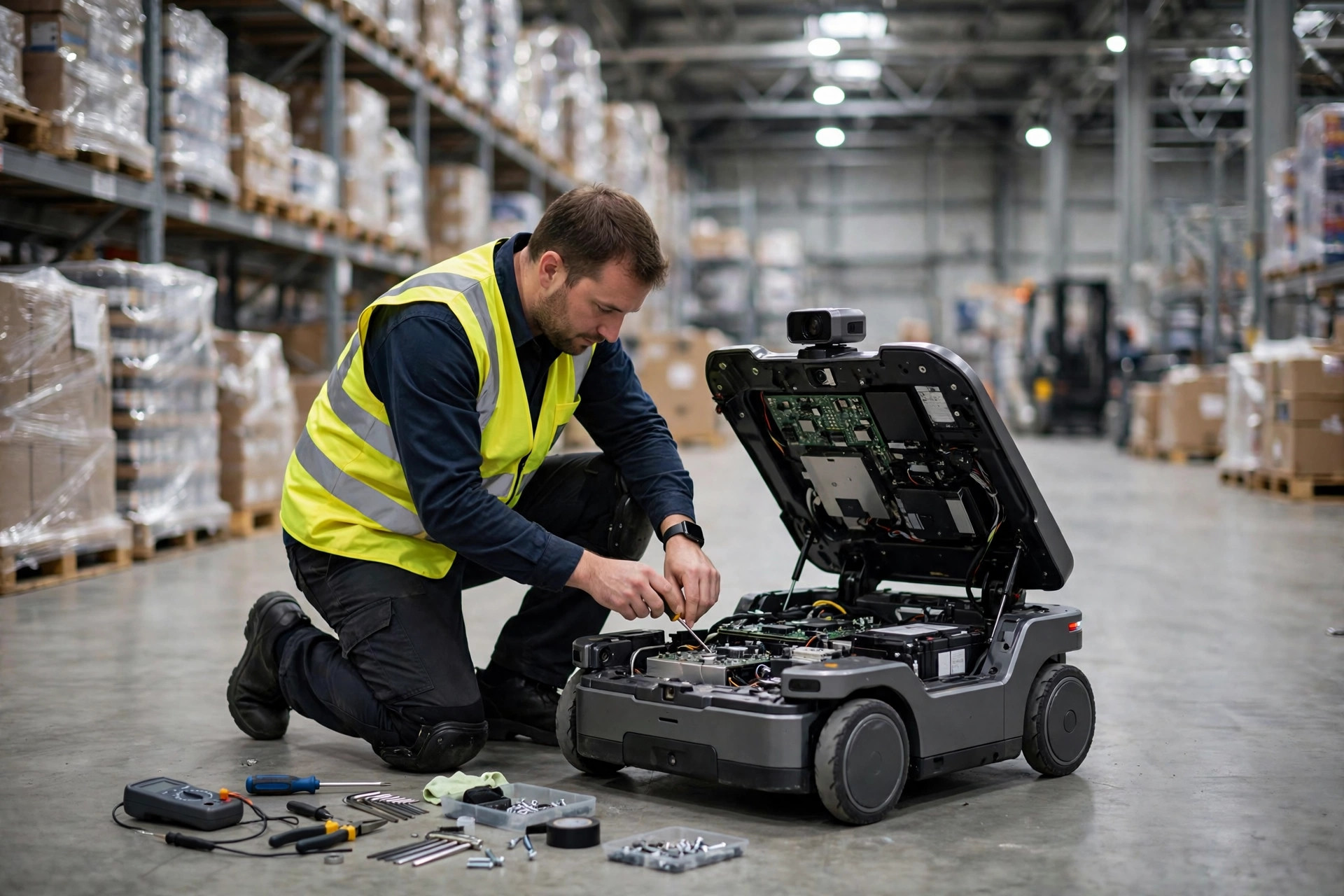
Here's my verdict up front: when you buy Chinese automation equipment, the price negotiation is only half the battle. The other half gets lost the moment you sign — in the after-sales and spare parts terms. Whatever you saved on the purchase price won't cover two weeks of downtime in peak season while you wait for a critical part to ship from overseas. I've watched too many buyers pour all their energy into beating down the unit price, then settle for a one-line "one-year warranty" in the contract, and spend the second year waiting a month or more for a single sensor.
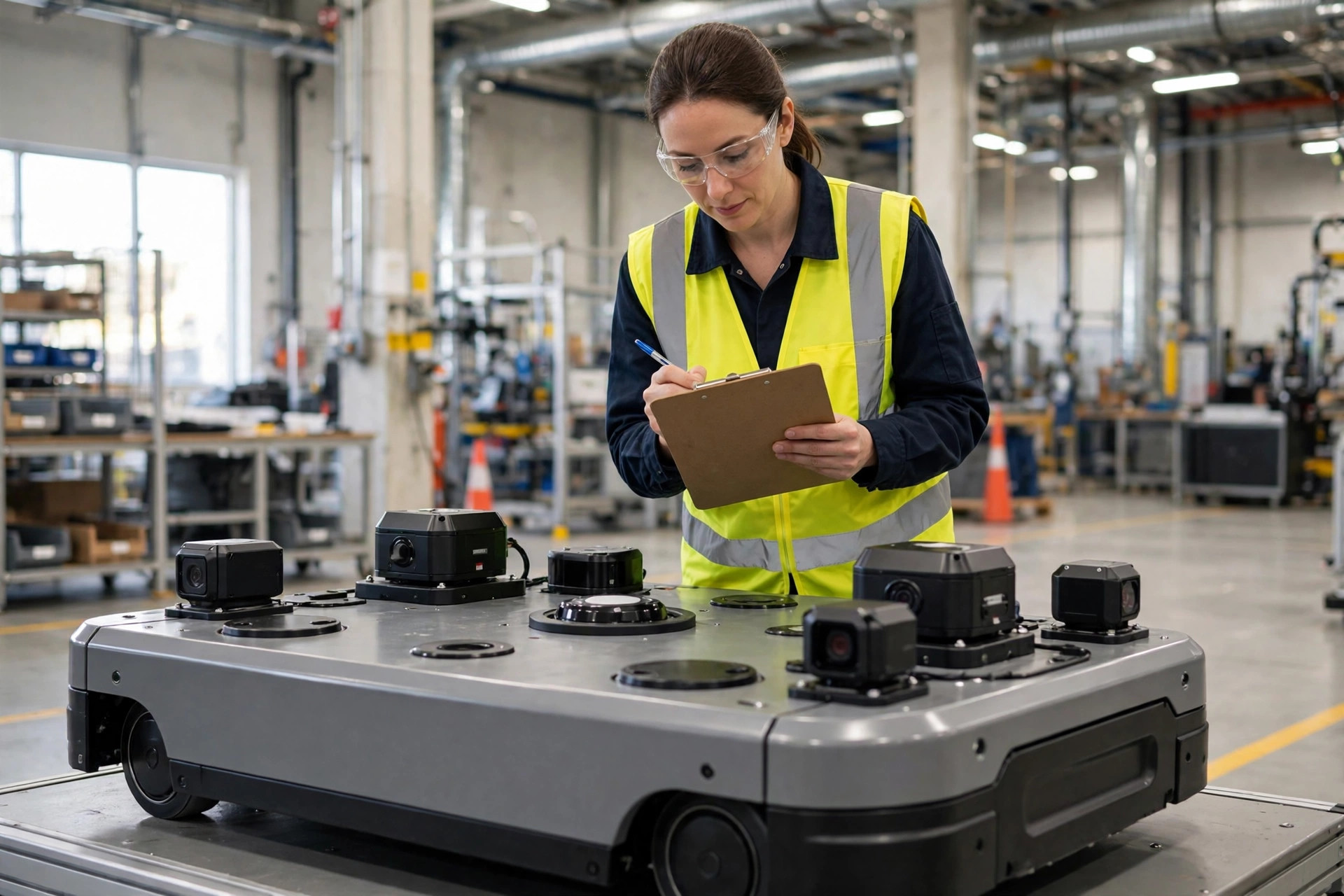
Why are spare parts the hidden trap? It's simple: Chinese equipment makers built their parts networks around the domestic market. In the US, there's usually no local stock, which means almost every non-standard part has to come from China. Ordering a small batch of spares — from purchase order to customs clearance — routinely takes a month or longer, and inspections or holidays stretch it further. The shipping itself isn't the problem; the downtime is. One AMR going down might just mean one fewer vehicle, but if it's the main controller on a sortation line or a safety module on a stacker crane, your whole throughput takes the hit. During peak, a warehouse pushing tens of thousands of orders a day bleeds money by the day, while the spare part ships by the piece. Most people only do that math after the first breakdown.
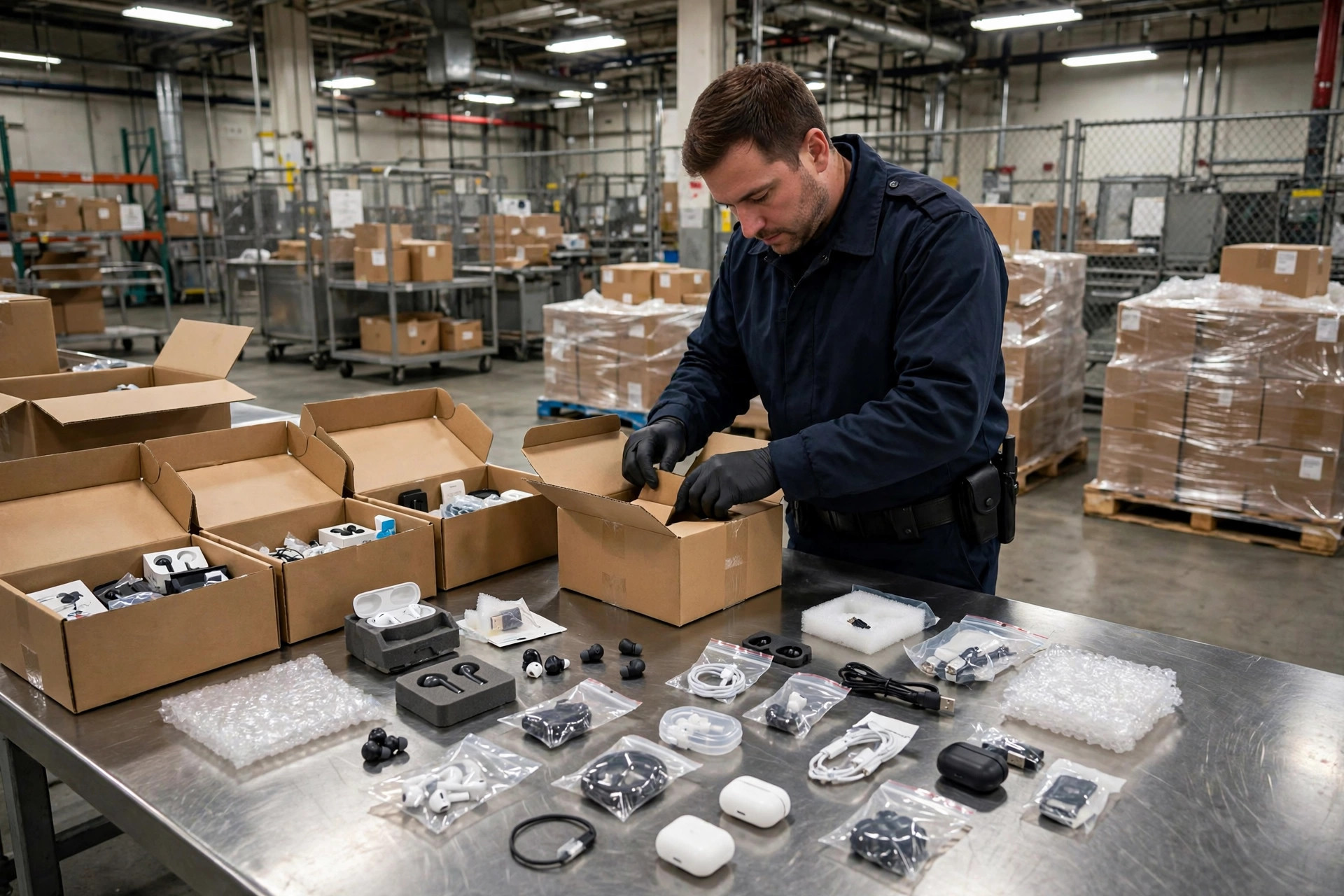
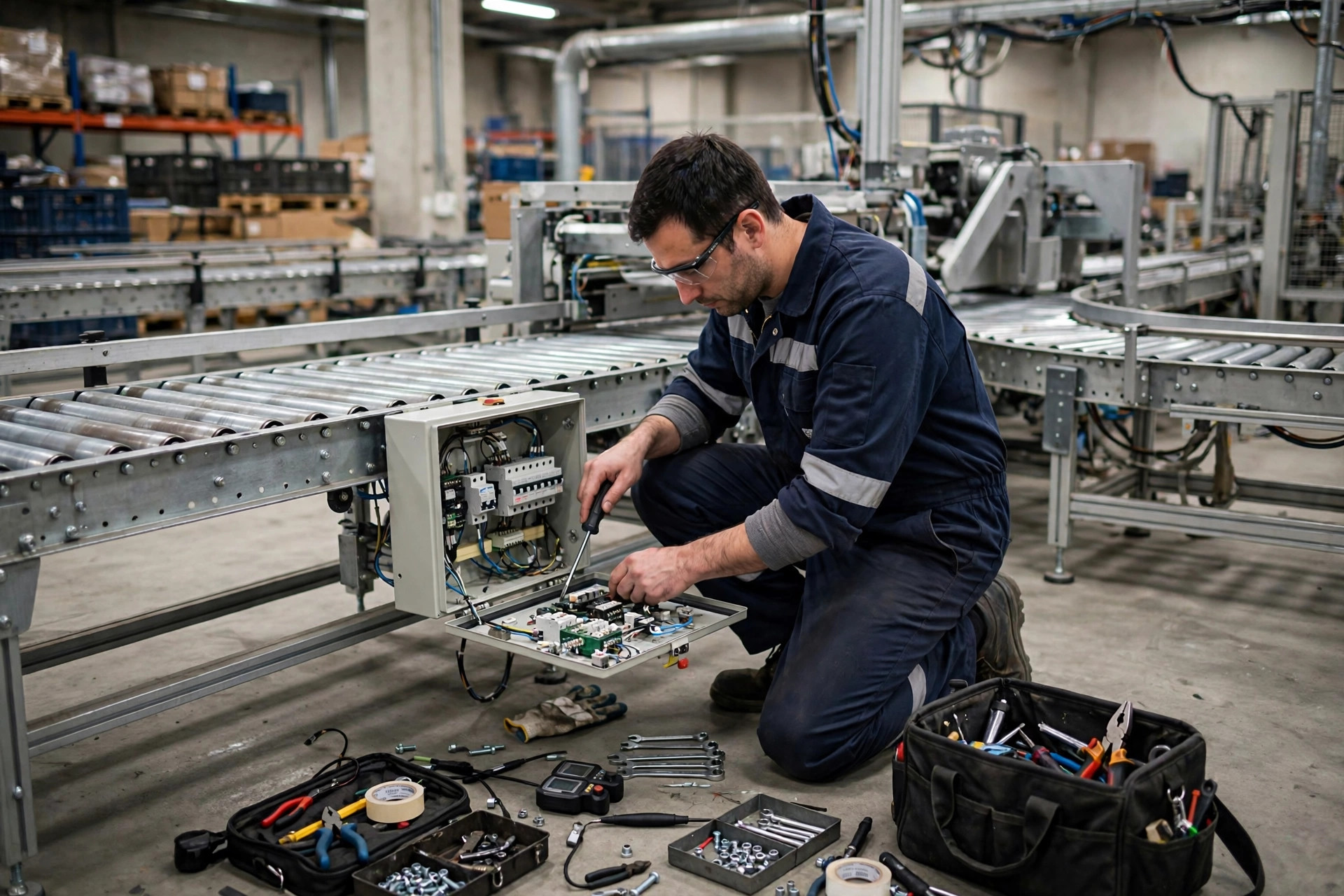
I visited a 3PL in Ohio back in 2023 — a facility well over a hundred thousand square feet — that had installed a Chinese four-way shuttle system the year before. The equipment ran fine. Then a safety relay module burned out. A small part, a few hundred dollars. The supplier had no US stock, so sourcing from China plus ocean freight and customs took five weeks. That aisle ran derated for five weeks, and they covered peak prep with overtime labor. The site manager told me the savings on the equipment purchase basically went straight into that month's overtime bill. I've heard that story more than once — swap the relay for a sensor or a drive, same script.

Lock these down before you sign, not after
My rule: negotiate parts before you sign the equipment contract, not after the system is installed. Once it's bolted to your floor, you have zero leverage.
First, the spare parts list with price protection. Ask the supplier for a recommended spares list, tiered by criticality — Class A parts stop the line when they fail, Class B parts hurt throughput but you can limp along, Class C is consumables. After tiering, Class A parts need a stocking commitment, Class C can be order-as-needed. Then lock the prices on that list for a defined period — say, capped annual increases for two years. Skip this clause and you'll find the same sensor quoted at double the price in year two, with nowhere else to buy it.
Second, a local parts depot or a consignment arrangement. Ask directly: do you stock parts in the US? Can you place consigned spares in my warehouse that I only pay for when I use them? The bigger Chinese manufacturers have set up parts depots in California and Texas in recent years — that's a real plus. Consignment works for both sides: you don't tie up capital in spares inventory, and the supplier locks in your parts business for years. If they don't have a single bolt in the US, fold that risk back into your total cost of ownership and rerun the numbers — compare equipment price plus three years of parts and downtime risk, not just the sticker price.
Third, remote diagnostics and real training. A lot of failures don't need a part swap at all — someone reading the logs remotely can pinpoint the fault. Require a remote diagnostics channel in the contract, and get your maintenance team trained on troubleshooting, not just operation. Every fault your own people can fix is one less cross-border process to suffer through.
Fourth, alternate sources for critical parts. Clarify which components are standard and which are custom. Motors, reducers, and sensors that can be swapped for mainstream brands — confirm model numbers and interface specs up front. For the genuinely custom parts, stock extra. It sounds like overkill until the day the supplier discontinues your revision.
Three ways to cover service, and what each one really costs
Once the system is live, you're looking at three service models, each with its own price tag.
Factory-direct service is the least hassle and the most accountable, but it's expensive, and cross-border support is inherently slower. The time difference is real — a domestic engineer dialing in to support your night-shift failure adds communication overhead you can't wish away. This fits smaller operations that don't want to staff a maintenance team. When you sign, get remote support response times into the contract; a verbal "we're always available" doesn't count.
Third-party service providers are the middle path. There are solid US-based firms maintaining automation equipment across brands, with their own parts channels and engineers. The upside is fast response and negotiable rates; the downside is that their familiarity with your Chinese system depends entirely on how many similar projects they've touched. Before hiring one, ask: have you maintained this manufacturer's equipment? Do you already have a parts channel? If they can't answer, you're paying them to learn on your equipment. Also check the OEM contract for exclusivity clauses first — don't pay a service fee only to have the manufacturer void your warranty over "unauthorized repairs."
Building in-house capability sounds like the most expensive option, but over time it can be the cheapest — if your fleet is big enough. A dedicated maintenance engineer for ten AMRs doesn't pencil out; for fifty-plus, it's a different conversation. The core of in-house isn't headcount, it's safety stock and a fault knowledge base. My rule of thumb: when annual spares spending passes one engineer's fully loaded salary, it's time to seriously consider bringing it in-house.
The contract checklist, in order of importance: price lock period and cap on increases for the spares list; committed lead times on critical spares written into the SLA with penalties for misses; remote diagnostics response times; training scope and frequency; software and firmware upgrade policy; guaranteed parts availability for a defined number of years after the equipment is discontinued. Warranty length matters less than people think — getting a free replacement part under warranty is easy; the hard part is finding someone to sell you that part ten years from now.
One question to take back to your warehouse: if your core equipment supplier went under tomorrow, how long could your operation keep running on the spares and documentation you have on hand? If you can't answer that, you haven't cleared the spare parts hurdle yet.