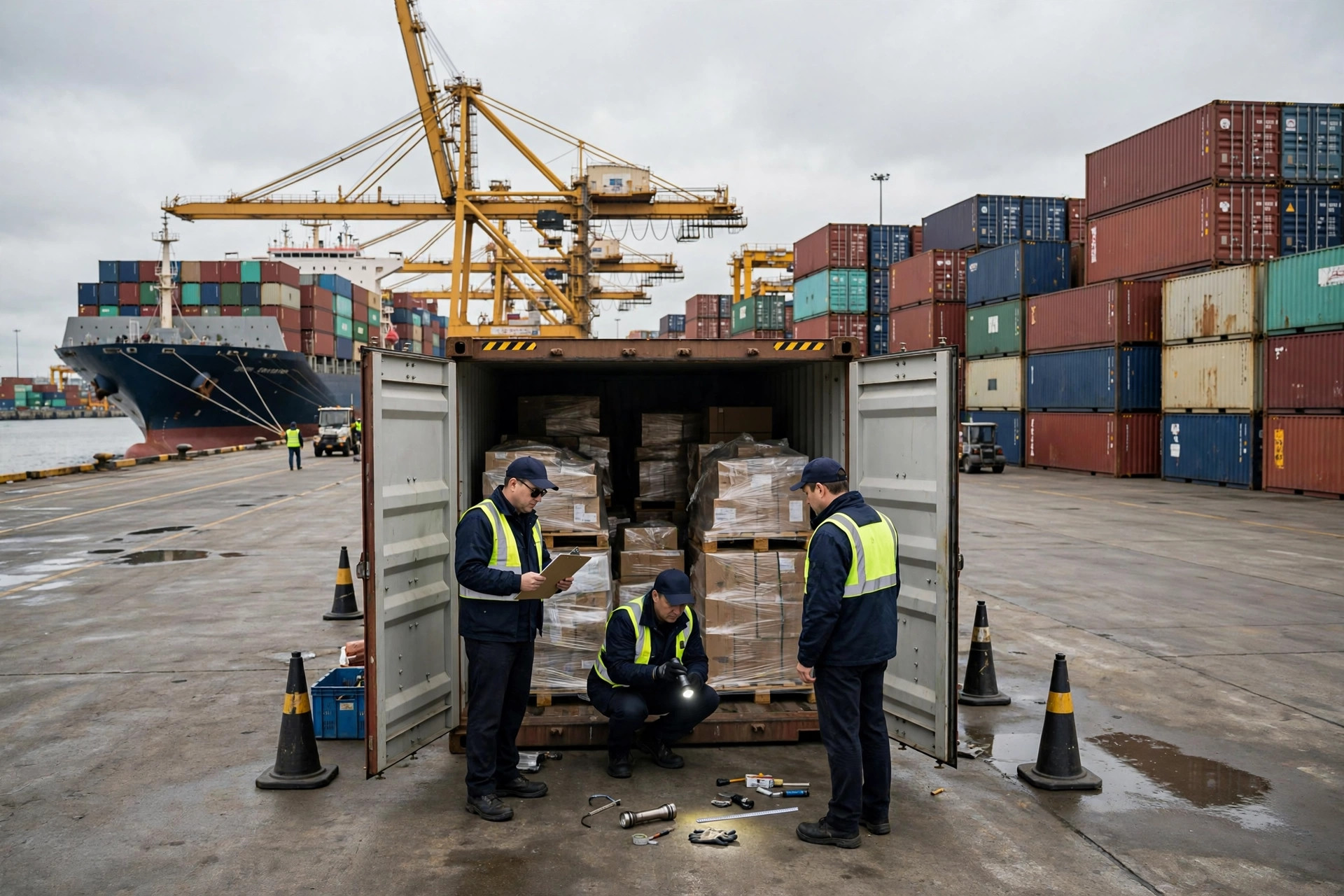
Amazon changed the rules again? This time, it was not Amazon. In September 2024, I had a shipment of outdoor storage boxes leave Ningbo for Los Angeles, and after the goods arrived, my buyer suddenly asked for a certificate of origin. Without that one document, he said, the shipment could not claim the FTA preferential tariff. Nobody had mentioned it before the goods sailed. I was caught completely off guard.
That shipment taught me a lesson I now repeat to every seller I know: the certificate is not paperwork for later. It is the ticket that gets your goods through the door at the preferential rate, and if you only think about it after arrival, you are already late.
What a Certificate of Origin Actually Is
A certificate of origin is a document that proves where your goods were actually made or grown. Not where they were shipped from, not where your company is registered, but where the goods themselves originate. That distinction matters more than most sellers realize.
It shows up in three situations. First, when your buyer wants to claim a preferential tariff under a free trade agreement, customs wants proof the goods qualify. Second, when the importing country's customs authority asks for it during clearance or an audit. Third, when the purchase contract simply requires it as part of the shipping documents. My 2024 shipment was the third kind. The requirement was sitting in the contract fine print the whole time, and I had skimmed right past it.
The result was a week of waiting while we scrambled to get the paperwork sorted, a re-filed entry by the buyer's customs broker, and a very uncomfortable phone call. I did not lose the customer, but I came close. The storage bill for that extra week was mine to swallow, and the buyer never quite trusted my paperwork the same way again.
How to Apply for a Certificate of Origin
So who actually issues one? In most cases, an authorized body in the exporting country, often a chamber of commerce or trade promotion council, issues the certificate after reviewing your documents. Under some trade agreements, the exporter can instead issue its own origin declaration. Which route applies depends on the specific agreement and the importing country's rules, so check the official sources for the agreement you are using, and confirm with your freight forwarder or customs broker before you ship.
The document package usually includes the commercial invoice, the packing list, the bill of lading or waybill, and supporting evidence of origin such as purchase contracts or production records. Different agreements ask for different things, and the exact list should be confirmed against the official requirements for your agreement. Do not guess.
Two more things I learned the hard way. First, do not assume one trade agreement works like another. Some look at whether the tariff classification changed, others look at regional value content, and the exact rules are set out in the agreement text and the latest official policy. Experience from one agreement does not transfer to the next, and the form has to follow the rule you are actually using.
Second, check with your supplier, not just your broker. One of my suppliers once changed where its raw materials came from and never told me. The documents went out the old way, and we nearly had a problem. Now I ask one extra question with every order: has the origin of the raw materials changed? That one question is far cheaper than fixing a certificate after the fact.
Here is what I do now, before every shipment. I ask the buyer three questions: do you need a certificate of origin, under which agreement, and what origin criterion applies? Then I match the answers against my invoice and packing list before the goods leave the factory. It takes one afternoon. It has saved me from repeating 2024 ever since.
Why Certificates Get Rejected
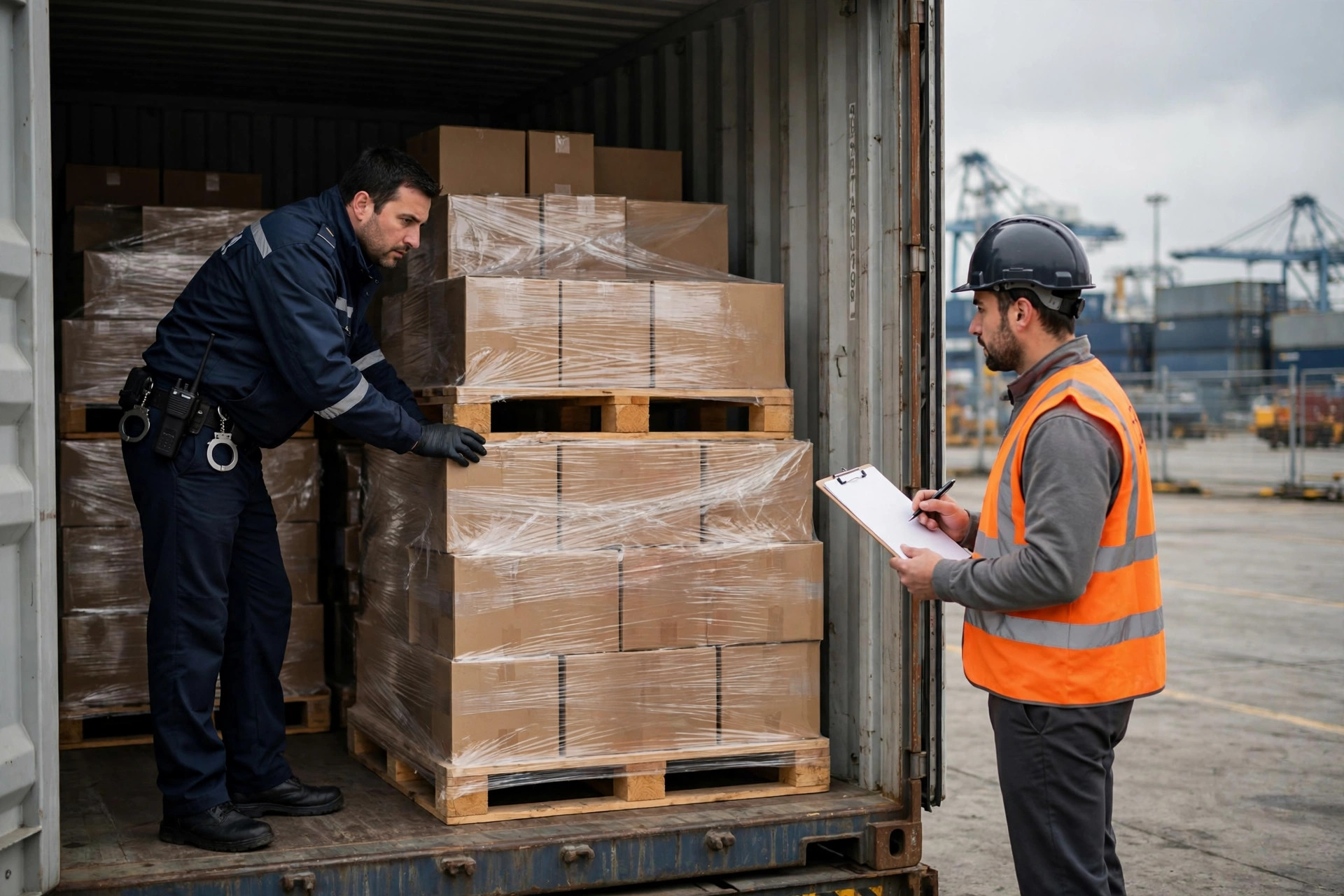
In early 2025, a friend of mine watched a shipment get bounced back over two words. The product description on his invoice differed slightly from the one on the certificate, and the quantity unit on one document said cartons while the other said pieces. His broker sent the whole package back. The goods sat, the buyer fumed, and a shipment that should have cleared in days took much longer.
That story is typical. The most common rejection reasons are these. First, the goods do not actually meet the origin rule. Shipping from a country does not make goods originate there. If your raw materials came from a third country and all you did locally was simple repackaging, the goods may not qualify, and no certificate can fix that. Second, the documents do not match. Product name, quantity, value, shipper, consignee: if one field disagrees across the invoice, packing list, bill of lading, and certificate, expect trouble. Third, the certificate itself is filled in wrong, such as an incorrect product classification code or the wrong origin criterion box. Fourth, timing. Some certificates have issuance windows, and a late application leaves you with no way to catch up.
| Situation | Tariff treatment | Clearance | Risk |
|---|---|---|---|
| With a valid certificate | Preferential rate under the agreement, per the latest official policy | Smoother, if documents match | Low, if origin is genuine |
| Without one | General rate applies | Slower, possible re-filing | Buyer disputes, delays, extra storage |
Before you ship, run through six items against each other: product name, quantity, value, shipper and consignee, product classification code, and the origin criterion. If all six line up, let the documents go. The checklist is taped to the wall next to my desk. It is ugly, and it works.
Before you apply, run three questions. Does the buyer or the contract actually require it? Do your goods genuinely meet the origin rule? And is the duty you would save worth the cost and lead time of getting the certificate? If the answer to any of these is no, say so early, and let the buyer decide with full information.
Here is the counterintuitive part: a certificate of origin is not free money. On small shipments, the duty saved can be smaller than the hassle, the fees, and the delay. And there is a line you must never cross. If your goods do not meet the origin rule, do not stretch the truth to make them fit. Paying the general rate costs money. Falsifying origin costs far more.
My routine today is simple. Before anything ships, I ask the buyer whether a certificate is needed and under which agreement, then I check every document against one checklist before it goes out. I tested this myself and it works. Since that miserable week in 2024, not one of my shipments has been held up over origin paperwork.
By Ah K, E-commerce Seller (5 yrs)