Here's my rule after twenty years in supply chain: never guess on HTS classification.
Getting the duty rate wrong by a few percentage points on a six-figure shipment of automation equipment is money straight down the drain. But misclassification costs you more than the extra duty. It buys you exams at the port, reclassification on the spot, back duties, penalties, and a container sitting at the terminal while your go-live date slips. A high duty rate is an honest number you can plan around. A wrong classification is a mess, and messes are the most expensive line item in any import budget.
U.S. Customs gives you a tool for exactly this problem: describe your product, and CBP tells you in writing which HTS number applies. It's called a binding ruling. Filing is free, the answer comes as an official written determination, and it binds CBP at every U.S. port as long as the merchandise matches what you described. When classification is genuinely uncertain, this is the highest-ROI paperwork you'll ever file.
Not Every Shipment Deserves One
My verdict: file when the shipment value is significant, the classification is genuinely ambiguous, and you'll be importing the product repeatedly. Skip it for one-off small lots and products whose classification nobody disputes.
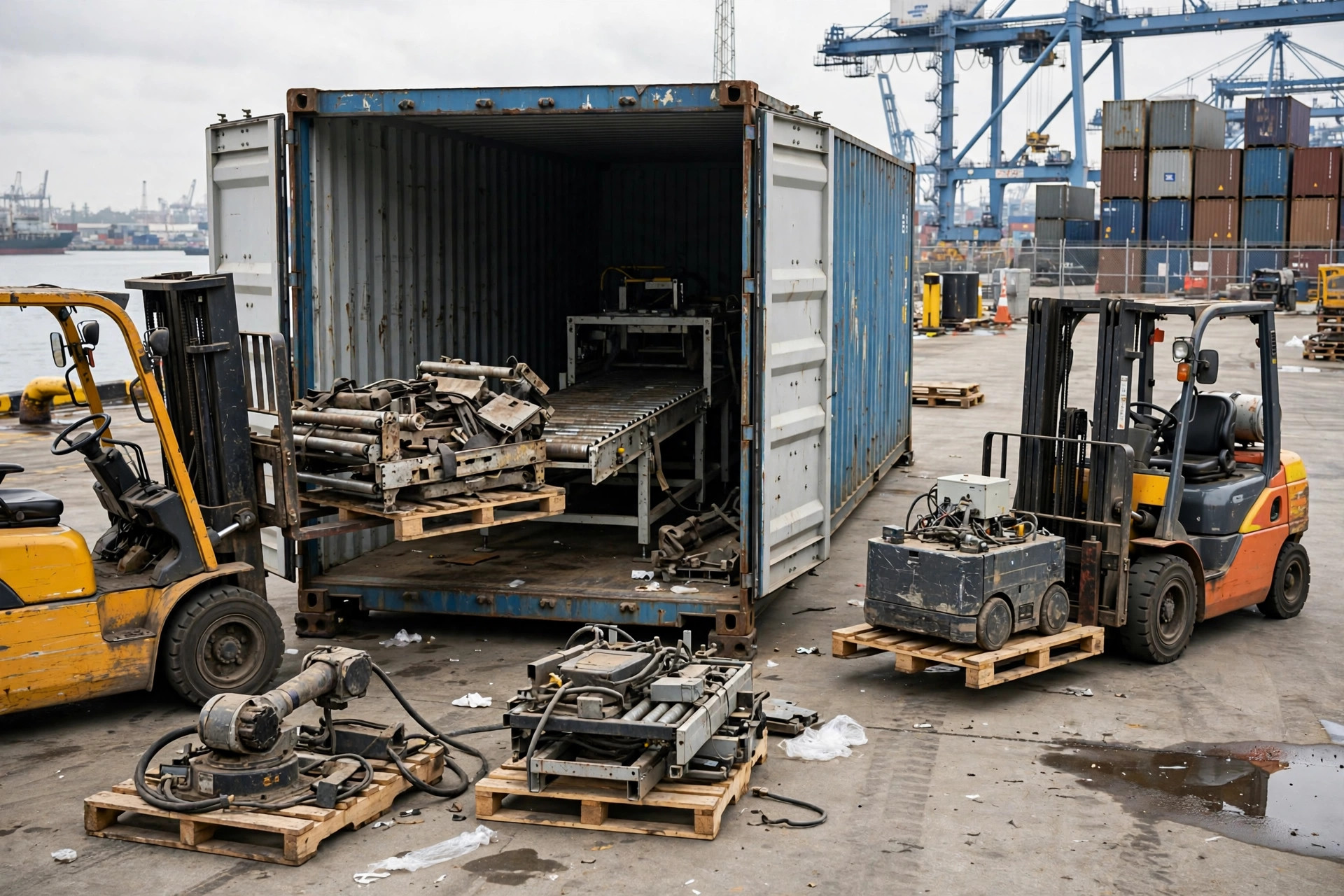
Automation equipment is prime binding-ruling territory, and the category that needs it most. Is a four-way shuttle "lifting and handling machinery" or a part of an automatic data-processing system? Different logic, different HTS number. An AMR with onboard navigation and a battery system — is it a vehicle or handling equipment? These are judgment calls, and two reasonable people can land in two different places. A broker files based on experience; a different CBP officer at the port can disagree on the spot.
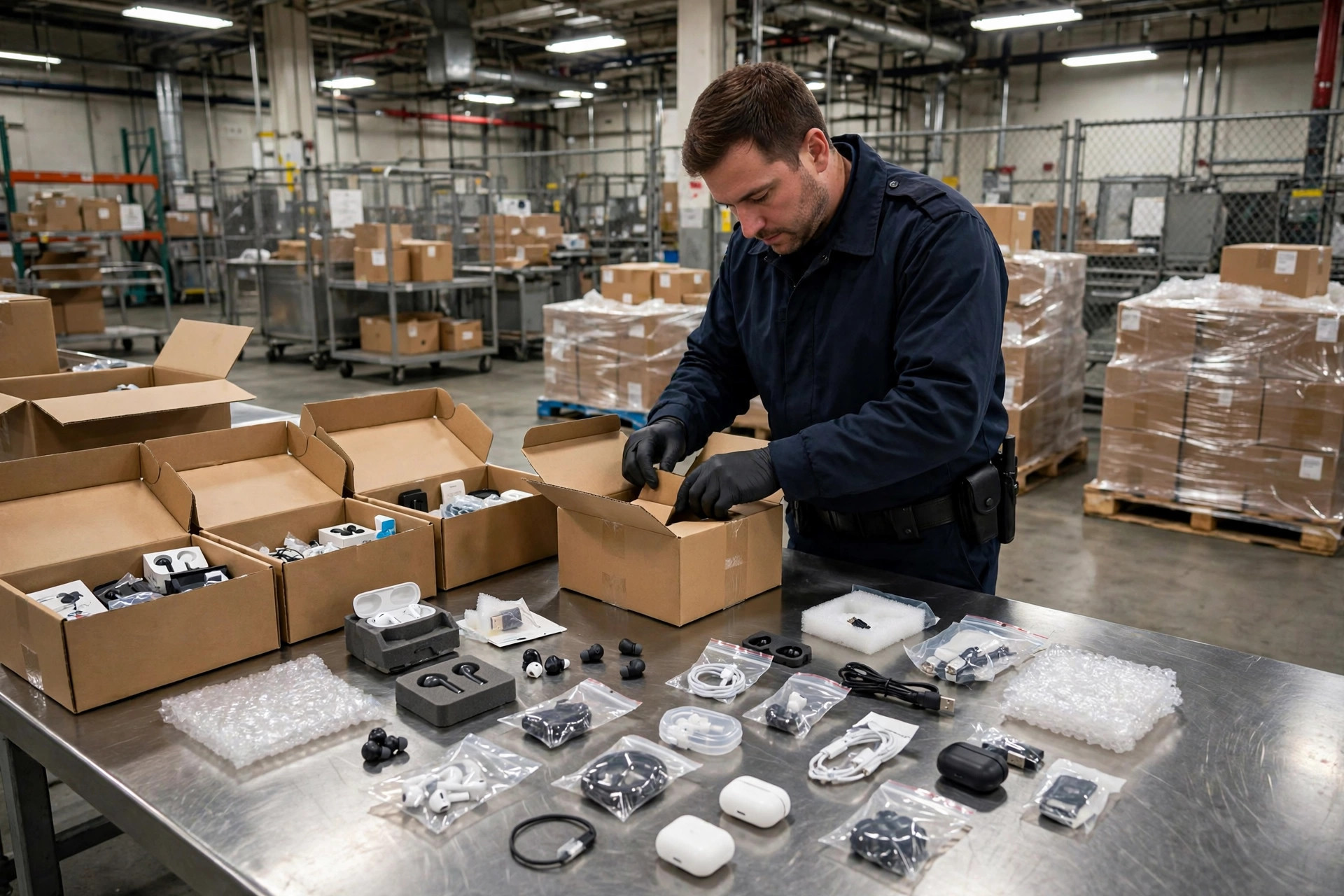
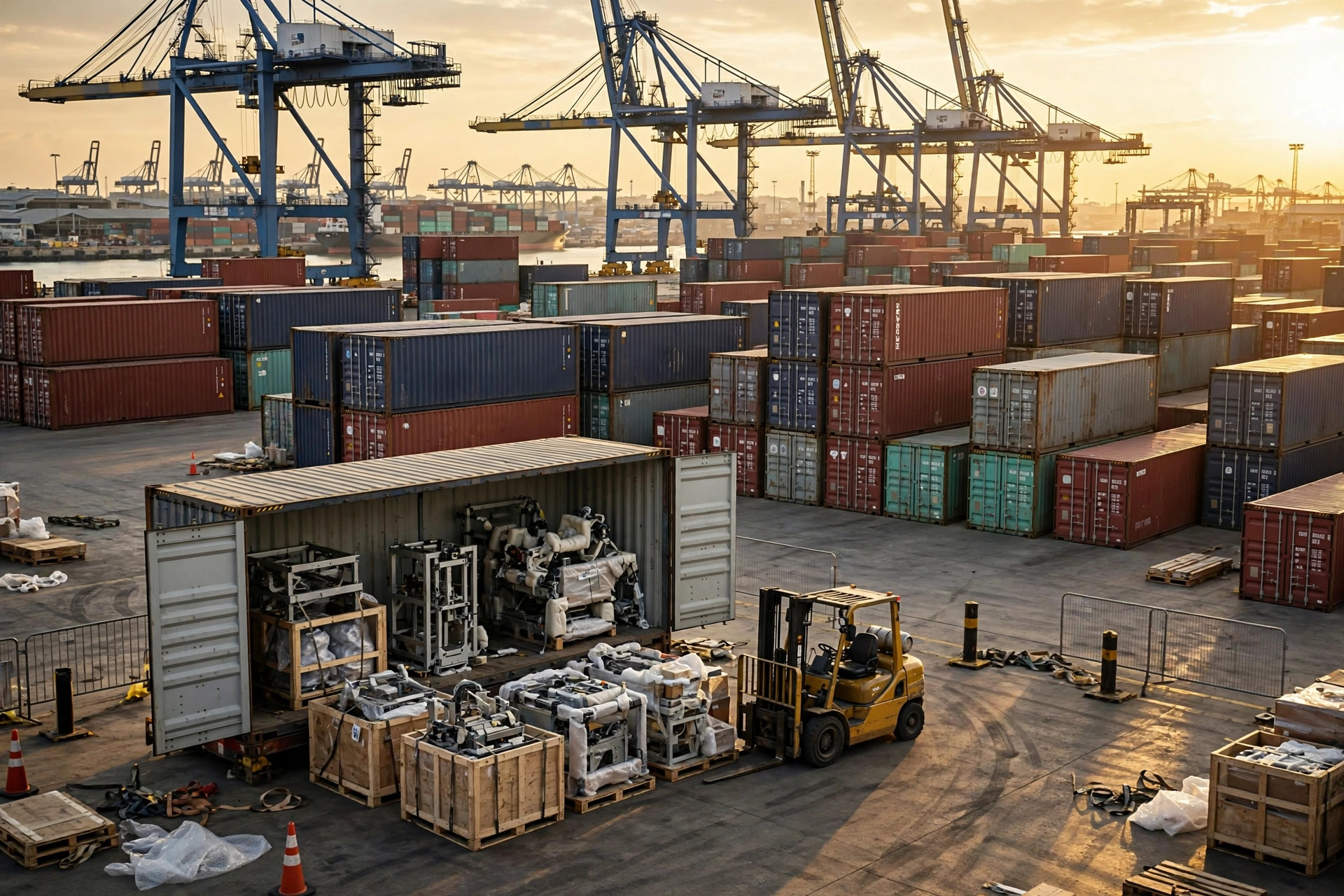
A couple of years ago, a client imported a batch of four-way shuttles through the Port of Long Beach, a shipment worth several hundred thousand dollars. The broker classified it the way he'd always done. At exam, the officer disagreed, reclassified on the spot, assessed additional duties, and the container sat an extra week. The post-mortem was obvious: for a product this debatable, the ruling should have been in hand before the vessel sailed.
The flip side: don't file for standard pallets or plain racking beams whose classification is settled. And don't file for a product still in R&D. If the design changes between application and mass production, the ruling won't cover the shipped version, and you've wasted everyone's time.
What the Ruling Officer Actually Wants to See
The quality of your application decides the quality of your ruling. The officer has never seen your equipment; your paperwork is all they have. Write it like an engineering spec sheet, not a sales brochure.
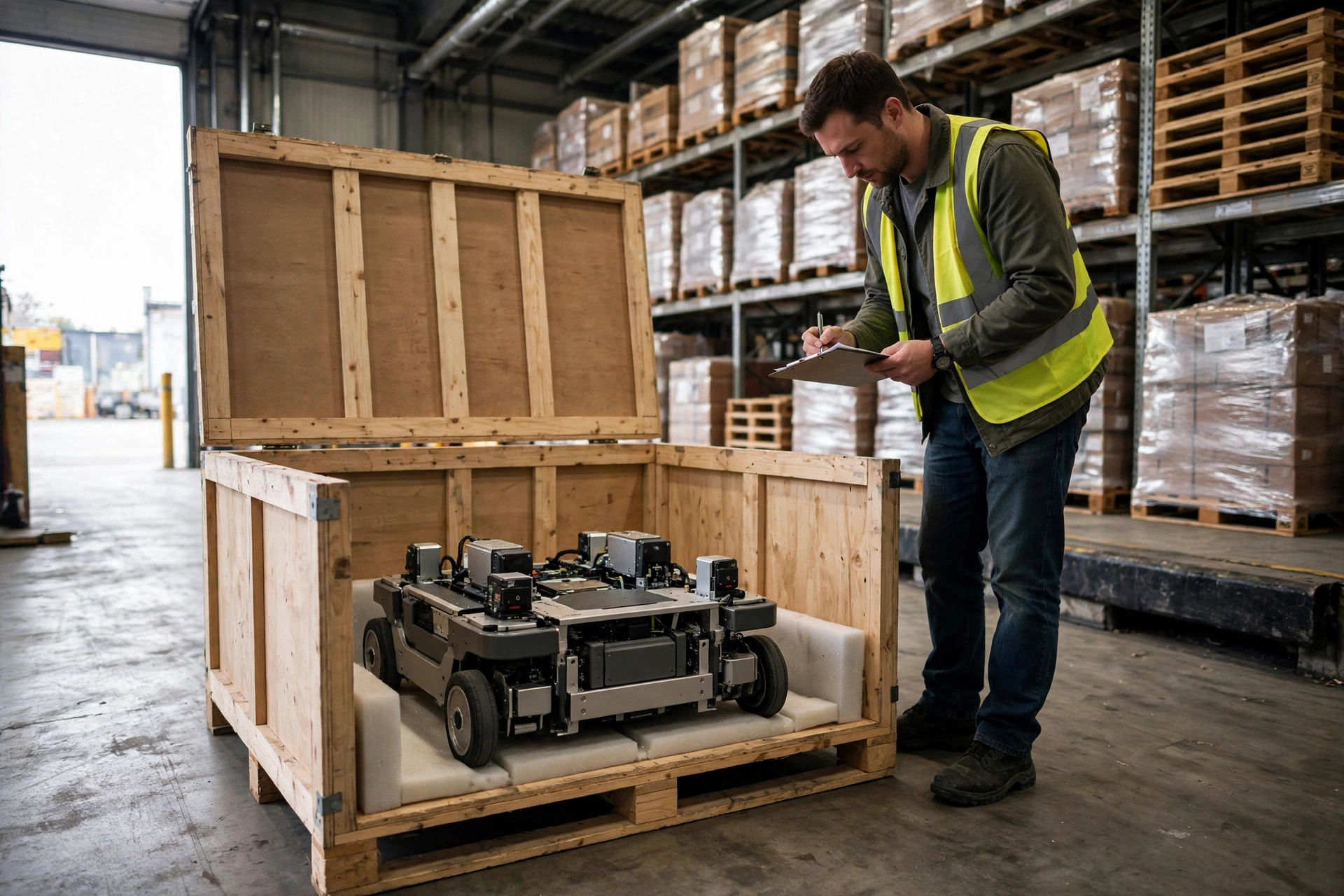
Cover the essentials: what the product is, what it's made of, what each component does, what the complete machine does, and where it's used. Include structure diagrams and photos. An exploded view is worth a thousand words of description. Describe function in technical terms: for a four-way shuttle, that means drive type, load capacity, rail system, and what operations it performs inside the rack — not "intelligent, high-efficiency warehouse robot."
One thing most first-timers miss: propose your own HTS number and explain your reasoning. The officer isn't solving a riddle; they need to see your classification logic to evaluate it. Being wrong is fine — the ruling will correct you. Not proposing one makes a weak application.
And this is non-negotiable: the description must be complete and accurate. The ruling covers the product exactly as described. Leave out a key function — say the unit actually has an auto-charging navigation module you didn't mention — and the ruling doesn't protect the merchandise that actually arrives. If an exam officer finds the goods don't match the ruling's description, that piece of paper is worthless.
After You File: Timing and Housekeeping
Once submitted, you wait. Processing times change, so check CBP's website for the current published guidance. Don't trust a consultant who promises a guaranteed turnaround in weeks. That promise is itself a red flag.
Three things to do while you wait. First, search CROSS, CBP's free public rulings database, for similar products. This really belongs before you file: if a clear ruling on a comparable product already exists, you probably don't need your own — just follow it. If the search results are murky, that confirms your filing was necessary.
Second, a filed application isn't fire-and-forget. CBP may ask for supplemental information; respond promptly or the file can stall. And if the product design changes while the application is pending, reassess immediately: does the description still match? If not, withdraw and refile. Don't wait months for a ruling that won't cover your actual goods.
Third, a ruling isn't forever. CBP can revoke or modify published rulings, usually with public notice. Don't file the ruling letter in a drawer and forget it. Every time a new batch ships or the product changes, pull it out and check: does the merchandise still match the description? Has the tariff schedule been revised in a way that affects this number?
Putting the Ruling to Work: Three Plays
Once the ruling arrives, I use it three ways.
First, hand it to your broker. Give them the ruling number and the full text, and have every entry filed under the ruled classification. One number, company-wide, at every port. No more relying on one broker's personal judgment.
Second, use it at exam. When a shipment gets pulled and the officer questions the classification, you produce the ruling. You're not debating the product with the officer; you're showing them CBP's own written determination. As long as the goods match the description, the classification argument ends there.
Third, use it as your starting point in any dispute. If a port insists on a different view, the ruling is where the conversation begins. One caveat on tone: the ruling binds CBP, but it's a compliance tool, not a weapon. Use it to resolve, not to fight.
Know the ruling's limits, too, so nobody gets creative ideas. A binding ruling settles which HTS number applies. It doesn't change the duty rate, and it doesn't decide whether additional duties apply to your goods. Once the number is set, you pay what the number says. It's a certainty tool, not a savings tool. Anyone looking to shave duty through "clever" classification should stop: when in doubt, get the ruling, and pay what the ruling says. Certainty is worth more than the spread.
Something you can do this week: open CROSS and search keywords for the automation equipment you import. If a ruling on a comparable product exists, save the ruling number and send it to your broker. If nothing turns up — and your product's classification is genuinely debatable and the shipment value justifies it — start preparing the application. The order of operations: search CROSS first, then decide whether to file; describe fully and accurately when you file; unify the whole company on the ruling once it lands. In classification, certainty is money.