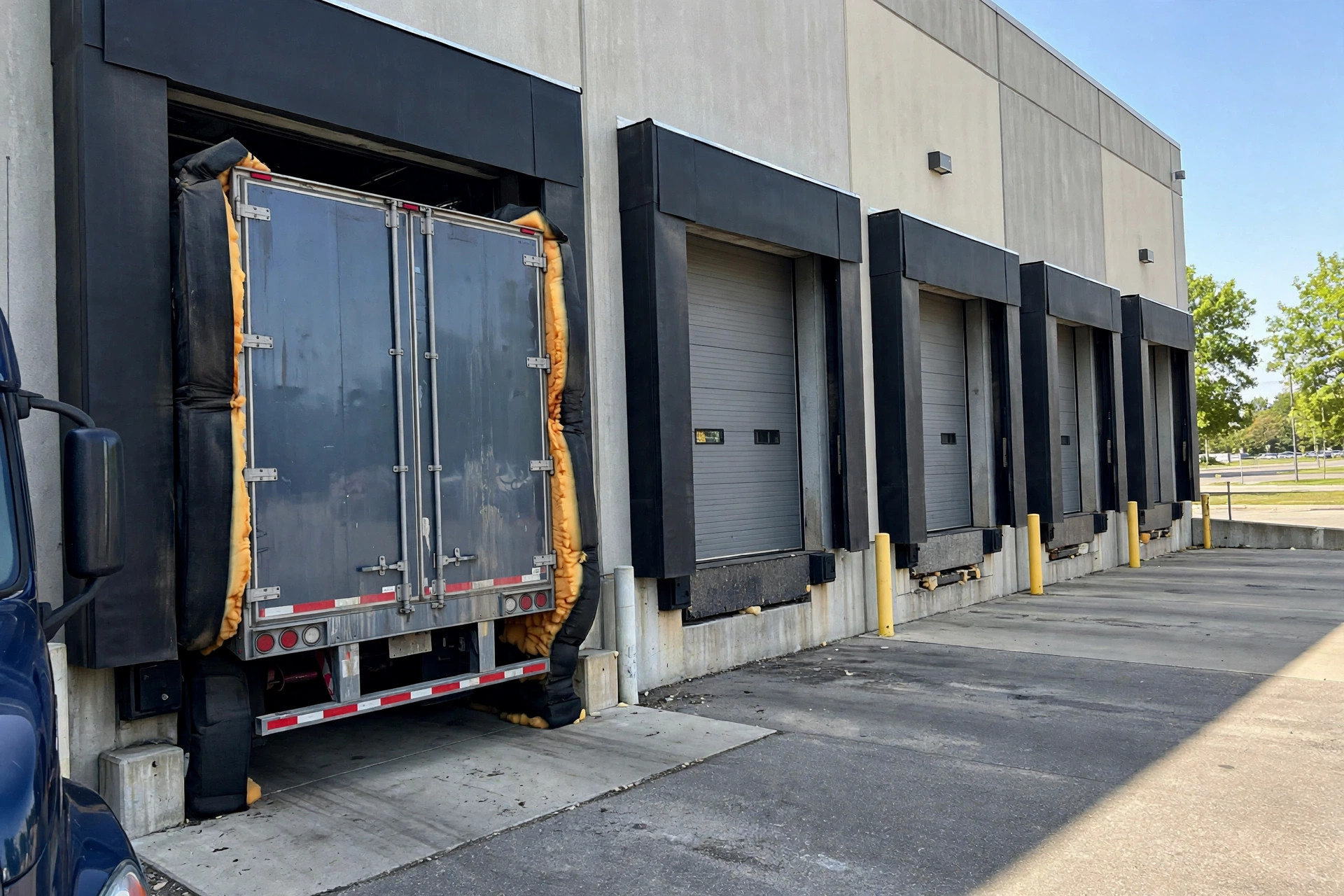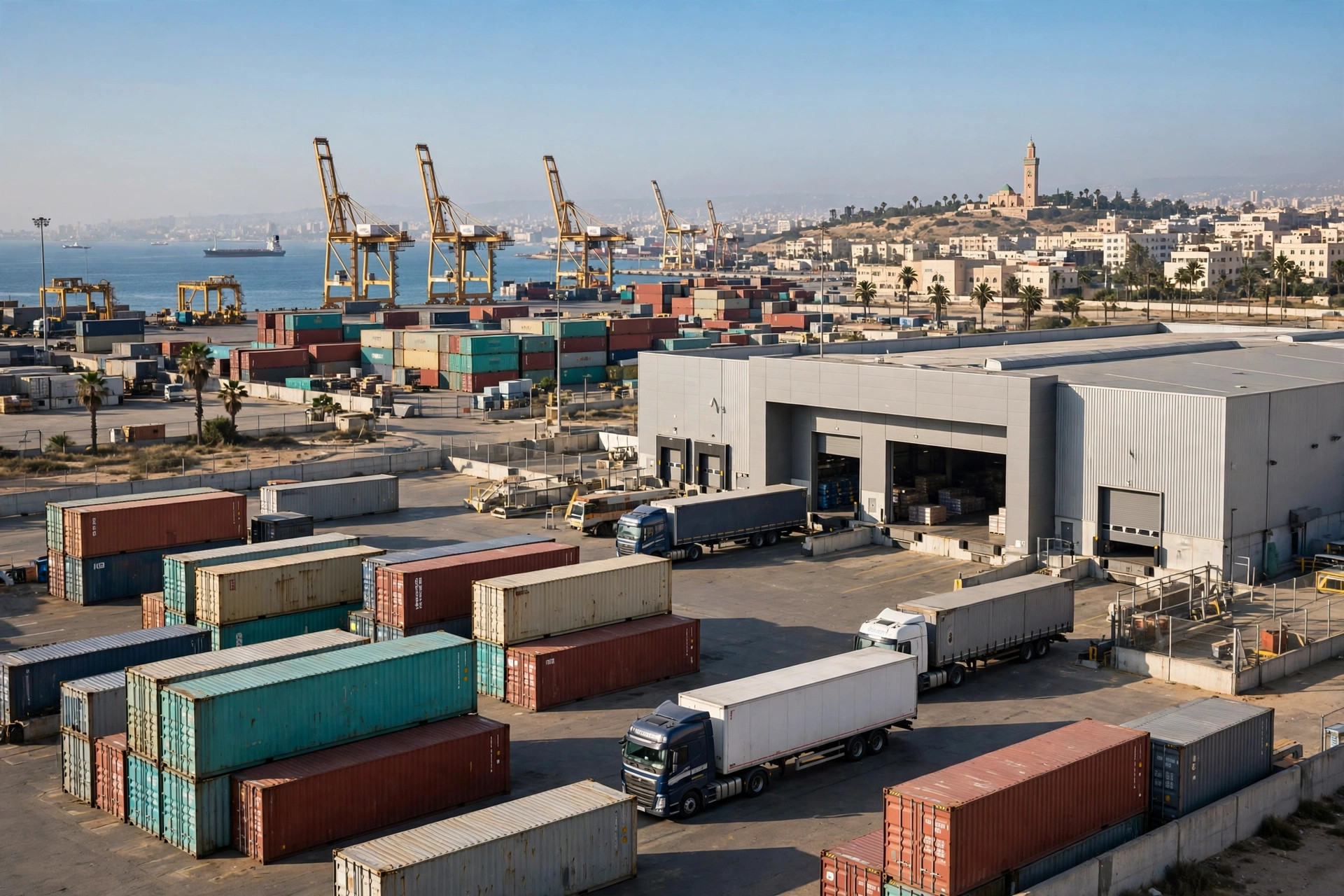
Let me tell you something. After all these years on the road, what I fear most is not a long haul. It is freight arriving somewhere and the warehouse not being ready to take it. On one run near Casablanca, I spent most of a day just getting a container released at the port. By the time I finally pulled the box out, city access restrictions sent me on a long detour, and when I reached the warehouse the dock was still occupied, so the truck just sat at the gate waiting to unload. Sitting in the cab that day, I figured out something simple: the Casablanca warehouse market is not just about renting a big building. It is about whether the port, the city road, and the warehouse handover connect smoothly. If any one of those three links jams, whatever you saved earlier gets paid back later.
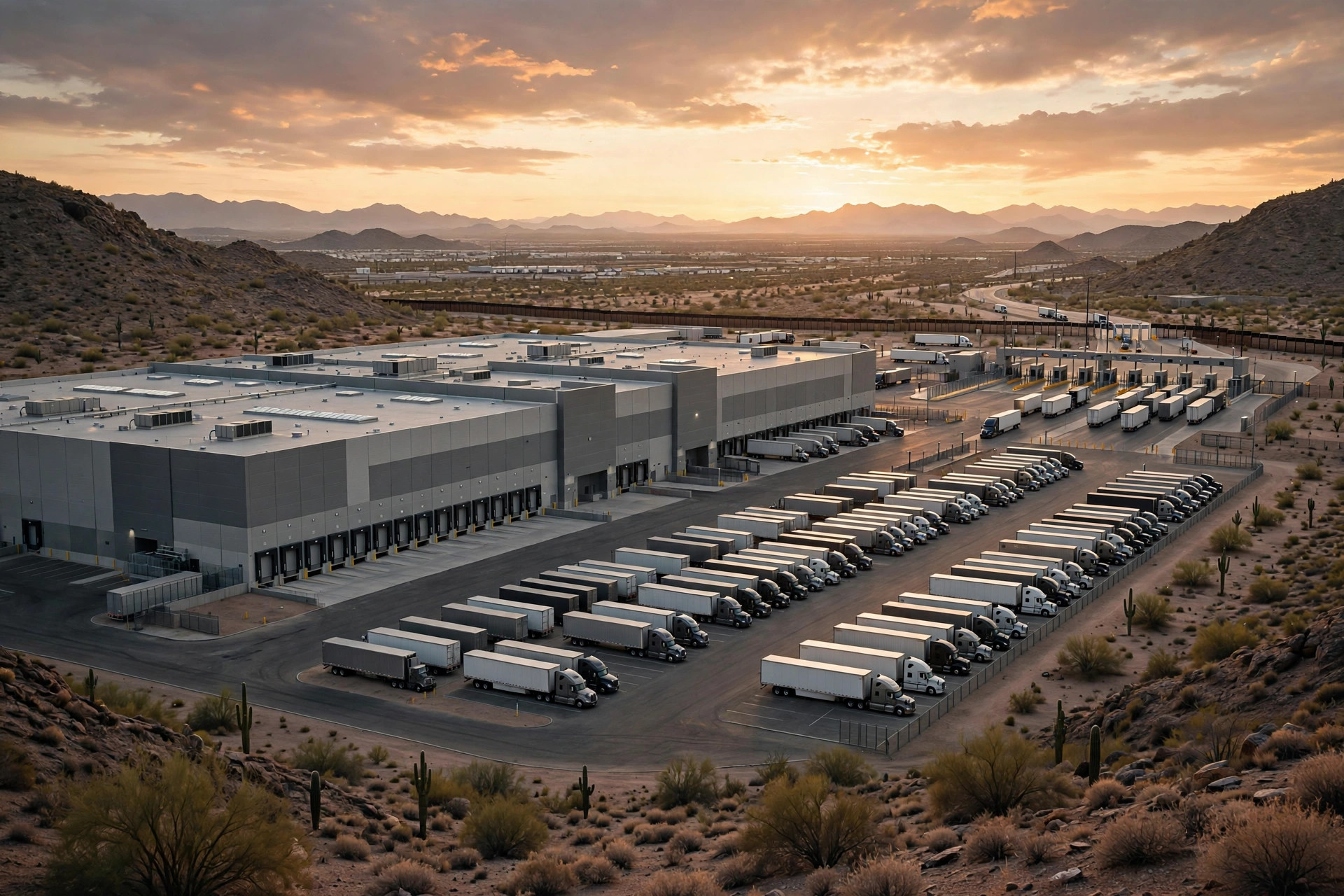
Casablanca is Morocco's commercial capital, and the port, the industrial belt, and suburban warehouses all sit close together in this area. That sounds like an ideal place to set up. But a good location has its own headaches. A warehouse near the port is close to the box, yet the roads are crowded and trucks queue up. A warehouse near the industrial belt is close to supply, yet not necessarily close to your customers. A suburban warehouse has room to breathe, yet every trip adds an extra suburban leg. There is no option that wins on everything. There is only the trade-off you are willing to live with.
Casablanca Warehouse Lesson One: Close to the Port Does Not Mean a Smooth Handover
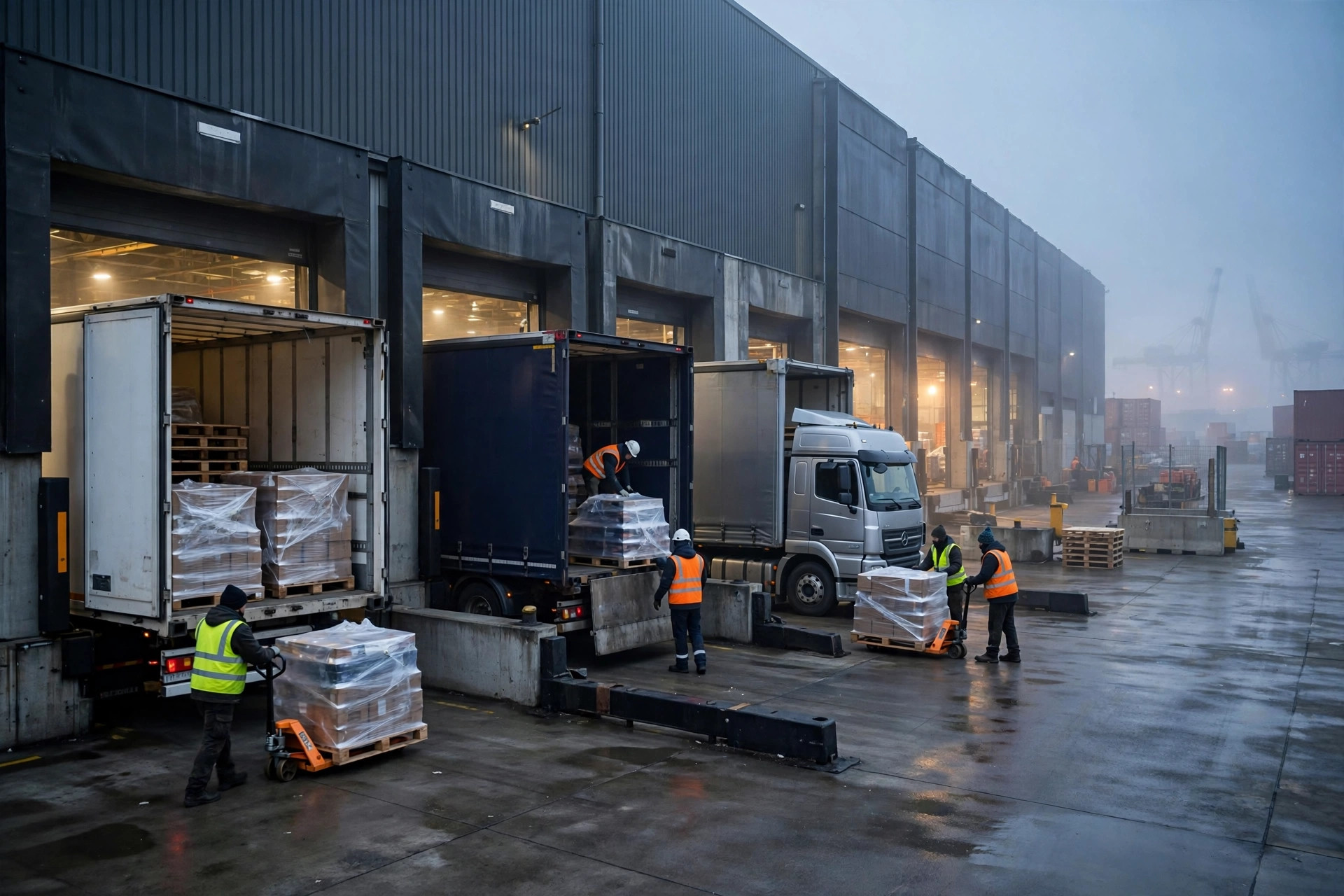
Let me tell you, plenty of people hear "port warehouse" and assume it means fast: the box lands, you pull it, done. That is only half the story. A warehouse near the port is close to the container, but release paperwork, queues, and inspections do not disappear. I once hauled an import load where the vessel had arrived long before and the box was already off the ship, yet the documents and release steps dragged on for more than a day. The truck waited outside, burning driver time, fuel, and parking hassle on a single trip. The box was only a few kilometers from the warehouse, and still the freight could not get onto the dock.
So the math for a port warehouse cannot be distance alone. It has to be the whole handover time: from when the box can be picked up, to when the truck can enter the warehouse, to when the freight is unloaded and put away. Some warehouses sit a little farther from the port but run appointments, docks, and unloading so cleanly that a truck arrives and unloads right away, and on balance they beat the congested site next to the port. After all these years on the road, my rough rule is this: look at the dock and the appointment system before you look at the kilometers to the port. Enough docks and a smooth process keep drivers willing to run the lane, and trucks keep turning.
There is also the matter of city rules. In a big city like Casablanca, heavy trucks face access restrictions and time windows, so drivers have to time their runs carefully, and missing a window means waiting for the next one. If the warehouse sits inside a restricted zone, the truck cannot get in directly, and freight may need an extra transfer outside the zone, adding handling and cost. If the warehouse sits in the suburbs, the city leg is easier to plan, trucks can run off-peak, and receiving times are easier to schedule. So do not just measure the straight line on the map. Walk the driver's timeline: what time can the box be picked up, what time can the truck enter the city, what time can it unload. When that line runs smooth, a port warehouse is genuinely fast.
Port, Industrial Belt, and Suburban Sites: Three Places, Three Ways of Working
Warehouses around Casablanca roughly fall into three kinds of places, and each suits a different kind of work.
A warehouse near the port suits import-heavy, fast-turning freight. The box comes off and goes straight in, and distribution starts quickly, which is great for goods rushing out across the country. But the cost is right there too: crowded roads, tricky pickup and city-access timing, worse queues at peak, and a warehouse rhythm easily dragged around by the port's rhythm.
A warehouse near the industrial belt suits freight whose supply sits nearby. If your suppliers or assembly plants are in that area, goods go from plant to warehouse without an extra linehaul leg, and replenishment is quick. But an industrial-belt warehouse is not necessarily close to your end customers, and if customers are scattered across the country, you still have to price the distribution leg. Close to supply is good, but far from customers pushes distribution cost back up.
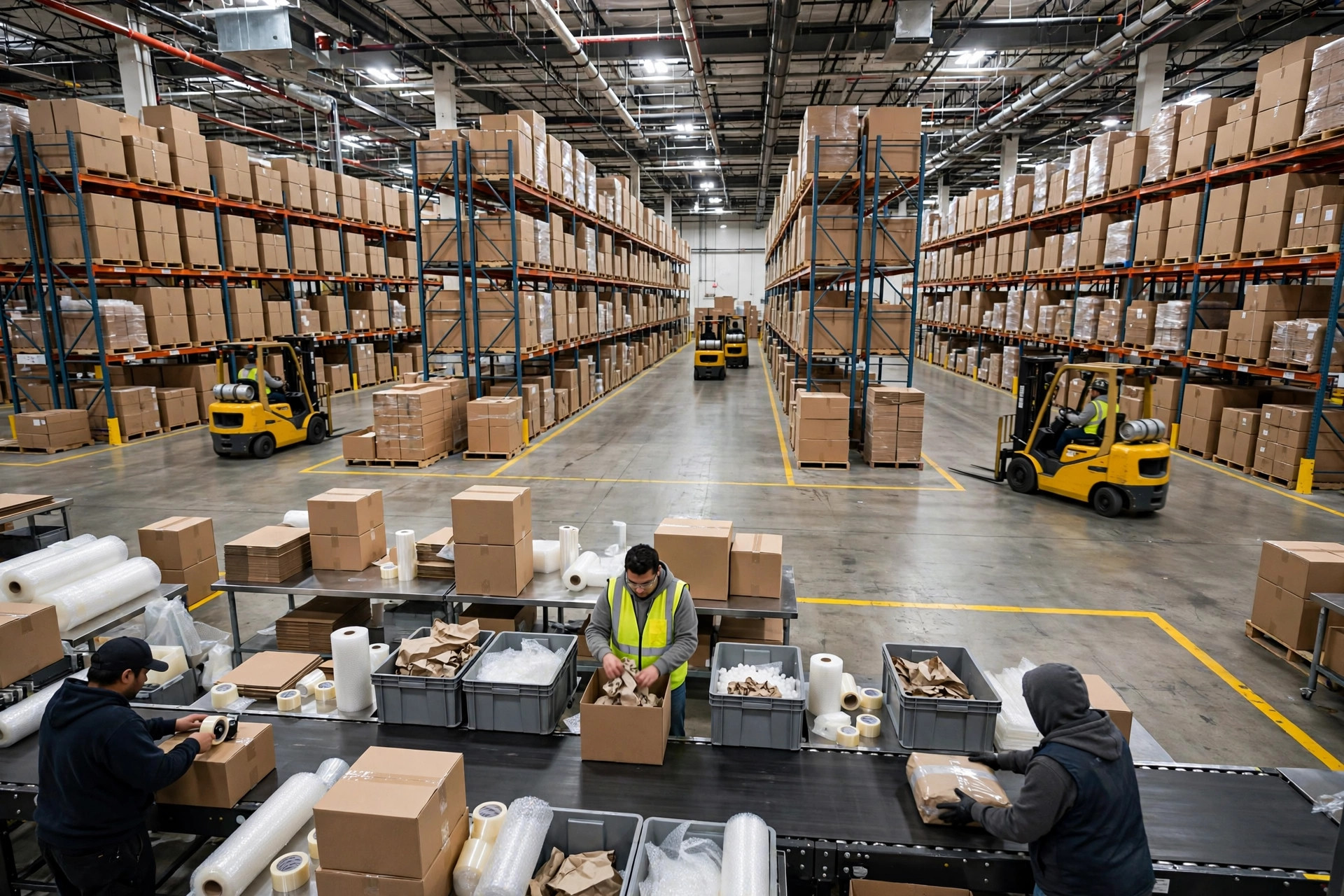
A suburban warehouse has space, docks that are easier to book, and trucks moving in and out without a fight. It suits freight that needs a big footprint and complex handling, such as sorting, palletizing, or light processing. The price is an extra leg on every trip, so service runs a half step slower than a port site. If your freight is not racing the clock and values operating room, a suburban warehouse is often the most comfortable choice. If your freight ships out every day against the clock, that extra suburban leg deserves a hard look.
| Site | Best for | Where it jams | What it buys you |
|---|---|---|---|
| Near the port | Import-heavy, fast-turning freight pushing out nationally | Pickup queues, city restrictions, peak congestion | Close to the box, fast start to distribution |
| Near the industrial belt | Freight supplied nearby, frequent replenishment | Possibly far from end customers, distribution priced again | Close to plants, fast replenishment, short linehaul |
| Suburban | Big footprint, complex handling, freight not racing the clock | An extra leg on every trip, service a half step slower | Room to operate, docks easy to book, trucks turn well |
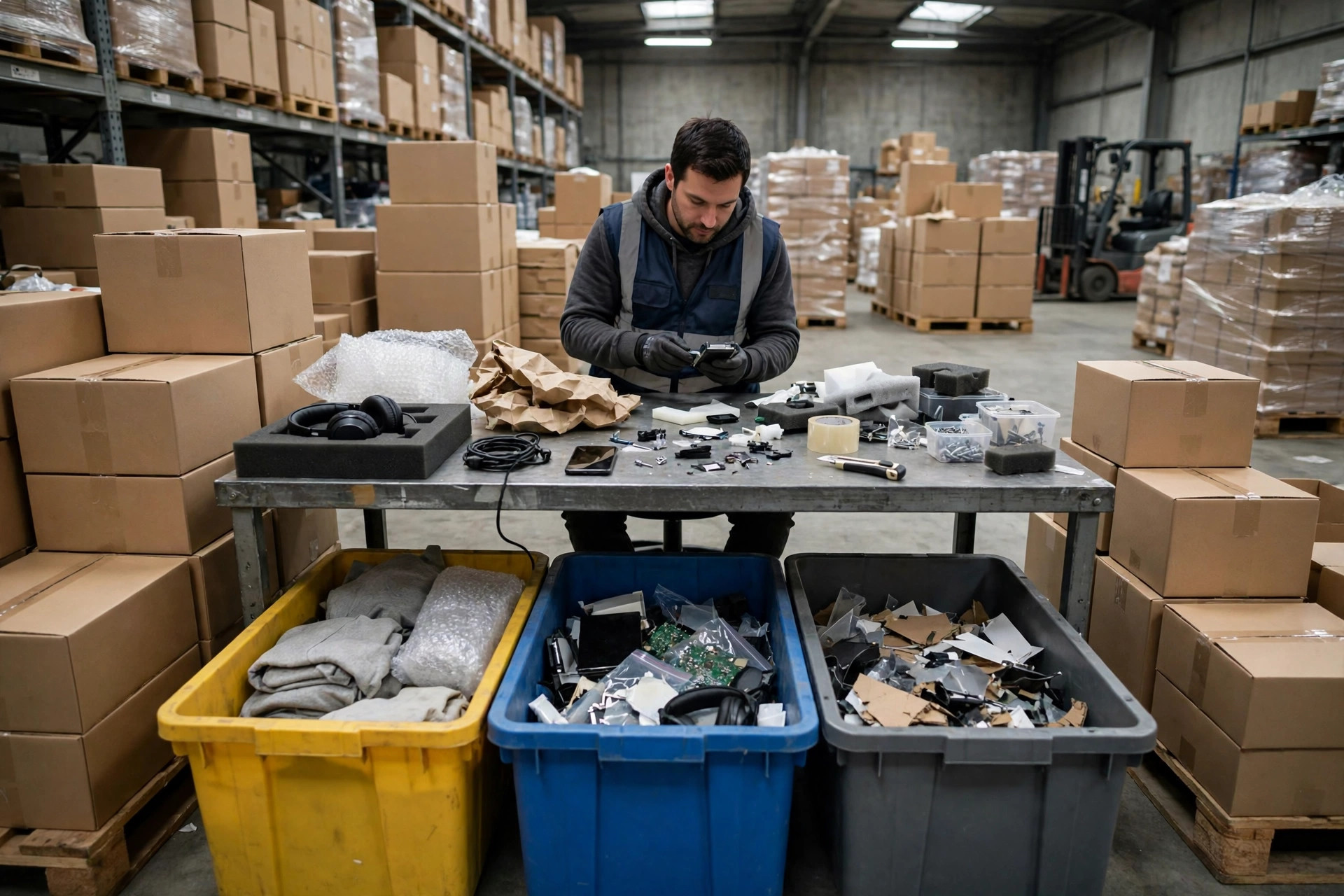
I watched one shipper learn this the hard way. Drawn by a port site's closeness to the box, they put freight needing heavy sorting and palletizing into a tight port-side warehouse. Docks were fought over every day, operations had no room to spread out, trucks queued at the gate and freight queued inside, and both ends jammed. Later they moved sorting and palletizing to a suburban warehouse and kept only fast in-and-out freight at the port site, and both sides suddenly ran smooth. What does that tell you? A warehouse is not better for being bigger or closer. The work has to match the building: fast freight goes to the fast place, heavy work goes to the roomy place.
Plain Advice for Shippers and Warehouses: Run the Lane Before You Sign
After all these years on the road, my advice to shippers and warehouses comes down to one thing: before you sign, run the whole lane with a real shipment. Not on a map, but with an actual load: from box pickup, through city access, into warehouse receiving, unloading, putaway, and outbound, noting how long each step takes, where it sticks, and who waits on whom. Run that trip once, and which warehouse fits will be mostly clear.
A few more plain words. First, rent and labor figures change every year from place to place, so confirm them against the latest local quotations and do not plan this year around last year's numbers. Second, do not bet all your freight on one warehouse. Pair a port site with a suburban site, fast freight through the fast warehouse, heavy work through the roomy one, and the risk spreads out too. Third, when you talk to a warehouse, do not only talk rent. Ask how dock appointments work, what unloading turnaround is promised, and how waiting time is charged, and get it in writing. Every hour a driver waits empty at the gate is real money.
Casablanca brings the port, the industrial belt, and suburban warehouses together, and that is a base that can serve North Africa distribution and nearshore flows toward Europe as well. But however good the base looks, it comes down to your freight: which road it travels, whether it races the clock, and how heavy the handling is. There is an old saying that fits here: the best warehouse is not the one closest to the port. It is the one that lets your freight run smooth all the way through. When the road runs smooth, the math runs smooth too.
By Shifu Zhao, Trucking Veteran (15 yrs)