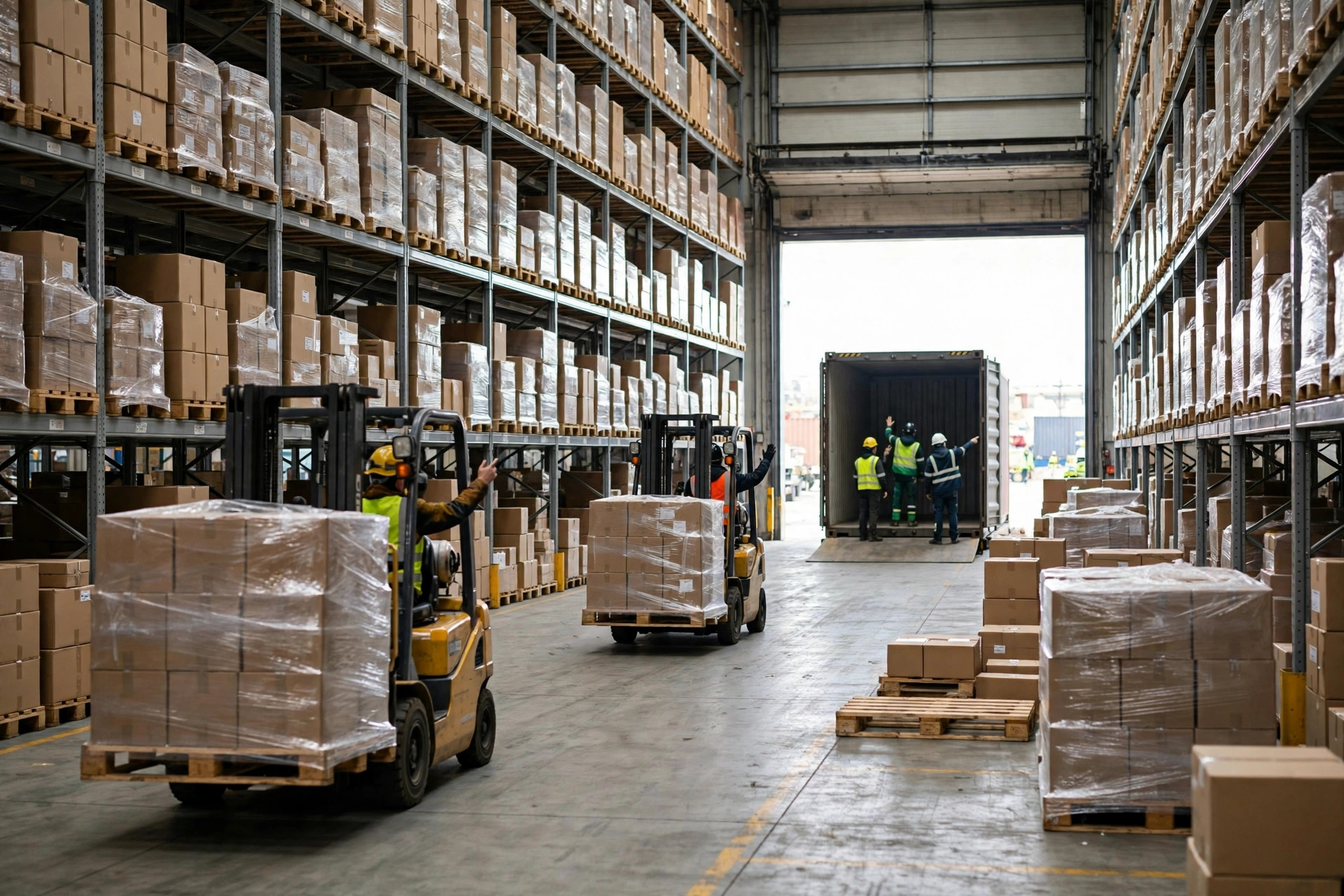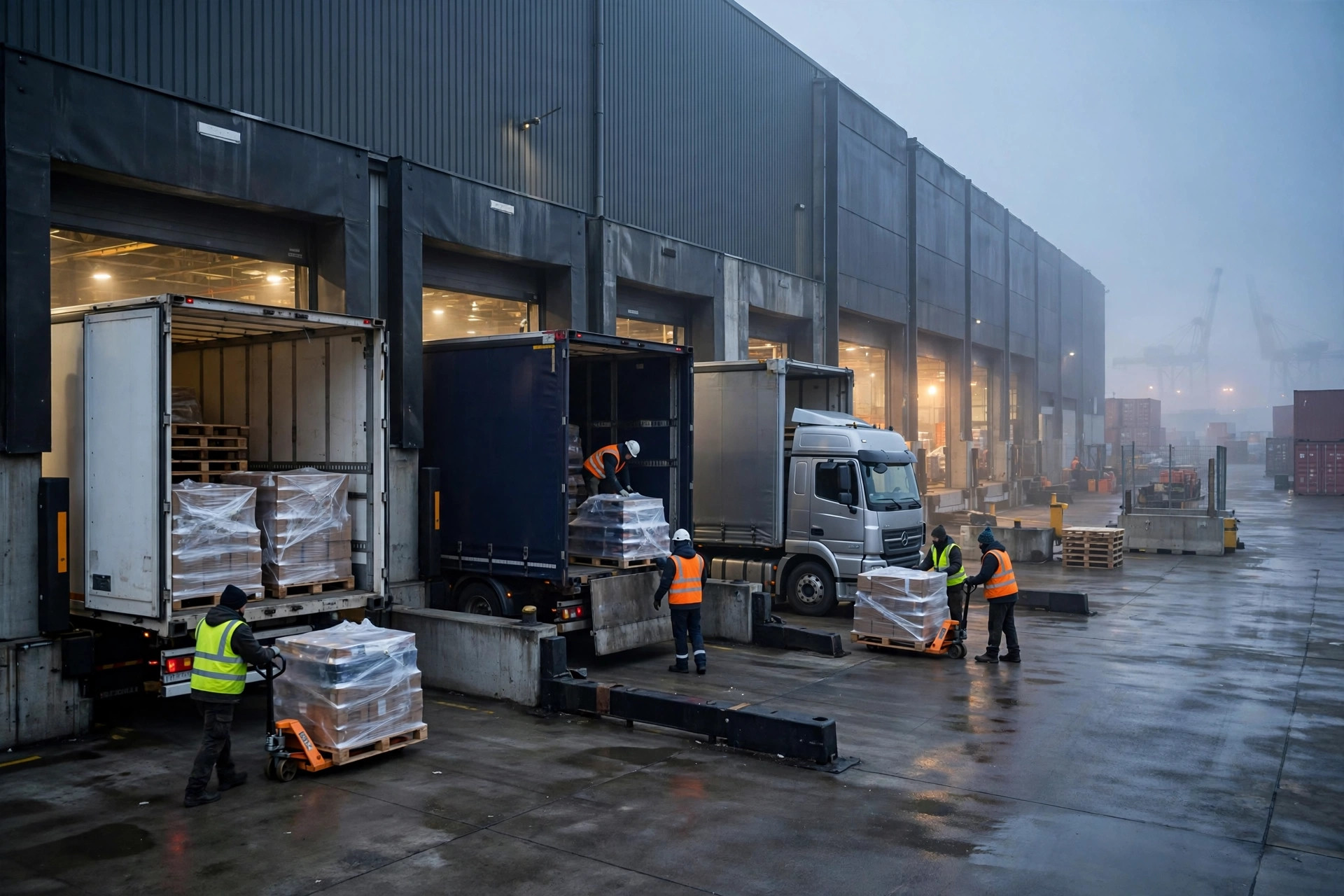
Listen. Fifteen years behind the wheel, and I can tell you one thing for free: nobody calls a trucker at 9 p.m. with good news. A cross-warehouse transfer — East Coast warehouse bursting at the seams while the West Coast warehouse sits on pallets of stock — always comes in hot. Always at night. Always "can you roll tomorrow?"
Late September this year, peak season breathing down everyone's neck, my phone lit up at half past nine on a Tuesday. A cross-border seller in home storage, voice cracking: "Shifu, help! My Edison, New Jersey warehouse is bursting — shelves are empty, Amazon and Shopify orders can't ship. But I've got thirty-some pallets sitting in Ontario, California. Can you get them over to me?"
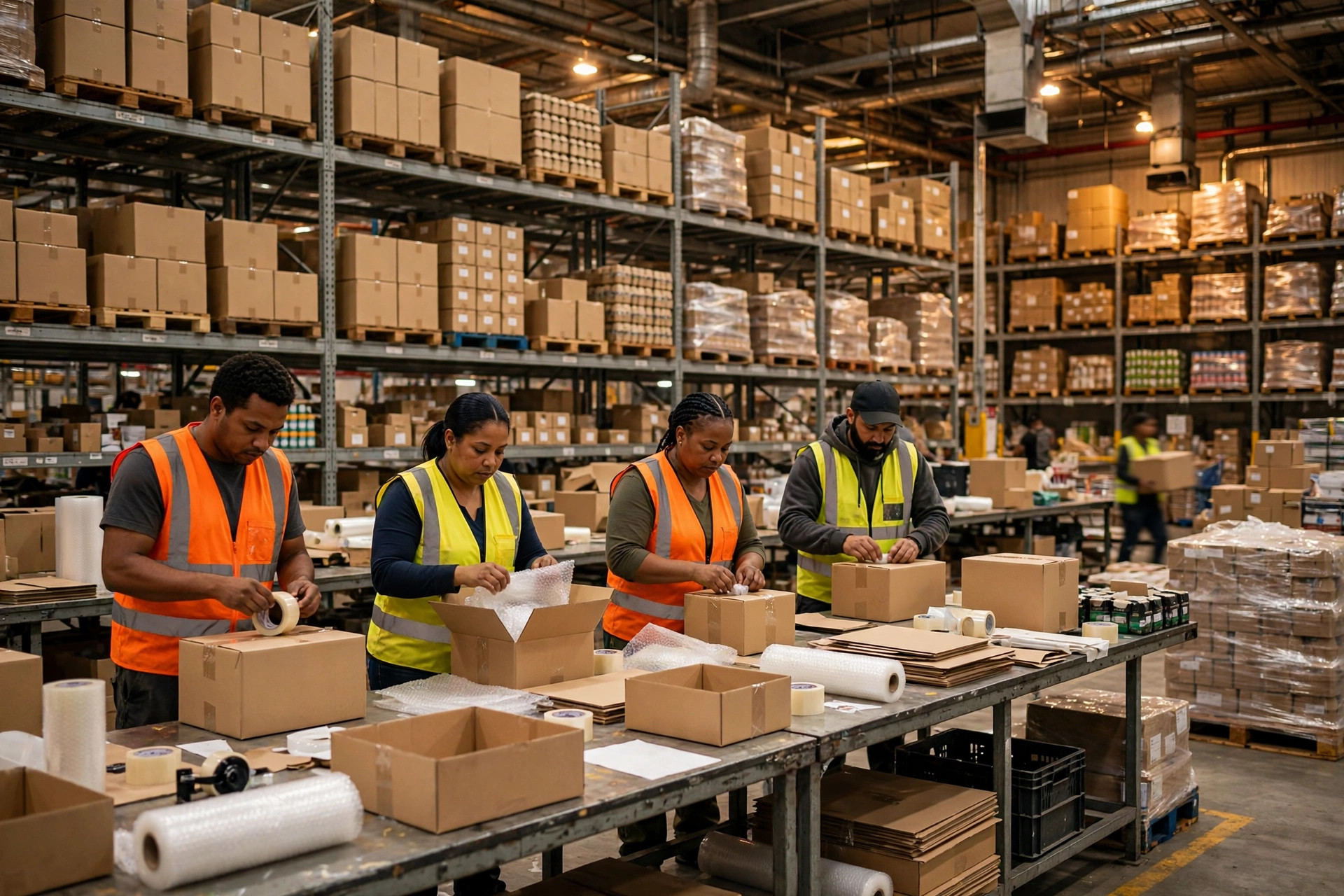
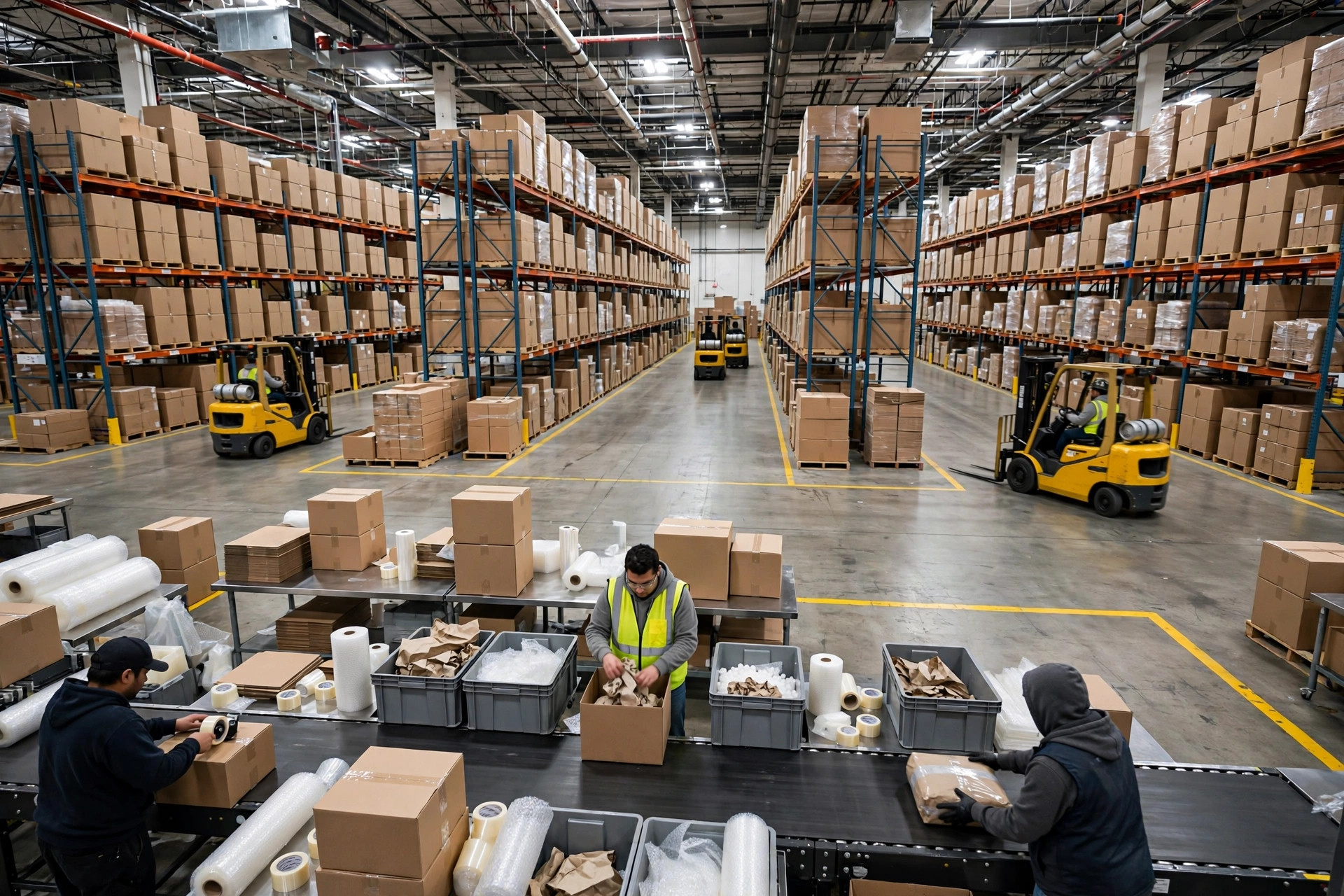
Wednesday morning I was at the Ontario warehouse when the doors opened: 32 pallets, SKUs triple-checked, one 53-foot dry van, seal on, rolling east. Ontario to Edison is nearly 2,700 miles of driving — clear across the continent. Federal rules give a solo driver 11 hours a day — 500–600 miles — so solo, that's a 5- to 6-day run. The seller couldn't wait, so he paid up for team drivers — truck never stops — and we made it in just over 3 days.
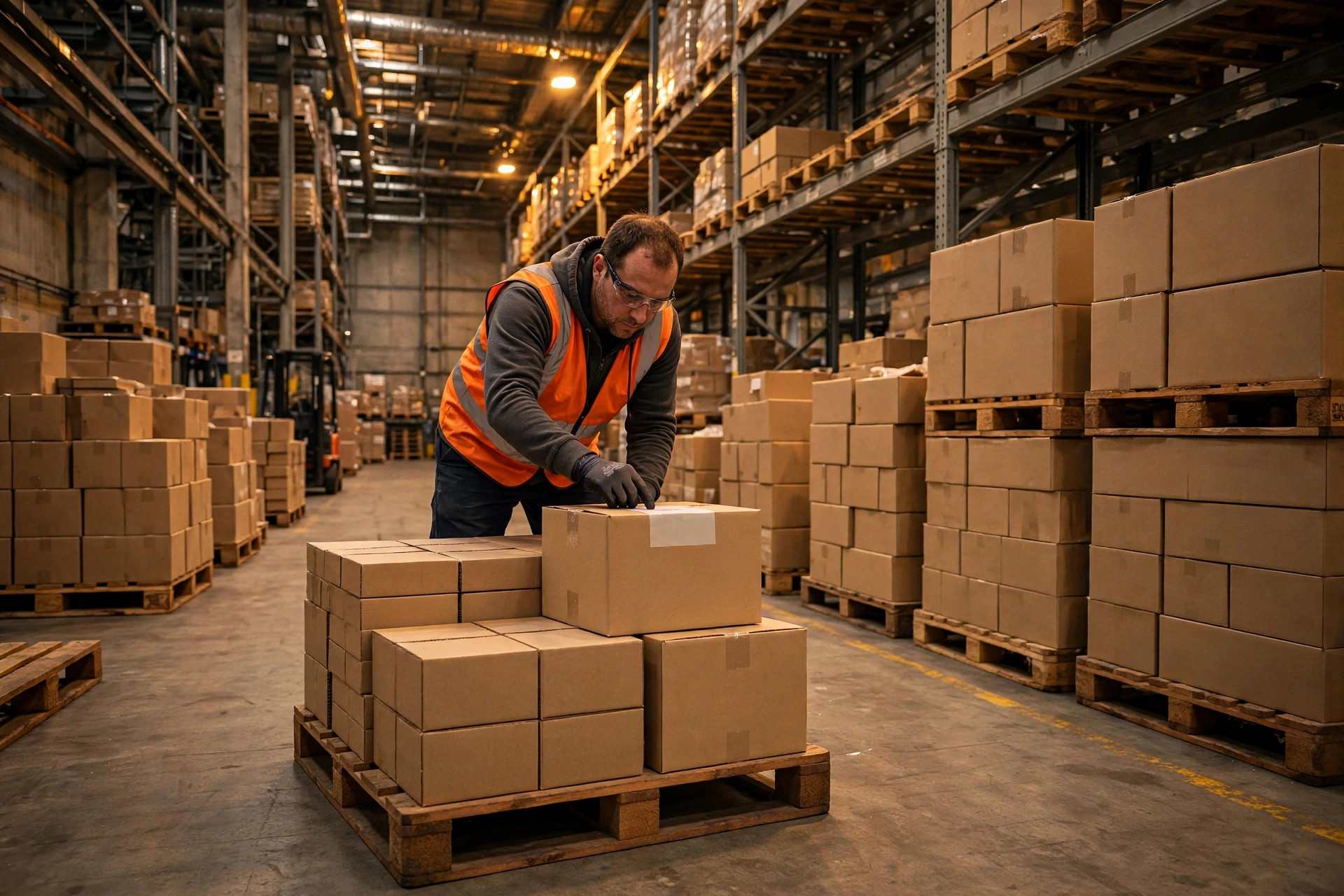
Monday, 7 a.m., I'm parked at the Edison warehouse with four or five trucks already lined up for unloading. When the last pallet came off, the seller exhaled into the phone: "Two more days and I'd have missed the whole pre-Black-Friday traffic wave." The freight bill? At today's dry-van rates — DAT's September national spot average ran a little over $3 a mile — 2,700 miles pencils out to somewhere past eight grand. (Lane quotes move around; get your carrier's actual number.) The seller didn't blink. "A week of stockout would've cost me a lot more than that," he said.
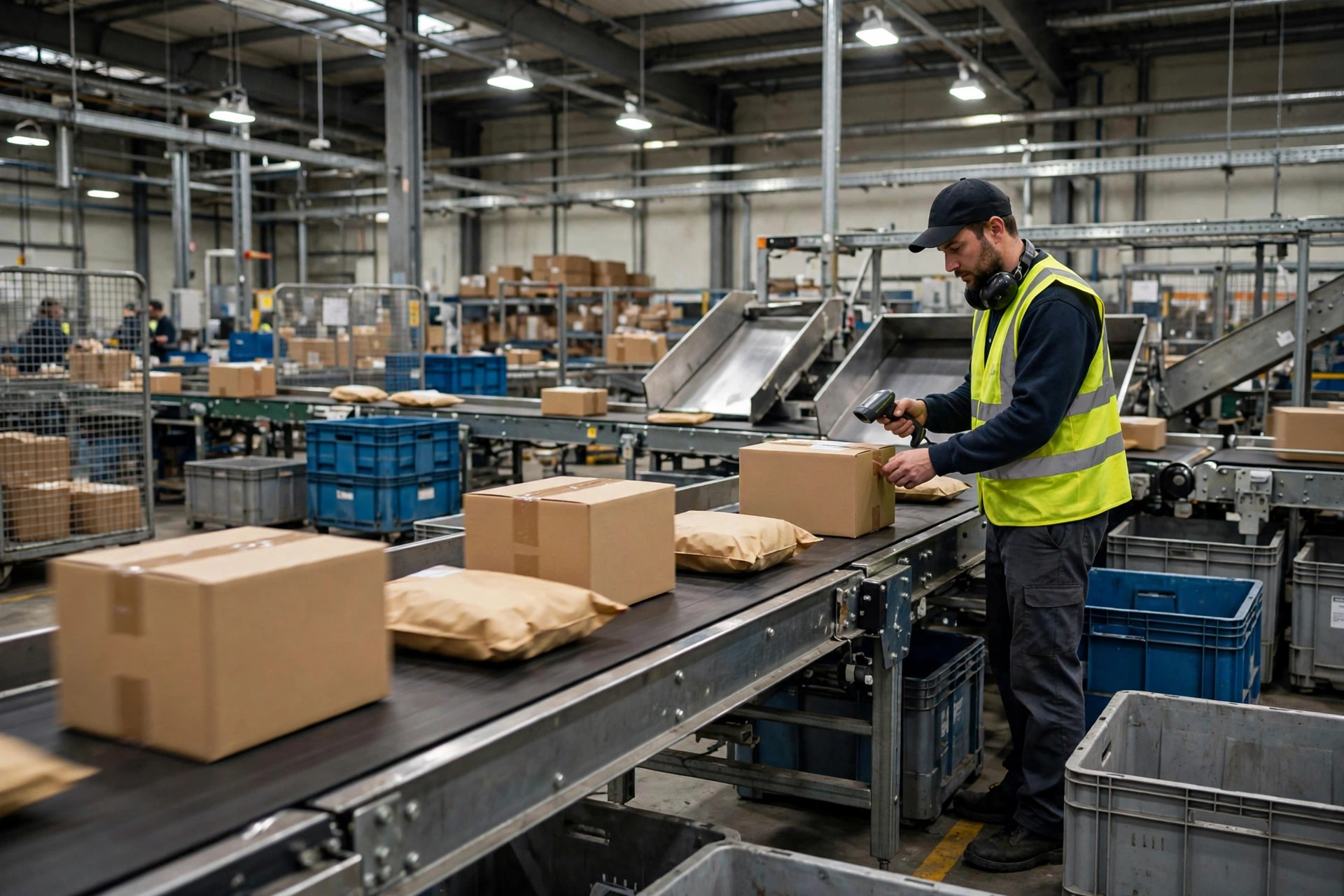
Then there was the other guy, last year. Same east-west shuffle, different playbook: he went LTL to save money. Four pallets, Ontario to New Jersey. LTL freight rides the hub-and-spoke network — two or three terminal handoffs, and the old rule of thumb adds 2–3 days over truckload transit on a long haul like that. Eleven days on the road. And when it finally reached Edison, the warehouse was bursting — two more days in the unloading queue. The freight arrived. The first peak-season wave didn't wait for it. "What I saved on freight," he told me later, "wouldn't cover what I lost those few days."
And the extreme case: a seller who shipped hundreds of small packages one by one from California to New Jersey. Each parcel looked cheap; added up, it cost way more than a full truck. Parcels are for dozens of units in a pinch, not for palletized freight.
When a Cross-Warehouse Transfer Pays — and When It Burns Money
Here's what all those midnight runs taught me: a transfer isn't a cure-all. It comes down to three things — how much freight, how many days you've got, and what a day of stockout costs you:
| Mode | Transit (CA to NJ) | Cost scale | When it fits | | Full truckload, direct | 5–6 days solo, 3–4 days team | Per-mile × distance; about $3/mile at current rates | 10+ pallets, full rescue load | | LTL | 8–12 days, 2–3 terminal handoffs | Usually cheaper than FTL for 1–6 pallets; priced per pallet or dimensional weight | Small volume, no rush, routine replenishment | | Parcel (UPS Ground etc.) | 4–5 business days | Per piece — priciest per unit at volume | Dozens of units, tiny emergency top-up | | Ocean restock from China | 3+ weeks incl. customs and delivery | Cheapest | Planned replenishment, no deadline pressure | | Air restock | 5–7 days | Most expensive | High-value, small-cube emergency |
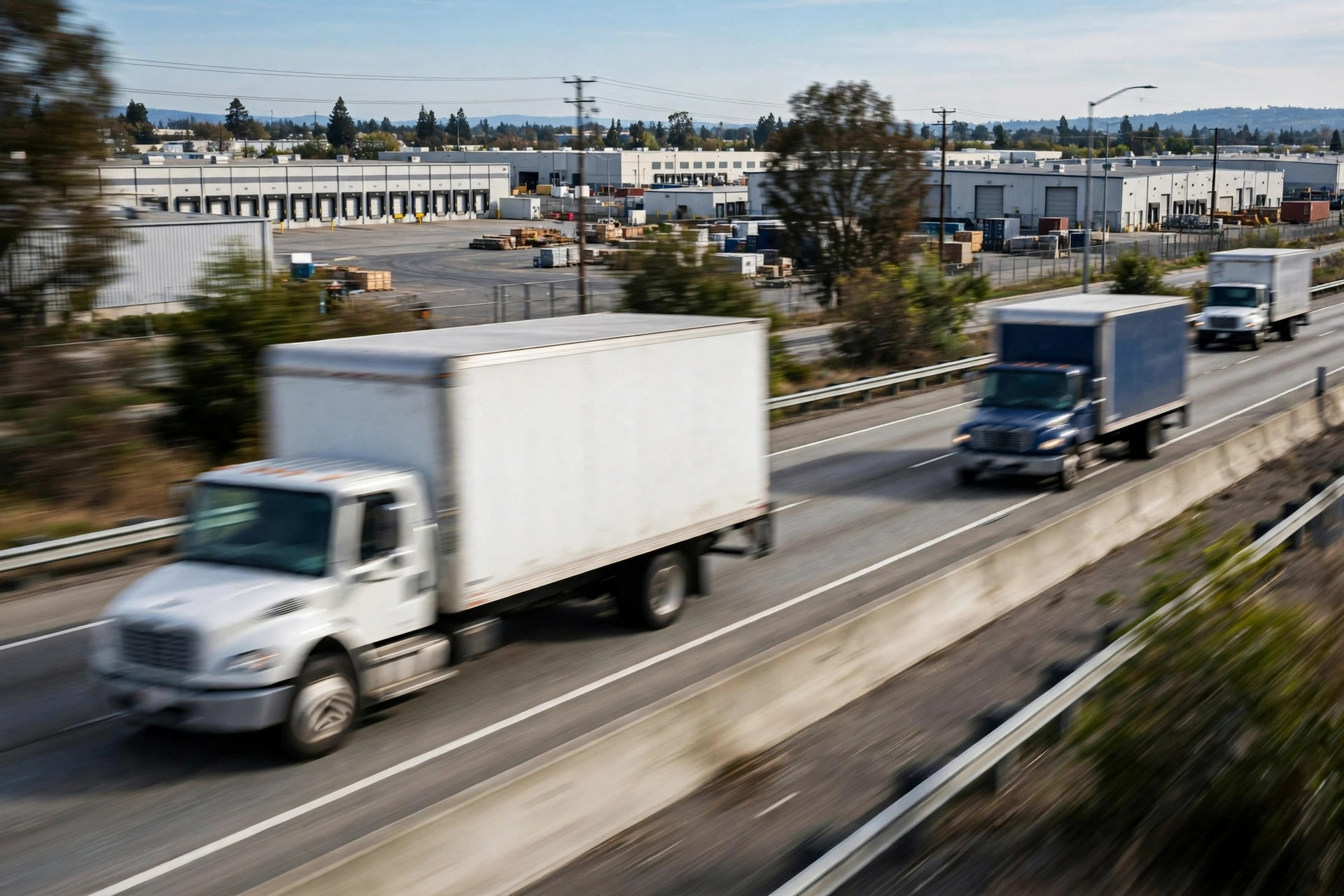
Now the counter-intuitive part, and sellers, listen up: when a warehouse bursts, the most expensive thing isn't the freight — it's inventory sitting in the wrong place. You're burning money twice: storage fees where the freight sits, and lost orders plus slipping rankings where it's needed. That transfer bill looks scary, but it's the cheapest money in the whole mess, because what it buys is time. Eight grand-plus for a truck buys you no stockout and no ranking slide.
Second counter-intuitive truth: the full truck looks expensive until you divide it. Spread across pallets and units, a full truckload often beats LTL and parcel on unit cost. "Expensive" and "cheap" aren't about the total — they're about the cost per unit. Thirty-two pallets on one truck works out to a couple hundred dollars a pallet. Four pallets on LTL looks cheaper per pallet, but miss the peak wave and the loss isn't measured in freight dollars.
And when should you NOT transfer, and just restock from China instead? Simple: peak season is still far off, the West Coast warehouse doesn't have enough to split two ways, or the transfer can't make the selling window anyway. Then don't bother — put it on the ocean. Transfers are firefighting, not operations. If you're firefighting every day, your warehouse footprint was laid out wrong to begin with.
Three Traps in Overseas Warehouse Transfers
Trap one: the paperwork in the system. A transfer isn't done when the freight's on the truck. Warehouse A books a transfer outbound, warehouse B books a transfer inbound, and freight in motion sits in its own in-transit inventory bucket — skip any of that and neither side's books balance, and month-end cycle counts turn into tears. Worst one I saw: the seller told both warehouses over a voice message. Warehouse A wrote it off as shipped; warehouse B never got the instruction; the freight sat in the unloading zone for three days with nobody claiming it. Transfer instructions go in writing — transfer order number, pallet count, piece count, SKUs. Every field, no voice messages.
Trap two: FBA inventory doesn't transfer. Once your freight is inside Amazon's network, Amazon decides how it splits across fulfillment centers — sellers can't order a move from a California FC to a New Jersey FC. Want fewer inbound splits? There's an inbound placement fee, a few dozen cents per standard-size unit (check Seller Central for the current rate card). Want freight OUT of FBA? That's a removal order — Amazon ships it back to you, you pay again, and it takes time. So before anything else, know where your freight lives: third-party overseas warehouse, the transfer is your call; FBA warehouse, a cross-warehouse transfer is basically a dead end.
Trap three: state taxes. The moment your freight lands in a warehouse in a given state, plenty of states treat that as sales-tax nexus — and every state writes its own rules. Move freight from California to New Jersey and you may have added a state to your filing list. I don't do tax advice; mine is one sentence: ask your accountant before you transfer, not after the tax bill shows up.
How to Lay Out Multi-Warehouse Inventory Before Peak Season
Enough firefighting stories — here's how to not need them. Every September and October my phone blows up with last-minute panic. The pre-peak playbook is four sentences:
One: don't put all your eggs in one warehouse. East Coast plus West Coast at minimum, split by where your orders actually come from — 60/40, 70/30, whatever your history says. The East Coast is dense with buyers; the West Coast sits near the ports for fast replenishment. Stock on both sides and you sleep better.
Two: have freight in place 6–8 weeks before peak. Don't start thinking about replenishment two weeks before Black Friday — by then the whole country is fighting over trucks, rates are through the roof, and money can't always buy you a truck.
Three: line up your transfer carriers ahead of time. Keep the dedicated lane driver's number in your phone; nail down rates and transit expectations early. Calling around for a truck during a stockout means paying double — if anyone picks up at all in peak season.
Four: write down a transfer SOP and stick it on the wall — who can authorize a transfer, how the paperwork flows, who tracks it in transit, who receives it. SOPs look fussy on a quiet day. On a bursting day, they save lives.
Fifteen years on the road taught me this much: freight rolling, mind at ease; freight sitting in the wrong place, not even the gods can help. An overseas warehouse transfer never really moves freight — it moves time. Lay inventory out right before peak season and it beats big-money firefighting by a mile. Remember: slow is fine. Standing still is what kills you.
By Shifu Zhao, Trucking Veteran (15 yrs)