Here is a scene every warehouse manager knows. A carton leaves the packing bench looking perfectly sealed, and it arrives with the top flaps gaping open, product exposed, and the customer asking what happened. I run a carton seal integrity test warehouse check the same way every time: I do not start with the tape. I start with the carton surface. In my experience, most seal failures are decided minutes before the tape is ever applied, by dust, board quality, and temperature that nobody on the bench was watching.
Think of pressure-sensitive tape like a bandage on dusty skin. The adhesive does not weld anything. It has to flow under pressure, wet the surface, and grip the paper fibers underneath. If a fine layer of dust sits on the board, the tape grips the dust, not the carton. It holds on the bench, survives the first conveyor ride, and then lets go after a few hours of vibration and temperature swings in a truck. Recycled board adds a second problem. Its fibers are shorter, its surface sizing is less consistent, and one batch can feel smooth while the next feels powdery. The same roll of tape can perform well on Monday's cartons and badly on Wednesday's, and the operator gets blamed for a materials problem.
Cold is the third quiet culprit. Pressure-sensitive adhesive stiffens in the cold and flows poorly, so it never fully wets the surface. It is like pressing a sticker onto a cold metal door in winter: it looks attached until the door slams. Loading docks, unheated corners, and cold-store transfer areas are classic spots for this. I will not quote adhesive values here: follow the tape maker's stated application conditions and current test standards, then verify in your own building.
carton seal failure modes: dust, recycled board, and cold
To make this concrete, consider a hypothetical example, clearly not a real customer case. Hypothetical example: a night shift reports a run of lifting tape edges and assumes a bad batch of tape. Before returning anything, the supervisor splits the work in two. Half the cartons get a quick dry wipe along the seam before sealing, half are sealed as usual. The wiped half shows far fewer lifted edges, while the untreated half keeps failing. The tape was innocent. Dust from evening sweeping and floor traffic had settled on the stacked blanks, and nobody had connected cleaning time with sealing time. The lesson is simple and a little uncomfortable: rule out the environment before you blame the material, or you will pay for new tape and keep the same failures.
Single-strip sealing versus H-sealing is the next decision, and it is a risk decision, not a prestige decision. A single center strip is fast and economical, and it is entirely adequate for light cartons, short trips, and loads that are well blocked inside. H-sealing adds tape across both end seams, using more material and a few more seconds per carton. That extra redundancy earns its keep when cartons are heavy, routes involve multiple transfers, flaps do not meet evenly, or the claim cost of one failure is high. It is like strapping a suitcase: one strap is fine for a car ride, a cross pattern makes sense for a long flight with several handlers.
Here is the counterintuitive part. More tape on the same seam is not stronger. Stacking a second or third strip over the center seam means the top strip is sticking to the smooth back of the strip below it, not to paper, and the built-up ridge stops the pressure roller from seating any of it properly. If you need more security, keep one strip flat and well pressed, then add the H-seal end strips. Redundancy across different seams beats layers on one seam every time.
| Shipment profile | Recommended seal | Why |
|---|---|---|
| Light goods, local delivery, well blocked inside | Single center strip | Low stress, speed and material win |
| Medium weight, inter-warehouse transfer | Center strip plus end tabs | Guards against edge lift |
| Heavy goods, long multi-leg route | Full H-seal | Three seams share the load |
| Soft or uneven recycled cartons | H-seal with firm pressure | Fixes contact before adhesion |
| High value or fragile goods | H-seal plus sampled checks | Seal method plus verification |
integrity test basics: peel, hang, and drop checks you can run today
You do not need a laboratory slot to run a useful carton seal integrity test warehouse routine at the bench. You need fixed conditions, a notebook, and the discipline to repeat the same actions every time. A test that changes method every shift produces arguments, not data.
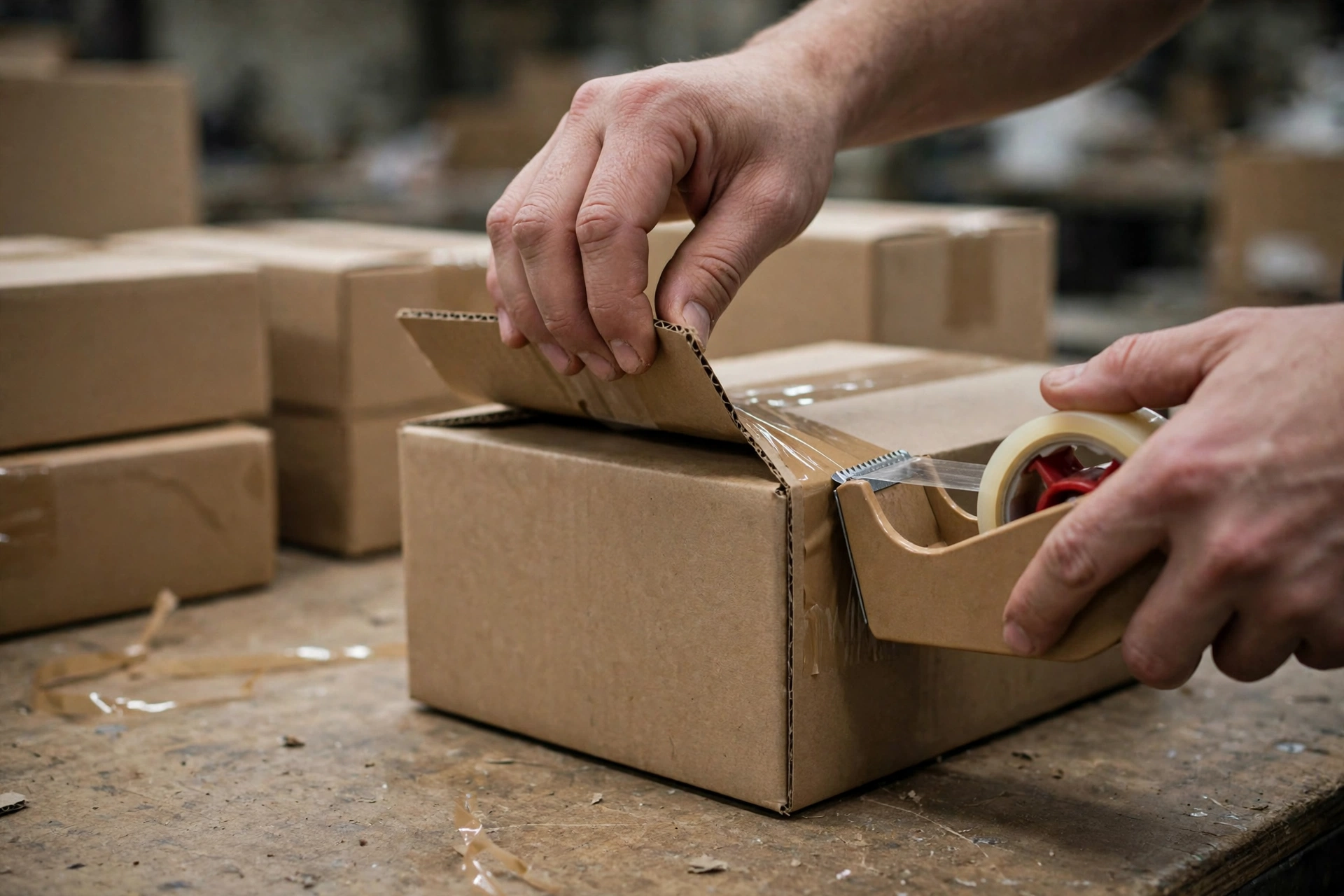
The peel check comes first. Seal the carton, let it sit for a short, consistent period, then lift a corner of the tape. If it releases cleanly and smoothly, it was only holding the surface layer, which points back to dust or cold. If it tears paper fibers as it comes away, the adhesive had genuinely gripped the board. The hang check covers slow failure. Fill the carton with a standard load, seal it, and hold or suspend it inverted for a set period. Watch whether the seam creeps open gradually. Many field failures are exactly this creep: fine at dispatch, open six hours later. The drop check reproduces handling. Drop the sealed carton on a corner, an edge, and a face from your normal handling height, then inspect the seam before you open the box. For any formal acceptance or customer commitment, use the customer's requirements and current test standards; these bench checks are for internal comparison, and they are very good at that job.
A second illustration, again a scenario sketch rather than a real account, shows why location matters. Scenario sketch: before a peak sale, a packing station is moved next to a roller door to gain space. Output doubles, and within days scattered burst cartons appear. Instead of changing tape, the team moves the station back inside, lets incoming cartons warm up before sealing, and adds a quick seam wipe. Complaints fall back to normal. The tape never changed. The temperature and dust around the bench did, and the seal quality followed the bench, not the buying decision.
Record every check in one line: date, carton batch, tape batch, and result. After a month, the pattern shows which board batch is fragile.
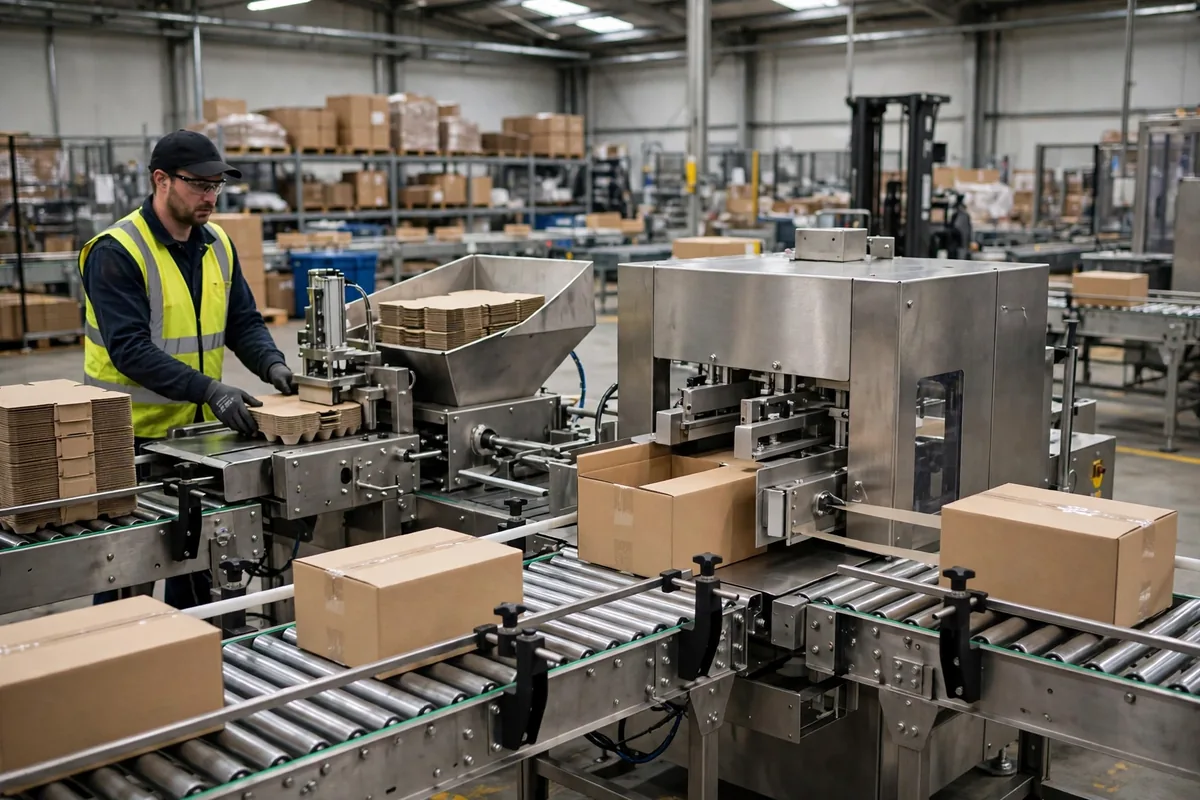
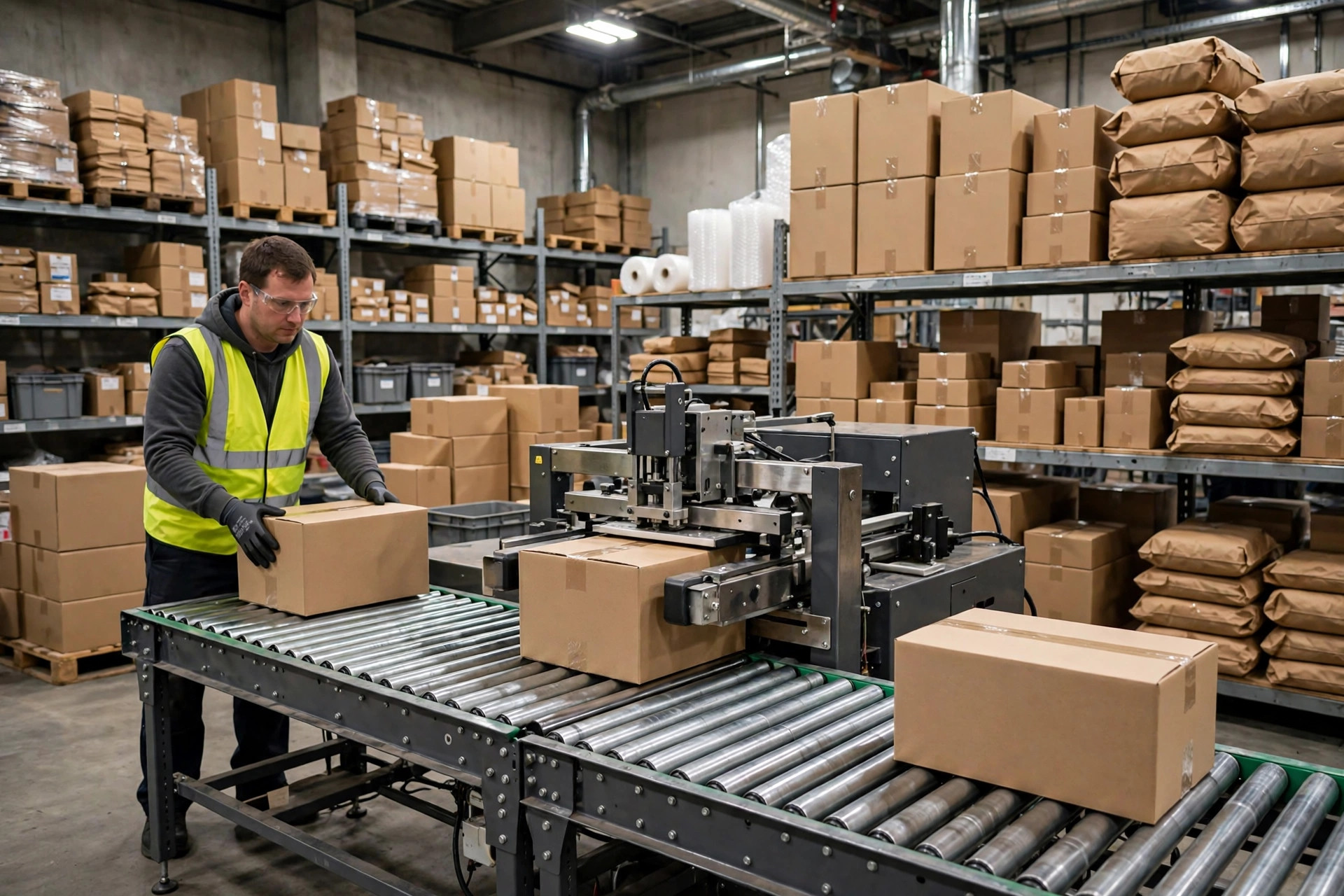
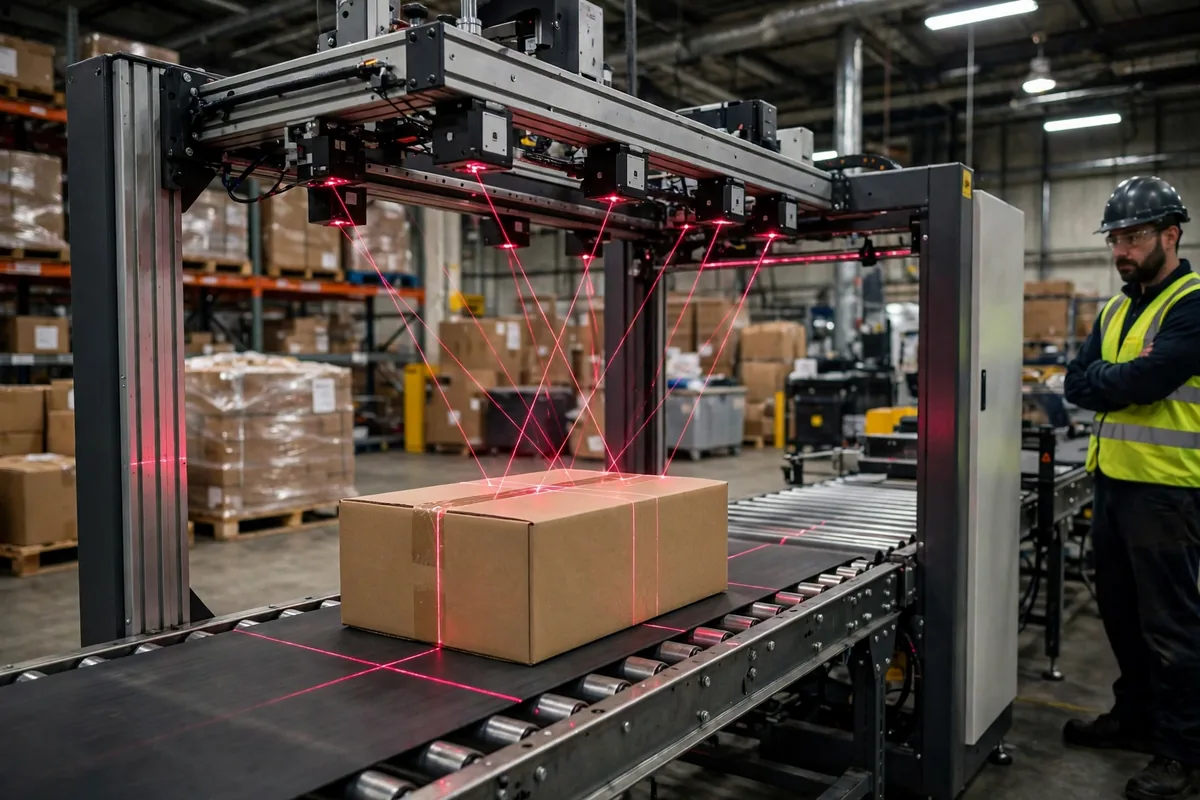
Machine sealing deserves the same skepticism. A case sealer does two things: place the tape straight and press it home. A worn or glue-fouled pressure roller, weak springs, unstable tape tension, or a head height set for a different carton size will leave tape merely resting on the surface. It looks sealed and it is not. My routine is unglamorous: run a few empty cartons at shift start and check for an even pressure track, clean the rollers weekly, and rerun the bench checks whenever the carton type or tape batch changes.
Finally, do the claim math honestly, using your own figures. A burst carton costs far more than re-taping: product damage or a return, freight both ways, customer service and rework time, and sometimes contamination of neighboring parcels if liquids or fragile goods escape. Take a hypothetical calculation only as a template: multiply your monthly burst-related returns by your own average handling cost per return, then compare that total with the added tape, H-sealing time, and sampling time needed to prevent it. If prevention is clearly cheaper, upgrade. If failures are genuinely rare and cheap, keep the single strip and stop feeling guilty.
So, is the extra spend worth it? Look at one number: your monthly burst-carton return and rework cost divided by shipments. If that unit cost is creeping up, do not buy a new machine first. Fix the three free things at the bench, wipe the seam, let cold cartons warm up, and press the tape home, then measure again.
By Da Liu, Automation Engineer