Our warehouse is 3,000 square meters, and on a busy day we ship a little over 800 orders. Last year, right before peak season, a vendor came by to pitch an automated carton packing line. The quote came to nearly 400,000 yuan. My first thought was simple: there is no way a small warehouse like ours can burn that kind of money.
So I spent two years pulling automated carton packing apart piece by piece. The short version: it is not one machine. It is three jobs — erecting, loading, and sealing — and the price and payback of each one are worlds apart. The most common mistake small warehouses make is walking in and trying to buy the most expensive one first.
Automated Carton Packing Machines: Three Machines, Not One
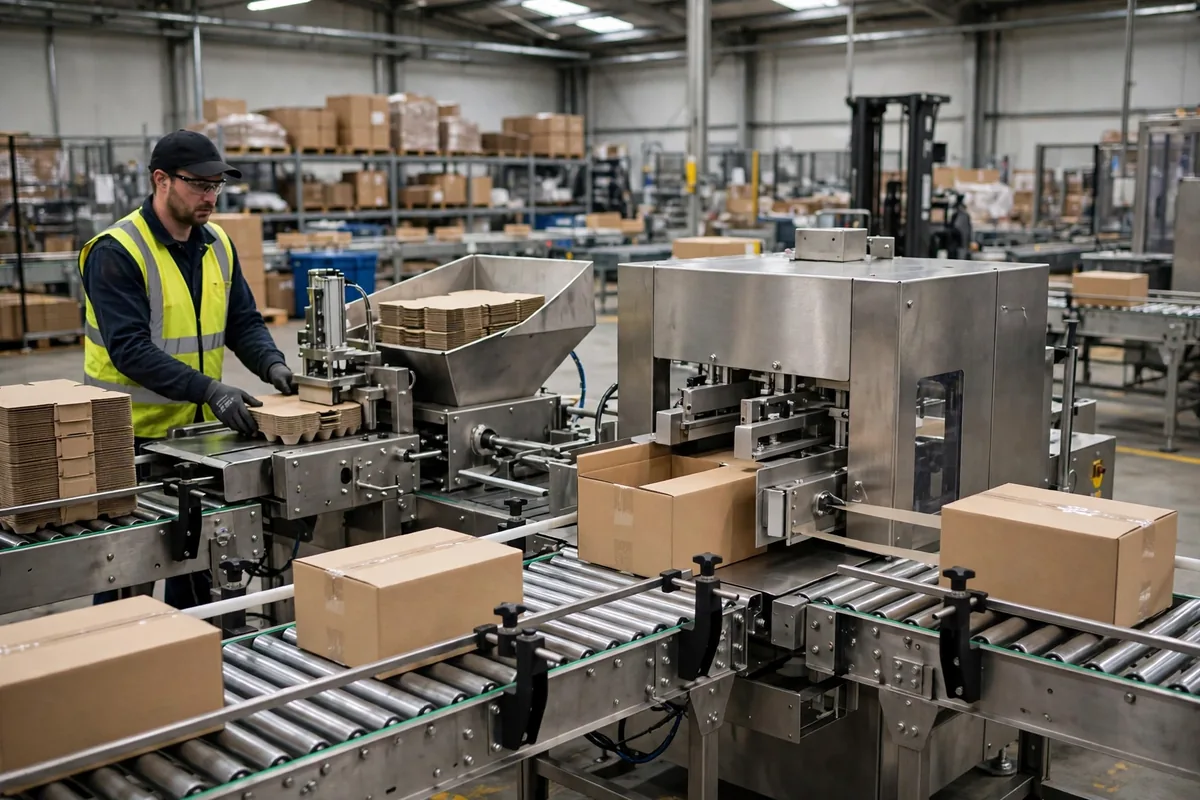
When people hear "automated carton packing machine," they picture a single machine that takes products, puts them in a box, seals it, and sends it on its way. In reality the line is three separate machines doing three different jobs, and the price gaps are enormous.
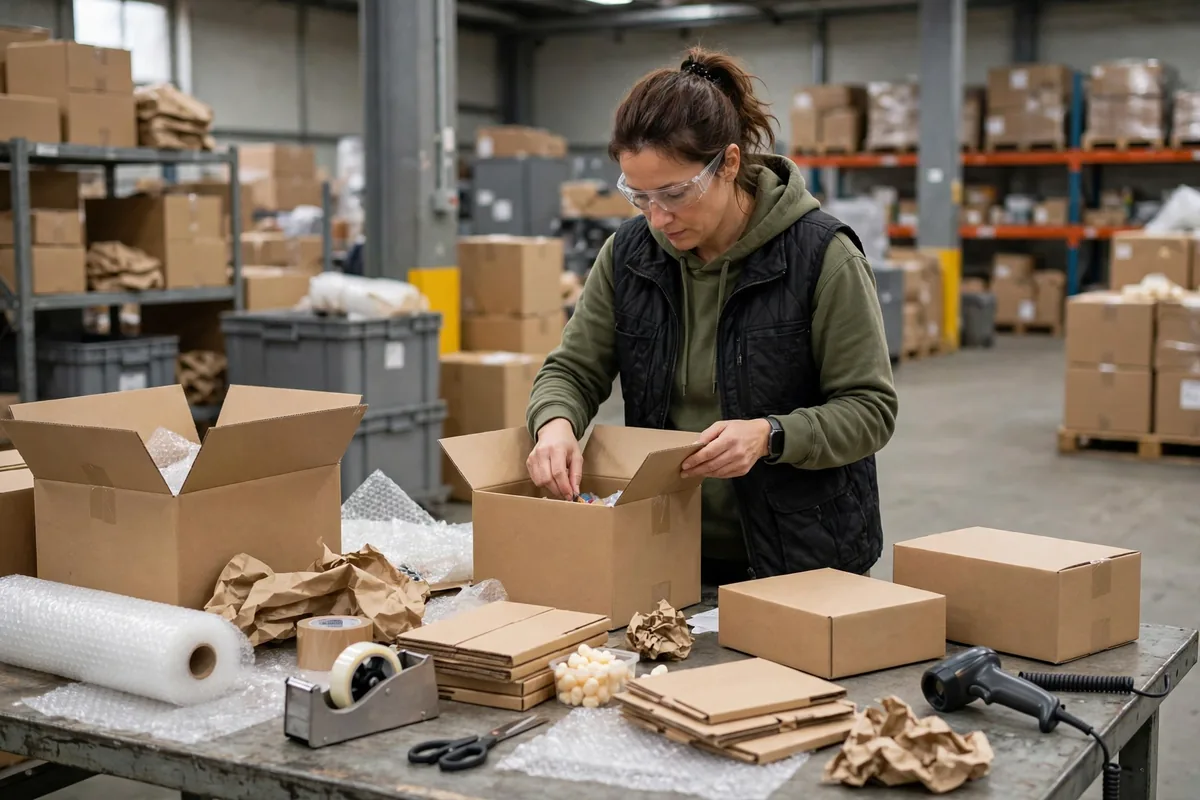
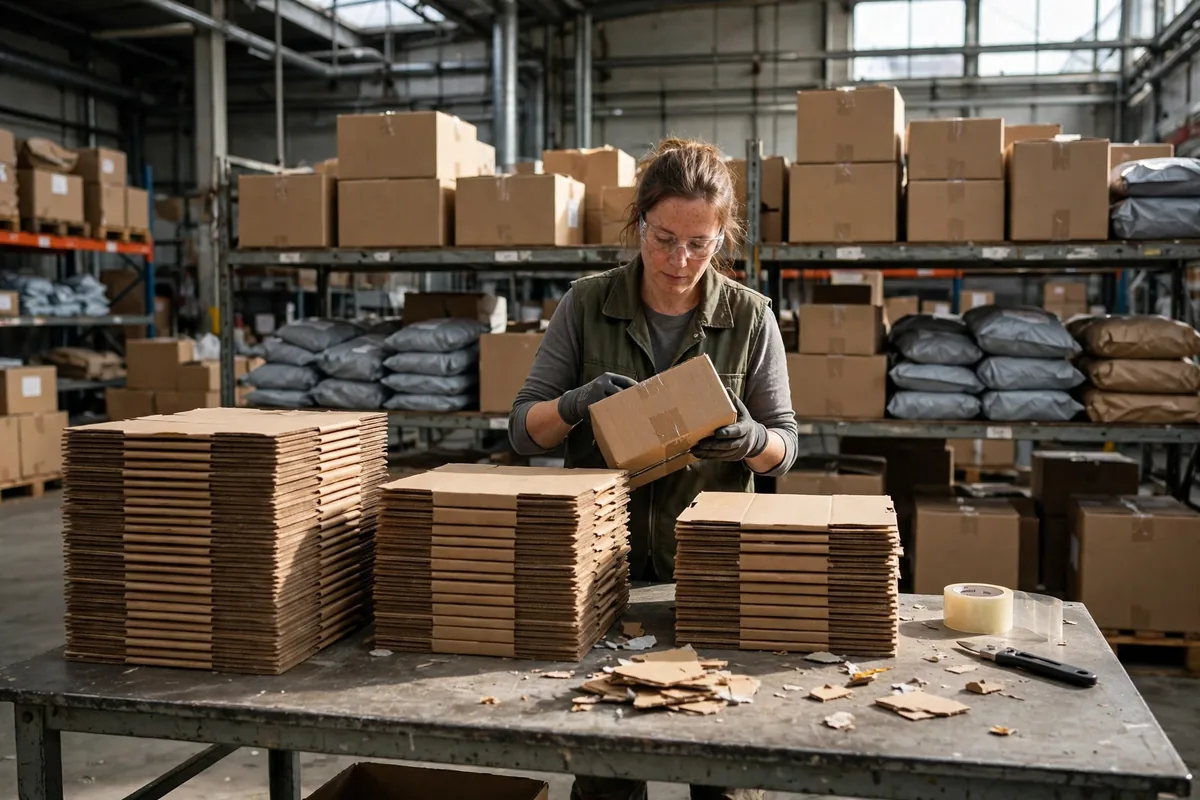
The first is the case erector, sometimes called a carton erector. It pulls a flat carton blank from a magazine, opens it up, seals the bottom, and delivers an open box to the packing station. Published manufacturer specs generally put an automatic erector at 10 to 30 cases per minute. A skilled worker by hand does 6 to 8 a minute — and in peak season we have to assign someone to do nothing else.
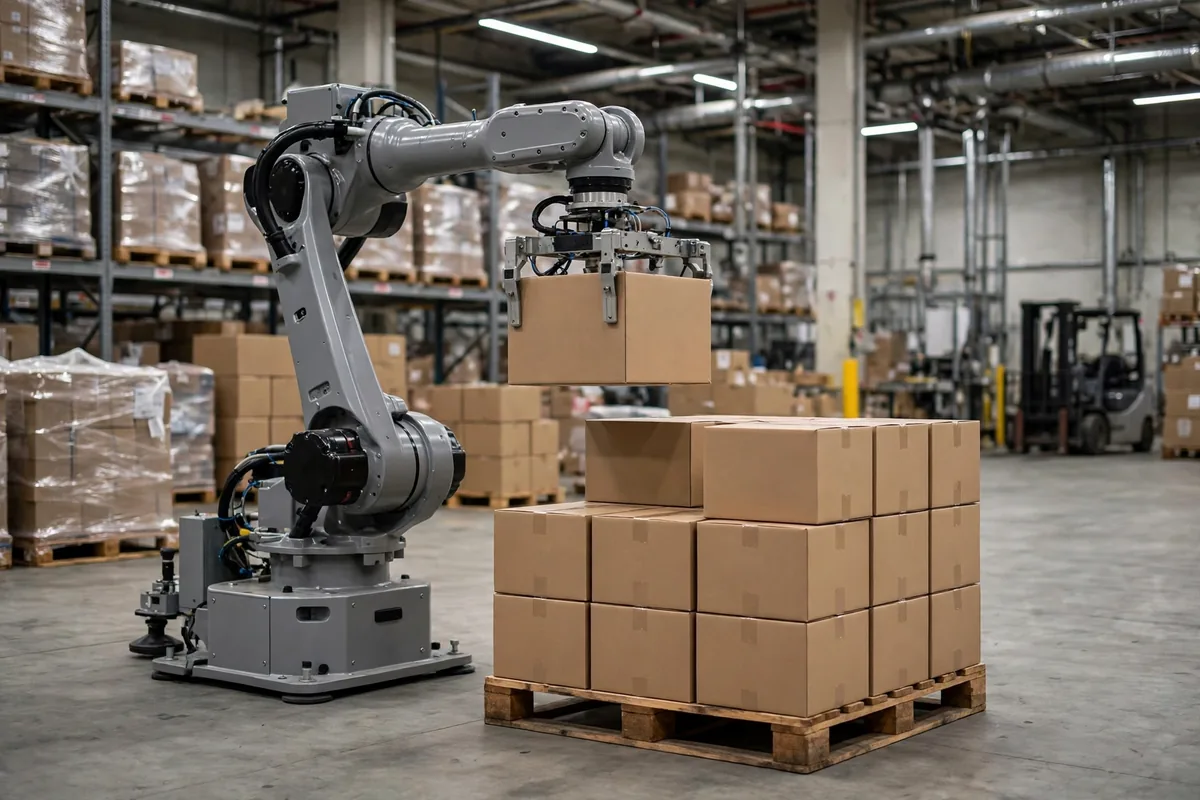
The second is the real case packer, the one that loads product into the open carton. There are a few ways it works: dropping product in from above, pushing it in from the side, or wrapping the carton around the product. This is the expensive one. Vendor price lists typically put it somewhere between $40,000 and $300,000-plus. And it is picky — change the shape of your product or the size of the carton and you are looking at a long changeover.
The third is the case sealer. It folds the top flaps and tapes or hot-melt glues the carton shut. This is the cheapest of the three, typically a few thousand to tens of thousands of dollars, running 15 to 40 cartons a minute according to published specs. Honestly, it is the best value on the whole line: one simple job, not fussy about what is inside, easy to fix when it breaks.
The first time I visited a vendor showroom, the salesperson pointed at the full line and said, "Full automation saves you five people a day." I went home and ran the numbers, and something didn't add up. Our bottleneck was never sealing. It was picking and checking. Seal faster and the machine just sits there waiting for cartons to arrive. That's the most counterintuitive thing about automated carton packing: the machine's speed is almost never the bottleneck. The bottleneck is always the step you didn't think about. Paying to seal 30 cartons a minute when picking only supplies 8 is paying for 22 cartons a minute of nothing.
Automated Carton Packing Starts With Carton Selection
An automated line is far less forgiving about cartons than a human packer. A person can compensate for a slightly crooked box or a soft panel without thinking. A machine can't. A small deviation means a jam, a crooked seal, an alarm, and a stopped line.
In September 2024 we rented a second-hand semi-automatic case sealer for a month. The first week it started sealing badly — some cartons tight, others with the tape only half stuck. It took days to find the cause: the carton supplier had switched board batches, and the stiffness of the corrugated board was different. The softer batch flexed as it went through the machine and the tape landed crooked. A human packer would never have noticed.
So before you buy anything, get the carton question sorted. Three things I learned the hard way:
First, cut the number of carton sizes. We used to stock 14 sizes, chasing the "perfect fit" for every order. After the sealer arrived I cut it to five, with three doing most of the work. Fewer sizes means fewer changeovers and far fewer jams. An occasional oversized box costs a few extra cents — nothing next to one line stoppage.
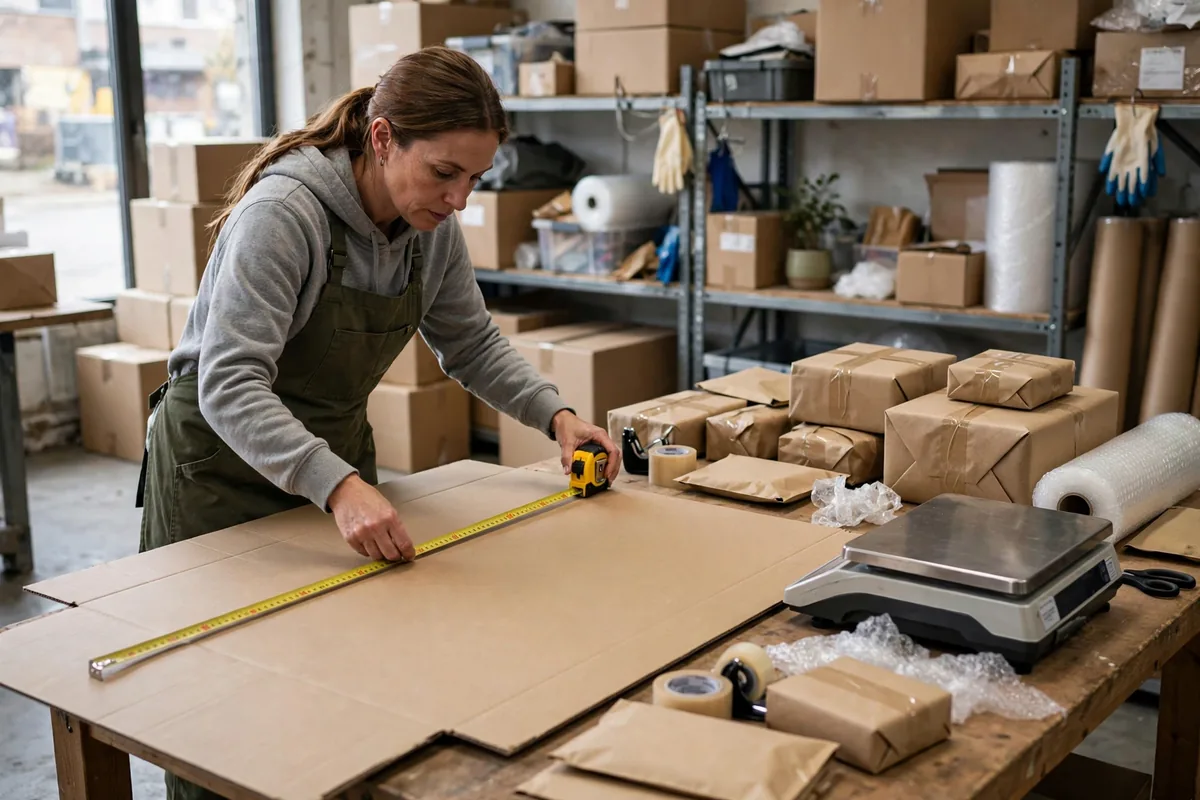
Second, board stiffness has to be consistent. Don't just negotiate unit price — put board weight and edge-crush strength in the purchase spec. We now pull 10 cartons from every delivery and squeeze the sides by hand. Soft ones go straight back.
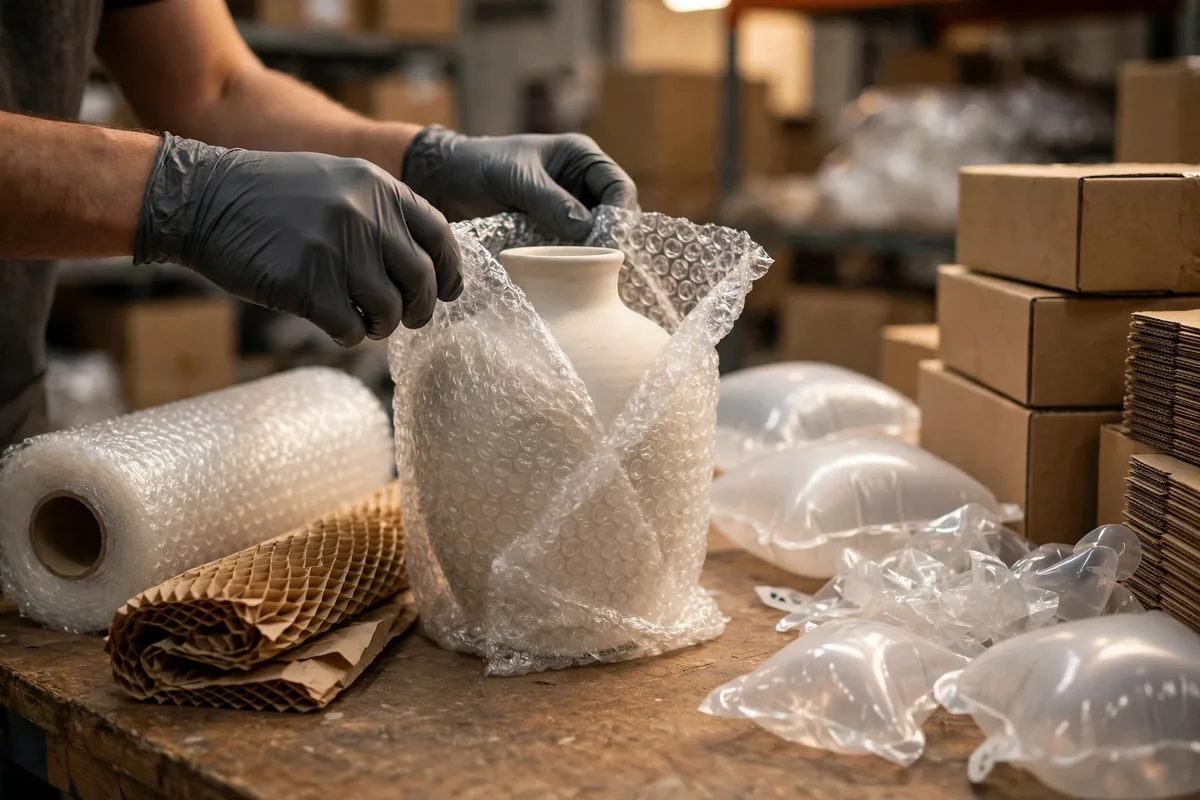
Third, dunnage has to match the machine. Manual packing uses whatever is at hand; on a line, filling means a measured amount of paper or pre-cut foam, keeping up with line speed. If filling lags, the whole line slows down.
The Math: When an Automated Carton Packing Machine Pays
I picked up the cost-accounting habit from a colleague, and it fits this decision perfectly. To be clear, the table below is a hypothetical example — the numbers are rough estimates based on our own warehouse, shown as an illustrative scenario, not industry standard prices. Get a real quote before you spend anything, and treat any fee figures as subject to the vendor's latest pricing.
Imagine a small warehouse packing 600 orders a day, where one packer handles about 200 a day:
| Option | Upfront cost | Daily labor | Daily capacity | Gut feel on payback |
|---|---|---|---|---|
| Fully manual, 3 people | Almost nothing | 3 people | 600 orders | Costs nothing, but good luck hiring in peak season |
| One semi-auto case sealer | A few thousand dollars | 2 people | ~700 orders | Pays back in months |
| Erector + sealer | Tens of thousands | 1.5 people | ~900 orders | About a year, if volume holds steady |
| Full auto packing line | Hundreds of thousands | 1 person | 1,200+ orders | Don't touch it under 1,000 orders a day |
The last row is the painful one. A full line can run 1,200 orders a day, but we normally do 600 and only hit 900 in peak season. Buy the line and it spends most of the year sitting idle, waiting for work. Hundreds of thousands of dollars of equipment running at under half capacity — that math never works.
The semi-automatic sealer row is the sweet spot: a few thousand dollars, one person saved, and sealing quality suddenly consistent. We bought ours first, and within six months our "box arrived open" complaints basically disappeared. That alone was worth it.
There is a trade-off most people miss: automation doesn't mainly save wages. It saves the cost of mistakes and the risk of not being able to hire in peak season. Last peak season we hired four temp packers; two quit within three days, and the other two packed at half speed with double the error rate. The losses from those two weeks would have bought two case sealers.
The Order I'd Recommend for a Small Warehouse
After two years of this, my advice to warehouses our size is a sequence: sealer first, erector second, packer last — and don't touch the packer until you're consistently over 1,000 orders a day.
Step one is a semi-automatic case sealer. Cheap, reliable, doesn't care what's in the box. Ours has run for months with exactly one five-minute fix.
Step two depends on carton consolidation. Once you're down to five sizes or fewer and steady above 700 orders a day, think about an erector. It saves the person who does nothing but open boxes — but only if your carton sizes are uniform, or changeover eats the savings.
Step three is the case packer, and my test is three questions: are your products roughly the same shape, are your cartons down to just a few sizes, and is daily volume steady above 1,000 orders? Miss any one of those and the packer becomes very expensive furniture. A packer also needs a stable air supply and regular maintenance — both hit a small warehouse harder than a big one.
In June 2025 I went back to that vendor showroom and just asked three questions: how long does changeover take, does it jam if the board stiffness varies, and how often does it need servicing and what does that cost? The answers were vague, and that told me everything. That line was built for warehouses doing several thousand orders a day. Not ours.
Small warehouses have their own way of surviving. With automated carton packing, the risk isn't moving too slowly — it's spending in the wrong place. Get the few thousand dollars of sealer right first. It beats spending hundreds of thousands on a line that sits idle.
By Xiao Ma, Small Warehouse Owner