My verdict, up front: when cartons keep arriving damaged, don't blame the box maker first. In twenty years of walking pack lines, nine out of ten damage complaints I've investigated came down to the same thing — the case sealer was beating up a perfectly good carton. And the box supplier took the blame every single time.
Last year I visited a 3PL outside Ontario, California — roughly 150,000 square feet, mostly e-commerce volume. Damage complaints were climbing, so the ops manager had already switched corrugated suppliers twice. The damage rate hadn't moved. I stood next to the case sealer for ten minutes and saw it: every box came out with a crushed strip along both top edges where the compression rollers had flattened the flute. The tape looked great. The box was quietly ruined. We backed off the roller pressure, swapped a dull blade, and complaints dropped sharply within days. Two supplier changes, wasted.
How a sealer quietly destroys a good box
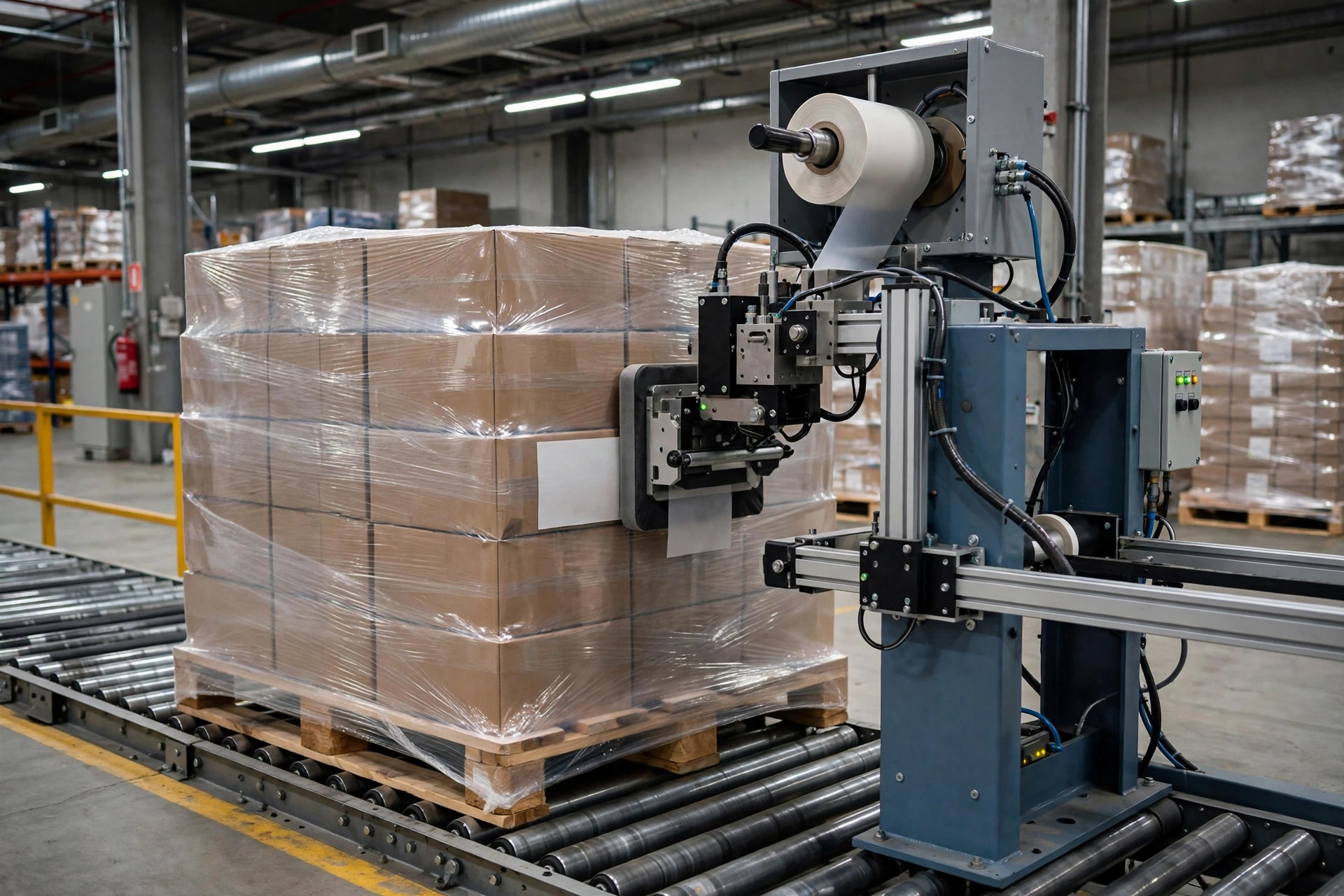
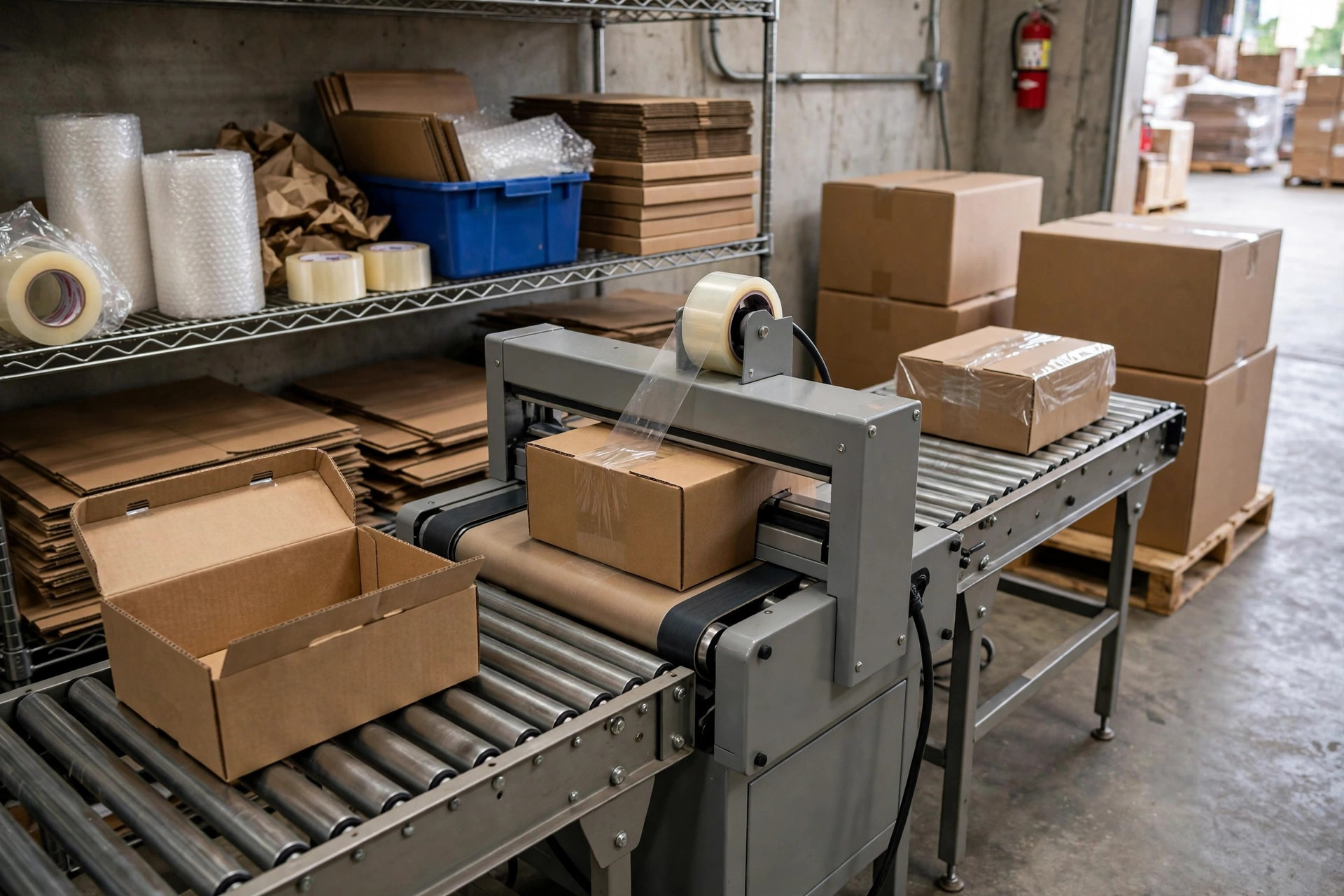
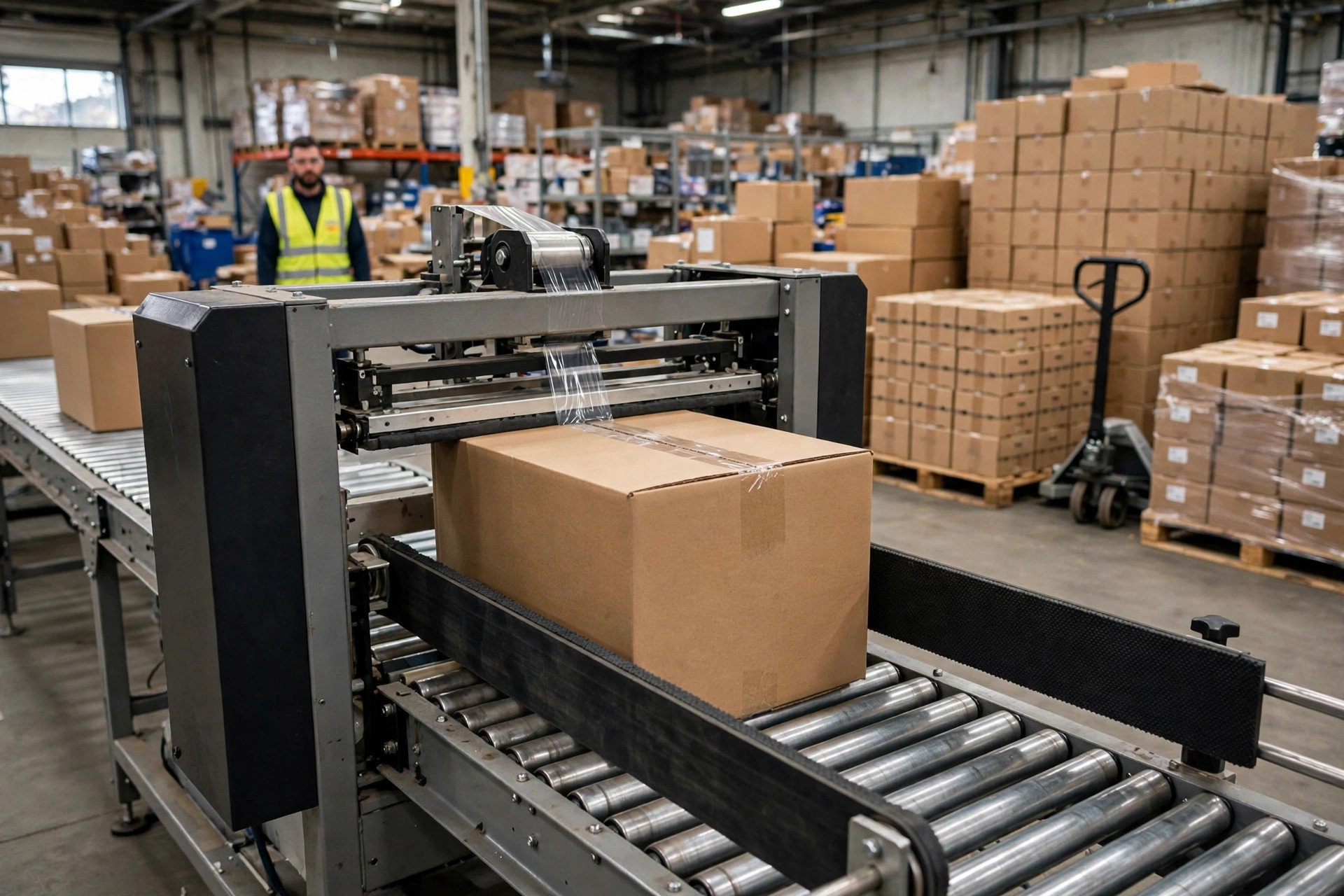
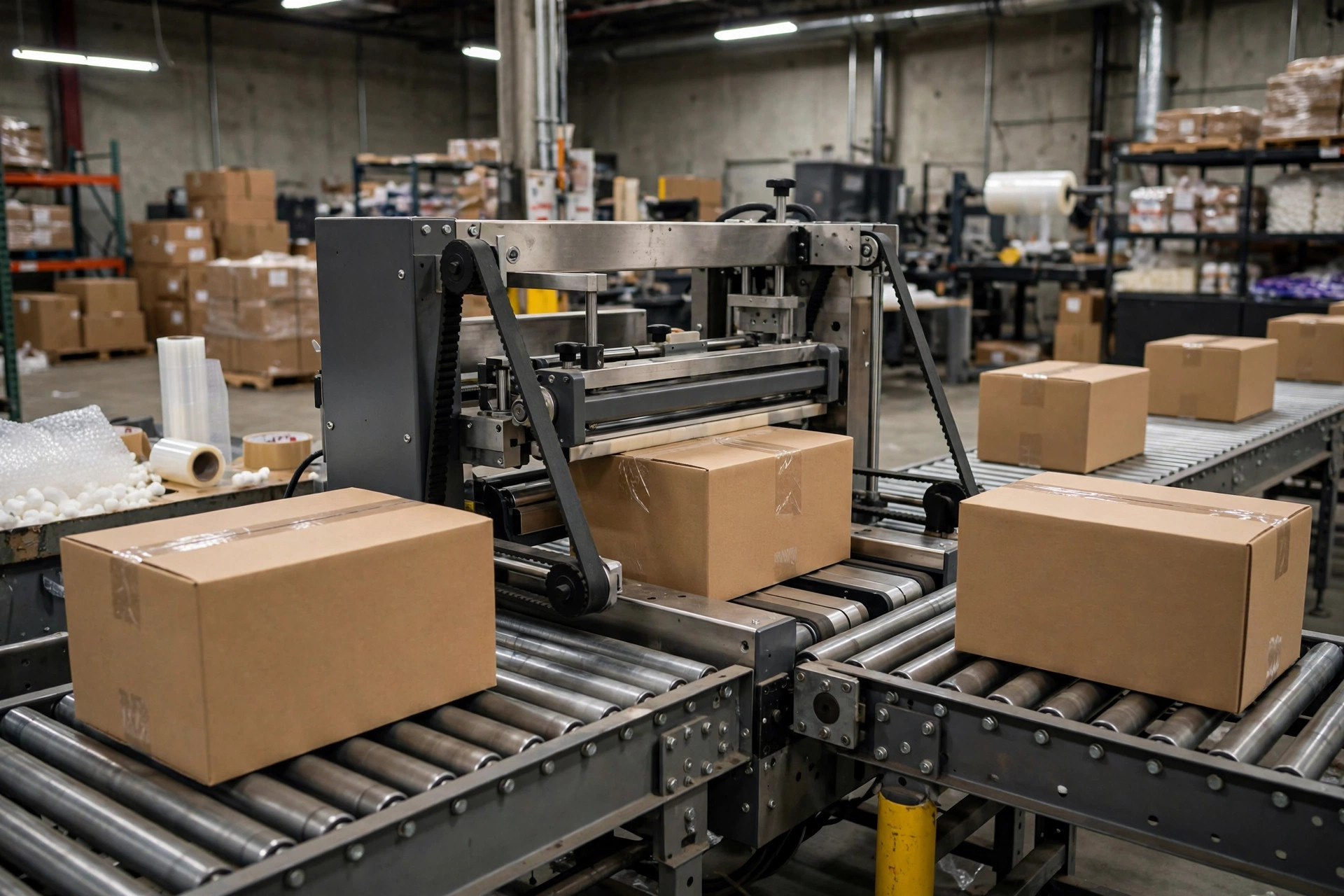
A case sealer does three things: belts carry the box through, rollers press the flaps flat, the tape head applies tape and the blade cuts it. The damage happens in the "press" and the "cut."
Excessive roller pressure is the most common killer. Operators crank the rollers down so the machine "handles" mixed box heights without constant adjustment. One tall box passes through fine; the next short one gets crushed. Once the flute is flattened in a strip along the top edge, that section loses its stacking strength — the box looks sealed and solid, then collapses under a pallet load at the sort facility. Corrugated doesn't fear weight. It fears localized pressure.
Then there's the dull blade. When tape tears ragged instead of cutting clean, operators compensate by cranking up tape tension to "help" the cut. Overtensioned tape contracts and pulls the flaps inward, bowing the top of the box. The worst one I ever saw had the tape cinched so tight the box top caved in — and the warehouse crew was convinced the board was too soft. It wasn't. The blade was overdue for replacement.
Don't forget belt mismatch, either. When the top and bottom belts run at slightly different speeds — usually because one is more worn than the other — the box gets twisted as it travels through. Crooked seals, racked cartons. That's a belt replacement, not a box upgrade.
And one quiet culprit nobody suspects: the tape got narrower. Some operations switch to narrower tape to save a few cents a roll, but the seal overlap shrinks with it. Boxes pop open in transit, and the complaint reads "box broke" — when the box never failed at all. The seal did.
One more: the height setting everyone forgot. On semi-automatic sealers the head height is a hand crank. The morning shift cranks it up for tall cartons; the afternoon shift switches to shorter boxes and nobody cranks it back down, so every short box gets muscled through under the rollers. The damage comes and goes by shift, which makes it maddening to trace — and the box supplier looks guilty for something the machine did.
When the carton really is at fault
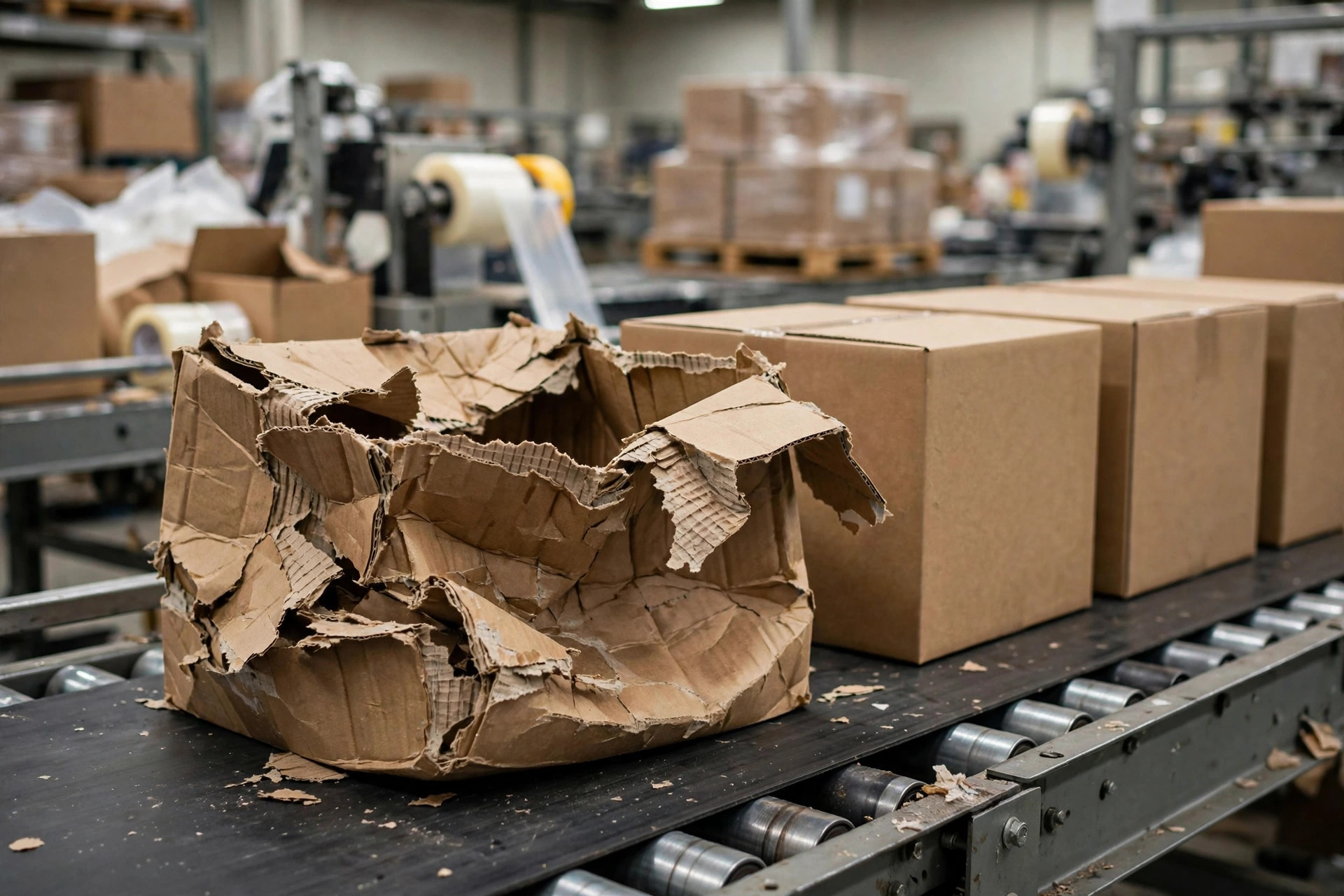
If the machine checks out and boxes still fail, then it's the board. But "bad board" dies in several different ways, and each wants a different fix.
Wrong spec is the first. Heavy product in single-wall board, or the wrong flute for the job — B-flute resists crushing, C-flute cushions better — and no machine tuning saves it. Check the ECT stamp printed on the manufacturer's joint against your purchase spec. It's the most basic receiving check there is, and most warehouses never do it.
Moisture is the second, and it's sneakier than people think. Corrugated loses strength fast when damp — slots near the dock doors, containers in rainy season, condensation near the cooler. Boxes that look fine leaving your building collapse at the customer's dock. This kind of damage is seasonal: it shows up with the rain. Plot the failures by date and the pattern usually confesses.
The third is the most unfair: the box is too big. Product rattling around inside hammers the corners in transit, and no board upgrade fixes a void problem. I worked with a beauty brand's fulfillment operation running premium double-wall cartons that still arrived damaged — the product filled barely half the box. Dropping two box sizes killed the damage rate. The board was never the problem.
The 30-minute diagnostic checklist (in this order)
- Read the damage location: crushed or cracked at the top seal with roller marks points to the machine; blown-out sides, corners, or full collapse points to board, moisture, or overloading.
- Stand at the sealer for ten minutes: watch for boxes twisting or seals landing crooked.
- Feel the top edges as boxes exit: deep roller indentations are a confession.
- Inspect the tape cut: ragged, fuzzy edges mean a dull blade — replace it.
- Run a comparison: same batch of boxes, back the roller pressure off one notch, run a few dozen cartons, compare damage.
- Check the ECT stamp on the box joint against your spec — a mismatch goes back to the supplier.
- Check for moisture: are the failures coming from slots near the doors? Has it been raining?
- Shake the box: if the product shifts more than a fist's width inside, the box is oversized, not weak.
Whatever this round finds, I recommend turning two things into fixed habits: a monthly ten-minute sealer check — blade, belt wear, roller pressure — and a receiving spot-check of the ECT stamp against your purchase spec. Neither costs anything, and together they prevent most of the finger-pointing. Damage problems recur in most warehouses not because they're hard, but because someone investigates once, things improve for a while, and then nobody checks again.
The math: tune the machine or upgrade the box?
Tuning the machine costs half a day of downtime, a replacement blade, and some labor — the parts bill is nearly nothing. Upgrading the box means resampling, renegotiating specs, minimum order quantities tying up cash, and a few cents more per carton times hundreds of thousands of cartons a month. That adds up to tens of thousands of dollars a year, easily.
So my order of operations never changes: spend half a day making the machine stop bullying the box, then talk board specs. Reverse the order and you get the Ontario story — two suppliers switched, problem untouched.
There's also a hidden cost people miss: switching boxes means sampling, testing, and negotiating minimums — two or three weeks easily, during which the damage keeps happening and the complaints keep coming. Tuning the machine can be squeezed into a shift change or a slow window without touching throughput. One stops the bleeding today; the other pays off weeks from now. That math isn't close.
Here's my question for you: when was the last time anyone changed the blade on your case sealer? If nobody can answer, the reason your damage rate is high might be hiding inside that forgotten question.