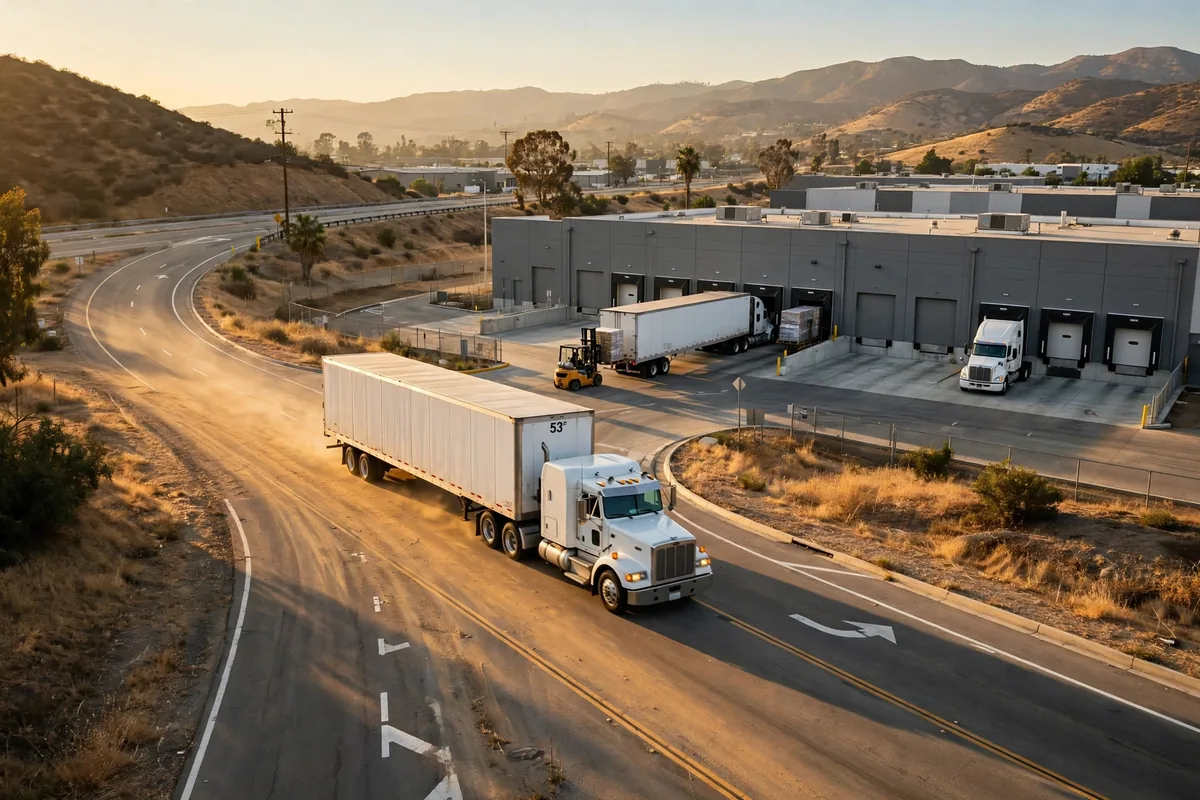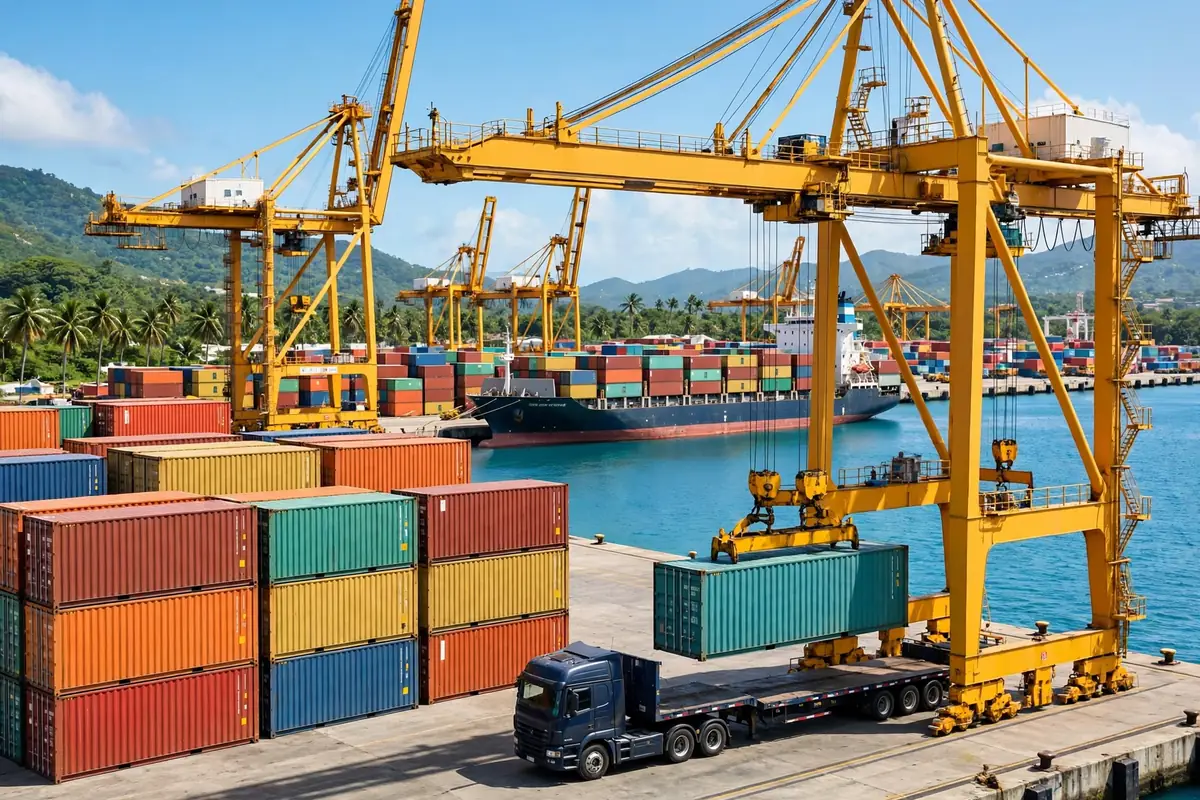
Let me tell you straight: after so many years behind the wheel, the thing I dread most is not a mountain road. It is cargo that has already arrived at the port and still cannot be picked up. Cartagena port warehouse distribution taught me that lesson the hard way. On one trip, the ship had docked, the paperwork was complete, and yet the pickup window was booked out two days ahead. The trucks waited outside the port, drivers sleeping in their cabs, while the customer called every day asking where the goods were. I stood at the port gate looking at rows of container trucks and thought: the road is not where the time goes.
Cartagena Port Warehouse Distribution: The First Gate Is Pickup, Not the Road
The shipper had picked a small yard outside the port zone to save money, figuring closeness to the docks meant a quick grab and go. But port pickup needed an appointment, the yard needed its own, and the two never lined up. The container sat an extra day, the truck made an empty run, and the driver had to come back and queue all over again. After that, I learned to ask three questions before any Cartagena job: pickup window time, customs paperwork complete, warehouse receiving time. If any one of those three is off, everything downstream falls apart in a chain reaction.
The opposite case taught me just as much. Another shipper put the warehouse in a park some forty minutes from the port. It looked like extra driving, but the park had its own appointment channel and a night receiving crew. The container came off the ship, got unloaded the same day, and was broken down for inland delivery within a day and a half, faster than the previous port-side transfer. That is when the counterintuitive truth hit me: closer to the docks does not mean faster. Speed comes from pickup, customs, and receiving fitting together like gears, not from how short the distance looks on a map.
The inland leg can grind you down too. Heading toward Bogota means mountain roads, and in the rainy season a schedule can change overnight. Heading toward Medellin, customers are often spread across several drop points, so one load may need two or three separate unloads. What drivers hate most is arriving at the agreed hour only to find every dock door occupied. These days, before I take an inland distribution load, my first question is not about the freight rate. It is about the warehouse receiving window and how far ahead the distribution plan is booked.
I have also seen consolidation go wrong at the port. One shipper packed two different customers' goods into a single container to save a trip, but the two customers needed their goods three days apart. The warehouse had no space to store one customer's share separately, so the whole container sat blocking the dock area. In the end I suggested hauling the full container to the inland warehouse, breaking it down there, and storing the two shares separately until each customer called for delivery. Consolidation saves freight, but it tests split storage. If the warehouse has no floor space and no hands for it, whatever you saved comes right back as waiting and rework.
Cartagena Port Warehouse Distribution: Port-Side or Inland Hub?
Shippers ask me all the time whether a port-side warehouse is the cheapest option. My answer is that the freight column looks cheaper, but the other columns grow back. Here is how the two trips I ran actually compared.
| Factor | Port-side warehouse | Inland hub |
|---|---|---|
| Transfer after arrival | Short, unload right after pickup | An extra trunk leg, with its own cost and time |
| Pickup queue risk | High, one missed port window means another day lost | Low, buffer stock lets you receive off-peak |
| Distribution flexibility | Weak, goods must move out fast | Strong, you can consolidate, wait, and absorb order changes |
| Best fit | Urgent cargo, full containers going straight out, simple loads | Multi-customer split loads, staged delivery, orders that change |
With that picture, the choice gets clear. Single-customer cargo with a hard deadline and buyers near the coast does fine at the port. Cargo splitting toward Bogota and Medellin, with many customers and messy orders, is calmer at an inland hub. The worst choice is trying to have it both ways: a port-side warehouse doing an inland distribution center's job, with no room to consolidate and no way to stagger trucks. Whatever you saved on freight ends up paying for waiting and rebooking.
The most typical money-losing case I have seen was a household goods shipper. His cargo arrived weekly, but his customers were spread across several inland cities, and every arrival had to be split on the spot. He started at a cheap port-side warehouse, but there was no distribution floor, so goods piled up beside the dock doors and drivers queued half a day to load. He later moved to a hub near an inland junction. The rent looked higher, but distribution had floor space, trucks could stagger, and order changes no longer forced a full reload. After three months the total cost had actually come down. In this business, pricing one leg is false cleverness. Pricing the whole journey is real sense.
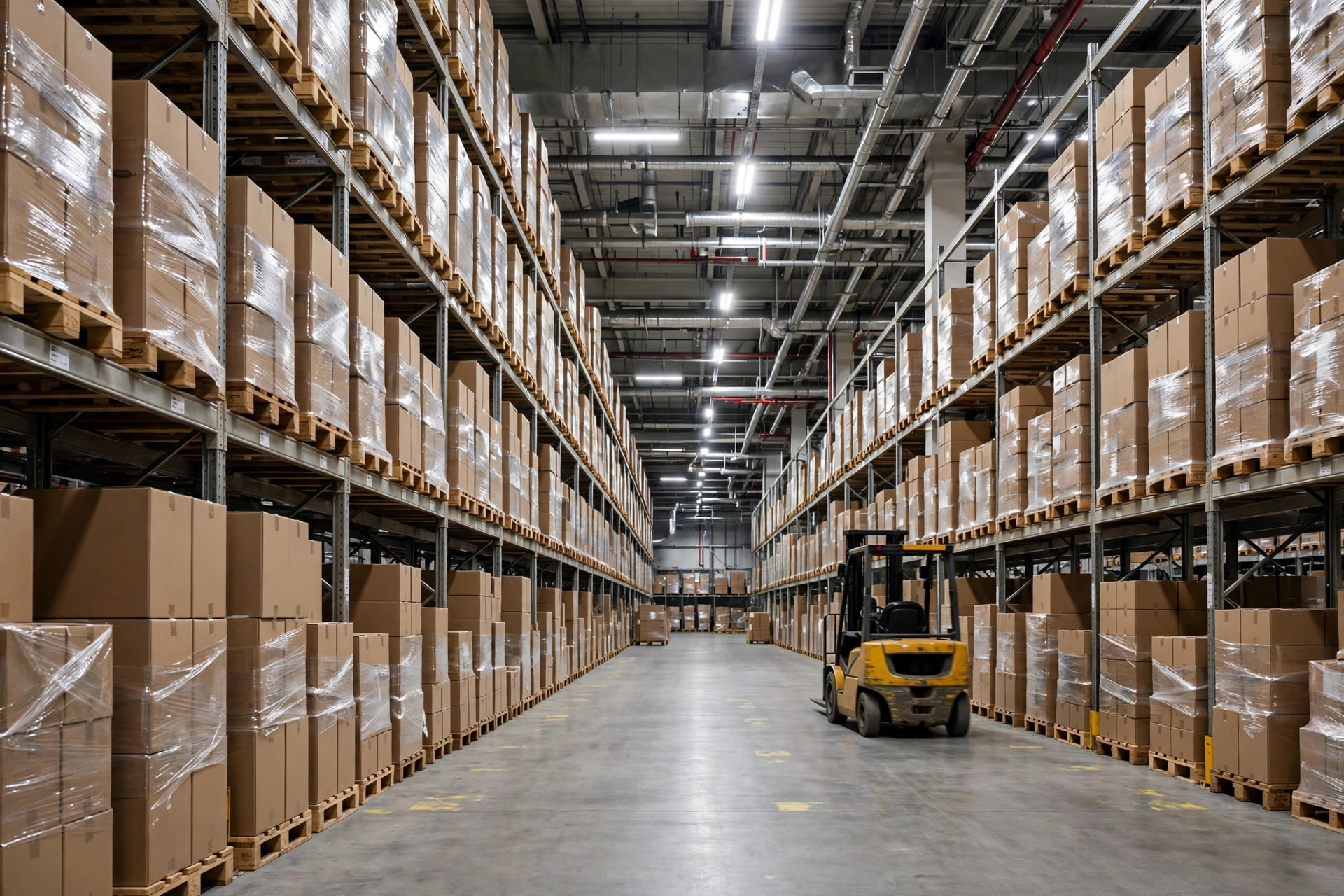
When you choose a warehouse, I have a few plain questions worth asking. How many dock doors does it have, can it receive at night, and does it queue up in peak season. Those sound basic, but they decide whether cargo flows or jams after it lands. Ask early whether the warehouse system matches the shipper's order numbers; a mismatch found at the dock door means opening boxes on the spot. And watch the attitude: is the warehouse willing to adjust its crew for your cargo, and will it do what it can when paperwork is incomplete. Those soft things never fit fully in a contract.
One more word about customs paperwork. A missing page and ten missing pages often produce the same result: everything stops. Run the document checklist past the forwarder, the broker, and the warehouse before pickup; it takes little time and saves the most expensive days. Exact duties and inspection rules vary by shipment, so check the official source for the latest policy.
Straight Advice for Shippers and Warehouses
To shippers, one sentence: put the pickup window, customs progress, and warehouse receiving time on one sheet, and get all three sides to agree before any truck rolls. To warehouses, one sentence: before accepting port cargo, ask whether the load is direct or split delivery, urgent or flexible, and then decide whether to take it and how to roster the crew. In this line of work, it is not the most trucks that wins, but the tightest links.
One more thing from years on the road. In port distribution, the most expensive thing is not freight. It is waiting. Waiting for a pickup window, for paperwork, for a dock door, for one word from the customer. Every wait burns money. The person who squeezes waiting time down is the person who really knows how to count costs. A truck can run slower, a route can run longer, but the chain between links cannot break. One break, and everything saved before it is wasted.
In peak season this matters even more. When volume rises, port windows and dock doors both get tight. Whoever books plans ahead gets the windows; whoever shows up and asks on the spot ends up queuing. I now check the next two weeks of arrivals with the forwarder every week, then receiving capacity with the warehouse. I would rather build a loose plan than let trucks and cargo collide at the port gate. Planning looks like it earns nothing, but the waiting time it saves is worth more than any freight discount. In our trade, wheels turning earn money. Wheels parked by the roadside burn your own capital.
An old saying fits here: slow work makes fine work, but at a port, one slow step costs a whole day. Windows, paperwork, dock doors, distribution plans: whichever one stays vague will come knocking on the day the cargo lands.
By Shifu Zhao, Trucking Veteran (15 yrs)