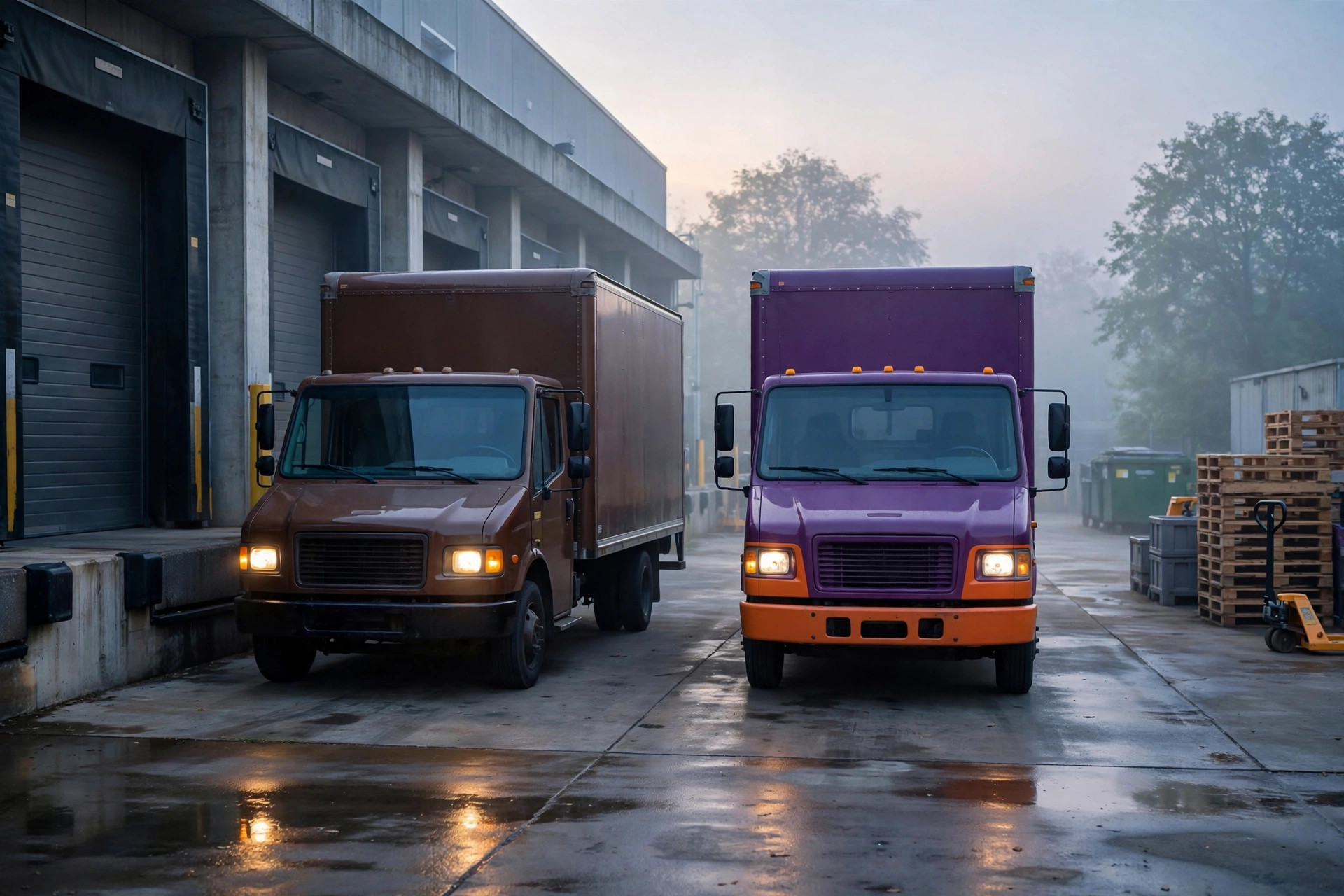
Selling building materials online is great — until the warehouse and the last mile eat your margin alive.
Here's the uncomfortable truth: in building materials e-commerce, the product is maybe 30% of the game. The other 70% is whether your warehousing and delivery can survive long pieces, heavy pieces, and fragile pieces all at once. Get one link wrong and you're losing money on every order.
Summer 2024, in my warehouse in Ontario, California, I watched an 8-foot wood trim board slide off a standard beam rack and spear straight through a carton of light fixtures next door. One shipment: trim scrapped, three light sets smashed, nearly two grand gone. That day I learned you cannot run building materials fulfillment with a small-parcel playbook.
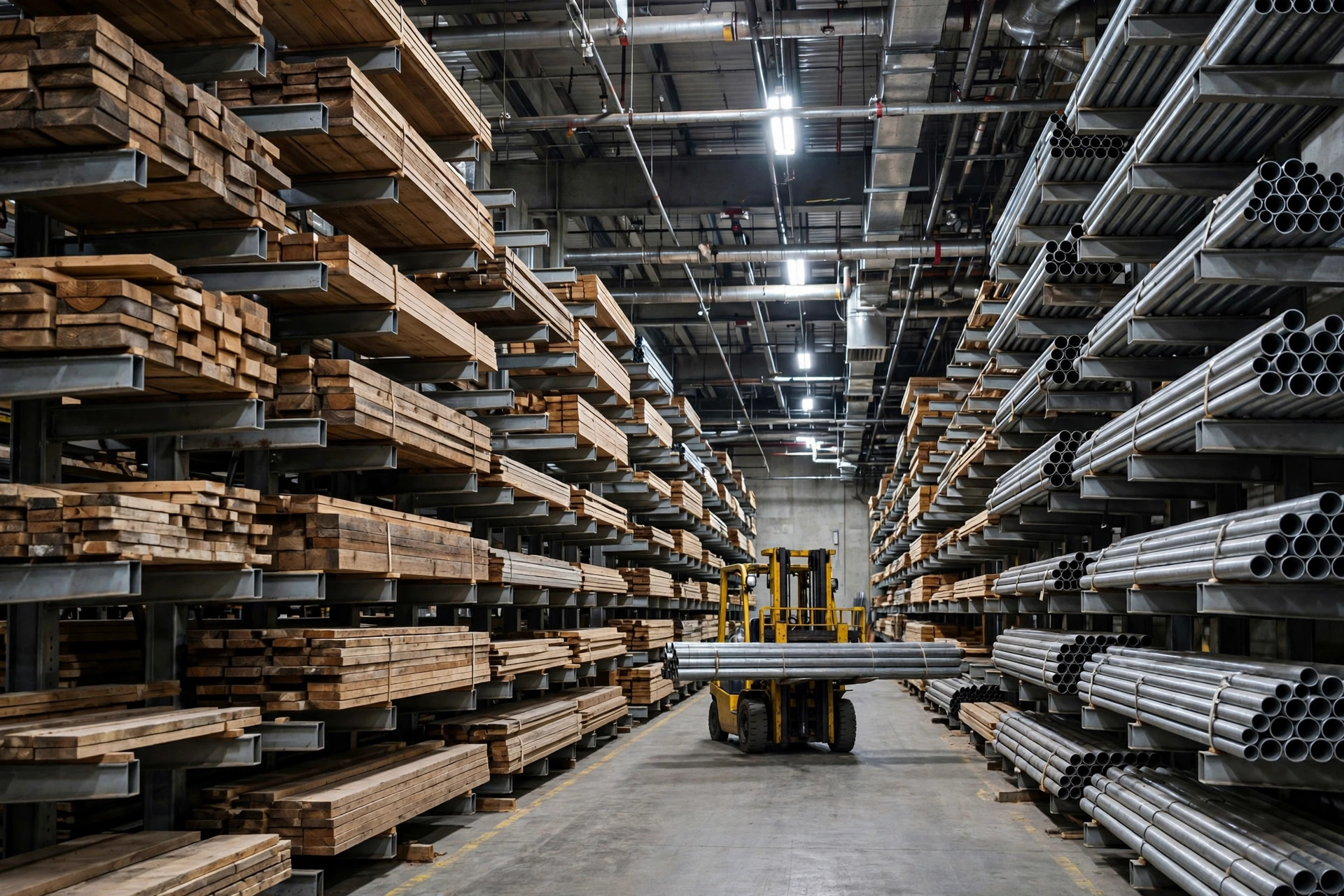
Bulky Storage: Cantilever Racking or Nothing
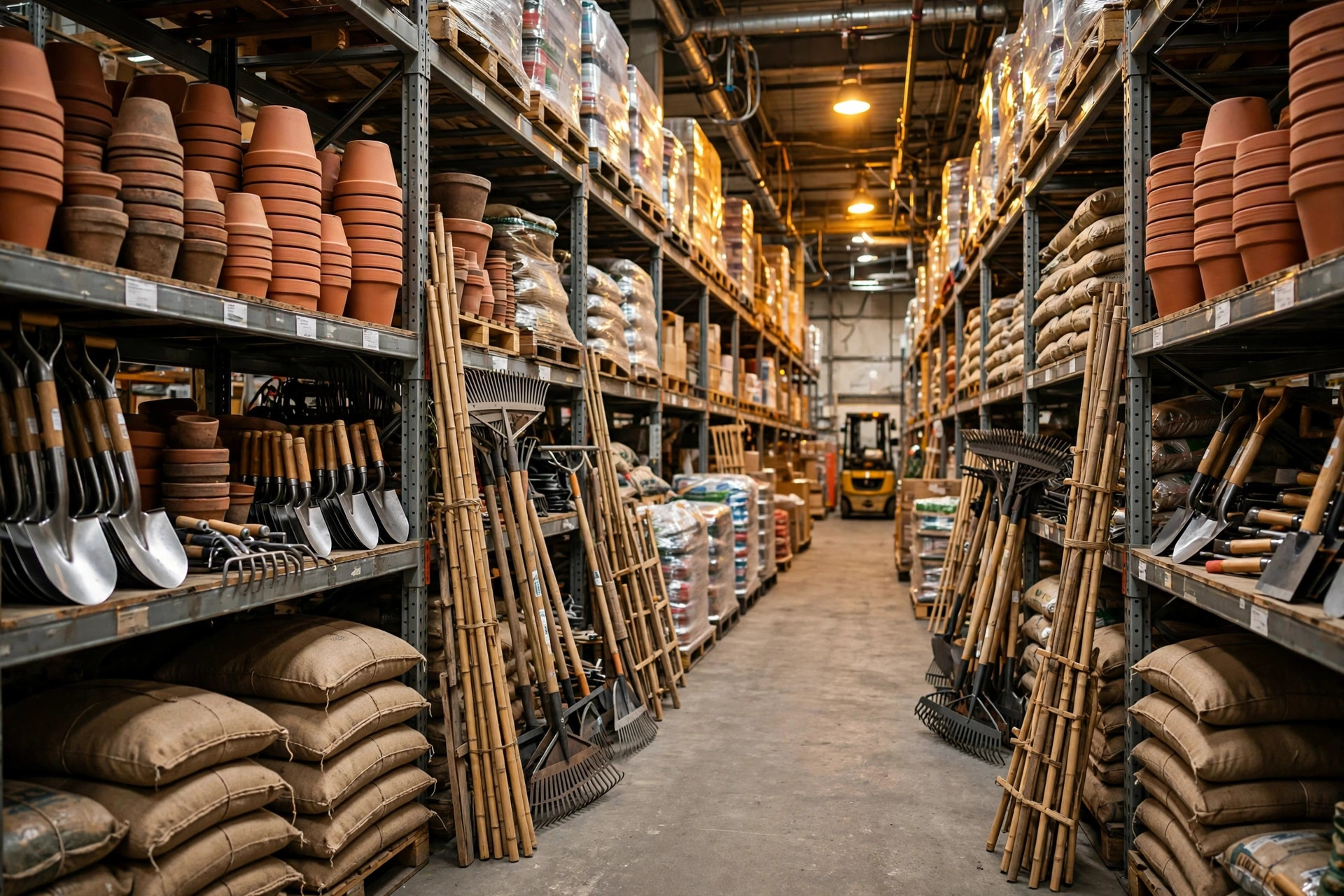
Eight-foot trim boards, curtain rods, PVC pipes — standard pallet racking with its 40-odd-inch depth just doesn't work. Lay them across and both ends hang in the air; stand them up and they eat your vertical space and love to topple.
What I do now: the entire long-goods zone runs on cantilever racking. I sized the arms off the manufacturer's spec sheet — ours are rated 1,500 lbs per arm, and a bundle of twenty 8-foot trim boards weighs a little over 300 lbs. Plenty of headroom. The open front means the forklift pulls straight from the side, no shuffling.
The numbers: before the switch, the long-goods zone sprawled across 1,200 sq ft and was a mess every day. After: 800 sq ft, and average pick time dropped from 12 minutes per order to 7. The racking cost under $9,000 and paid for itself in two months of saved labor.
One warning: bolt cantilever racks to the floor with anchor bolts, no excuses. Long goods shift their center of gravity; one forklift bump and an unanchored row walks. I've seen a row go down.
And the shipping catch: major parcel carriers cap packages at 150 lbs with length-plus-girth at 165 inches (check the carrier's site for the latest policy). An 8-foot trim board in a box blows past that. Don't fight it — go LTL, and negotiate the oversize surcharge with your carrier up front, or the invoice will ruin your week.
Fragile Goods and Damage Control: Spend on Packaging, But Not Blindly
Early 2025, I shipped a batch of 600×1200mm sintered stone slabs from my China warehouse to the US. Damage rate hit 12%. Each slab cost me nearly $200 landed. I didn't sleep well for two weeks.
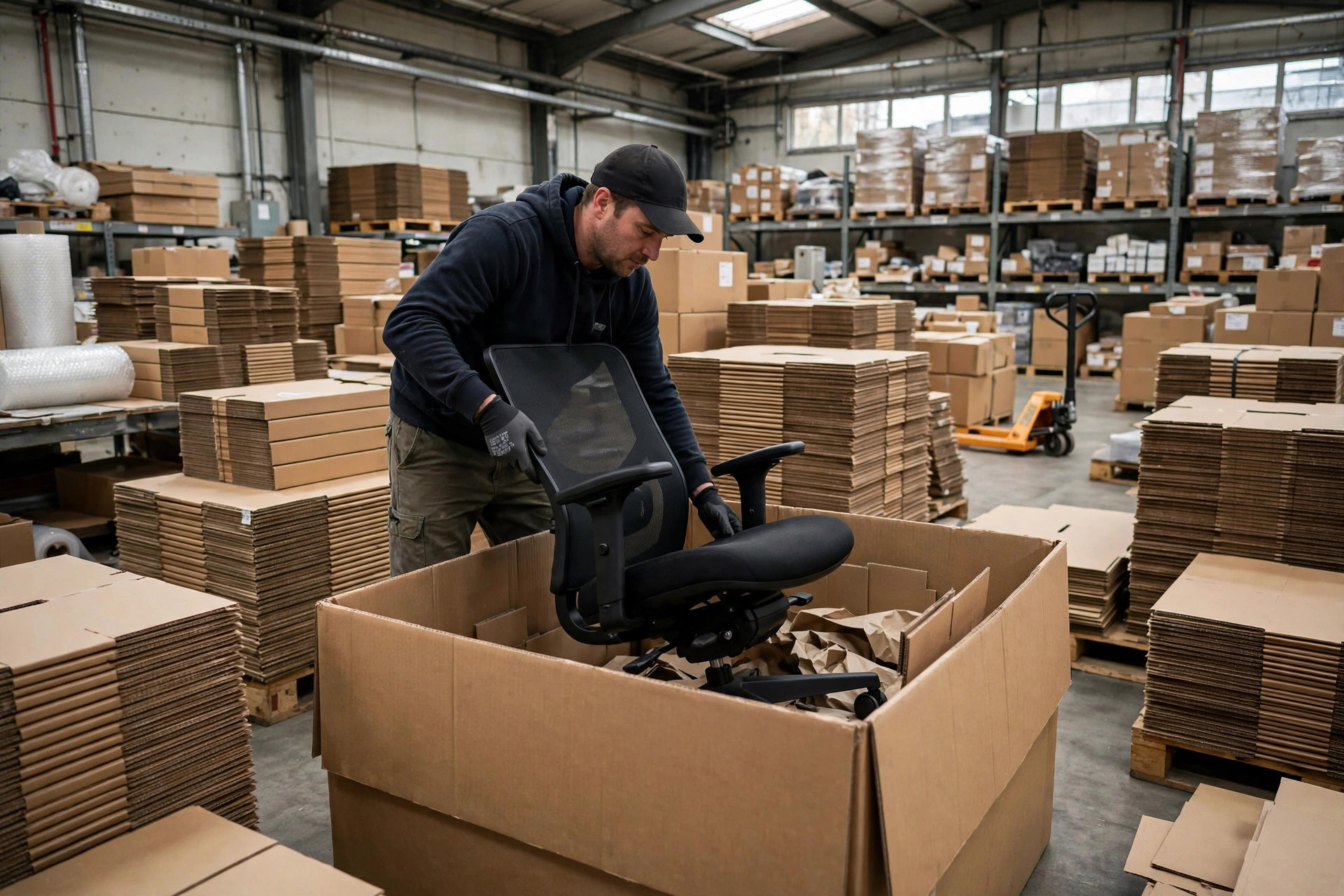
Root cause was simple: packaging. Single slabs with corner protectors and bubble wrap don't survive a container that sways for a month.
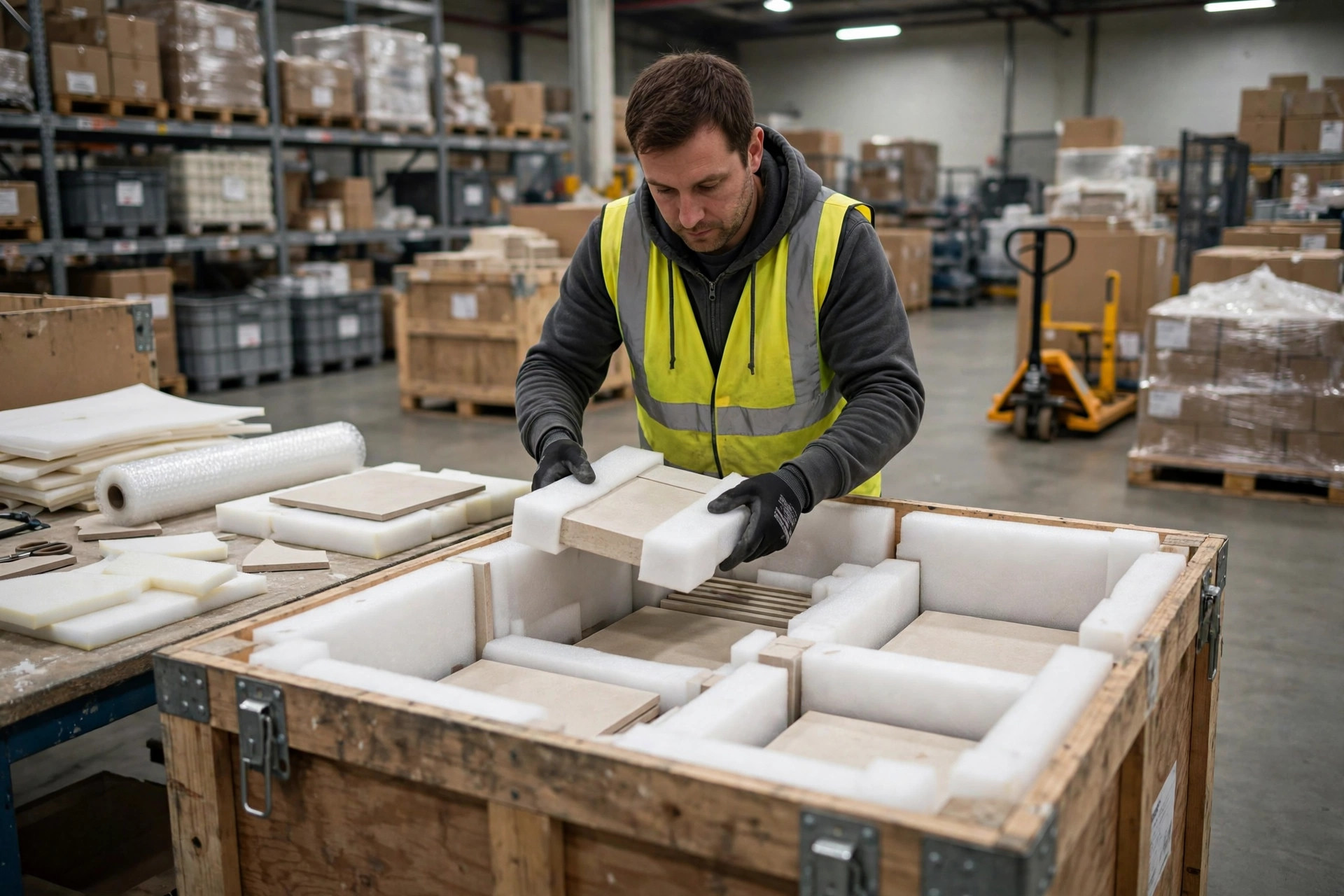
My standard now: all tile goes on pallets. Honeycomb cardboard on the pallet deck, corner protectors, full stretch wrap, then a wooden frame around the whole pallet. Damage rate dropped to just over 2% — measured across three straight months in my own store.
Lighting is the same story. Glass pendant shades used to break at 6%. Switched to double-wall corrugated boxes with EPE foam inserts, custom-cut slots for the fragile parts — now holding at about 1.5%.
Here's the contrarian take most sellers hate: pushing fragile-goods damage to zero loses money.
Do the math. A slab costs $200; 2% damage means 2 broken slabs per 100 — $400. Getting from 2% to zero costs at least another $6–8 per slab in packaging — $600–800 per hundred. You'd spend $600+ to save $400. That's a bad trade. Two percent is roughly the sweet spot. Stop fighting the damage rate; fight the total cost.
Heavy Last-Mile Delivery: Price the Second Attempt Before You List
For 200-lb-plus items like bathroom vanities and solid-wood dining tables, last-mile delivery gives you three options:
| Option | Cost per shipment (US domestic) | Transit | Best for | Biggest trap | | Small parcel | 80–150 USD as oversize | 3–5 days | Under 150 lbs, compressible packaging | Oversize surcharges, invoice surprises | | LTL threshold delivery | 120–180 USD | 5–8 days | Most furniture and building materials | Driver leaves it at the door or garage — customer hauls it inside | | White glove in-home | 250–400 USD | 7–12 days | High-ticket items needing installation | Appointment required; one reschedule costs extra |
(Costs are my store's actual 2025 settlement ranges; lanes vary a lot — confirm with your carrier's current quote.)
My vanities ride the middle option. The trap with threshold delivery is the second attempt: customer isn't home, carrier hauls it back, and the redelivery fee runs $40–80. Now we always text the customer before dispatch to confirm a phone number and a delivery window. Our redelivery rate fell from 18% to under 5%.
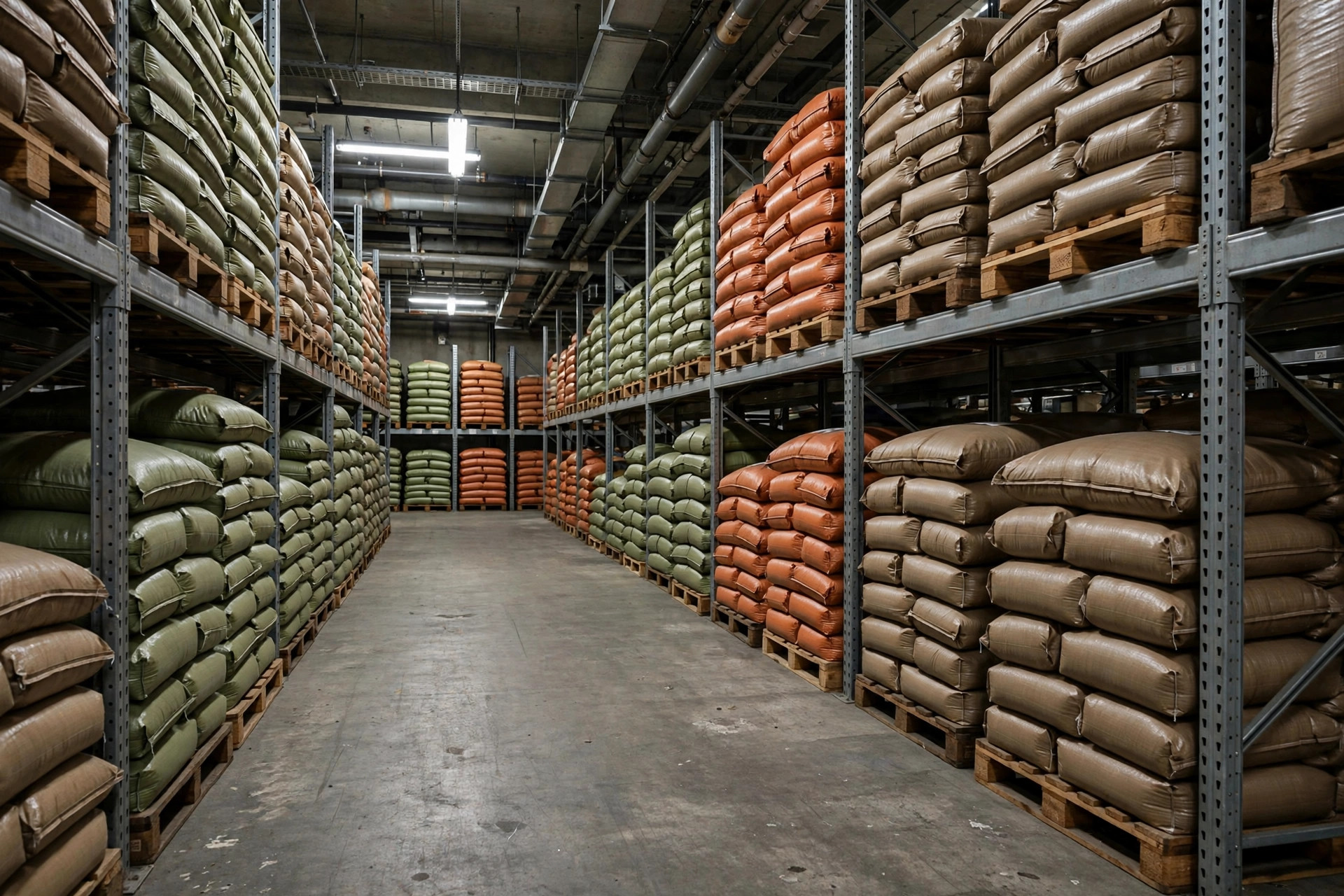
Heavy goods have a warehouse-side trap too: floor loading. When leasing, don't just look at rent — get the floor load report from the landlord before putting heavy stock on a mezzanine. A stone seller next door stacked 3,000 lbs of slabs on their mezzanine. The deck cracked. Over $40,000 to the landlord. Learn from their wallet, not yours.
Replenishment runs on building-materials time: ocean freight to the US West Coast typically takes 25–35 days (subject to carrier schedules), plus customs and inbound. Plan on a 60-day replenishment cycle, minimum. Stock for peak season must land 45 days early — one week late, and a single day of stockout costs more than an extra week of warehouse rent.
Pitfall List (All Paid For in Cash)
- The silent killer in building materials e-commerce isn't damage — it's returns. One bulky return, with reverse logistics and repackaging, can wipe out the profit of three orders. Put dimensions, weight, and installation difficulty on the product page and watch return rates get cut in half.
- Measure long goods three times before shipping: length, width, height, weight, all in the system. One bad dimension and the carrier's audit fee starts at tens of dollars.
- For fragile goods, the shipping marks on the carton beat "FRAGILE" stickers. Print the max stack height — it works better than ten fragile labels.
- Read the damage-compensation clause in your 3PL contract word by word. Many contracts exclude fragile goods entirely. Sign it, and broken is broken — on you.
There's no shortcut in this business: warehousing and last-mile ARE the margin. Now I price the last-mile delivery before I price the product — reverse that order and you'll bleed. This one I've tested myself. Try it.
By Ah K, E-commerce Seller (5 yrs)