We have a client, the purchasing head of a paper mill back home, who bought Brazilian pulp for the first time last year. He told me, Susan, the price beat Canadian pulp by a decent margin, I thought this order was a sure win. Then the boxes were opened at Qingdao port and a dozen pallets of pulp sheets had gone damp and discoloured round the edges. Quality control docked the payment on the spot. He rang me close to tears: the cargo passed inspection before loading, so how did it go damp crossing the ocean?
I knew the answer straight away. In Brazil pulp export warehouse logistics, most people only count the pulp price and the ocean freight. The warehousing leg never makes it into their sums. But pulp's worst enemy is moisture. One damp spell in the warehouse, a month sealed in a ship, and the cargo arrives worth scrap prices.
Let me put the scale of it in front of you first. According to FAO figures for 2024, Brazil produced about 26.67 million tonnes of pulp and exported about 19.69 million tonnes — the world's largest pulp exporter, roughly 27% of global exports, with three quarters of everything it makes sold abroad. Exports set a record in 2025 at 20.7 million tonnes. The biggest buyer is China, taking 48.4% of Brazil's pulp exports by value in 2025, with Europe second and North America third. So the bleached eucalyptus pulp you see in a paper mill at home very likely grew in a Brazilian forest.
Production sits in the south-east and centre-west: Espírito Santo, Bahia, Minas Gerais, São Paulo and Mato Grosso do Sul. Mato Grosso do Sul is the leading producing state, and the mills sit inland, hundreds of kilometres from the ports. The pulp has to travel overland to a port warehouse before it is loaded. That inland leg plus port storage is where things go wrong most often. One industry estimate puts the extra delivered cost from port congestion, road dependence and long inland hauls at 30 to 60 US dollars per tonne. Treat that as an estimated range from a third-party source, not a quote — but the direction is right. The warehousing leg cannot be wished away. It can only be costed properly.
In Brazil Pulp Export Warehouse Logistics, Moisture Control Is the First Bill to Pay
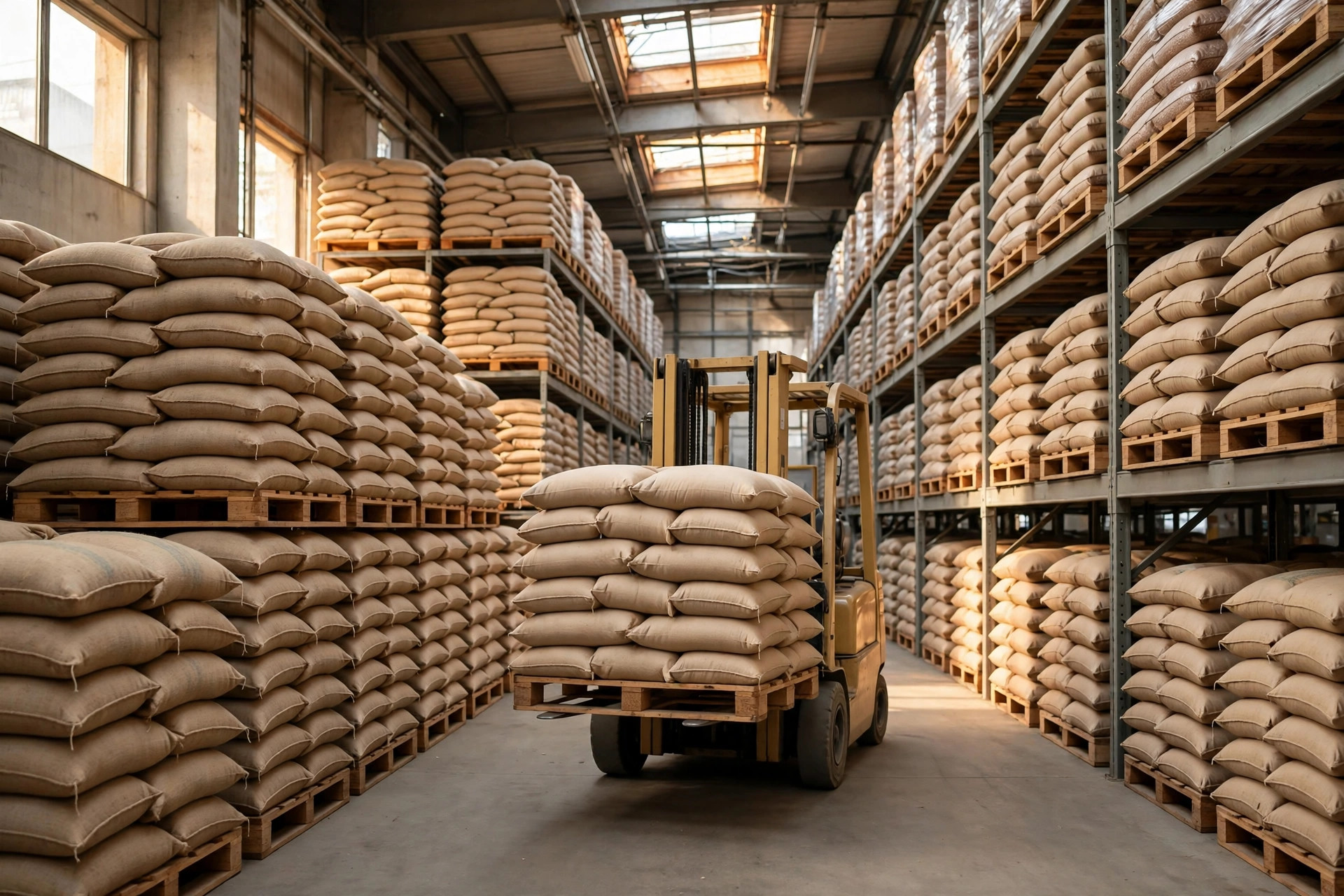
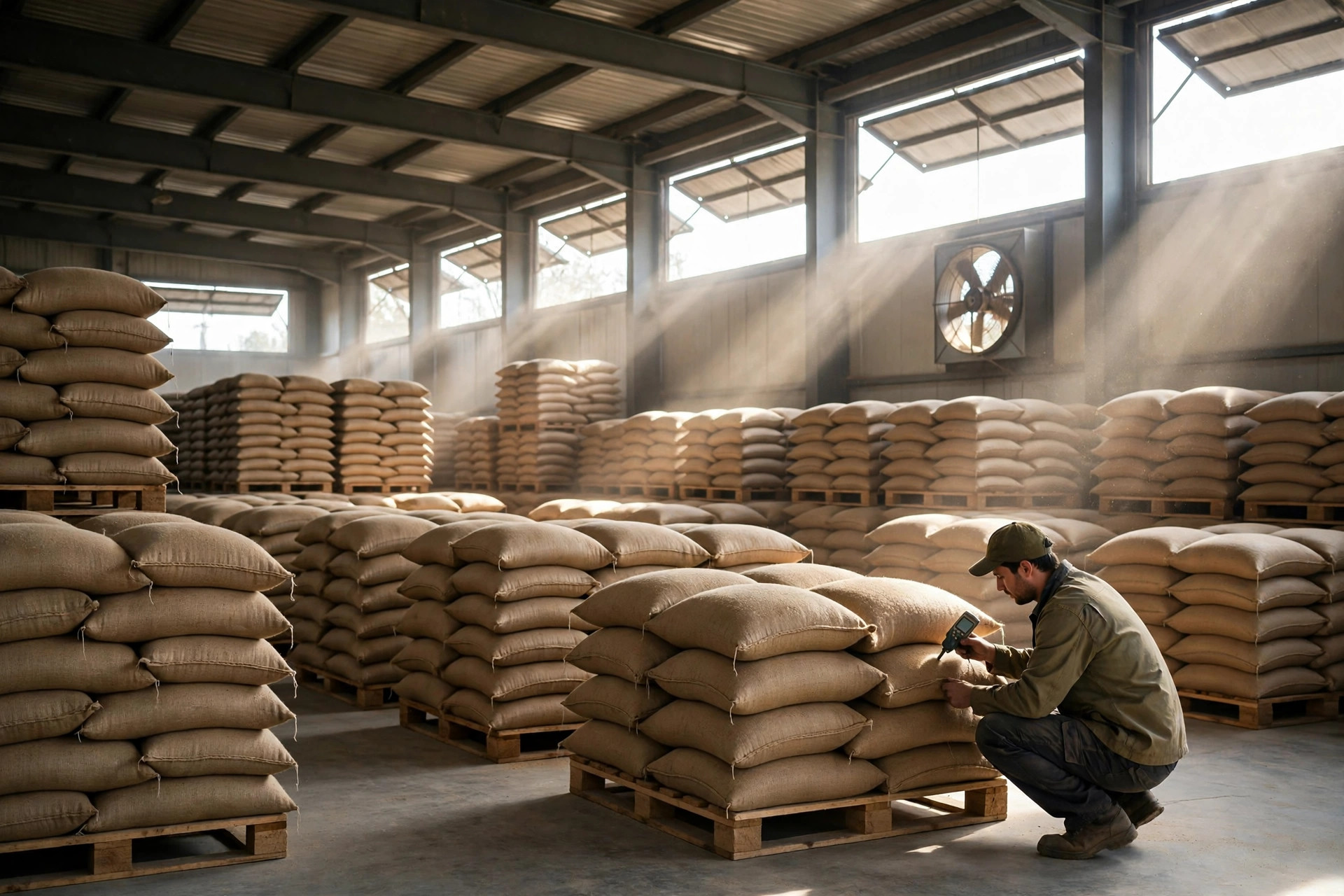
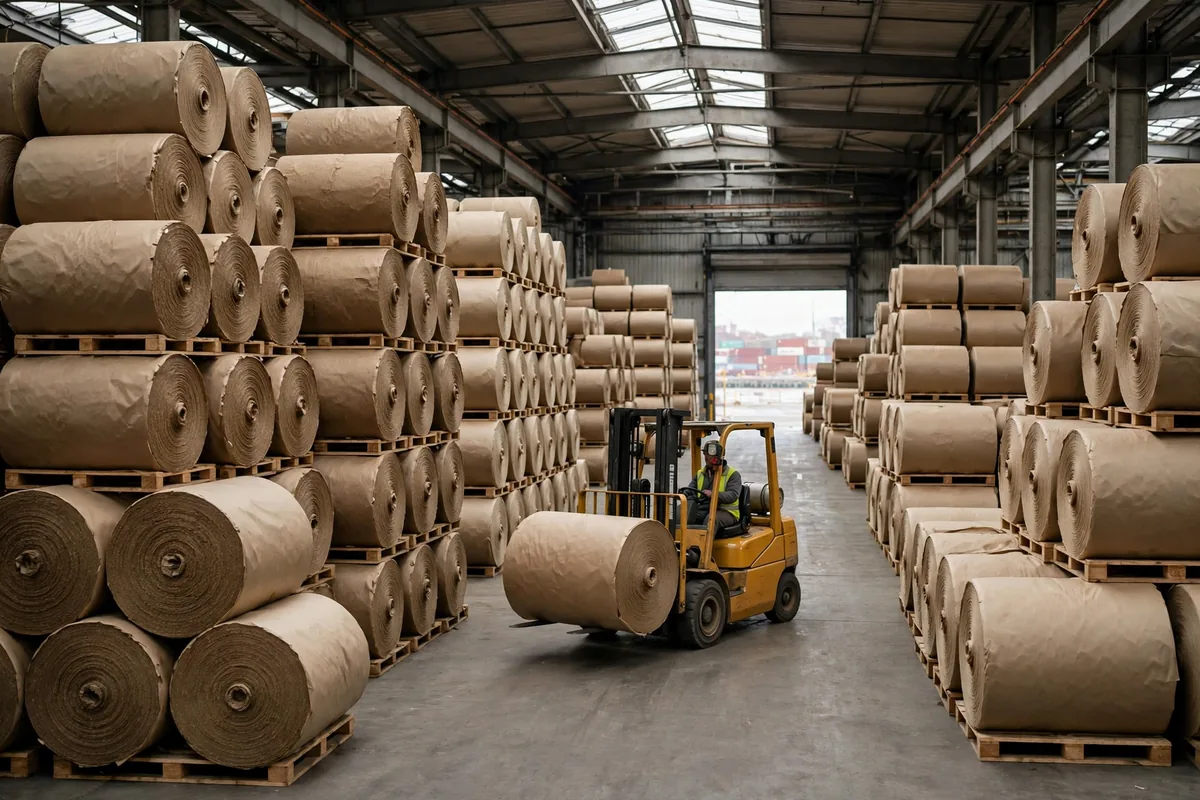
The worst moisture lesson I have seen happened inside a port warehouse. A client's loose pulp sheets were stored in a plain shed to save money. Rainy season came, condensation dripped from the roof, and the bottom layer of every stack went damp. Worse, pulp is sold by the tonne, and damp sheets weigh more. Once moisture content is over the limit, the buyer can dock the price. The whole trick of keeping pulp dry comes down to three things: a roof that does not sweat, stacks raised off the floor, and air gaps between the stacks. Put those three in the contract. It beats arguing about it afterwards by a mile.
Here is a real example of how the big players think. Suzano, the world's largest market pulp producer, sent its dedicated pulp carrier Green Santos out of Santos port on her maiden voyage in 2024, carrying 72,000 tonnes of pulp direct to China. A purpose-built ship for a single commodity tells you everything: dedicated vessel, dedicated terminal, dedicated warehouse, end to end. Smaller players cannot copy the ship. They can copy the thinking. Do not mix pulp into a general warehouse. A shed that held fertiliser yesterday and pulp today will pass on smells and dust that downgrade the sheets.
Port choice is the other big call in Brazil pulp export warehouse logistics. Brazilian pulp moves mainly through Santos, Vitória and Itaqui. Santos and Barra do Riacho in Vitória together handle close to 70% of the country's pulp exports, with Santos alone taking more than 40% in the first half of 2022. Paranaguá is the other route: Klabin has invested heavily there, linking its Paraná mills to the port by rail, with a designed capacity of 3 million tonnes a year. The logic of choosing a port is not which one has the bigger name. It is which one sits closest to your mill, which one has a dedicated pulp warehouse, and which one's sailing schedule lines up with your contract delivery dates.
Brazil Pulp Export Warehouse Logistics: Compare the Landed Cost, Not Just the Rent
When you run the numbers, do not stare at the warehouse rent alone. Here is a comparison framework — the figures are a hypothetical example to show the structure, and real quotes will differ:
| Option | Warehousing | Inland transport | Port handling | Risk |
|---|---|---|---|---|
| Santos dedicated pulp warehouse | Pricier, but moisture-proof | Direct by rail, steady schedule | Plenty of sailings | Peak-season queues |
| Inland general warehouse plus road | Cheap | Flexible by road, but jams | Double handling | Damp and damage |
| Paranaguá rail transfer | Mid-range | Cheap by rail | New terminal, efficient | Train connections need watching |
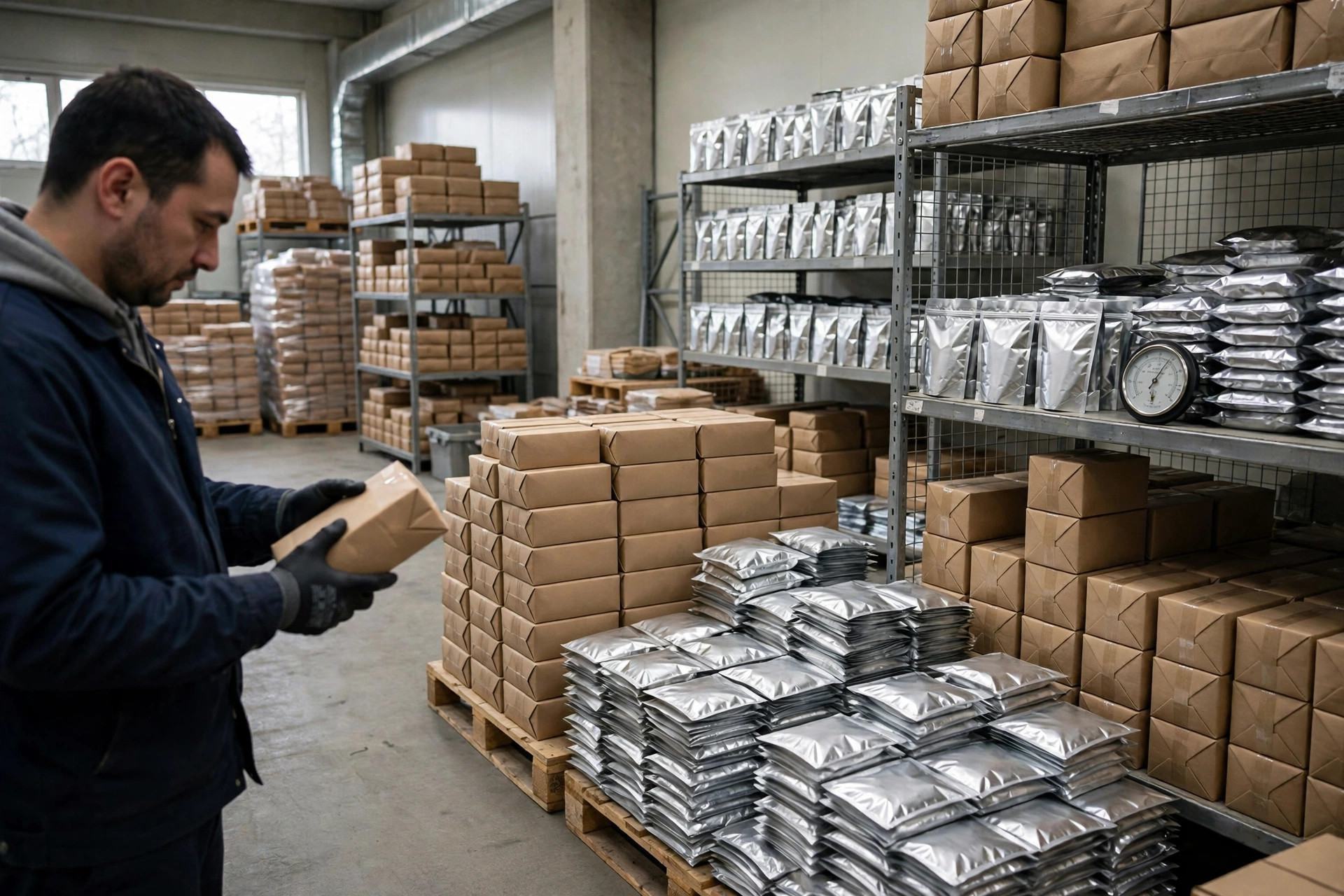
You can see it plainly. The cheapest warehouse rent often turns out the most expensive option once you add double-handling damage, moisture deductions and demurrage from missed sailings. And here is the counterintuitive part: in pulp exports, the money best spent is not on freight. It is on warehousing and packing. Sheets wrapped tight, stacked square, stored dry — open the box in China and the cargo passes inspection first time. Every cent saved on the pulp price can come back doubled as a moisture deduction.
When you negotiate the contract, there are three things only the vendor side usually knows. First, ask whether the rent covers moisture control: ventilation, dehumidifying, raised pallets. Get it in an annex to the contract, not as a verbal promise. Second, ask who bears the cost when sheets go damp: in the warehouse before loading, on the ship, and which leg the insurance covers. Third, ask who pays storage when the vessel is late. A ship delayed a week means port storage charged by the day, and unless that is written down, the cargo owner pays it in the end.
One more thing to flag: the EU deforestation regulation has started to apply, and Brazilian pulp heading for Europe has a compliance hurdle to clear. Check the latest official policy before you ship. It is worth a clause in your warehousing contract too: the supplier must provide origin and compliance documents, and if missing papers hold up customs clearance, the contract should say who bears the cost. Skip that clause now and your Europe-bound cargo will pay for it sooner or later.
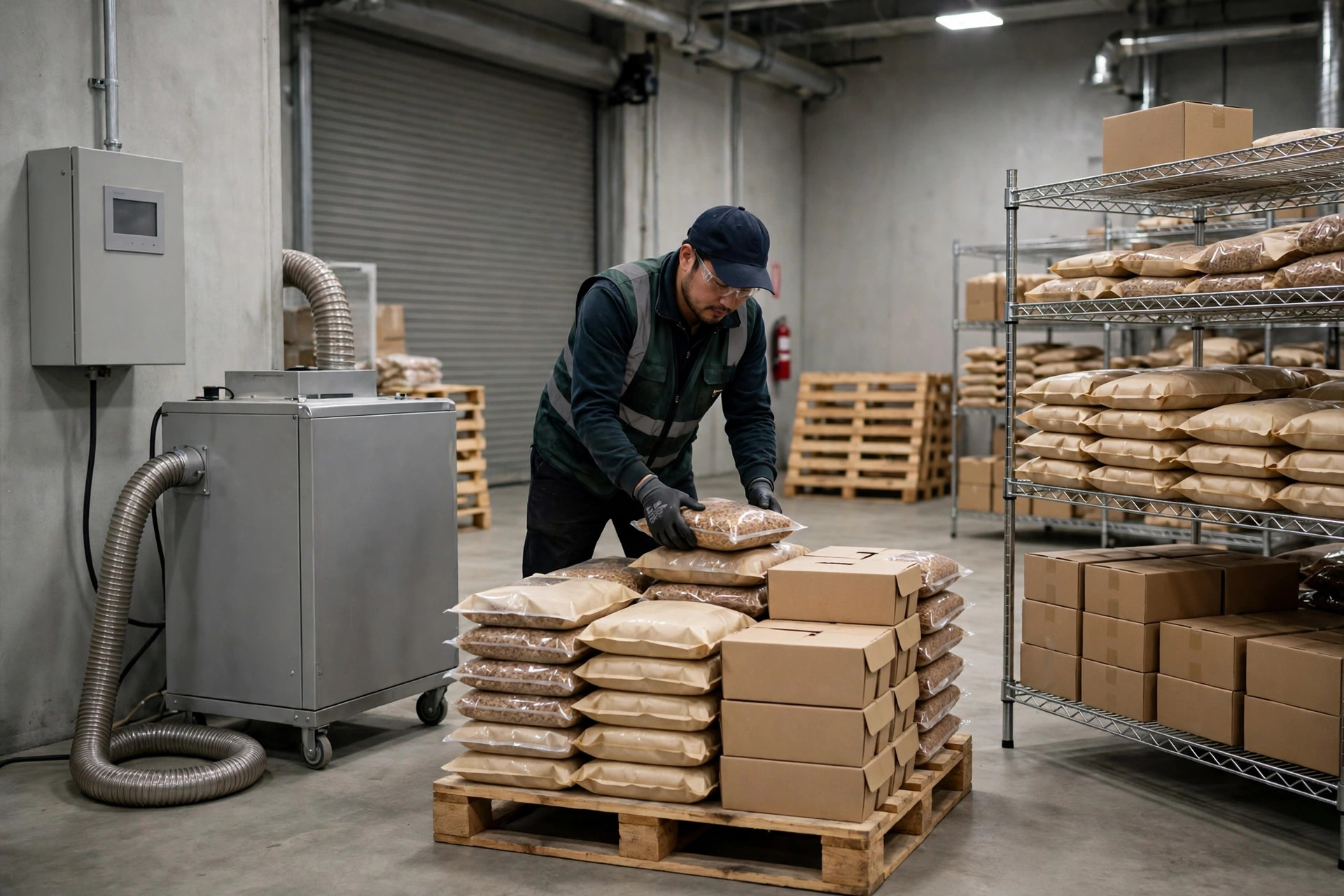
Our Qingdao client changed his approach after that first shipment. He switched to a dedicated pulp warehouse at Santos, wrote the three moisture rules and the liability split into the contract, and added a moisture-proof film to the sheets. The second shipment passed inspection first time. He told me, Susan, if I had costed the warehousing leg properly from the start, I would never have lost money on the first one.
Next time you negotiate a contract, remember to ask these three questions: are the moisture measures written into the contract? Who pays when the pulp goes damp? And if the vessel is late, who pays the storage? Get those three answered clearly, and your Brazilian pulp order is most of the way to safe.
By Susan, 3PL Sales Director