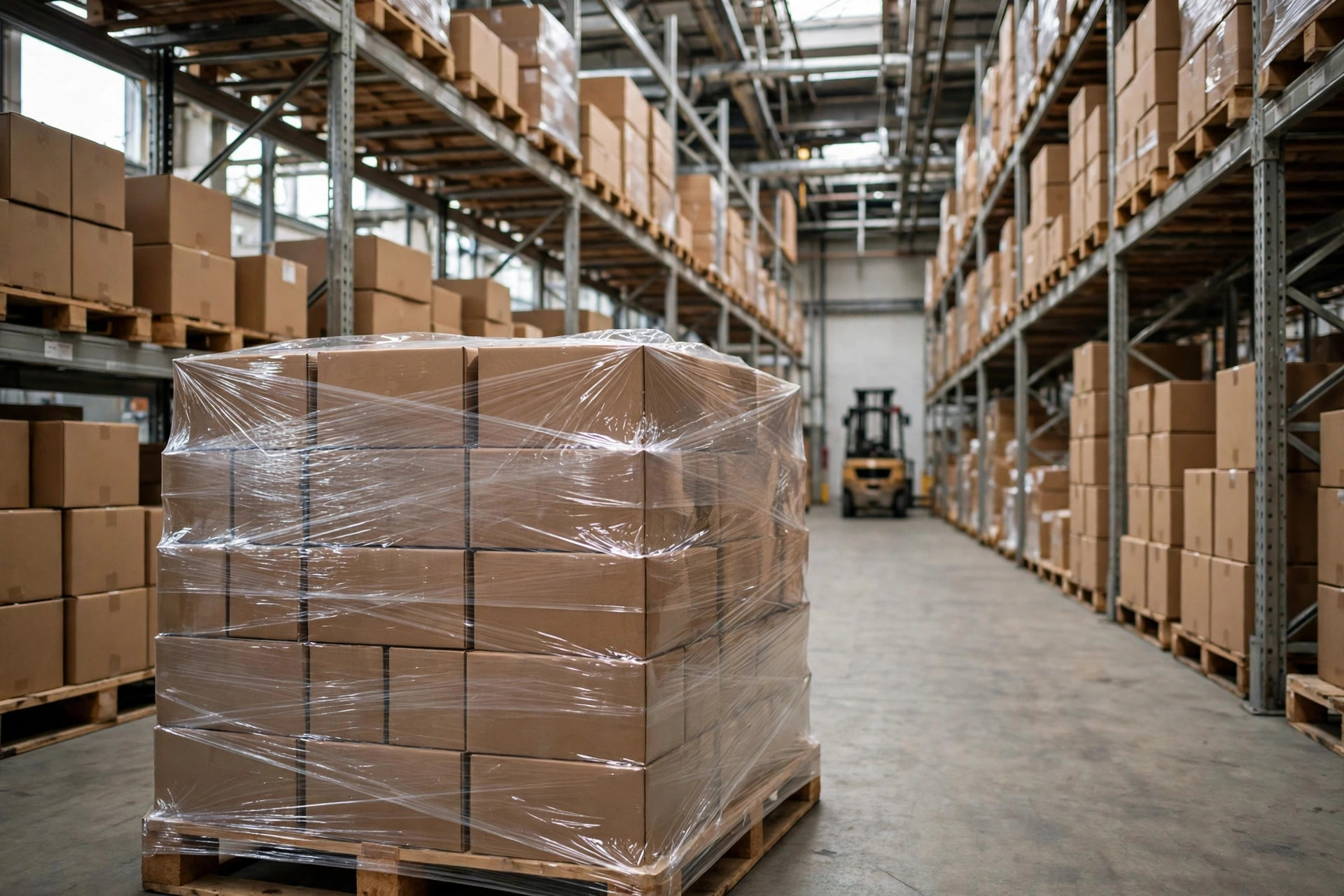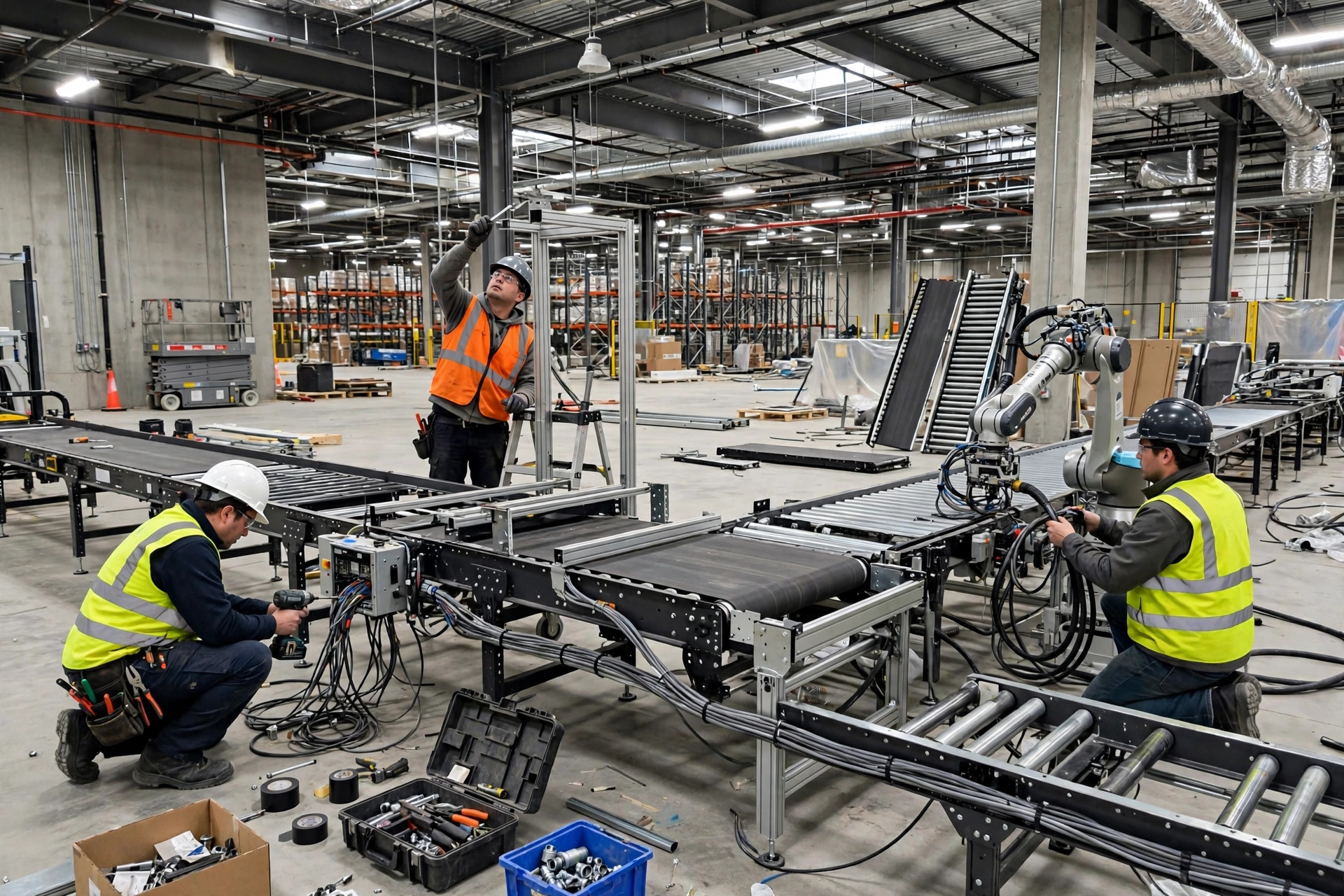
Two months ago I toured a big fulfillment warehouse, and the thing that made me jealous wasn't the robots — it was the cardboard. Their boxes get made on the spot: whatever the order contains, the machine cuts a box that fits like it was tailored. Then I came home to my 3,000-square-meter warehouse: eight box sizes stacked in a corner, none quite right, packers grabbing the oversized one "just in case" while void fill disappears by the roll. So I did what everyone does and googled how much does a box on demand machine cost warehouse — and got a wall of vendor brochures, every price tag reading "contact sales."
When I finally pieced together the real range, my wallet filed a formal complaint. Let's be honest: small warehouses like mine can't burn money like that.
But I'm stubborn, so I ran the full math anyway. And here's the interesting part — the real question was never "can I afford it." It's "can the machine afford me": is my order volume big enough to feed it? Let me open the books.
What a Box-on-Demand Machine Actually Does
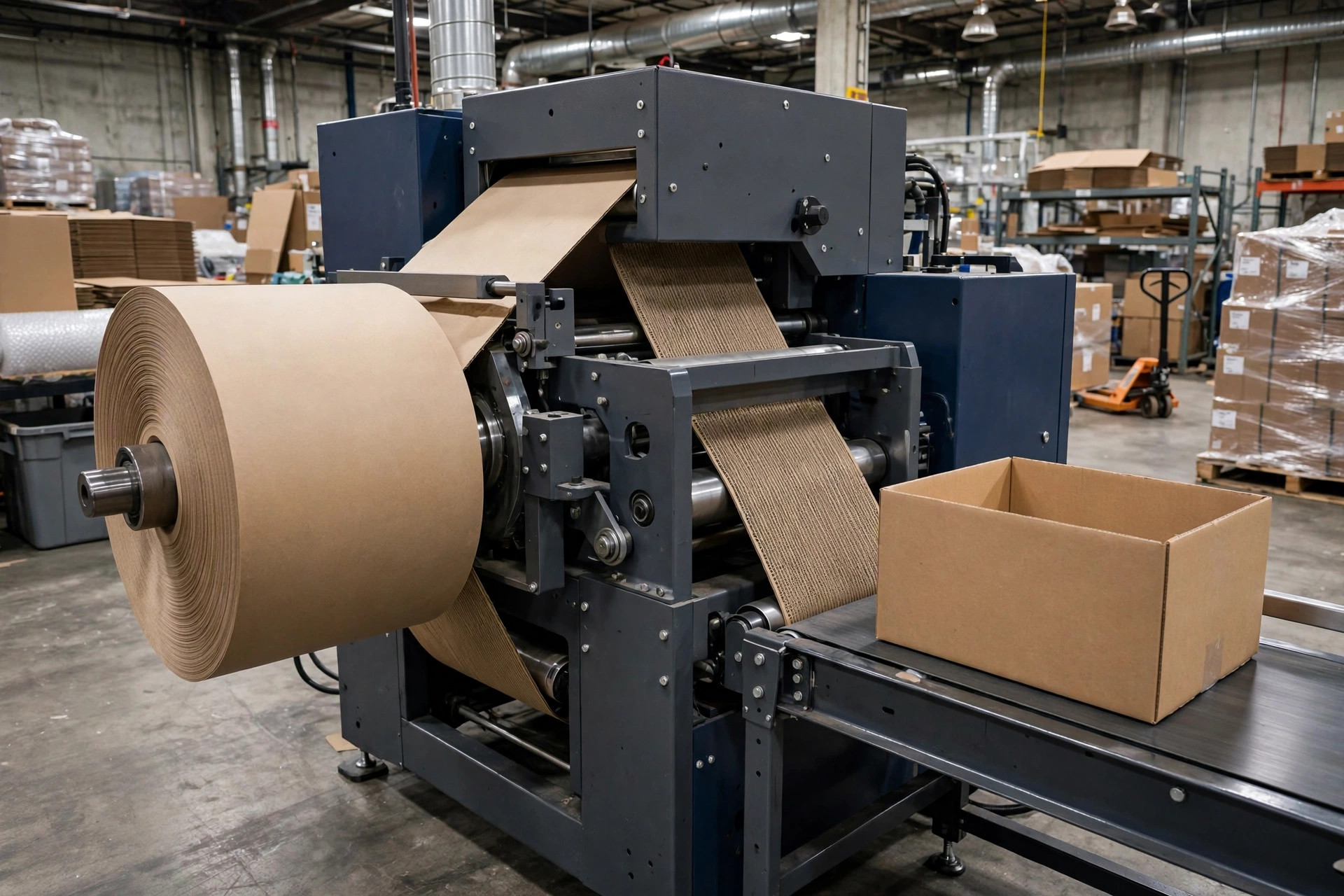
A box-on-demand machine doesn't stock finished boxes at all. It stocks fanfold corrugated rolls and, for each order, cuts and creases a box sized to the actual items inside. Packsize is the best-known name in this space.
It kills three pains at once. One: you stop warehousing dozens of box SKUs — a few rolls replace a whole corner of the building. Two: right-sized boxes collapse your void-fill usage. Three: smaller boxes trim the dimensional-weight portion of parcel shipping. Sounds beautiful. Beautiful things are rarely cheap.
How Much Does a Box on Demand Machine Cost? Four Buckets
The equipment itself, from what I've been able to gather publicly, runs from the low six figures well into the mid six figures in USD depending on speed, automation level, and corrugated width — get a real quote from the vendor, because I'm not inventing one here. But the sticker price is only bucket one. Buckets two through four are where the money keeps quietly burning:
Bucket one: the machine. Low-to-mid six figures, paid once. Depreciate it over five years and that's several thousand dollars a month evaporating whether you run it or not.
Bucket two: consumables — the fanfold rolls. Priced by the foot, looks innocent. Here's the trap, though: the rolls are tied to the machine's ecosystem. You're effectively locked into the vendor's paper supply, and when paper prices rise, you have zero leverage. Ask about this before you sign anything, not after.
Bucket three: maintenance and wear parts. Cutting blades and creasing wheels wear out, and there's an annual service contract on top. Not huge money, but it's every year, and the fine print matters — response-time SLAs, what's excluded, all of it.
Bucket four: floor space and labor. The machine plus roll storage eats dozens of square meters, and somebody has to load rolls and clear jams. At small-warehouse rents and wages, that's real money too.
Add it up and the truth comes out. Your true cost per box = paper consumed + depreciation per box + maintenance per box + labor per box. And depreciation is fixed — which is the entire key to the math. Everyone typing how much does a box on demand machine cost warehouse into Google should really be asking a sharper question: how much does it cost my warehouse, at my volume?
The Breakeven Formula: Steal This Line
Monthly orders × (bought-box cost − made-box cost) > monthly depreciation + monthly maintenance share + extra labor/space cost
Left side: money saved per month. Right side: money spent per month. Left has to beat right, or walk away.
The killer variable is volume. Depreciation doesn't care whether you run ten boxes or ten thousand — the more orders, the thinner it spreads per box. Too few orders and each machine-made box costs more than just buying the finished box. Then what exactly was the point?
Two real stories. In 2024 I visited an e-commerce warehouse in the Midwest pushing tens of thousands of orders a day. They'd installed a box-on-demand system, cut box SKUs from over forty down to three paper rolls, and void-fill usage at the pack stations fell off a cliff. Their math worked because sheer volume diluted the depreciation — payback in a little over a year. That's the "volume feeds the machine" story, and it's the only story in which the machine wins.
The flip side: a mid-size operation doing two to three thousand orders a day bought one after a slick vendor pitch. They ran it at maybe 30% capacity. Depreciation per box came out higher than buying finished boxes — and they were locked into premium-priced rolls with no way out. That's "the machine waits for volume," and waiting only loses money.
Here's the contrarian take: most ROI pitches count "how much cheaper each box got" and quietly skip "the machine depreciates while it sits idle." A box-on-demand machine without enough volume is an expensive sculpture. Being able to buy it and being able to justify it are two completely different things.
Our Ghetto Fix: The Box-Matching Cheat Sheet
Back to us. A few hundred orders a day, eight box sizes, and the honest diagnosis: the problem wasn't the boxes, it was human nature. Packers grabbed the big box, stuffed in bubble wrap, moved on. We were burning through void fill by the roll every month while the "right" box sat untouched.
Our fix cost zero dollars: a box-matching cheat sheet. We grouped our common products by size combination, mapped each group to one or two recommended box sizes, printed the chart, and taped it right in front of every pack station. We also trimmed eight box sizes down to the six we actually used and cleared out the dead ones. Every evening, the shift lead eyeballs void-fill usage — a spike means somebody gets a friendly question.
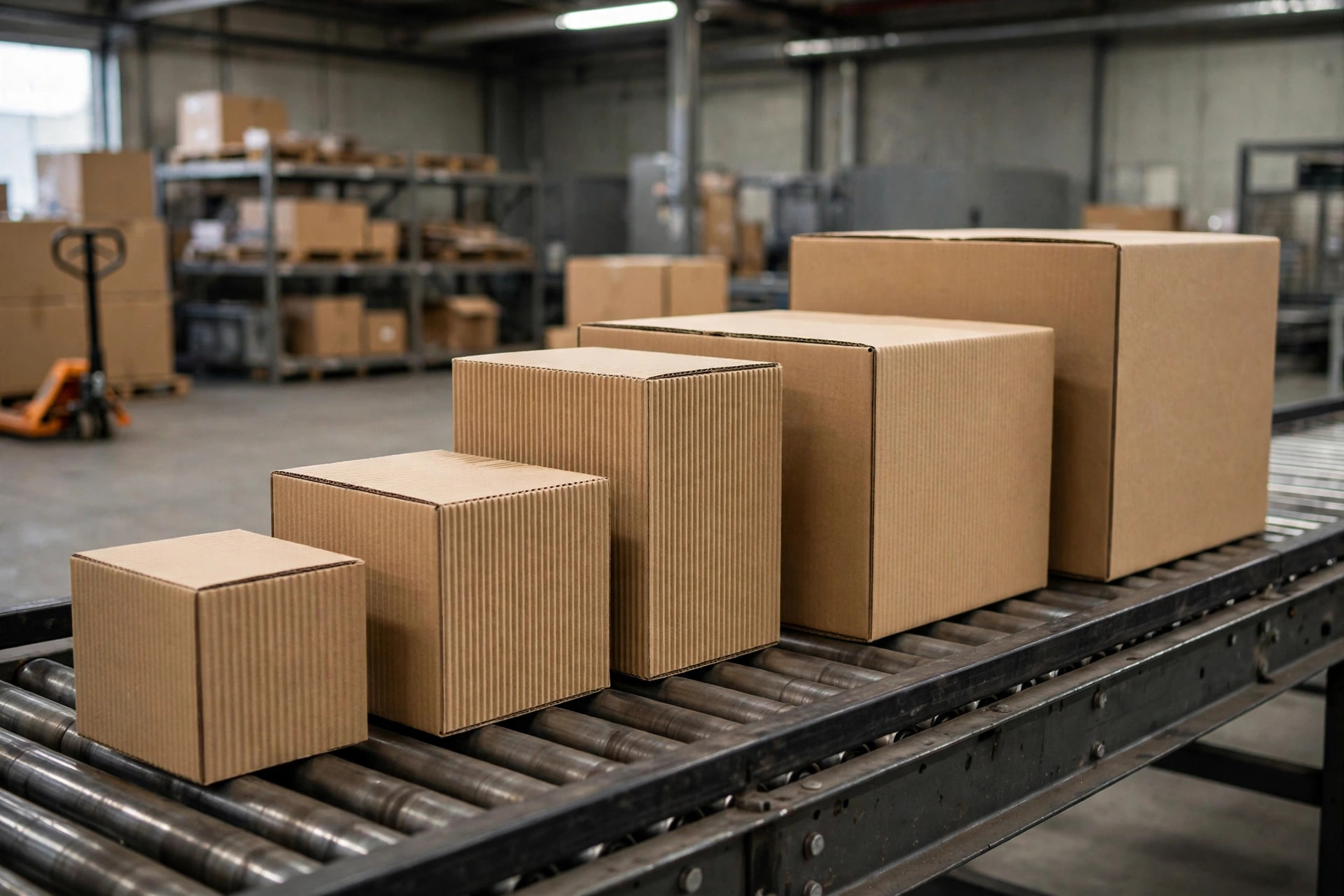
Three months in: void-fill usage down roughly 70%, and the oversized-box-for-a-tiny-item is basically extinct. No high tech — one sheet of paper. I'll admit the ceiling: at ten times the volume, humans can't keep up with manual matching. But that's a future problem, and future problems get future budgets.
Three suggestions for fellow small-warehouse owners. First, run the breakeven formula above with your own numbers — if you can't reach the volume, admire the machine from a distance. Second, box standardization plus a matching chart solves about 80% of the problem for near-zero cost — do that step first, seriously. Third, when your volume finally justifies the machine, ask the vendor about leasing or financing before you nuke your cash flow with a lump sum.
So — how much does a box on demand machine cost warehouse? Wrong question. Ask how much it costs your warehouse, divide by your monthly orders, and compare honestly against the box you're buying today. When we hit ten thousand orders a day, I'll be first in line to buy one. Until then, the cheat sheet smells just fine. Small warehouses have their own way of surviving.
By Xiao Ma, Small Warehouse Owner