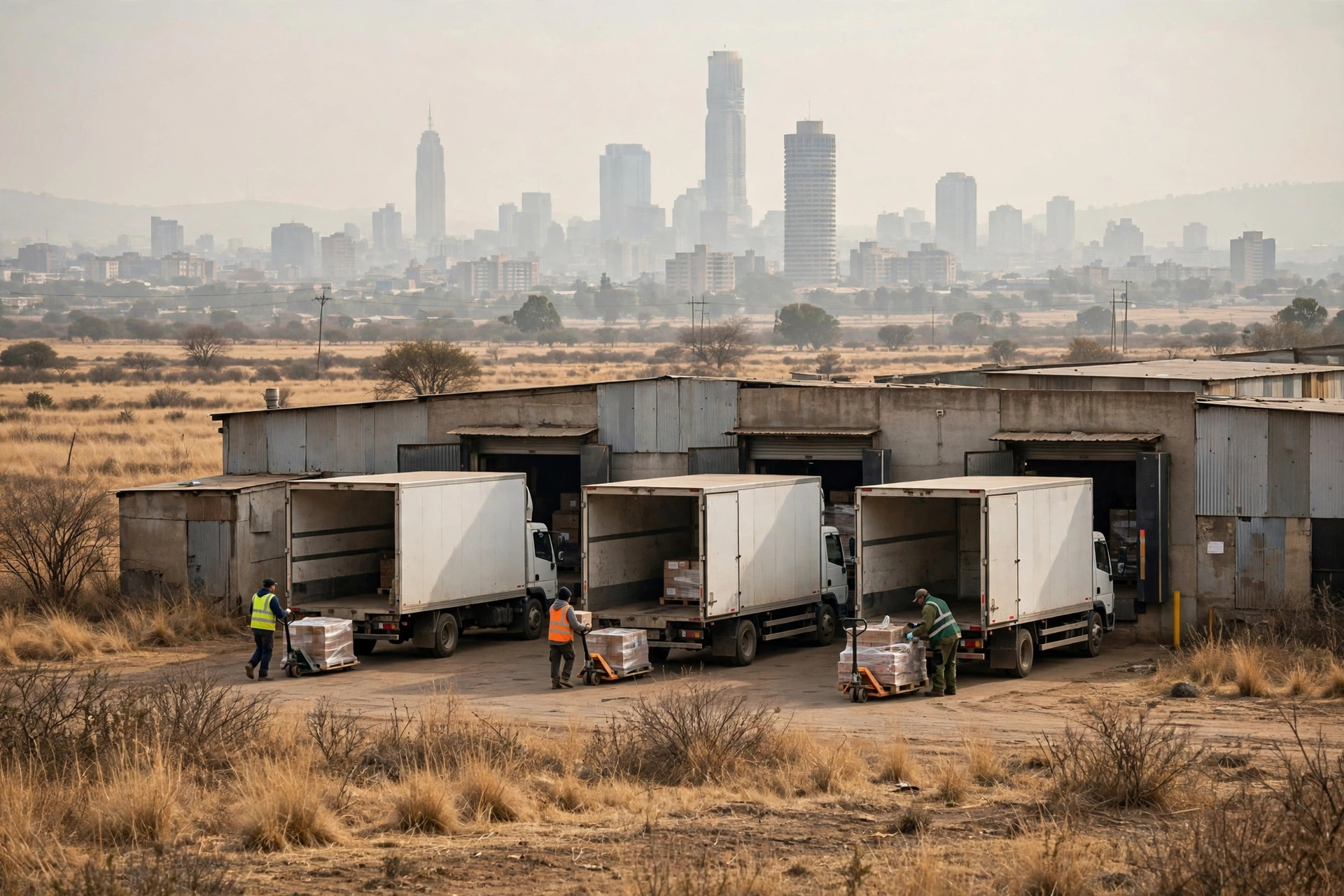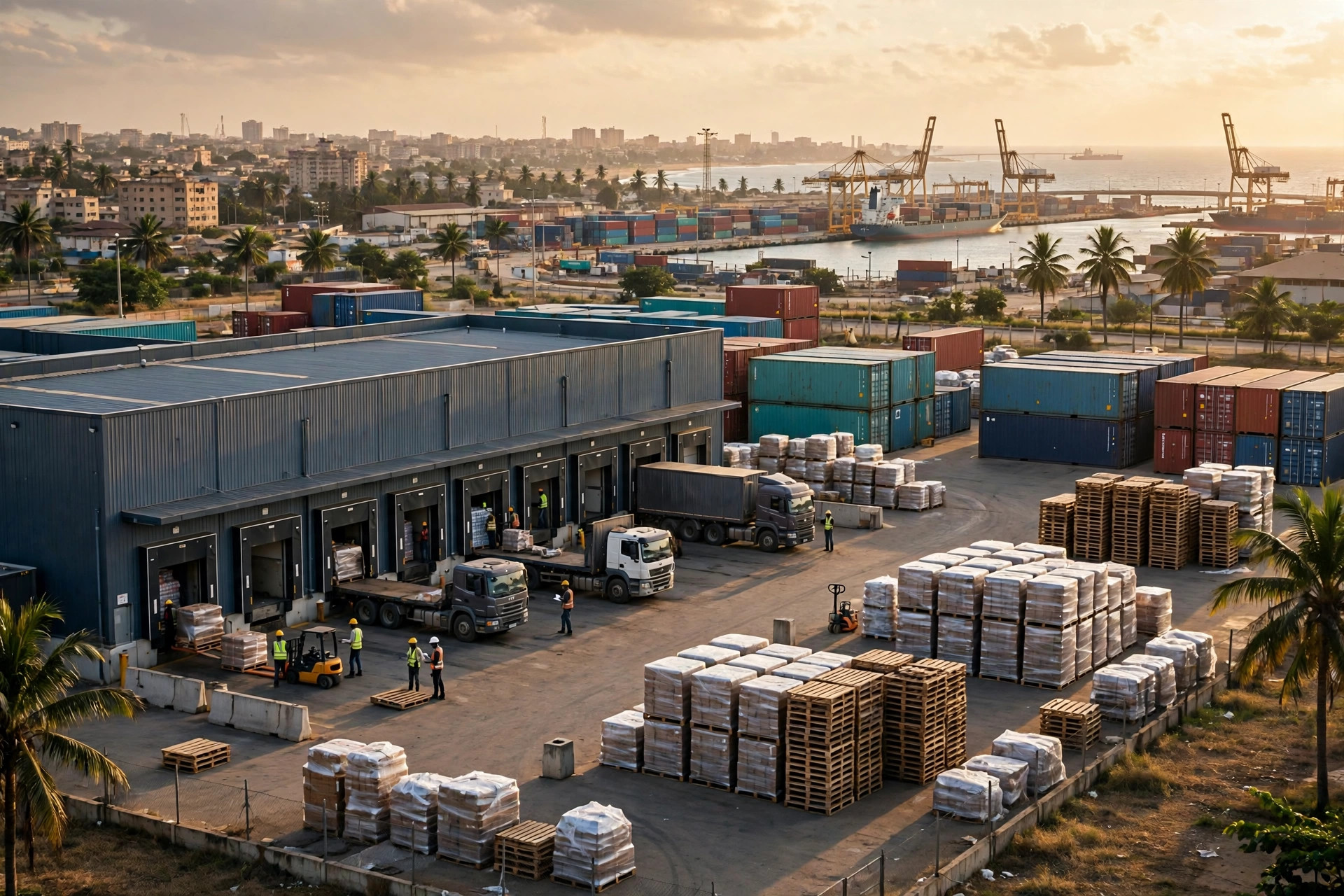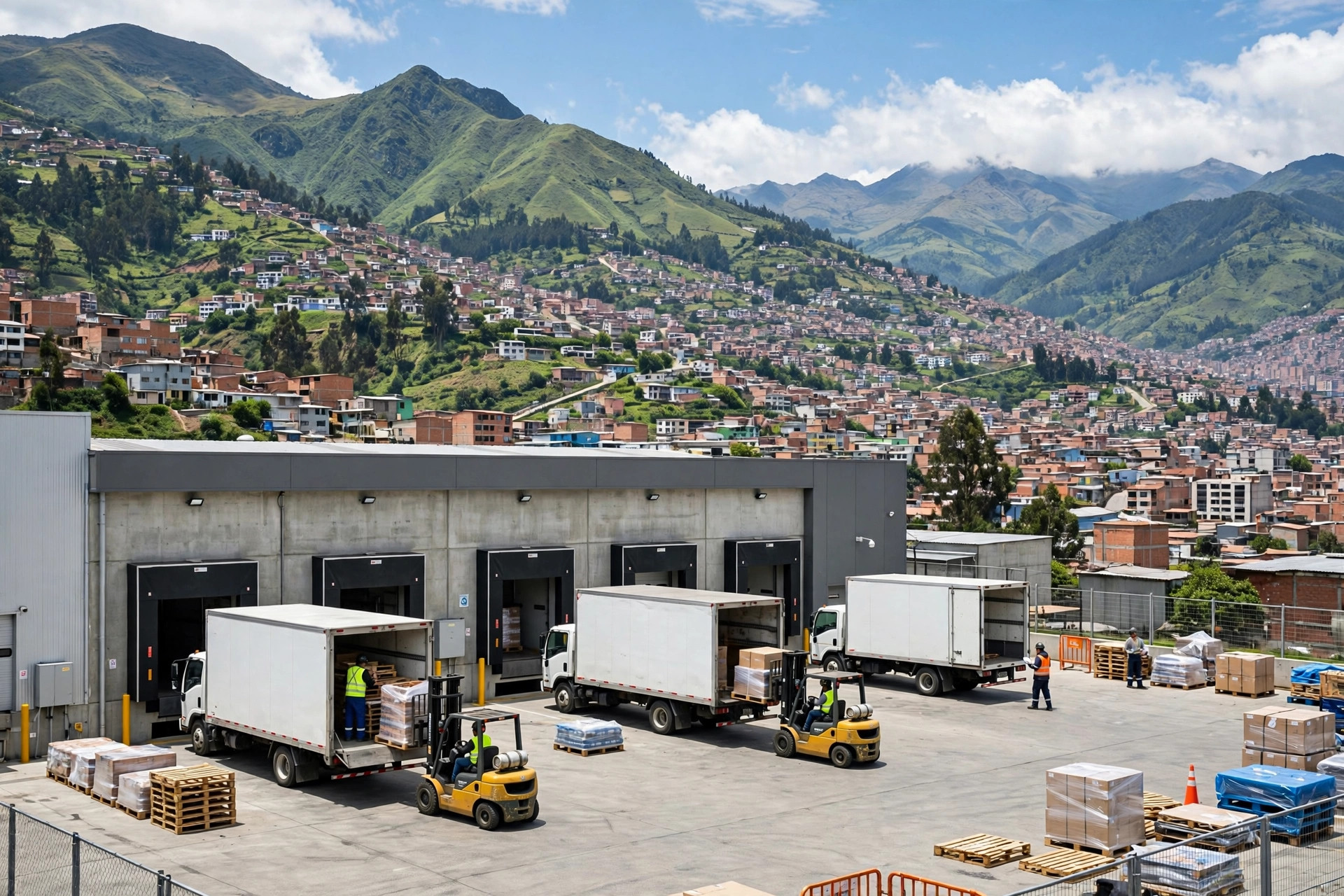
The Barranquilla warehouse market is not one market. I learned that the hard way on my first trip in November 2023, when I arrived with a shipment and a simple plan: rent near the Caribbean port, ship fast, win. Three days of driving around the city killed that plan. Barranquilla gives you three very different bets — the port corridor, the suburbs, and inland distribution — and picking the wrong one means you spend every month paying for someone else's convenience.
Here is the blunt version: sellers look at a map, see a port, and assume speed. Port proximity does not mean fast movement, and cheap rent does not mean low cost. This is my breakdown of all three options, with the numbers I actually ran and the mistakes I paid for.
Don't Sign the Port-Side Lease First: Barranquilla Warehouse Market Reality Check
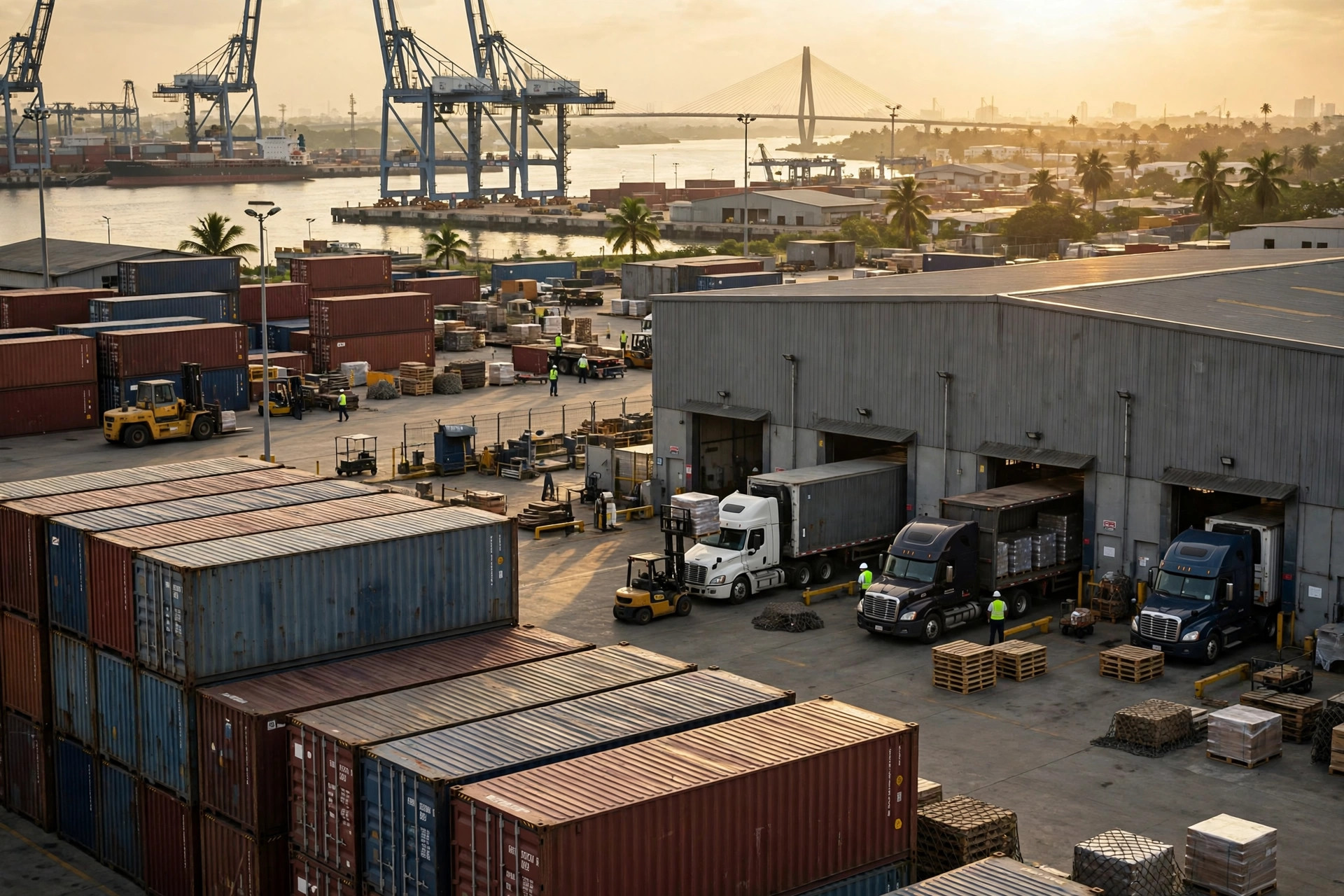
Port-side warehouses sell one thing: closeness to the docks. Your container lands, and within minutes it can be inside a warehouse. In 2023, I almost signed one. The rent was far higher than the suburbs, and the salesperson told me space was so tight in peak season that I should lock it in now.
I walked away for three practical reasons. First, port warehouses are built for big shippers and shipping lines. A small seller's volume gets no leverage, and loading queues follow other people's schedules. Second, traffic in and out of the port zone spikes in the morning and evening, so pickup times are hard to promise. Third, the contracts tend to be longer and stiffer, so you keep paying through the slow season.
A fellow seller learned this faster than I did. In March 2024, he rented about 800 square meters near the port zone to serve the Caribbean coast. His first inbound shipment faced two straight weeks of container pickup delays. Customers kept asking where their orders were, so he air-freighted more than 200 small items to cover the gap, and that freight ate roughly a third of the margin on that batch. He later gave up the port lease and switched to short transit only: goods arrive, then move straight to a suburban warehouse. His summary stuck with me: port space is for people who can afford to wait. He could not.
My rule now is simple. Unless your goods move in and out of the port at high frequency, in large batches, and with zero tolerance for delay, do not lock in port space first. In the Barranquilla warehouse market, the port corridor is best used as a transit point, not a stockroom.
Suburban Warehouses: Cheaper Rent, Longer Days on the Road
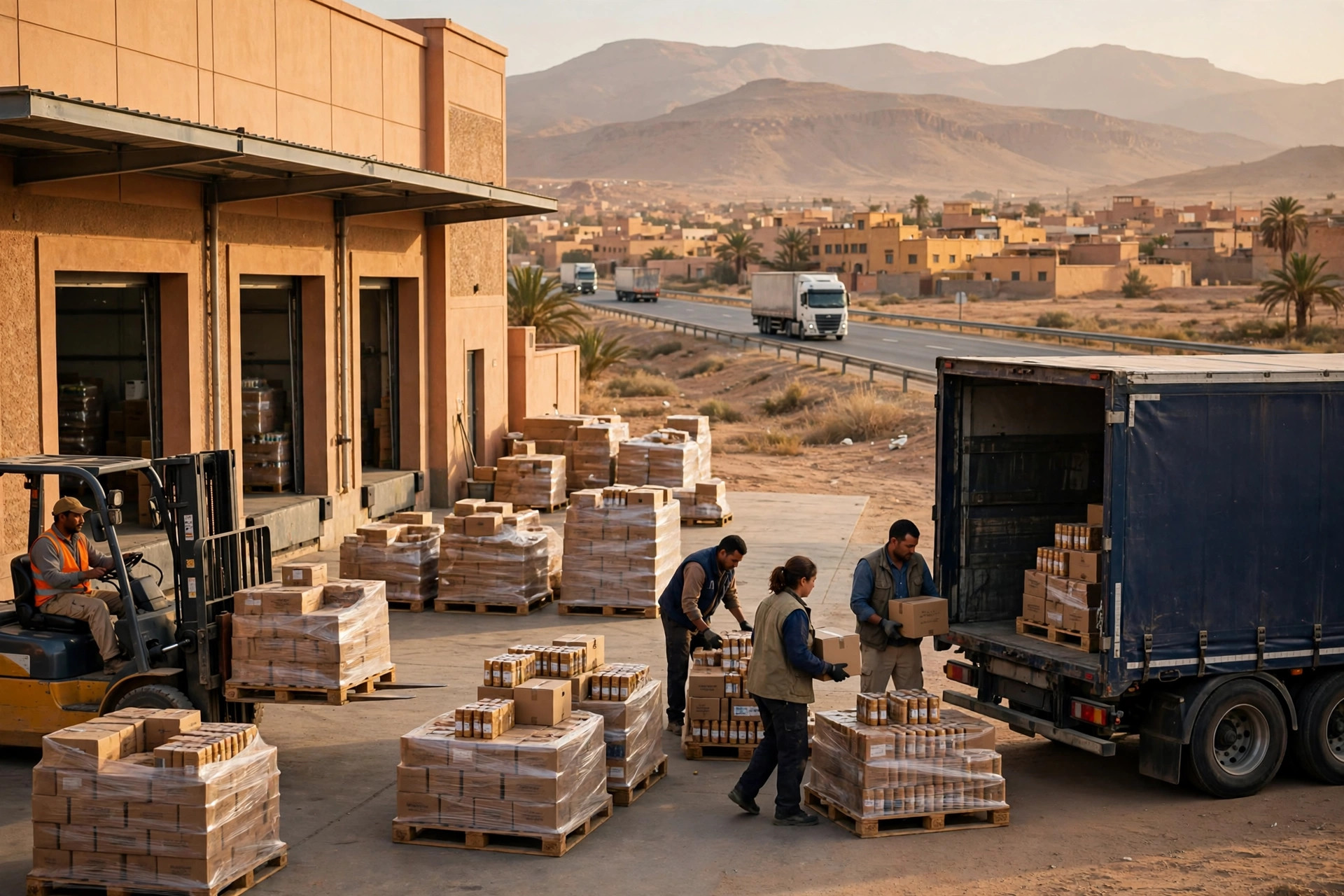
The suburbs are where I ended up, for an unglamorous reason: the rent was lower, the space was flexible, and the landlord would actually negotiate. In June 2024, I rented about 1,200 square meters outside the city center and ran a three-month test. The landlord agreed to quarterly terms and offered expansion into the next unit if I needed it. Try getting that near the port.
Cheap rent has a price, though, and the price is the road. The drive between the suburbs and the port looks short on a map, but rain or rush hour can easily add half an hour each way. My fix was boring and effective: schedule pickups before 10 a.m., dodge the worst traffic, and never send a truck half empty.
Do not compare monthly rent alone. That is the part of the Barranquilla warehouse market most sellers misprice: they see the rent and forget the road. I built a small comparison table for my own decision. Port space cost more per month but needed fewer pickups. Suburban space cost less per month but needed eight to ten extra short-haul trips a month, plus a part-time checker to receive goods. After three months, the suburban option was still about 20 percent cheaper — but only because my stock turned over steadily. If your goods sit for three months without moving, the rent you saved gets eaten by tied-up cash.
Watch the building quality too. Suburban warehouses vary a lot. Some floors cannot take heavy pallets, and some leak in the rainy season. My inspection trick is embarrassingly simple: visit the day after rain and look at the corners and the floor. Water marks tell you more than a fresh coat of paint ever will. That trick saved me from one shiny-looking unit with a real leak.
Inland Distribution: The Most Underrated Play in the Barranquilla Warehouse Market
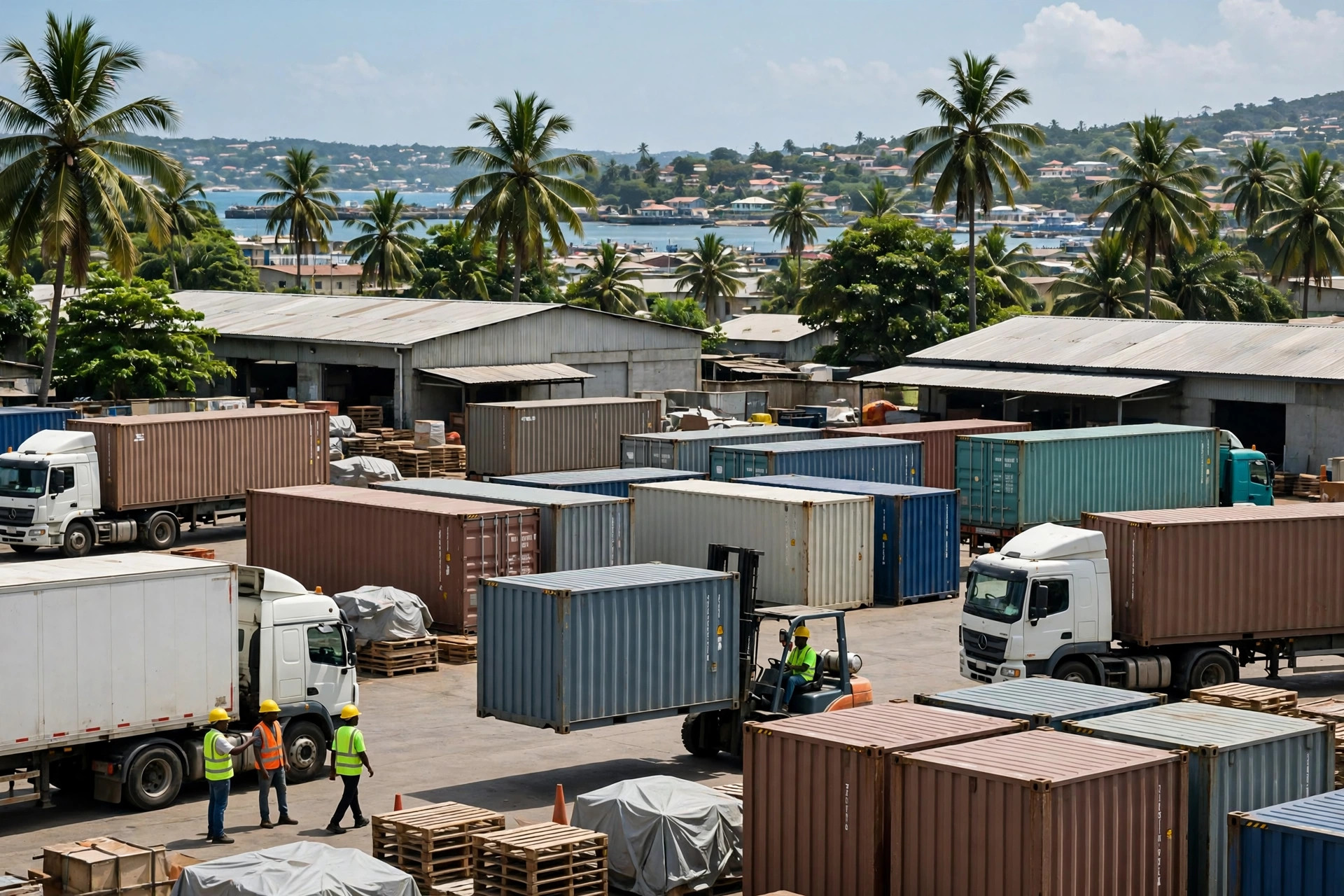
Many sellers treat Barranquilla as the destination. I think it works better as a springboard. Goods come in here, but the real buyers may be in Bogota, Medellin, or other inland cities. How well inland distribution works decides whether your listings stay in stock.
In September 2024, I ran an inland test: about 1,500 household items from my suburban warehouse to two inland cities. The first batch went with the cheapest less-than-truckload option I could find. More than 40 units went missing, and over 20 arrived damaged. Customer messages flooded in. The second batch went with a pricier carrier that ran fixed schedules and took delivery photos. Damage fell to single digits, and delivery times actually became more predictable. The per-unit freight was about 10 percent higher, but once I counted losses and support tickets, the total cost was lower.
Here is the counterintuitive part: do not squeeze inland carriers on price alone. Inland roads in Colombia carry more uncertainty than coastal routes, and part of the freight rate is really a risk premium. Push the price so low that nobody wants to handle your goods properly, and your store rating pays for it. My setup now is fixed: one reliable carrier on core routes with monthly volume pricing, and spot-market quotes only for top-up shipments. That gives me stability without being locked to a single provider.
Replenishment timing has to change too. Coastal stock can be topped up weekly. Inland stock should be planned on a 15 to 20 day cycle, because road delays happen and one stockout can knock a listing down the rankings. Getting that ranking back costs roughly double the ad spend. My rule is separate: 20 days of safety stock inland, 10 days on the coast, managed as two different numbers, never mixed.
How I Combine All Three
My current mix is straightforward, and it reflects how I read the Barranquilla warehouse market now. The port handles transit only, no long storage. The suburban warehouse is the main hub for stocking and packing. Inland cities hold only fast-moving bestsellers as forward stock, not the full catalog. After almost a year on this mix, my total fulfillment cost is about 20 percent lower than my original all-port plan, and stockouts are less frequent.
Three warnings, all bought with real money. First, before signing, ask about handling fees, overtime storage charges, and the notice period for leaving — those three hide in contract appendices. Second, stock up before rainy season and holidays; last-minute extra trucks are luck, not a plan. Third, never put everything in one warehouse, however good it looks. Keep a backup option and spread the risk.
For tariffs, port charges, and current regulations, check the official sources for the latest policy — I am not going to quote figures I cannot stand behind. What you should do is visit, walk the warehouse, drive the pickup route yourself, and only then negotiate. Places that look close on a map can feel very different behind the wheel.
This trick worked for me, and I still use it: run a small batch for three months, work out the true total cost across all three location types, and only then sign a long lease. Do not sign a year on day one. What you save is not just rent — it is the freedom to change direction.
By Ah K, E-commerce Seller (5 yrs)