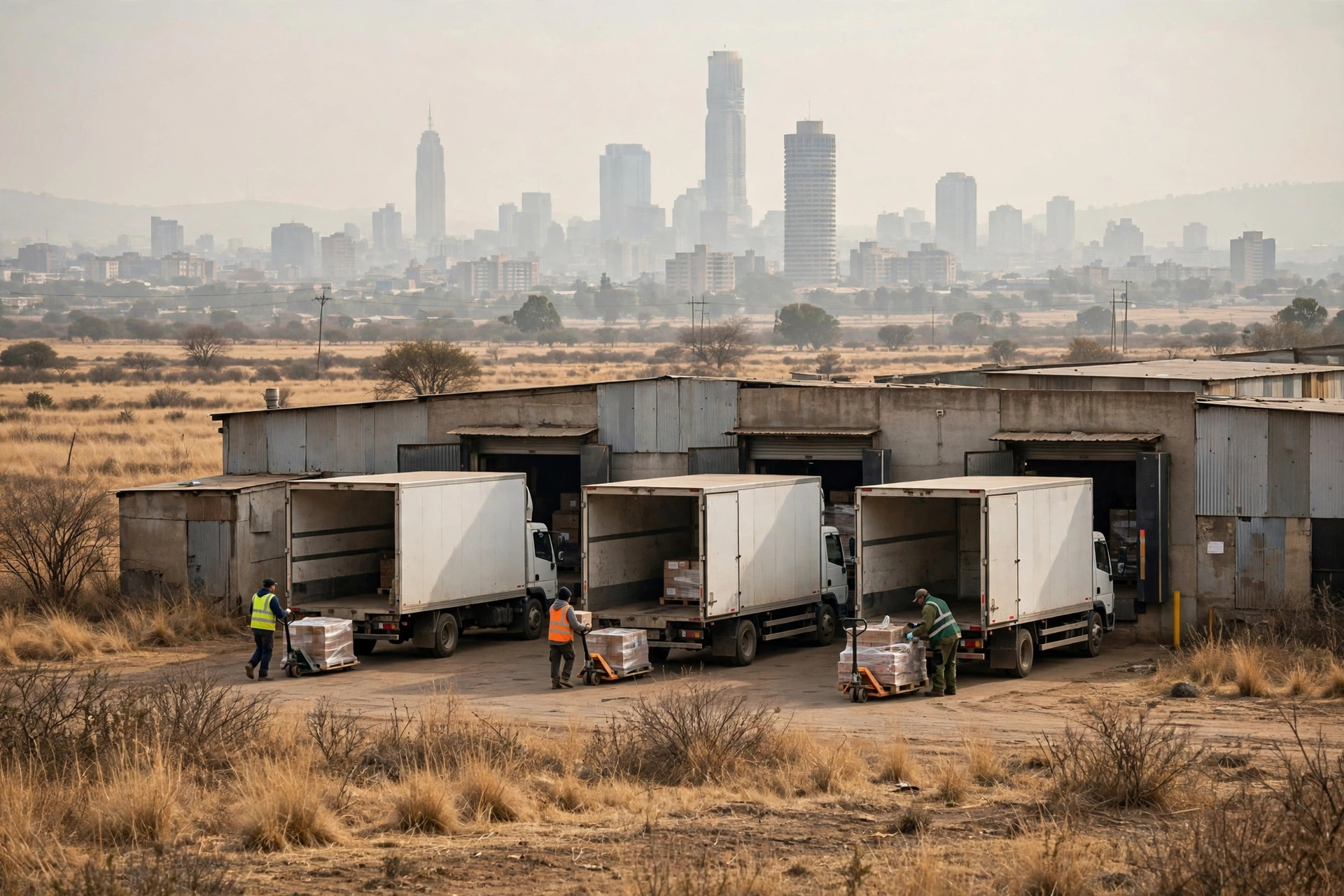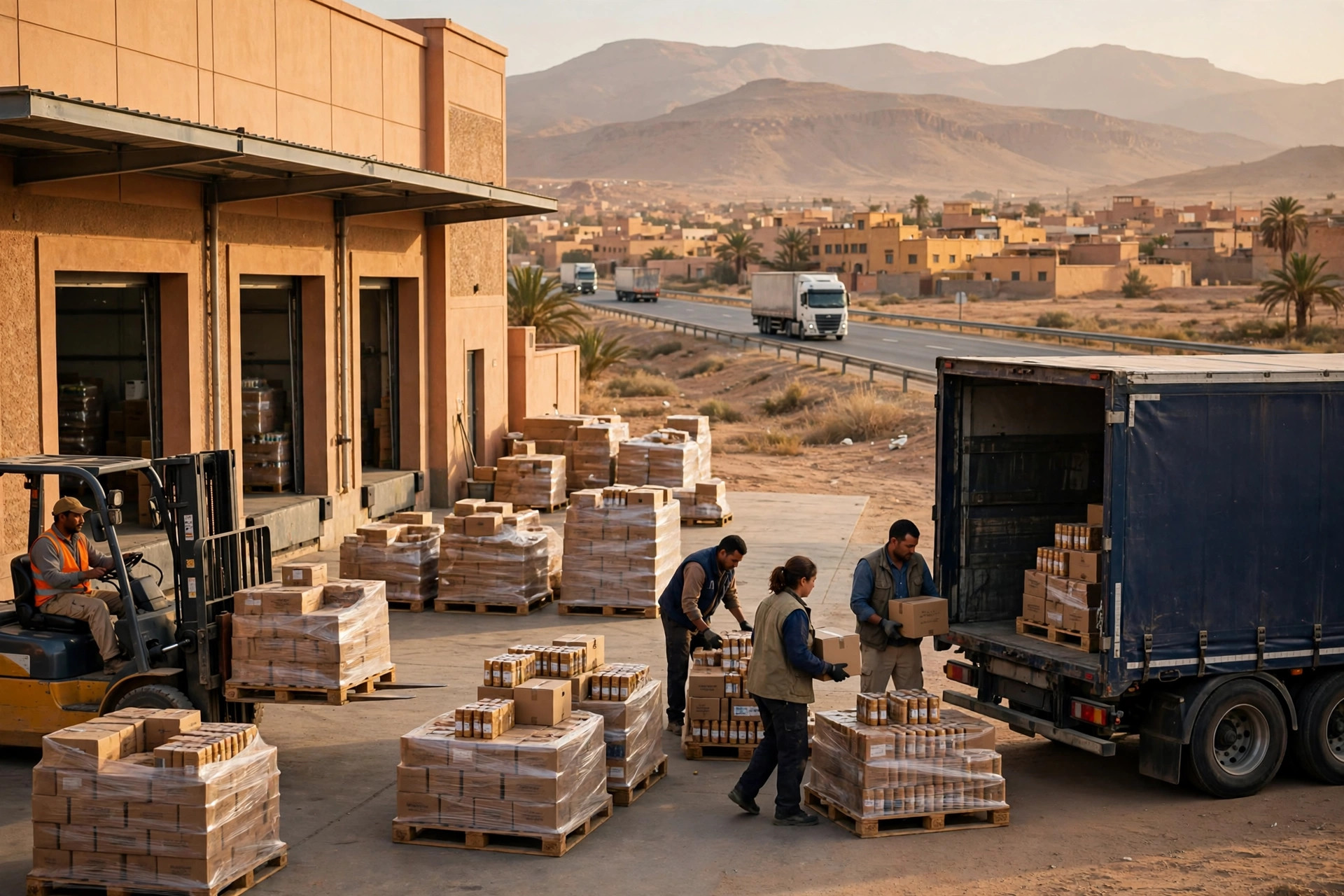
In July 2025, I watched a leather-goods seller with a Marrakech warehouse run out of stock twice in three days, even though his goods were sitting in a suburban warehouse a short drive away. He had prepared 120 cartons for the summer tourist peak, a month in advance, and rented outside the city because the space was bigger and easier to access. When the peak arrived, his downtown shops kept selling out, and every replenishment truck had to detour around the old city, wait for traffic clearance, and burn half a day on a single trip. That is the first lesson of a Marrakech warehouse decision: the question is not whether rent looks cheap, but how far your stock really sits from the person about to pay for it.
Marrakech Warehousing Is About Selling to Tourists, Not Saving on Freight
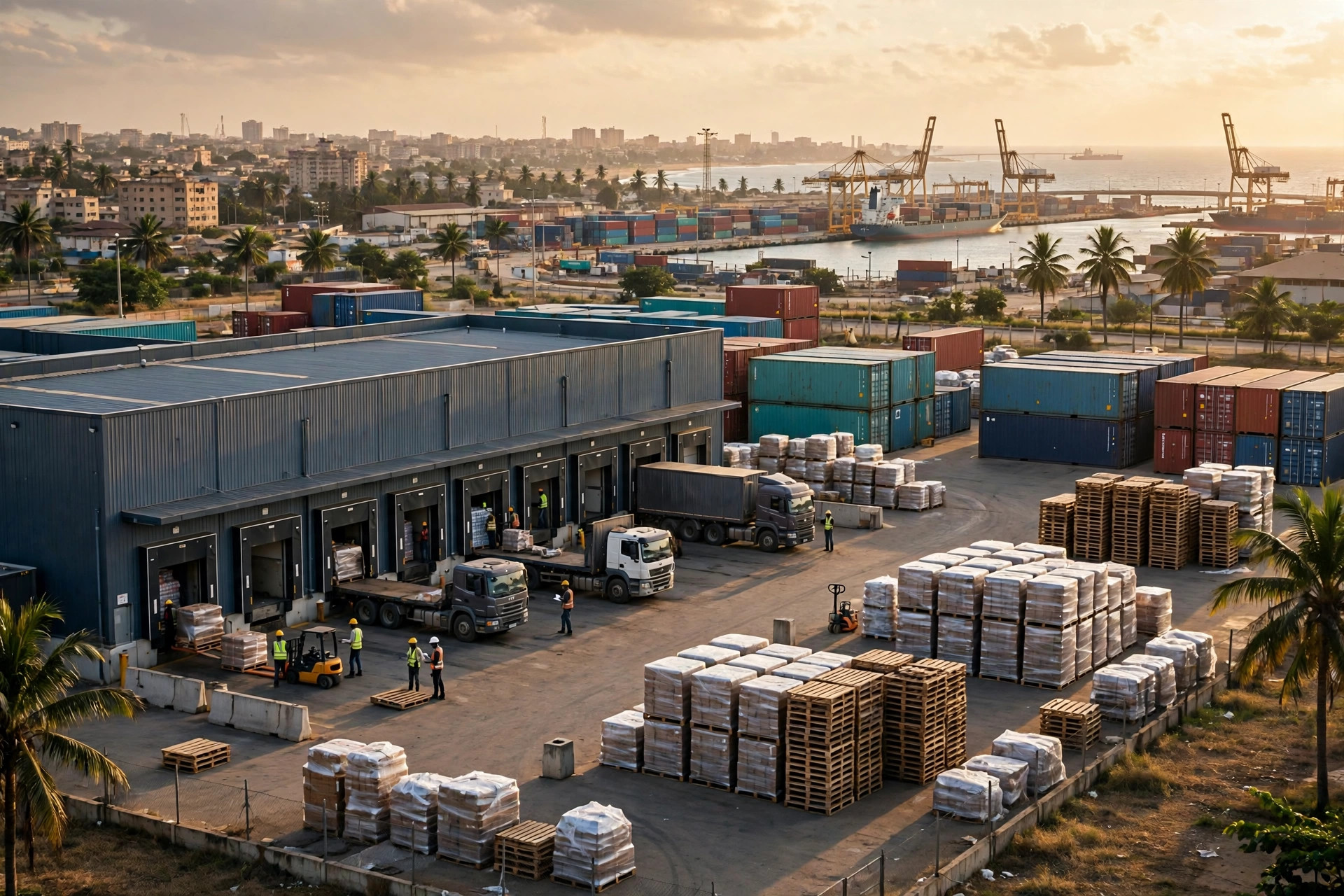
Marrakech does not behave like an industrial city. Goods come in through the Port of Casablanca and through Tanger Med on the Mediterranean coast, then travel south by highway toward Marrakech. The trunk road itself works fine. The hard part is the last stretch, because your buyers are not factory purchasers. They are tourists, small shops in the old city, guesthouses, and market stallholders. They order urgently, in small quantities, in many colors and styles, and a missing color today becomes a lost sale tomorrow.
A handicraft seller I know learned this in September 2025, when a tour group ordered 400 small ornaments with only four days to deliver. His bulk stock sat in a suburban warehouse, and coordinating the pick, the shared truck, and the city delivery ate two full days. He nearly missed the deadline. After that, he split his stock: bulk goods stayed outside the city, while a small downtown room held only his best sellers, so group orders could ship from inside the city at once. His logic was blunt. The downtown room looked expensive per square meter, but it protected orders, and orders are what keep a small seller alive.
Here is the counterintuitive part. Most newcomers assume a warehouse in Marrakech saves freight, because stock sits closer to the market. In practice, keeping stock close enough to avoid stockouts often means running two locations at once, a suburban warehouse plus a downtown room, with more transfers and more handling in between. The total bill can end up higher than shipping directly from Casablanca. A Marrakech warehouse earns its keep not by cutting freight, but by making sure goods are on hand at the exact moment a tourist decides to buy. One stockout costs more than a single order, because a shop that cannot get goods from you this week may stop calling you next week. My little warehouse cannot afford that kind of loss, and neither can yours.
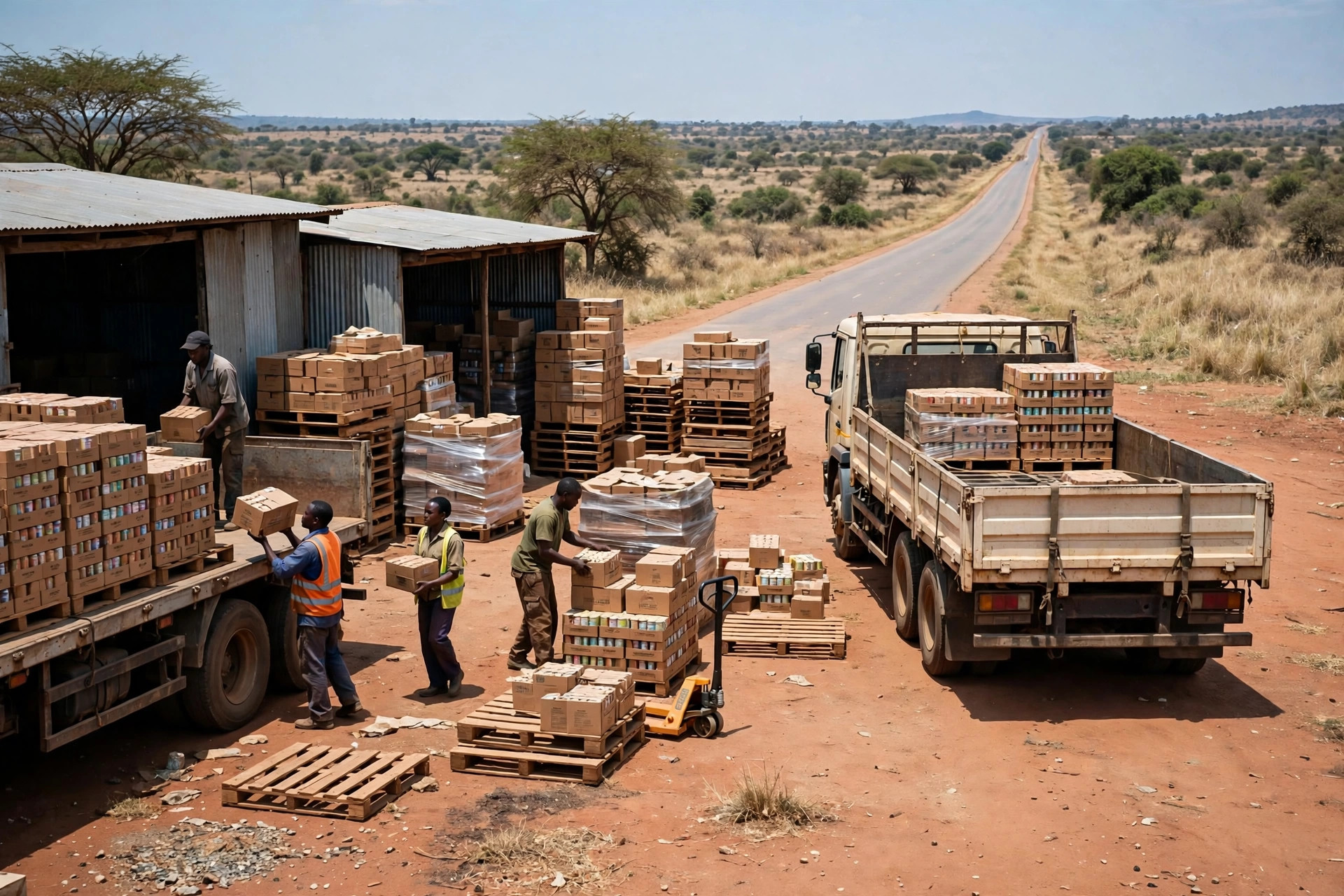
The same logic applies to farm produce distribution. Olives and citrus from the Marrakech region arrive in a rush during harvest season. In October 2024, I saw a convoy of 20 trucks arrive from nearby growing areas over two days, all headed for one suburban warehouse. The owner planned to sort everything slowly inside, but downtown restaurants and gift shops were already calling for the new-season goods, three calls before the warehouse had even finished unloading. Farm produce does not wait for tidy sorting. Speed of distribution matters more than square meters.
Marrakech Warehousing: Suburb Yard or a Room Inside the City?
Before comparing locations on a map, check whether your truck can actually reach the door. The old city's lanes are narrow, and tourist crowds in peak season make many streets impassable for large trucks. The last stretch often needs several trips by small vehicle. A suburban warehouse suits bulk stock, seasonal goods, and full truckloads arriving from the ports. A downtown room suits best sellers, rush orders, and goods that need same-day replenishment. The trade-off is clearer in a table than in a paragraph.
| Option | Best for | Advantage | Trap |
|---|---|---|---|
| Suburban warehouse | Bulk stock, seasonal goods, full truckloads from the ports | Big space, easy access, good for sorting | Far from buyers, slow replenishment in peak season, high stockout risk |
| Downtown room | Best sellers, rush orders, same-day replenishment | Close to shops, fast restocking, protects orders | Small space, cannot hold big goods, needs constant attention |
| No warehouse, ship from Casablanca | Testing new products, unstable volumes | No warehouse to maintain, low cost of trial | A peak-season trunk delay means stockouts, and control is not yours |
My advice is deliberately unglamorous. When you first enter the Marrakech market, do not rent a big warehouse. Run one peak season with a downtown room plus shipments from Casablanca, learn which styles truly sell and which shops truly reorder, and only then decide whether the suburban site should grow. Renting big on day one looks impressive, but after the peak passes, leftover stock becomes cash sitting on shelves. The money-saving trick for a small operator was never finding the cheapest building. It was using the smallest space that proves the market, then scaling only after the proof. That sounds less heroic than a grand opening, and it keeps you in business.
One more practical point on trunk connections. Goods moving south from the Port of Casablanca and from Tanger Med need slack in peak season. Port pickup, highway driving, and city delivery can each slip, and every slip eats into the delivery date you promised. Running a Marrakech warehouse means quoting customers one extra day in peak season. If goods arrive early, it is a pleasant surprise. If they arrive late, you have not broken a promise. Marrakech summer heat and peak-season crowds will not adjust to your promise.
Summer Heat Changes the Stocking Math
Summer heat in Marrakech hits warehouse work directly. In the hottest afternoon hours, loading and unloading slow down, workers need rotation and water, and goods stacked outdoors need protection from sun and dust. Some temperature-sensitive goods, such as certain foods and handmade soaps, can suffer in a poorly ventilated metal shed after one hot afternoon. I have seen it and smelled it on site, and it is not a theoretical risk.
Stocking strategy has to follow the season. Tourist buying comes in waves, following flights, holidays, and tour groups, not in a smooth line. Filling a warehouse for the whole peak season looks safe, but it turns cash into inventory. Stocking too little means stockouts on group orders and holiday peaks. A steadier split works in three layers: the downtown room holds best sellers that will certainly sell within two weeks, the suburban warehouse holds regular stock for the quarter, and only goods already on the road sit in the port pipeline. Each layer should be sized from what actually sold in the last peak season, not from an imagined peak.
So the real Marrakech calculation is not a price per square meter. It is three choices: stock near the customer or near the port, stock deep or turn fast, chase peak volume or protect repeat buyers. Place names and ports here are real, and any specific rent or market-size figure should be checked against the latest local market report before you act on it. Prove the market with a small space first, then decide whether to grow. That is the order that lets a small warehouse owner survive in Marrakech.
By Xiao Ma, Small Warehouse Owner