Let me be blunt: barcode verifier grading warehouse labels has almost nothing to do with the scanner gun in your operator's hand. A scanner answers one question only — did I read it, just now, under these lights, at this angle? A verifier answers a different question: how well was this barcode printed, measured the same standard way every time, and what grade does it earn? Think of it this way. The scanner is a student saying "I got the answer." The verifier is the examiner marking the paper against a rubric. One is about reading. The other is about print quality. Confuse the two and you get most warehouse label disputes I have ever been called into. We once shipped cartons that beeped happily on our own bench all afternoon and then failed at the customer's dock. We had no evidence to argue with, because a beep is not evidence.
Barcode Verifier Grading Warehouse Labels: What Is Actually Measured
A verifier does not measure speed. It measures print quality, in a few plain-language dimensions. Contrast is how far apart the dark bars and the light spaces really are. Print too grey, or use a yellowed label stock, and contrast falls. Defects are the spots, voids, and rough edges inside the symbol. One dead element on a thermal printhead leaves a thin white line through the bars. Your eye will miss it. The measurement will not. Decodability, in plain terms, is how far the printed symbol has drifted from how it should look — bars a little wide, spaces a little narrow. Each one alone is survivable. Together they eat your margin. Put together, these tell you how much headroom the code has left: change the light, tilt the angle, add shrink-wrap glare, and will it still read?
All of that rolls up into a letter grade, high at the top, poor at the bottom, with outright failure below the usable range. I am deliberately not printing threshold numbers here. For exact cut-offs and measurement conditions, follow the current standard and your customer's specification — they differ by symbology, label size, and customer, and any fixed number I gave you here could mislead you. Hold on to one idea instead. A high grade does not promise the fastest read, and a low grade does not mean it fails today. Grade is margin. It is the chance the code still reads after someone else's equipment, someone else's lighting, and three days of freight have had their turn.
| Question | Scanner gun | Verifier |
|---|---|---|
| What it answers | Did I read it this time? | Was it printed well enough? |
| Output | A beep, or an error | A grade plus the weak points |
| Comparable across devices? | No, every gun differs | Yes, same measurement basis |
| Early warning? | No, it fails suddenly | Yes, falling grades warn you |
| Best use | Picking and daily shipping | Release checks, disputes, new layouts |
Print that table and tape it in the print room. When a lead waves a scanner and says "it scans fine here," the answer is one sentence: scanning is an operations question, grading is a delivery question.
Barcode Grading Failures: Three Reasons It Passes at Home and Fails at the Customer
First, the equipment is not the same. Your bench has a new handheld, close range, square-on. Your customer may be reading on a fixed scanner over a moving conveyor, or an older unit through stretch film. A code with thin margin passes in your ideal setup and falls over the moment distance, speed, or lighting changes. It is like reading small print under your own bright kitchen light, then failing in a dim room. The print did not change. The margin was never there.
Second, you tested it fresh and they test it travelled. Labels get wrapped, stacked, rubbed, and pushed through temperature swings. As an illustrative scenario, take a hypothetical worked example: cartons sampled at the packing bench all pass, then three days later the top-facing labels arrive polished shiny by film pressure, glare rises, and reads turn unstable. The customer treats it as a batch problem, not a one-label problem. The code did not change either. You simply measured it at the easiest moment of its life.
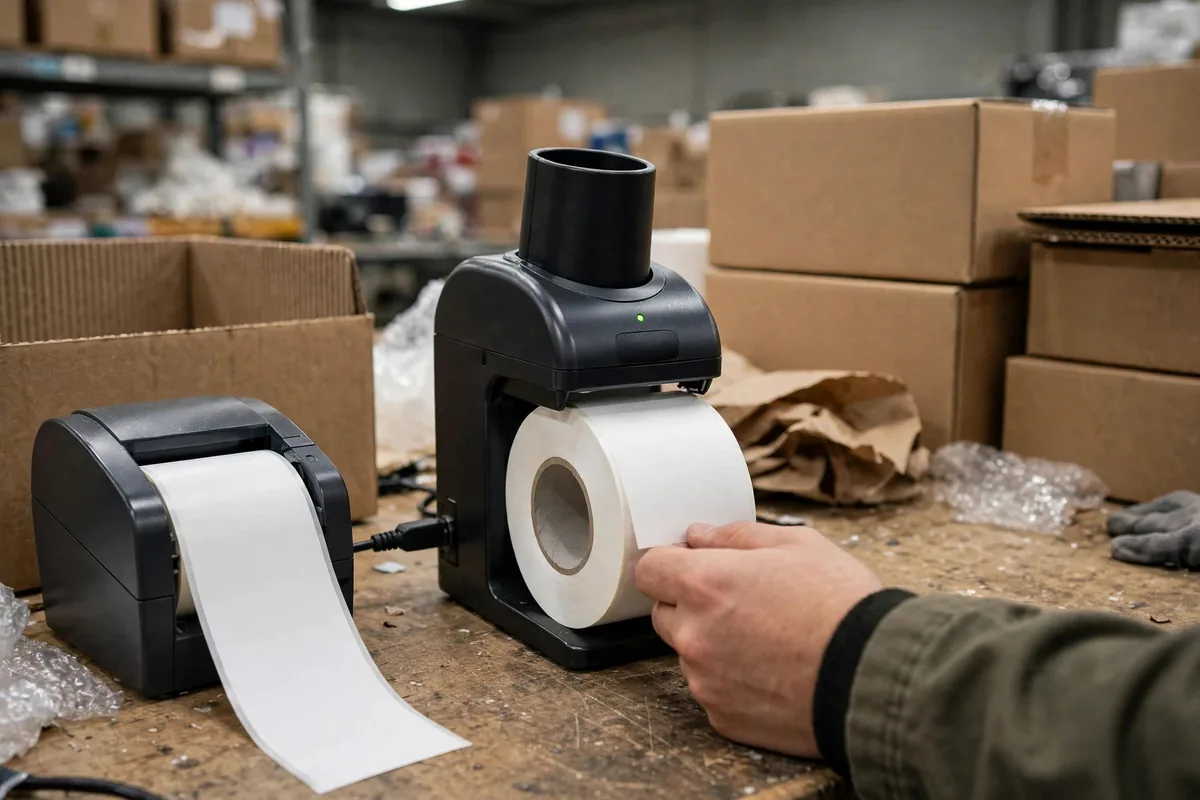
Third, nobody watches the print process drift. Printheads age slowly. A ribbon that does not match the label stock, or a darkness setting someone nudged last month, shifts quality a little at a time. Today's labels are slightly greyer, tomorrow's edges slightly rougher, and the scanner still beeps every day, so everyone assumes all is well. Scanners never warn you. They just stop, suddenly, on the day the code finally crosses the line — and by then you are not adjusting a printer, you are arguing about a rejected load.
That leads to the counterintuitive call I make on site: when labels start failing, do not rush to buy more expensive scanners. A better gun cannot rescue a badly printed code. It only helps you get lucky a few more times at home before the customer exposes it anyway. Spend first on the print end and on verification. Fix the code itself, and measure it properly. That order matters.
When a Verifier Pays, and When to Skip It
I do not tell every warehouse to buy one. Verifiers cost real money and need someone who will actually use them correctly. A small site with modest volume and ordinary trade customers can run fine on disciplined printing, a decent scanner, and printheads replaced on schedule. Start doing the maths seriously when two or more of these are true. One: you serve large retail, marketplace, or similar customers who state label grade requirements up front, with rejection or chargebacks behind them. Without your own graded evidence, you will lose every argument. Two: your volume is high enough that manual spot-scanning cannot cover it, and one drift event becomes a whole-batch event. Three: your label mix is messy — direct thermal here, coated stock with ribbon there, film-covered or coloured stock elsewhere. More variables means more surprises, and surprises are what measurement is for.
Another illustrative scenario: a site ships modest volume most of the year, then pushes concentrated batches for one big customer in peak season, with temporary labour running the printers flat out. That is exactly when printing drifts. A verifier earns its keep in those pressured hours, stopping a bad batch at the bench instead of on a truck. So judge it by where your risk concentrates — which customers, which shipping pattern — not by warehouse size alone.
If you buy one, three habits keep it out of a drawer. Prove every new layout, new customer, and new media combination before it runs at volume. Sample at fixed moments tied to your own change points — batch start, roll change, ribbon change, shift change — and set the rhythm from how often you actually change materials, not from someone else's number. And when grades slide, check the print end first. Nine times out of ten it is a dirty head, a mismatched ribbon and stock, or a wrong darkness setting, not the verifier lying to you.
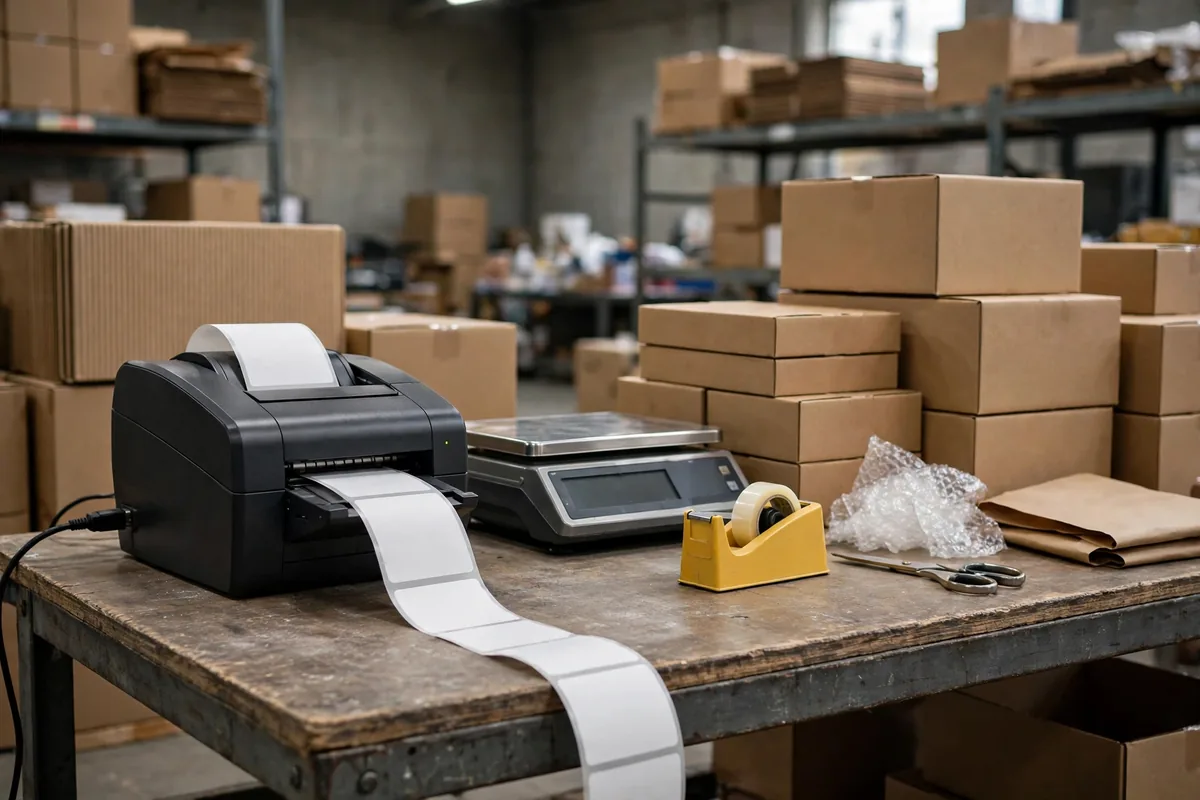
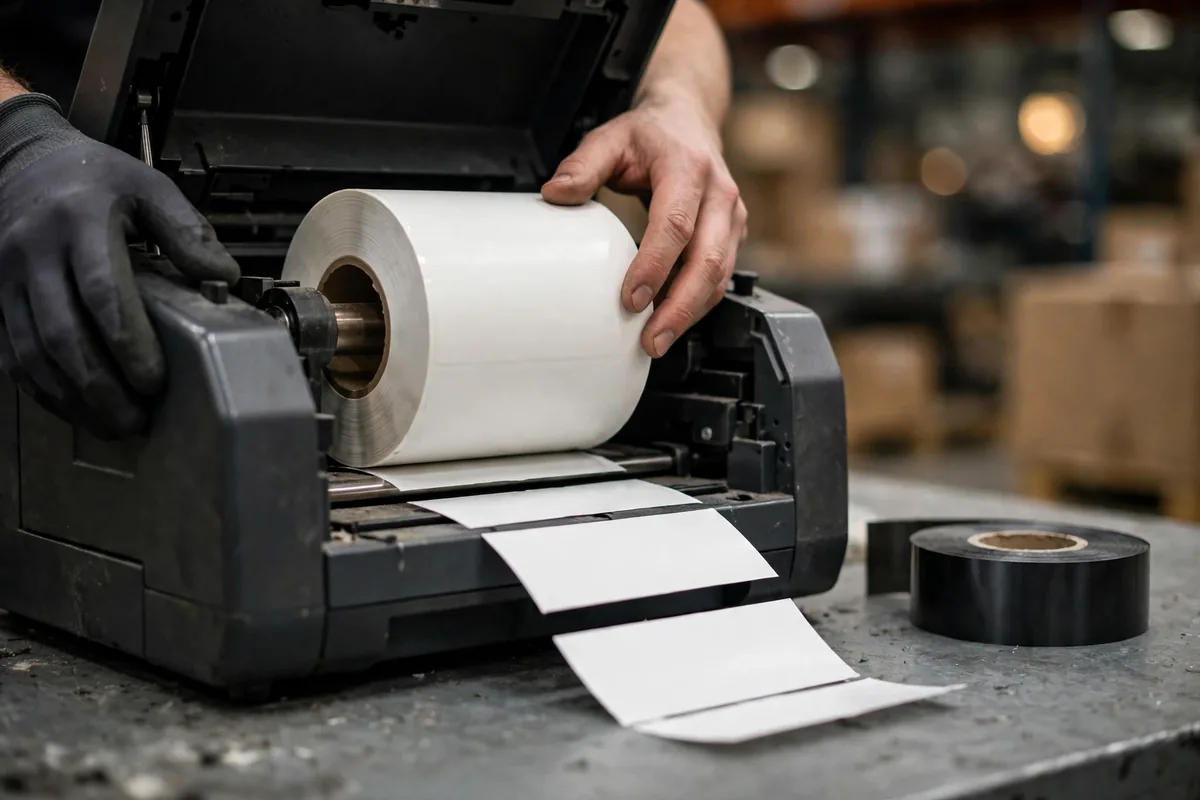
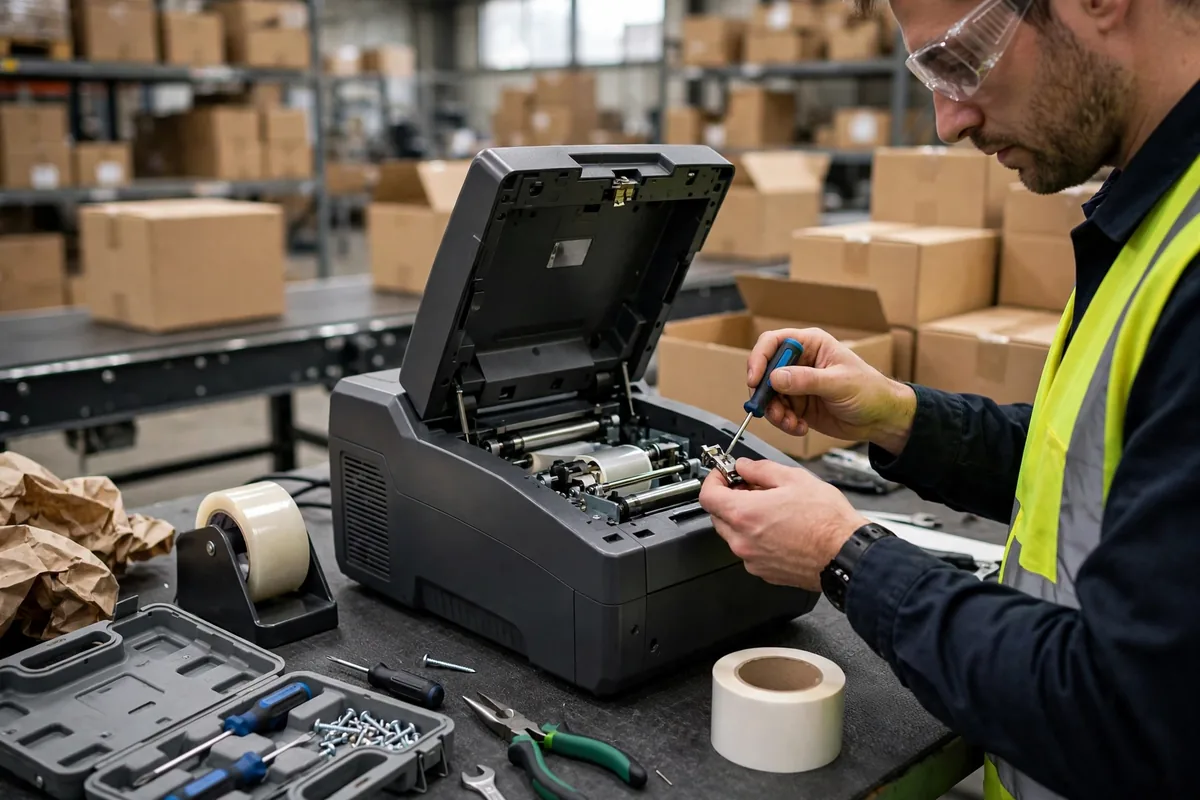
Daily care is unglamorous and decisive. Clean printheads on a proper schedule that follows your print volume, and do not wait for a permanent white line, which usually means wear has already happened. Treat ribbon and label stock as a matched pair: the wrong pairing caps your contrast no matter how you tune the printer. More darkness is not better either. Push it too far and bars swell and edges blur, and grades fall — same as burning food with too much heat. Finally, after every roll or ribbon change, print and check a few labels. Change points are where drift starts.
My usual closing rule applies here. Whether this money is worth it comes down to one number: how many shipments in the past year cost you rejections, reprints, relabelling, or dock arguments over labels. If that count is more than a rare one-off, barcode verifier grading warehouse labels is not a luxury topic for you — it is the missing evidence in every dispute. And if you measure and the number is genuinely near zero, do the print maintenance and sampling discipline first, and buy later. Just do not do it backwards.
By Da Liu, Automation Engineer