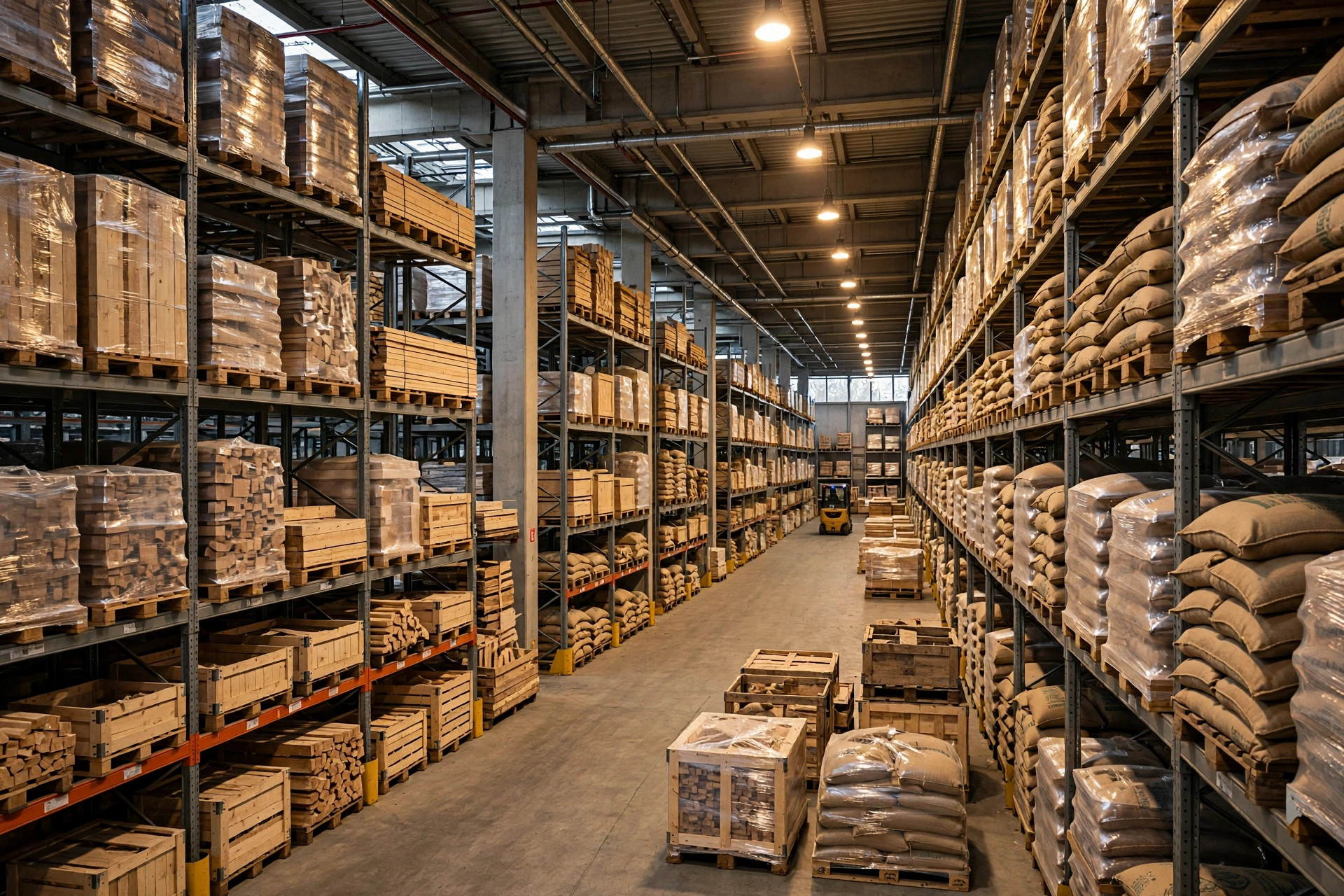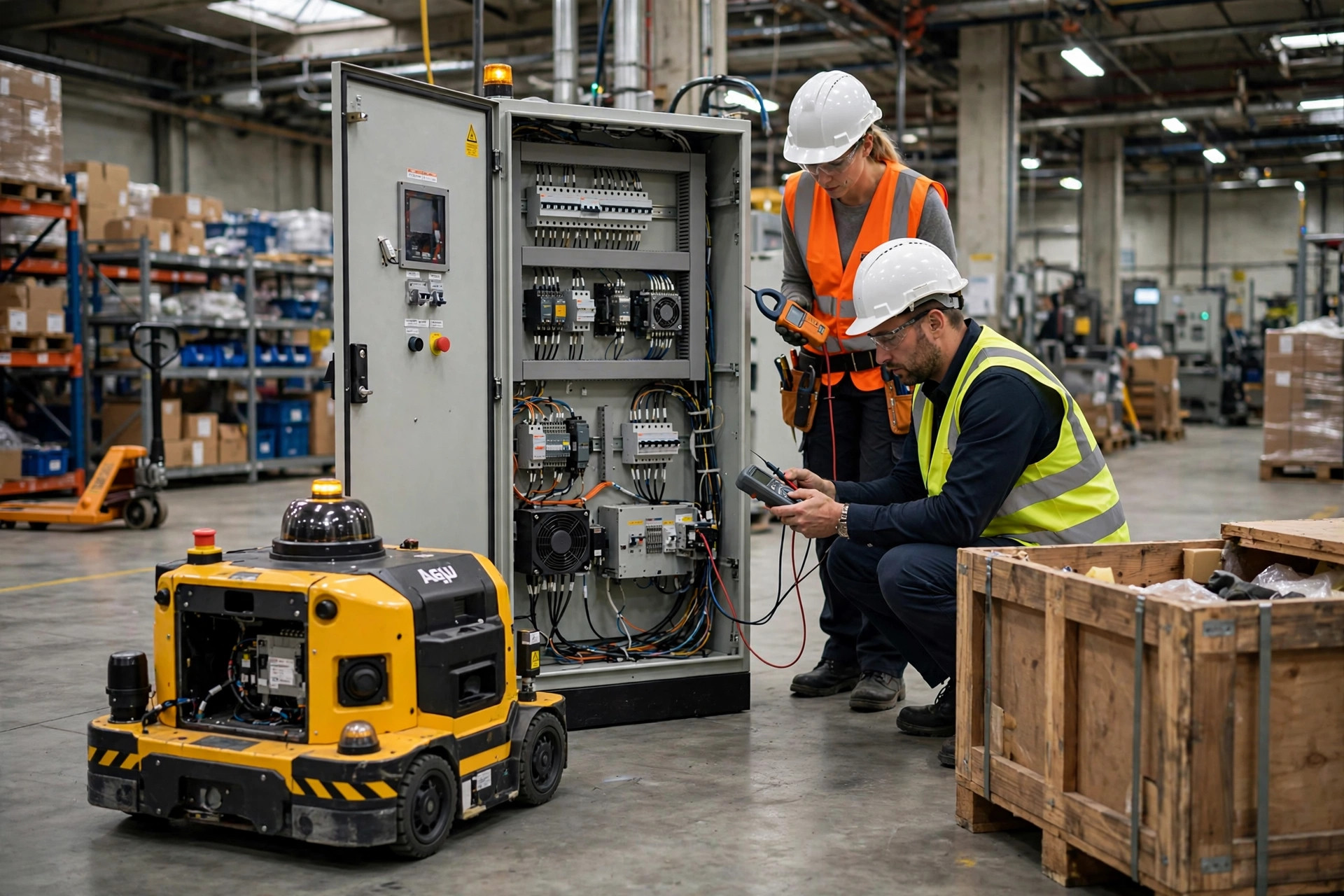
Here is the counterintuitive part: most of the money burned on RCM certification is not test fees. It is rework. In 2024, an AGV maker in Shenzhen shipped 20 units to a 3PL warehouse in Sydney, only to learn at the port that without the RCM mark, the equipment could not be put into service. The units sat in a bonded warehouse for two full months while certification was scrambled together — and the storage and demurrage ended up costing three times the certification itself. The owner told me later: had he known, he would have spent eight weeks getting certified before shipping.
The Principle: What RCM Actually Is
RCM — the Regulatory Compliance Mark — is best understood as Australia's combined ID card and health certificate for electrical equipment. The system behind it is the EESS, the Electrical Equipment Safety System, which governs all in-scope electrical equipment sold in Australia.
Whether your equipment is in scope comes down to three conditions: rated voltage above 50V AC or 120V DC; below 1000V AC or 1500V DC; and designed or marketed for household, personal, or similar use. Pay attention to how wide the "similar use" net is — warehouse chargers and high-bay LED lights mostly fall inside it, and claiming "industrial use only" does not automatically get you out. The final word belongs to the product definition schedule in AS/NZS 4417.2, not to your sales deck.
In-scope equipment is then sorted into three risk levels, and this is the fork in the road for the entire certification path: Level 1 (low risk) — hold test evidence, register the responsible supplier, and sell; Level 2 (medium risk) — maintain a compliance folder and register in the EESS database; Level 3 (high risk) — obtain a certificate of conformity from an Australian-recognized certifier, with the certificate published on the EESS register before a single unit moves. Higher level, exponentially higher cost and time.
One thing most exporters miss: RCM is not only about electrical safety. The EMC (electromagnetic compatibility) requirements enforced by ACMA, Australia's communications and media authority, use the same mark. Think of it as holding two licenses that share one inspection sticker. Plenty of companies complete the safety "license," leave the EMC one blank, and discover — expensively — that they have effectively done nothing. More on that below.
The Selection Line: Which RCM Level Is Your Equipment
Mapping common warehouse electrical gear: AGVs and their charging stations, electric pallet truck chargers, high-bay LED lights, scanner charging cradles, conveyor motor drives, electrical control cabinets. Plugs, socket outlets, and supply cords — the defined product types — are generally Level 3; most mains-powered complete units land at Level 2; small pure low-voltage DC accessories may qualify as Level 1.
The dividing line is not size or power rating. It is the product definition schedule in AS/NZS 4417.2. Get the order right: check the schedule to fix the level first, then talk test plans and budgets. Reverse the order and every quote and timeline you receive will be wrong.
Time to take aim at a persistent pseudo-demand: "We already have CE reports — converting to RCM should be quick, right?" Wrong. CE is largely a self-declaration regime; RCM Level 3 requires certification by an Australian-recognized body, and testing must follow the AS/NZS versions of the standards, not EN/IEC versions applied directly. Marching in with a stack of CE reports is like showing up for a pilot's license with a driver's license — both are licenses, not the same system. At best, some test data can be reused. The path itself cannot be skipped.
The Landing Traps: Four Rework Hotspots
Trap one: the local responsible supplier. A factory in China cannot register in the EESS directly — the responsible supplier must be a legal entity in Australia or New Zealand. Two routes: appoint your Australian importer or distributor as the responsible supplier — fast, but your compliance lifeline sits in someone else's hands, and if the partnership breaks, the registration dies with it; or set up a subsidiary or engage a compliance agent — slower, but controllable. Which route depends on whether your Australian order is "one trial shipment" or "a long-term play." For a trial, don't bother with a subsidiary; for the long term, don't hand over the lifeline.
Trap two: the plug. The Australian plug standard AS/NZS 3112 looks deceptively similar to common two-flat-pin designs, but pin insulation length, angles, and spacing are all different. Re-cutting a mold costs tens of thousands of yuan and adds a month to lead time. The collateral damage is worse: if the supply cord shipped with your equipment has the wrong plug, that line item fails the whole-unit test report, and everything tested before it was wasted effort.
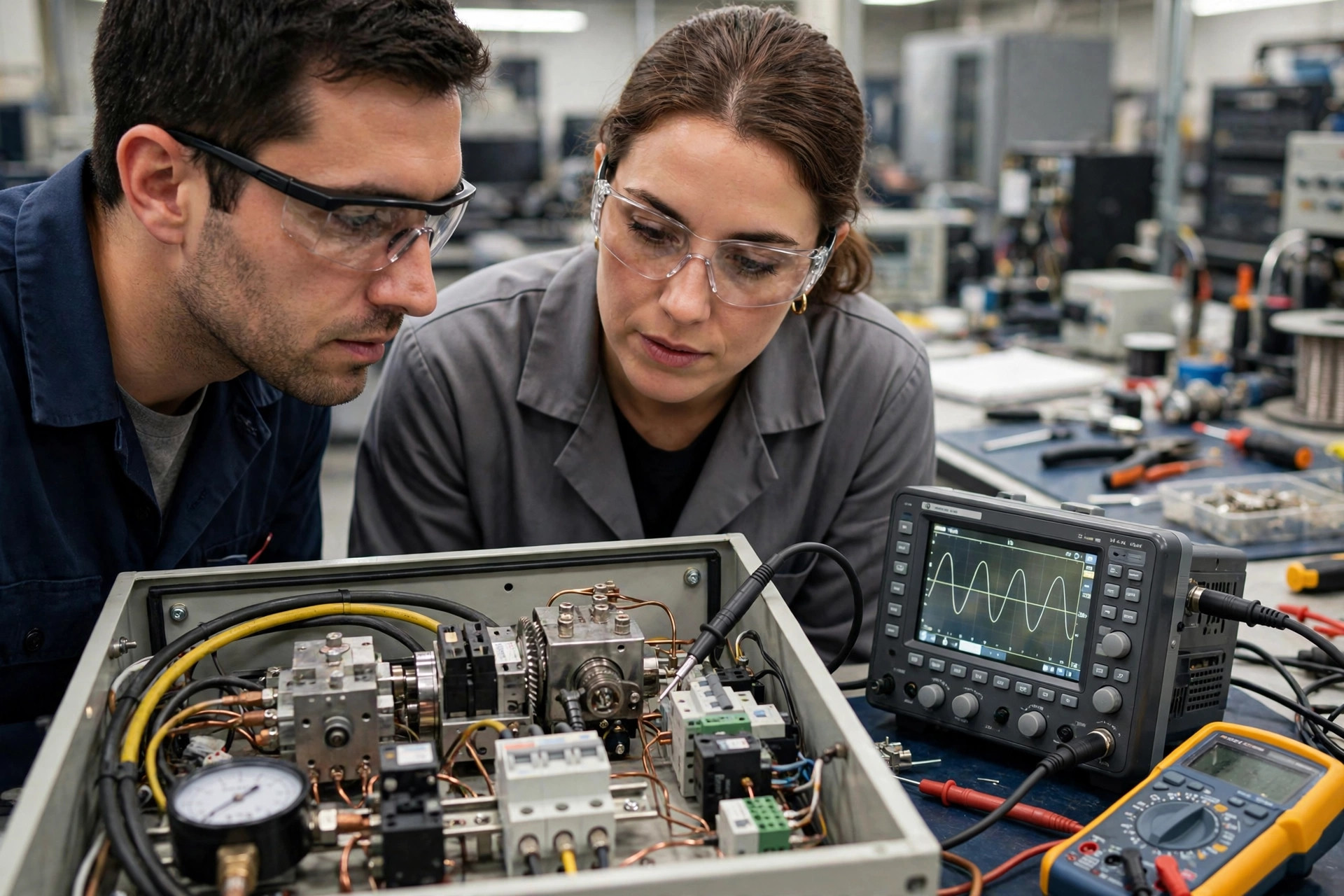
Trap three: EMC reports that regulators won't accept. In 2025, an integrator supplied a batch of control cabinets for a Melbourne project with EMC reports from a domestic lab. The Australian regulator rejected them — the tests had been run against GB (Chinese national) standards, not the AS/NZS versions. Six weeks of rework, plus a penalty for project delay. Two conditions, both mandatory: the report must come from a laboratory within the ILAC mutual recognition system, and the test standard must be the AS/NZS version. A prestigious lab with the wrong standard version produces expensive waste paper.
Trap four: registration is billed per model. EESS registration charges per model — eight models in a series means eight fees. Your model naming strategy directly drives total certification cost: consolidate models early in the design phase, not when you discover at registration time that the meter is running on real money.
On timelines and cost, here is an honest range: the full process typically takes 8–16 weeks, and fees follow the certifier's quote — anywhere from a few thousand to tens of thousands of US dollars per model, with Level 3 the most expensive. Anyone promising "four weeks, guaranteed" should first be asked which level they are guaranteeing, and whether EMC is included.
Is the Money Worth It? Look at This One Number
The decision framework is a single formula: total certification cost = test fees + certificate fees + (registration fee × number of models) + local agent retainer. Amortize that over your projected three-year shipment volume to get a per-unit cost. If per-unit amortization stays within 5% of your Australian gross margin, proceed without hesitation; above 10%, run a small pilot batch to validate the market before certifying the full model range.
And one iron rule: This certification is not a one-time purchase. Change the design, and the certificate is void; a major firmware revision triggers re-assessment too. So freeze the design before certifying — designing while testing is the single most expensive way to play this game.
Back to that Shenzhen AGV maker: eight weeks of certification before shipping, amortized over 20 units, would have been a few hundred dollars per unit. Two months of bonded storage and demurrage cost more than triple that. Compliance money spent early is a cost; spent late, it is a fine. That simple.
By Da Liu, Automation Engineer