Let me be honest up front: the first time I seriously studied Atlanta, it was not because I had some grand vision. A customer asked me whether I could handle shipments across the Southeast, and I realized I could not even name the directions out of Georgia without checking a map. That is daily life for a small warehouse owner. One customer question, one night of homework. And here is the thing we small operators learn fast: we cannot afford to burn money on a wrong location. Rent the wrong spot and half a year of work goes up in smoke.
Atlanta's position is real, and you do not need a consultant to see it. It is the Southeast's logistics crossroads. The airport is one of the busiest in the world, the rail network runs through it, and the highways fan out toward Florida, the Carolinas, Tennessee, and Alabama. In plain language: put goods here and you can cover most of the Southeast the same day or the next. For big companies, that is strategy. For a small warehouse like mine, it is a tempting trap. The location is sweet, but the price tag burns.
Our Problem: The Hub Is Great, We Just Cannot Afford It
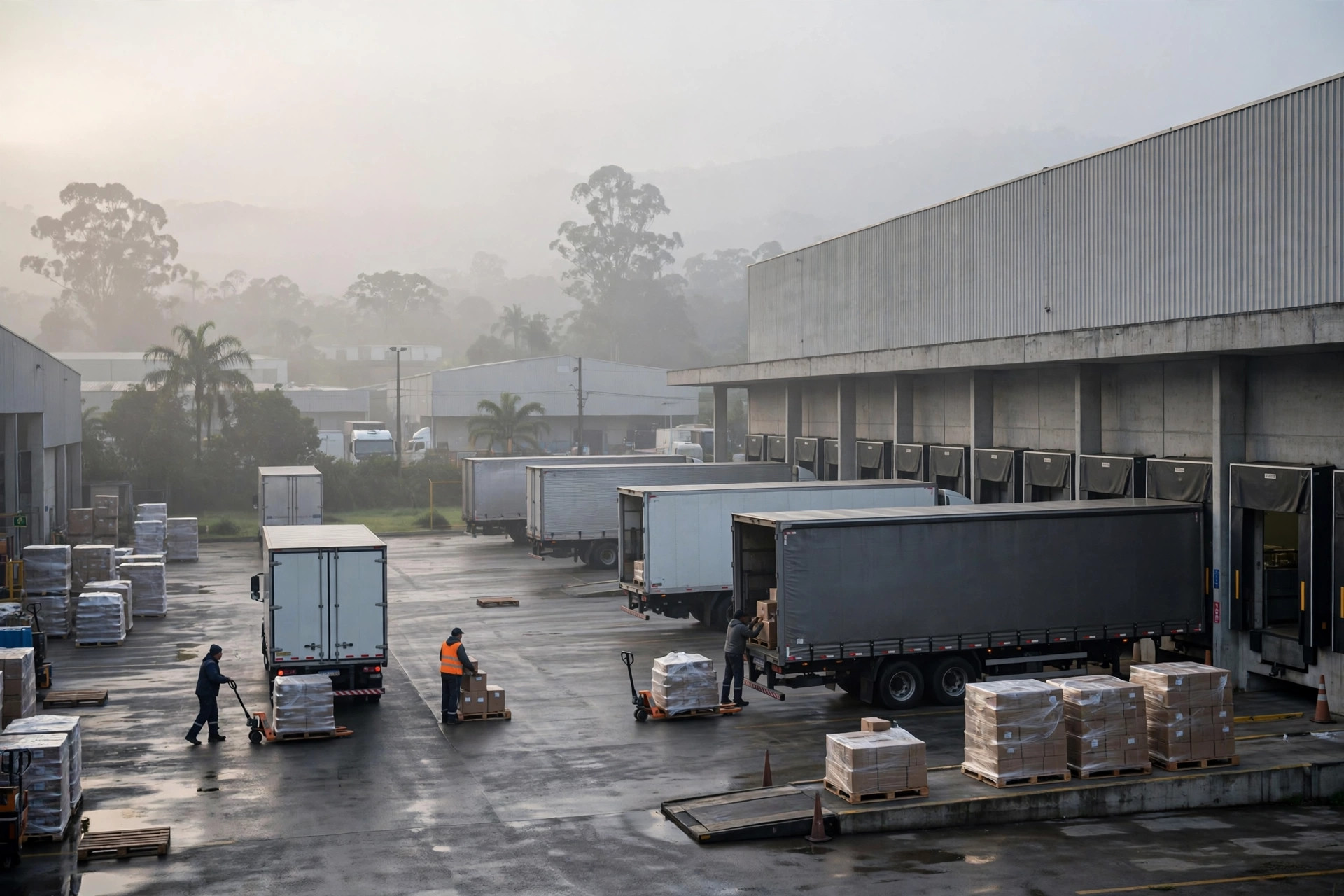
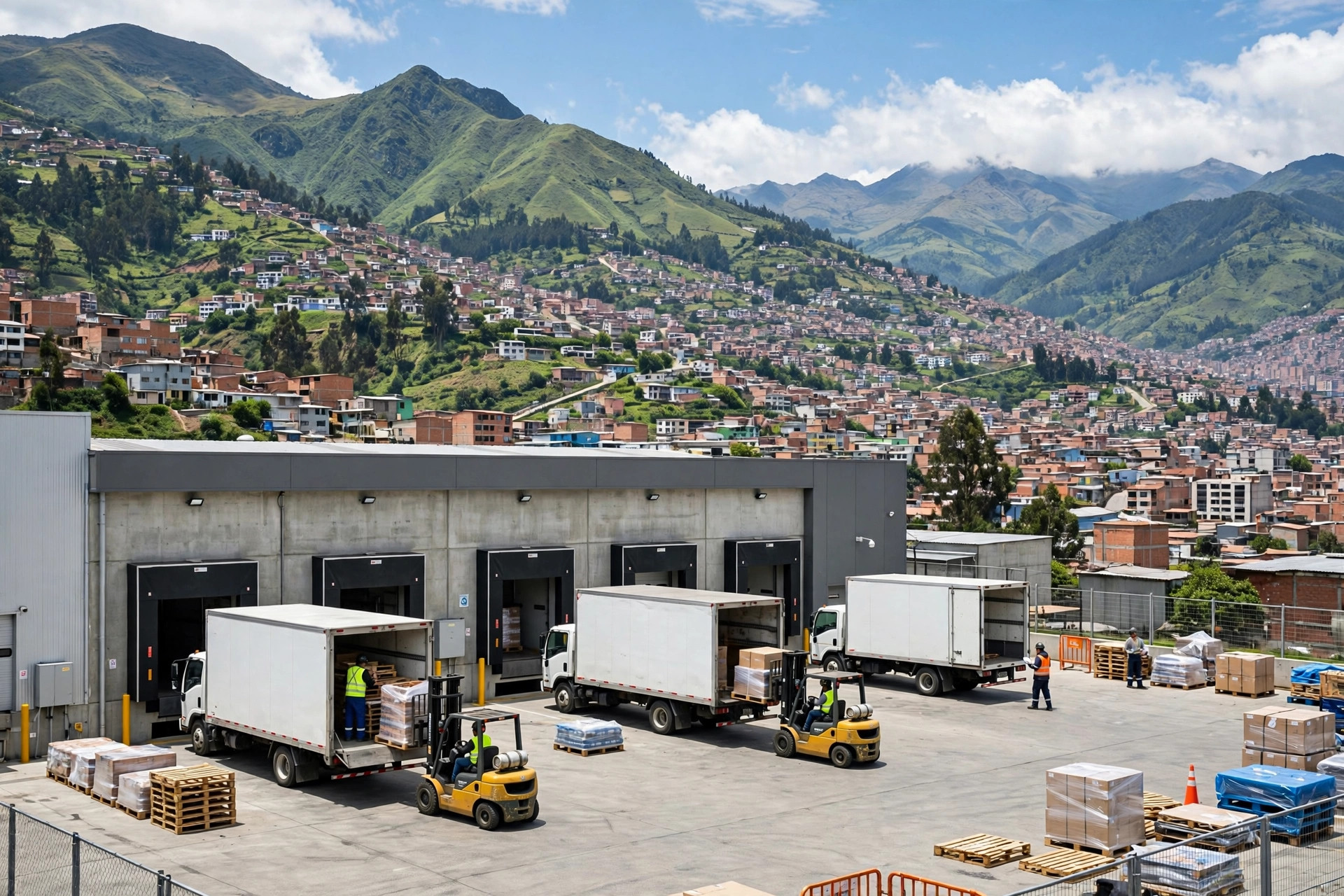
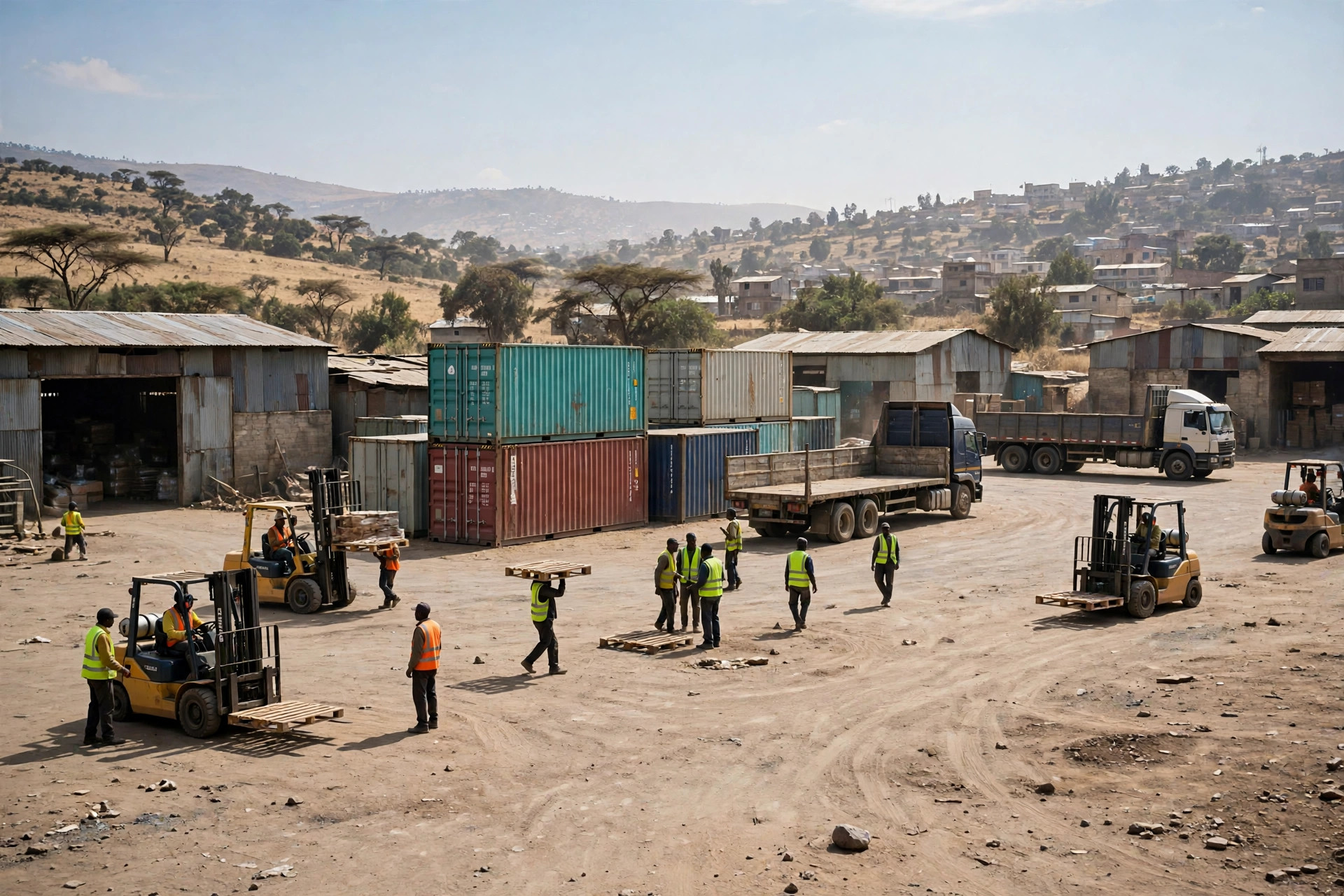
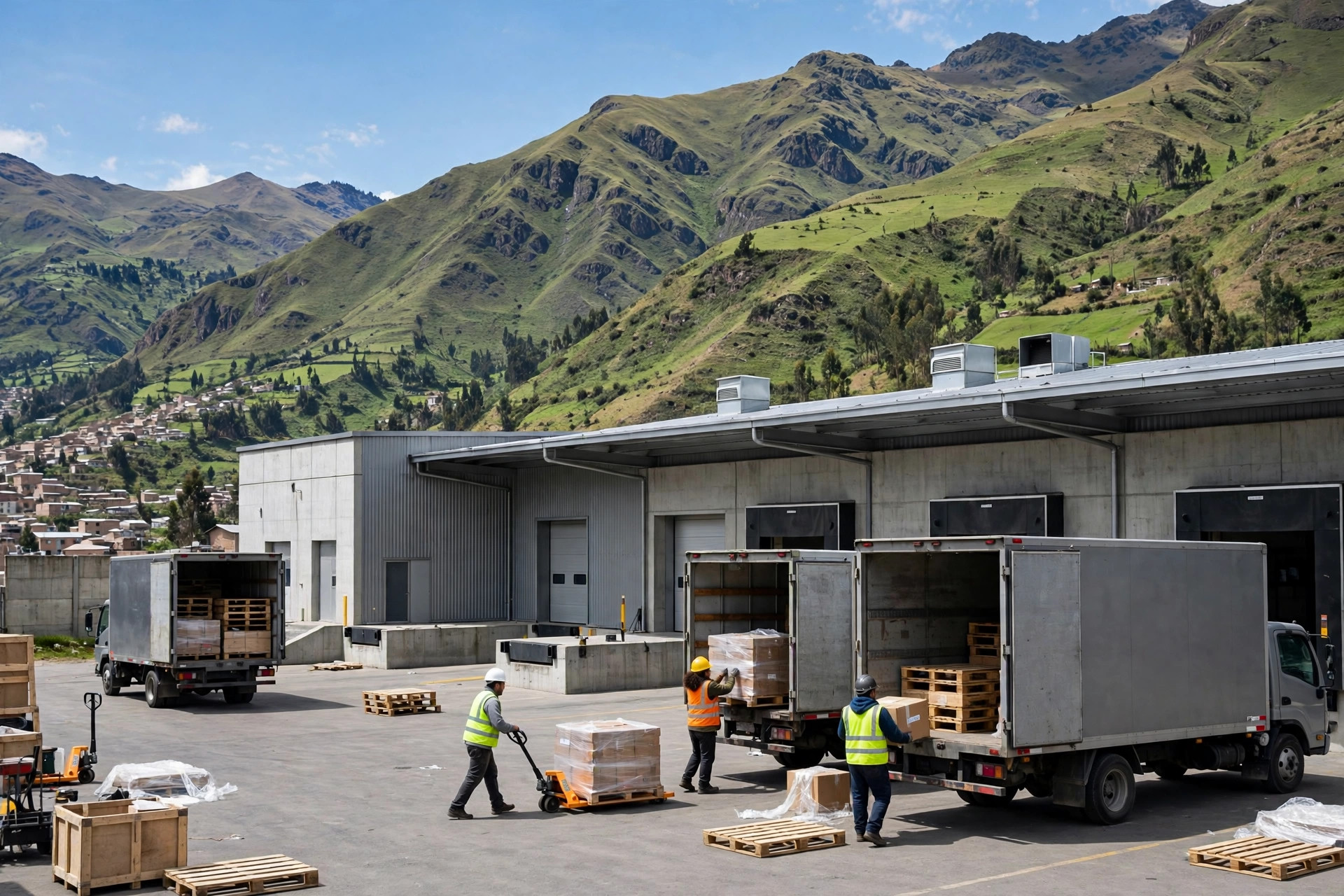
Here is our situation, no sugarcoating. My warehouse is about 3,000 square meters. Three people work there, plus one forklift and a half — the half is an old machine that breaks down whenever it feels like it. Last year a home-goods customer came to me wanting a Southeast distribution point near Atlanta, and asked if I could take it on. My heart said yes. My spreadsheet said sit down and think.
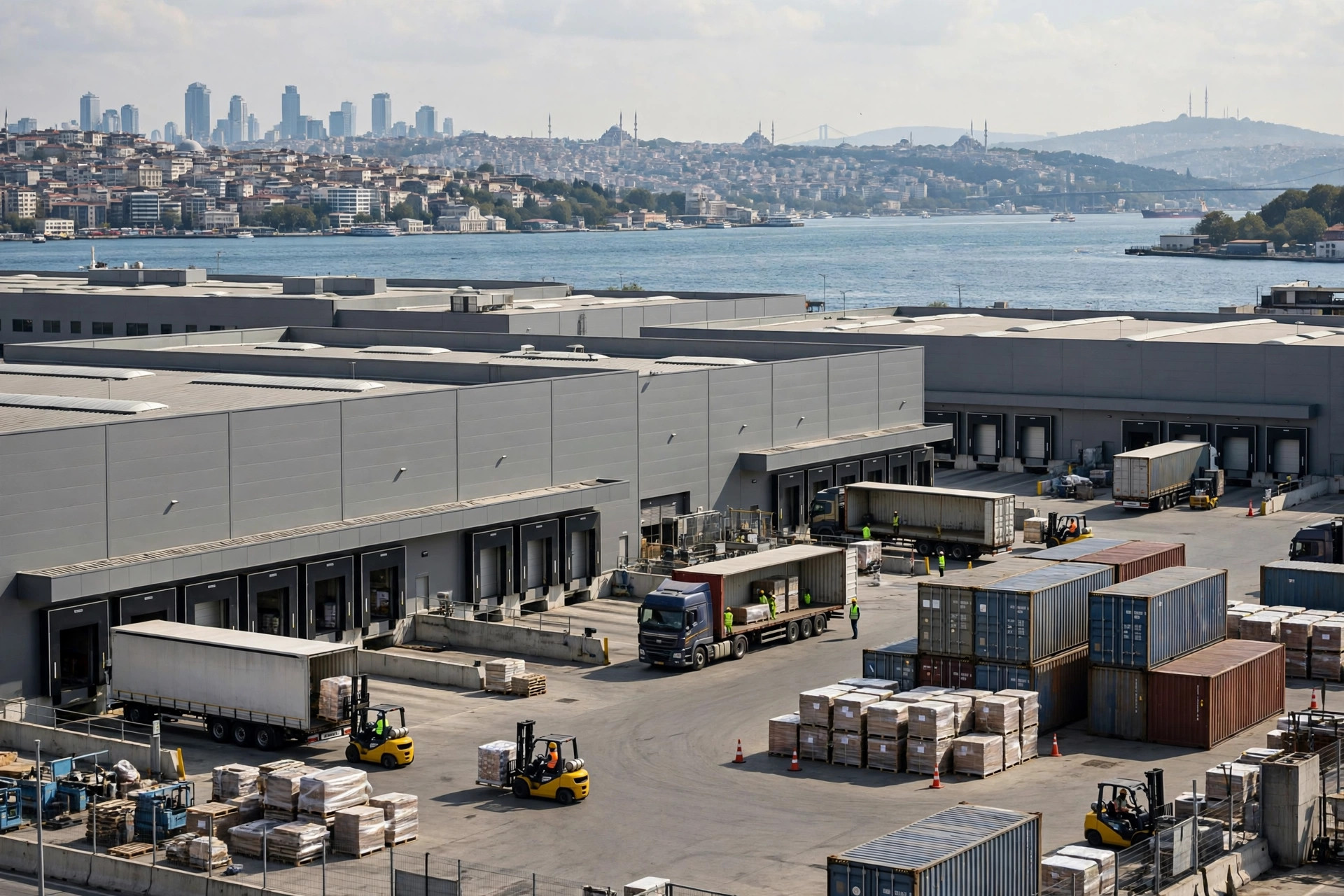
Warehouses right next to the airport are beautifully located. Freight lands and rolls straight into the building, and outbound dispatch is fast. But the rent and the commitment are on a different planet from ours. Big facilities lease tens of thousands of square meters for years, and they come with staffing and equipment demands to match. We small warehouses cannot afford that kind of money. Signing that lease would be gambling my own livelihood on somebody else's chessboard. I told the customer straight: if you want me in the core zone in a big building, I will be broke within a month.
The second problem is people. Distribution looks simple from the outside, but it is physical work plus attention to detail plus deadlines, all at once. When peak season hits, three people feel like they need to split into six. The hub's blessing is volume, and its curse is also volume. One day we are twiddling our thumbs, the next day orders pile up faster than we can pack. Small teams hate that roller coaster. Get the schedule wrong and service falls apart.
So that is the truth about small warehouses facing Atlanta. It is not that we cannot see the big picture. It is that the ticket to the big picture costs too much. Admitting that is not embarrassing. Pretending otherwise is.
The Scrappy Fix: Skip the Core, Hug the Edge of the Hub
So we needed a scrappy fix, and mine fits in one sentence: skip the core zone, hug the edge of the hub.
Here is how I drew it. I sketched three rings. Ring one is right next to the airport and rail terminals: the best location, the harshest price. I crossed it out without a second thought. Ring two is one or two highway exits further out: the drive takes ten or twenty minutes longer, the cost pressure drops noticeably, and the directions into the Southeast do not change at all. Ring three is the satellite towns further away, good for freight that is not same-day urgent and can ride on a consolidated truck.
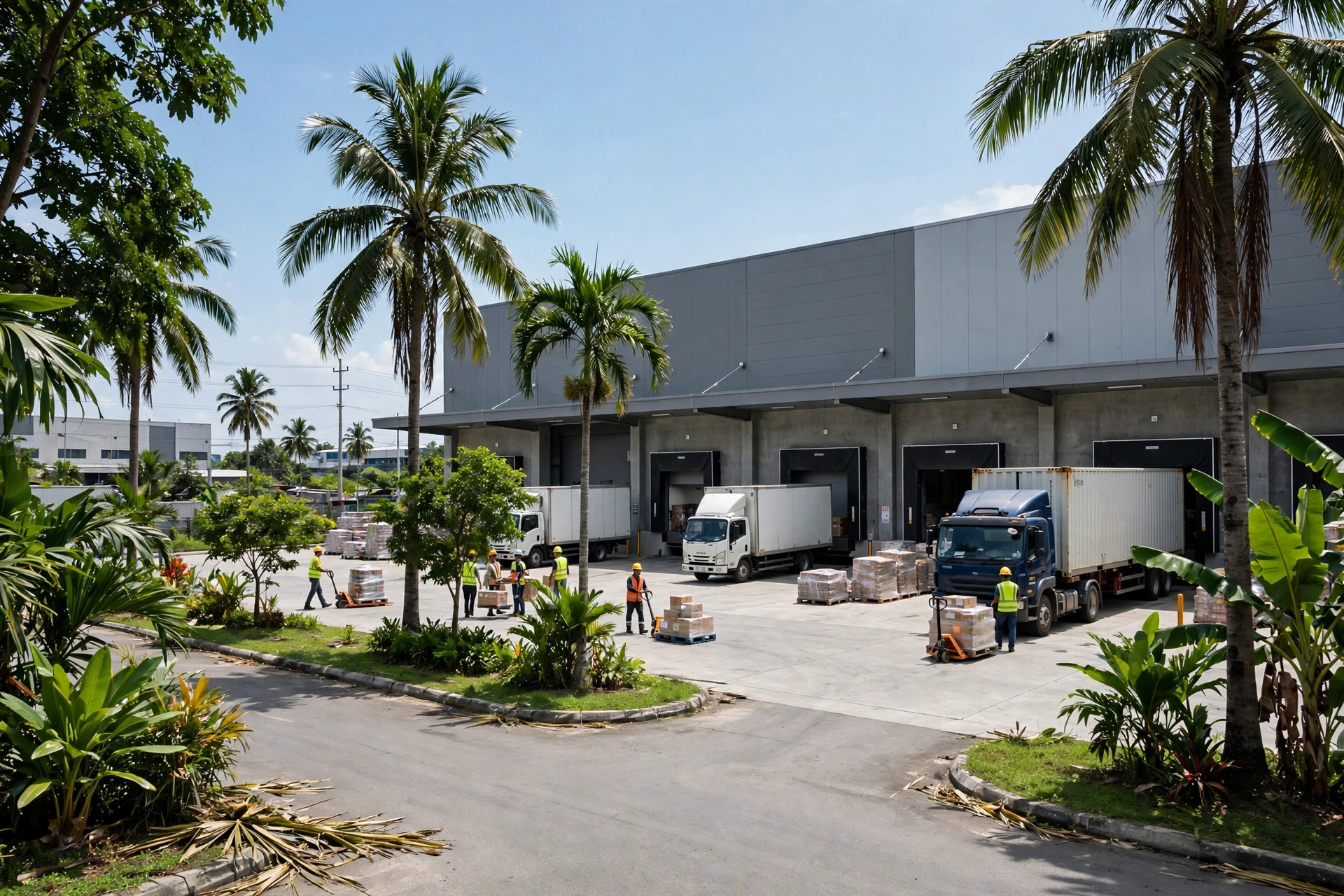
The plan I gave that home-goods customer was ring two: a modest warehouse sitting at the fork in the road toward Florida and the Carolinas. Freight arrives, we break it down, sort it, label it, and consolidate it by state before it goes out. The customer first complained that our building was small. So I showed him the math:
| Option | Size | Coverage | Can a small team handle it? |
|---|---|---|---|
| Core-zone big warehouse | Tens of thousands of square meters | All of the Southeast, fastest | No, staffing and lease both blow past us |
| Second-ring small warehouse | Around 3,000 square meters | Main Southeast directions, slightly slower | Yes, three people plus temp help can flex |
| Fully outsourced distribution | No warehouse of our own | Depends on the provider's mood | Easy but out of control, disputes go nowhere |
That table settled it. A small warehouse does not compete with big warehouses on size. It competes on position: a spot where the directions are right, the cost is survivable, and the team can actually cope. Ten minutes further out can mean a completely different cost level. That gap is where small warehouses live.
The other scrappy trick is consolidation. One small customer's Southeast volume will not fill a whole truck, so we combine two or three customers' freight heading the same direction. It sounds low-tech, and it is. But it works directly: a full truck means lower cost per shipment, and customers keep sending freight our way. A small warehouse's edge is not fancier equipment. It is knowing how to save the customer real money.
What Worked, and Advice for Operators Like Us
The scrappy plan worked better than I dared hope. That customer's Southeast orders shipped from our building with steadier delivery times than his old direct-from-out-of-state setup, and returns and mis-shipments dropped, because every order passed through our sorting and double-check before it left the dock. Small problems got caught before they became customer complaints. The customer did not spend a fortune, and we did not get crushed by a big lease. Both sides could sleep at night. That is what a good small-warehouse partnership looks like: nobody has to bet the farm.
Now for the counterintuitive part. Most people assume you should grab the best location first, that the more central the better. For a small warehouse, that advice is backwards. The best locations are usually the most expensive and the most volatile places, and a small team there has zero room for error. One slow season can eat several months of profit. A ring further out gives a small operator breathing room: costs stay manageable, the directions are still right, and if something goes wrong you can still turn around. Survive first, expand later. That is not cowardice. That is arithmetic.
For operators like me, four lessons, all paid for with my own mistakes:
First, figure out what your team can actually handle before you count how many states you will cover. Three people are three people, not thirty. Second, keep leases short when you can, and expand in stages instead of all at once. A small warehouse lives or dies on cash flow. Third, pick a location by direction, not by reputation. Wherever the freight is going, park the warehouse at that fork in the road. Fourth, specific rents, vacancy rates, and wage figures vary by park and by season, so do not trust any number you cannot verify; check the latest official sources before signing, and walk the site yourself, because one site visit beats ten online guides.
One last honest word. Atlanta's hub has a big-company way of playing, and we small warehouses have our own way of surviving. No need to envy the giant buildings, and no need to feel small about 3,000 square meters. Pick the right spot, keep the costs honest, and save your customers real money. In the Southeast distribution game, a small warehouse still has its own square on the board.
By Xiao Ma, Small Warehouse Owner