Let me be honest: Paraguay was nowhere near my shortlist when I started selling cross-border. No seaport, a small population, nothing that screamed "volume." I only started looking into the Asuncion warehouse market because a friend selling auto parts got burned in Brazil. His border stock got eaten alive by warehouse rent and customs queues during peak season, so he moved part of his inventory to a small warehouse near Asuncion — and survived. That got my attention. So I went and mapped the place myself.
Here is my verdict up front: Asuncion will not make you rich overnight. It is the kind of market that helps you last longer in South American border trade. The pace is slow, the entry bar looks low, and the traps are real.
What the Asuncion Warehouse Market Actually Looks Like
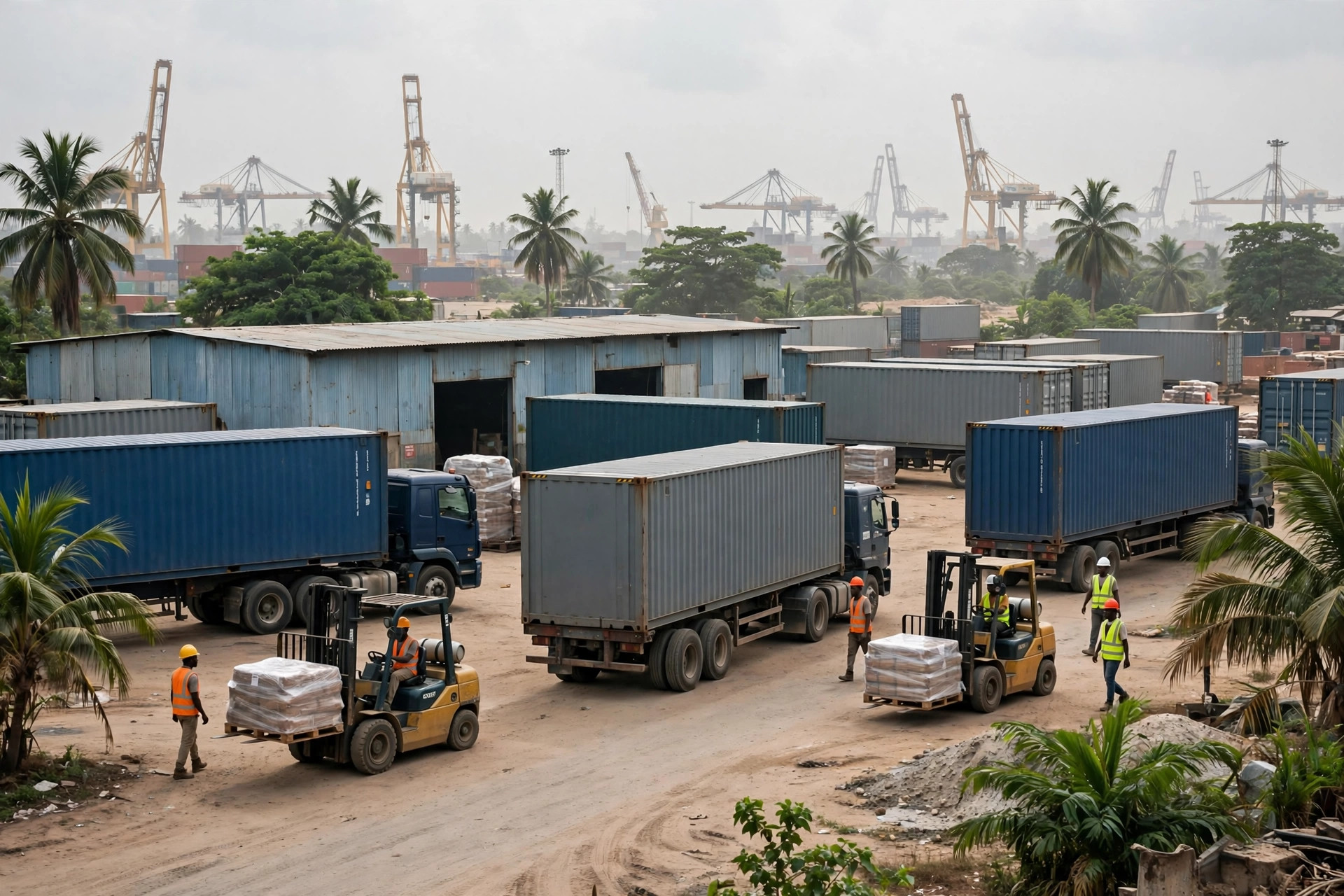
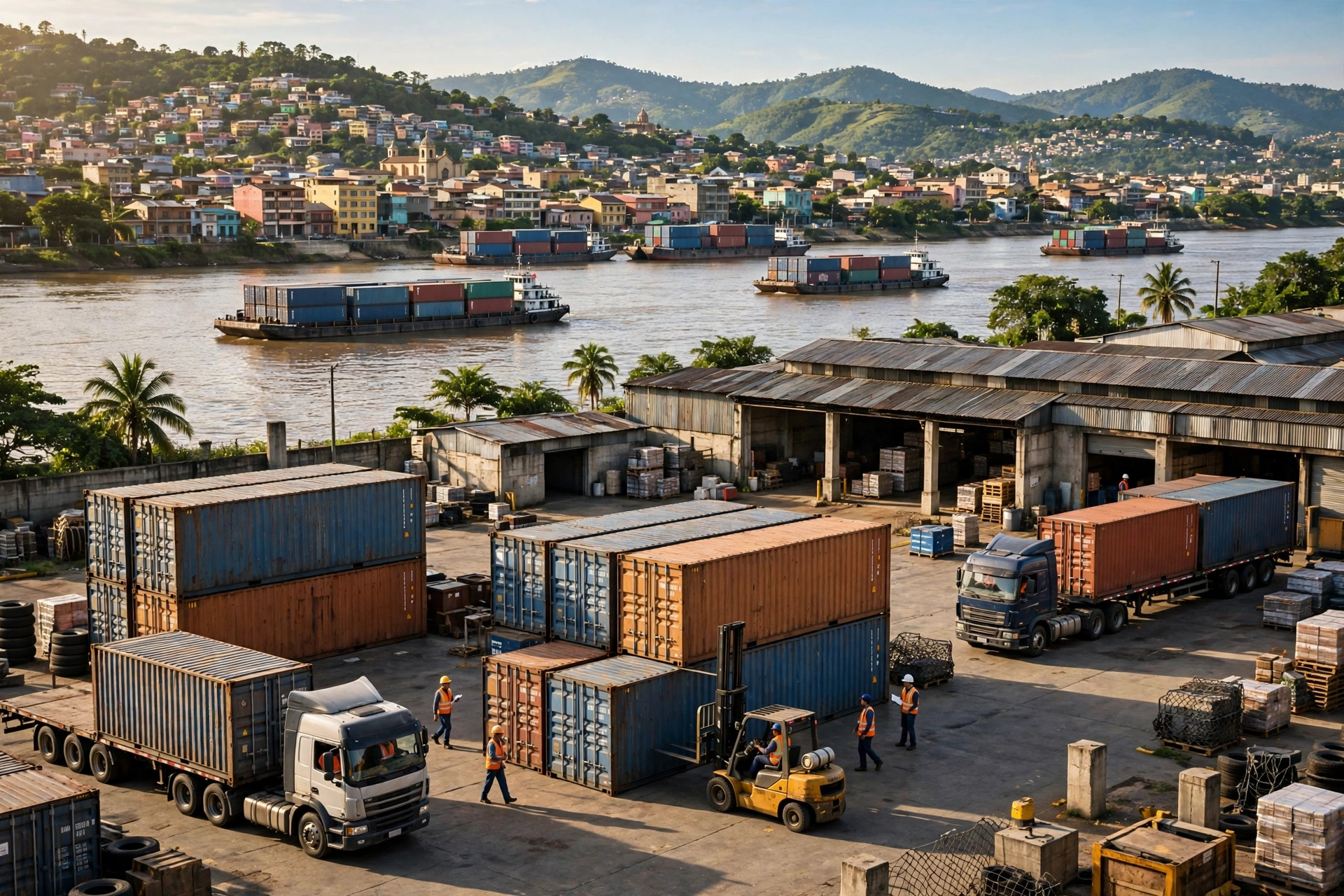
Asuncion is Paraguay's capital and a river port city on the Paraguay River. No sea access does not mean no water transport. The river runs south toward Argentina, and the road network connects east into Brazil. The city works as a natural inland distribution point: goods come up the river, scatter out by road, or flow in from the Brazilian and Argentine borders and spread across Paraguay.
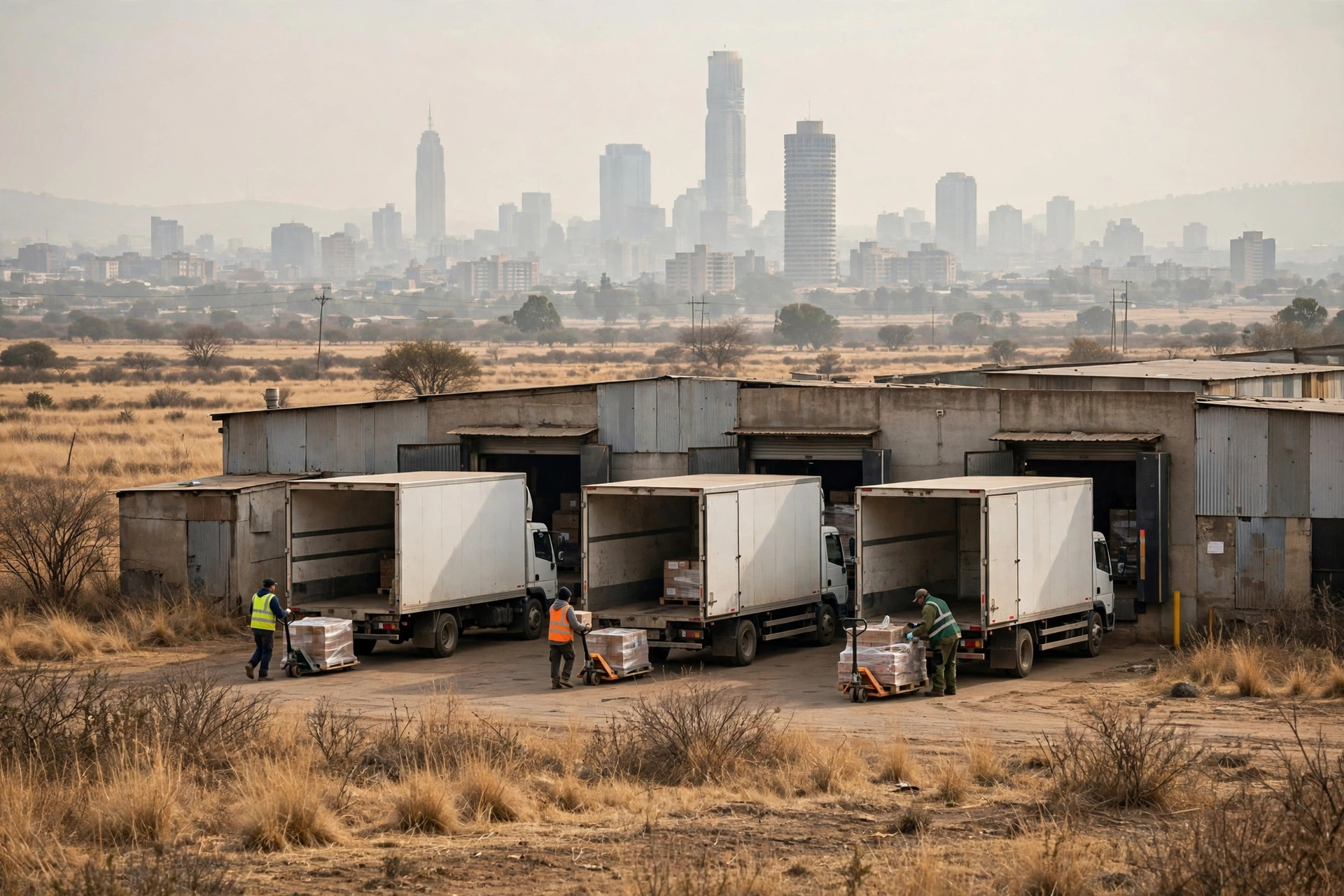
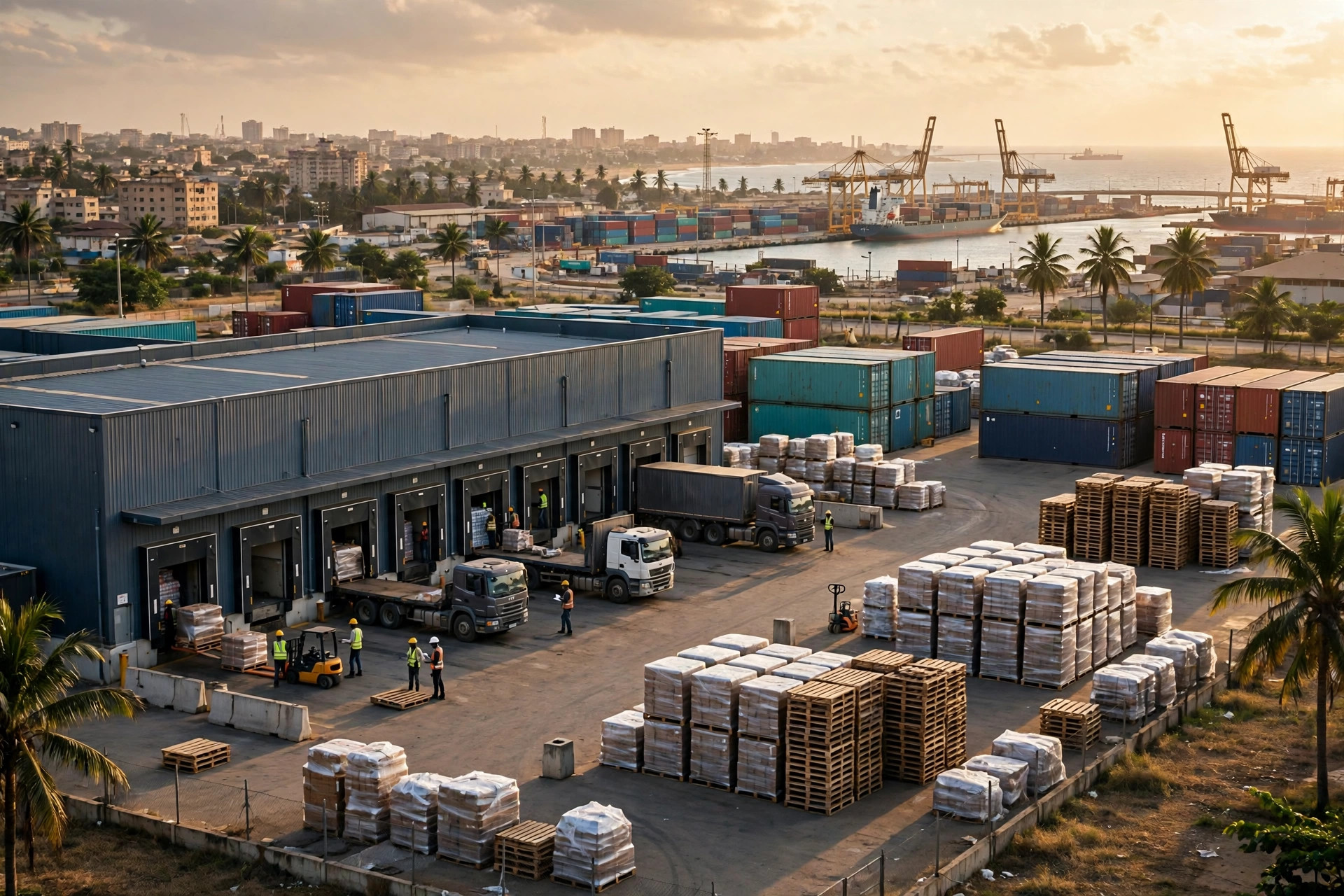
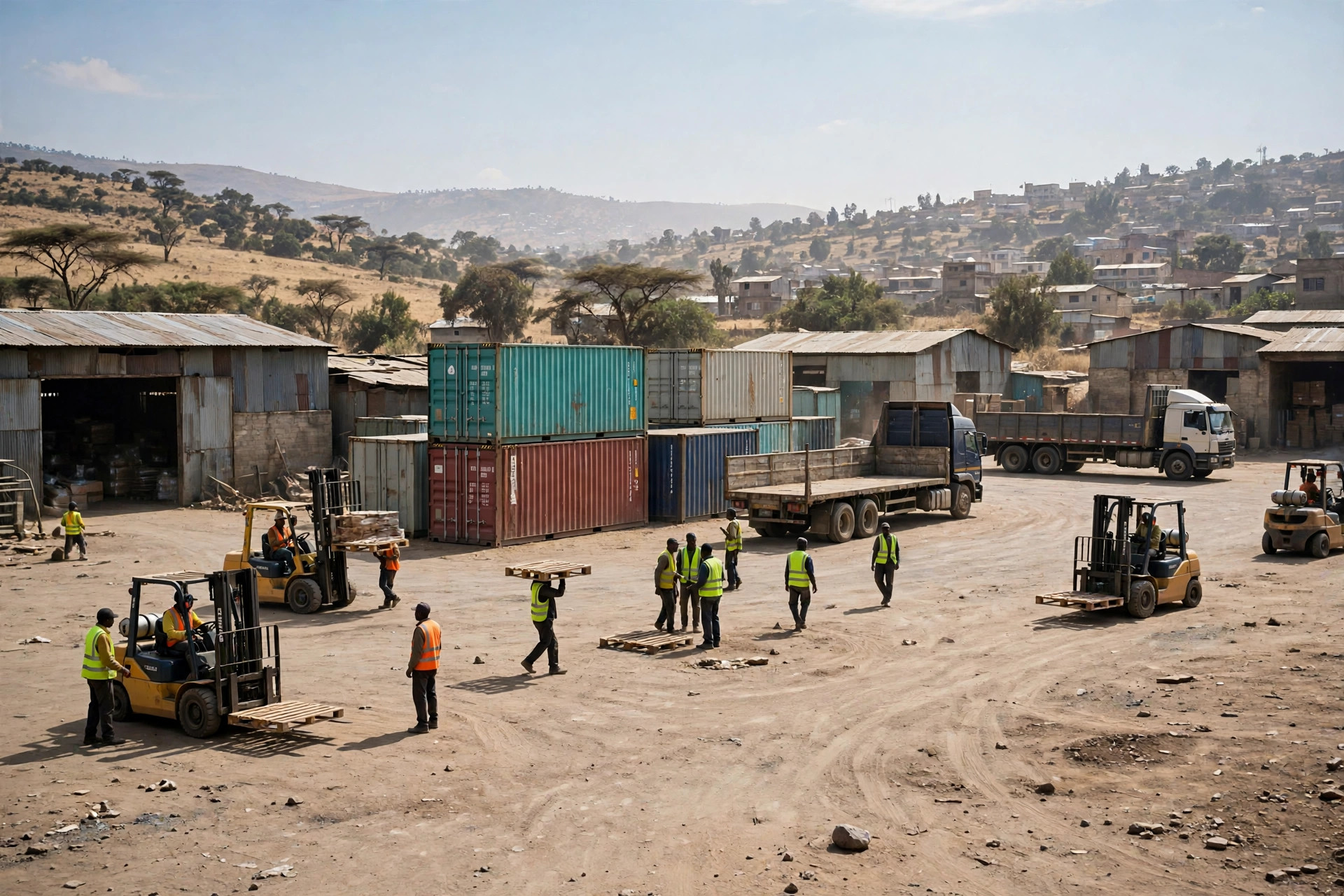
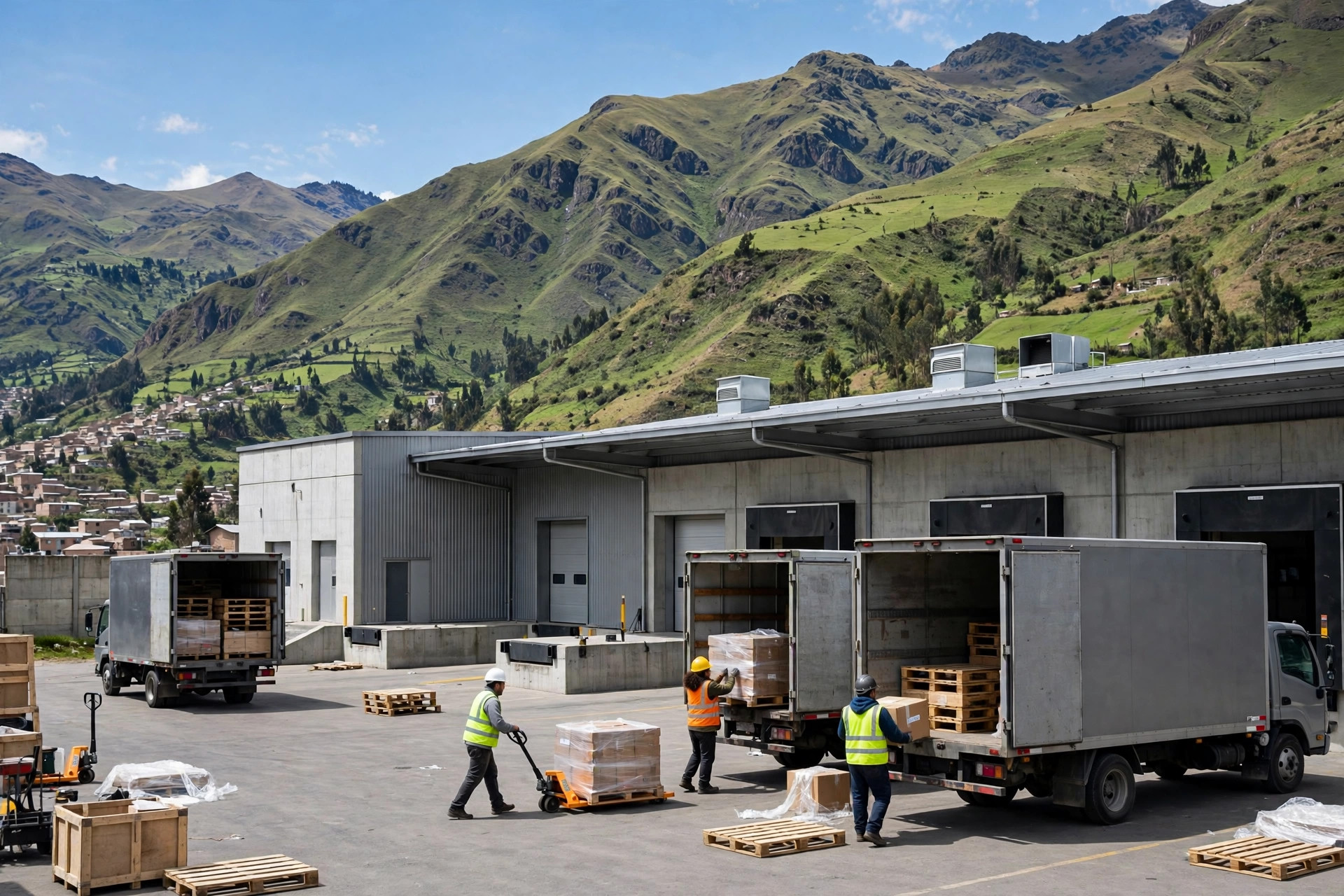
That shapes the warehouses here, and they look nothing like a big US fulfillment center. Most are small to mid-sized. Some sit near the river port, others along the main roads toward the border. Forget standardized mega-warehouses, automated picking, and 24-hour inbound and outbound on day one. What you usually get is a flat warehouse with a yard, a couple of forklifts, a warehouse manager who speaks Spanish, and receiving records kept half on paper and half in a system.
So you cannot copy-paste your US FBA playbook here. In the US, you send stock in, the system allocates it, and exceptions become support tickets. In Asuncion, you need three answers before anything else: which route is the freight coming in on, whether river levels in peak season will affect timing, and who is actually running the customs paperwork. If any of those is fuzzy, your shipment can sit an extra two weeks somewhere in the chain.
Here is an illustrative example I worked through myself — these are walk-through figures for one shipment, not published market statistics. Around mid-2025, a shipment of household goods from Asia took a river-plus-road route and needed nearly 40 days to reach a warehouse near Asuncion, about 12 days longer than planned. The delay was not the sailing schedule. It was a paperwork top-up at the border leg plus warehouse staffing rosters. Nothing was lost, no money disappeared, but those 12 days cut the shipment's peak-season window in half. The seller's only takeaway afterward: he should have reconciled the document checklist two weeks earlier.
How I Set Up Stock in the Asuncion Warehouse Market
My approach is unglamorous, but it works: start small, prove the process, then decide whether to go deeper.
Step one: do not sign a big space on day one. Rent enough for two or three months of sales and run the whole process end to end — how inbound is counted, how outbound is double-checked, how damage is photographed and logged, how often stock counts happen. Get those into the contract in writing. They matter more than a rent discount. Rents and tax rates vary a lot between quotes, so check the latest local listings and official policy before you budget — do not build your plan on someone else's quoted number.
Step two: treat border trade as the main event, not a side hustle. Much of Asuncion's value comes from sitting between Brazil and Argentina. The same stock serves two different lines: local Paraguayan consumers on one side, wholesale buyers coming over the border on the other. Packaging, labeling, and replenishment rhythm differ between the two. I know a seller who ran small-batch, high-frequency replenishment for local retail and full-pallet shipments for border wholesale out of the same warehouse, and kept moving through the off-season. Second illustrative example: in the second half of 2025, that two-track setup cut his stockouts from two or three a month to almost none. That is his own store's experience, not a market statistic, but the direction tells you a lot.
Step three: do not overpromise on inland delivery. Paraguay's inland delivery network is not as dense as Sao Paulo's. For orders outside the core cities, the more aggressive your delivery promise, the more after-sales disputes you invite. My rule is simple: promise normal timelines for core cities, state a longer timeline plainly for remote areas, and lose one order rather than let one late delivery tank your store rating.
Here is a decision framework for picking your setup:
| Setup | Best for | Upside | Risk |
|---|---|---|---|
| Small local warehouse in Asuncion | New sellers testing Paraguay | Controllable process, low cost of mistakes | Cannot scale fast, may overflow at peak |
| Border warehouse plus local warehouse | Established sellers with border wholesale buyers | Two lines cover each other, off-season still moves | Twice the management, messy accounts |
| Direct shipping, no warehouse | Sellers only testing products | Zero warehouse investment | Delivery time and after-sales at the mercy of logistics |
There is no universally right row. It comes down to one question: does your product win on speed or on price? If speed wins, do not put the warehouse too far away. If price wins, the warehouse cost structure matters more than its location.
A Counterintuitive Call on the Asuncion Warehouse Market: Slow Is the Ticket In
Most people hear slow river shipping, slow customs, slow inland delivery, and cross Asuncion off the list. My judgment runs the other way: precisely because it is slow, big sellers cannot be bothered, and that leaves room for smaller ones.
In a fast market, money and systems win — whoever has more capital takes it. In a slow market like this one, patience and local relationships win: do you know a reliable warehouse manager, do you know which border road jams up at peak season, is your document checklist one page more complete than the next seller's? You cannot buy those things with a bigger ad budget. You earn them one shipment at a time. That is the moat, built slowly.
Slow does not mean you can relax, though. The nastiest trap in a slow market is that every link drags a little, and the little drags add up to one big hole. The only fix is to write everything down: who owns each link, the deadline, the proof document. A verbal promise counts for nothing. When the warehouse manager says "tomorrow," ask "what time tomorrow, how many pallets, who signs?" It sounds fussy. In this market, fussy is profit.
Three traps to close with, all stepped in by sellers I know personally. First, do not judge a warehouse by floor area alone — check the inbound and outbound flow and whether the yard floods in rainy season, especially near the river port. Second, pin the billing unit down to the smallest detail in the contract: per pallet, per unit, or per square meter, and whether peak season adds surcharges. If it is vague, do not sign. Third, do not forecast stock using Brazilian volumes. The local Paraguayan market is not that big. Overstock ties up cash, understock kills sales, so start with small batches and frequent replenishment — that is the steadiest way in.
Asuncion will not make you rich overnight. But if you want a durable foothold in South American border trade, it is worth a month of serious groundwork. This approach worked for me firsthand: prove the process in a small warehouse before talking about scale.
By Ah K, E-commerce Seller (5 yrs)