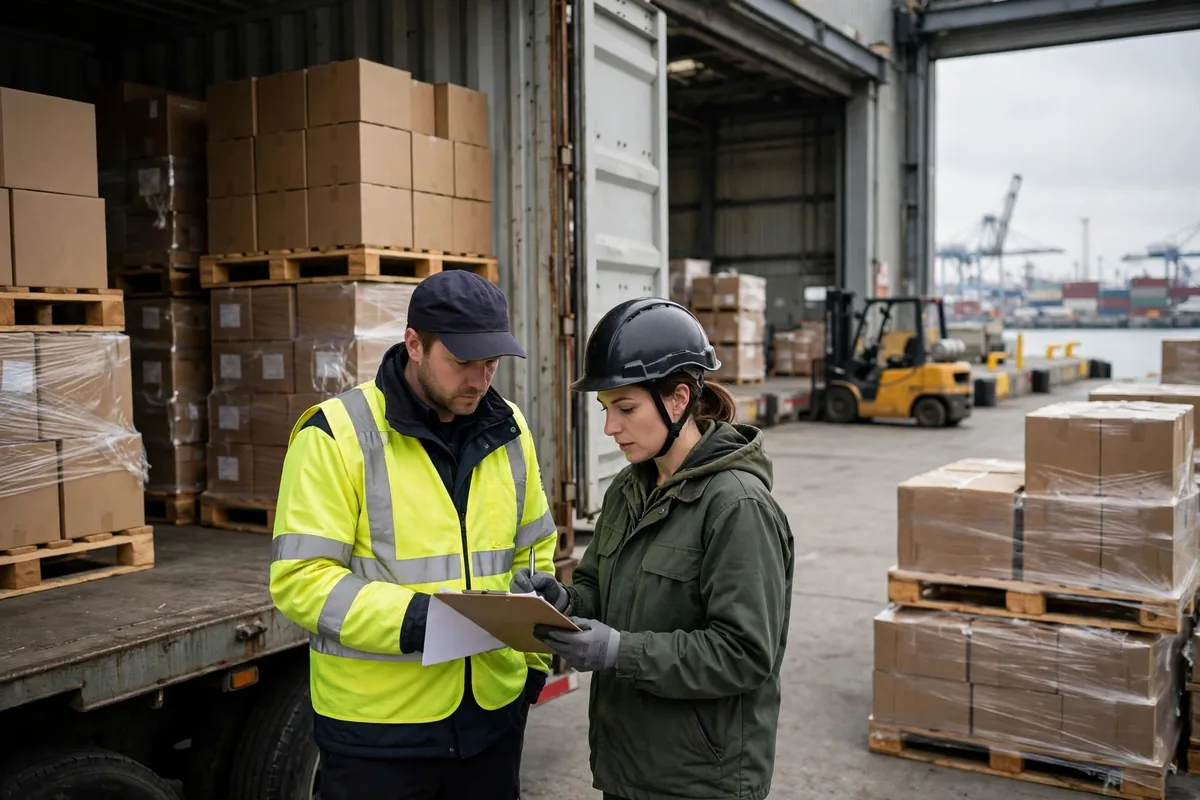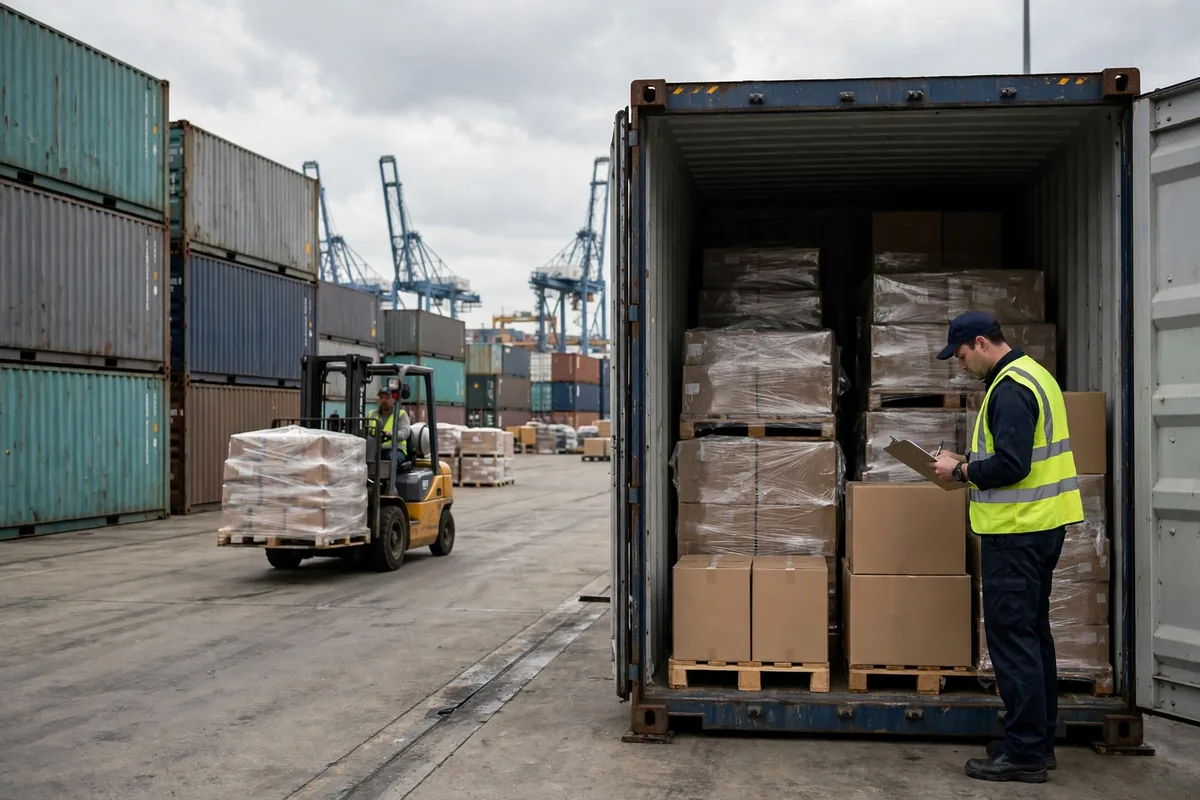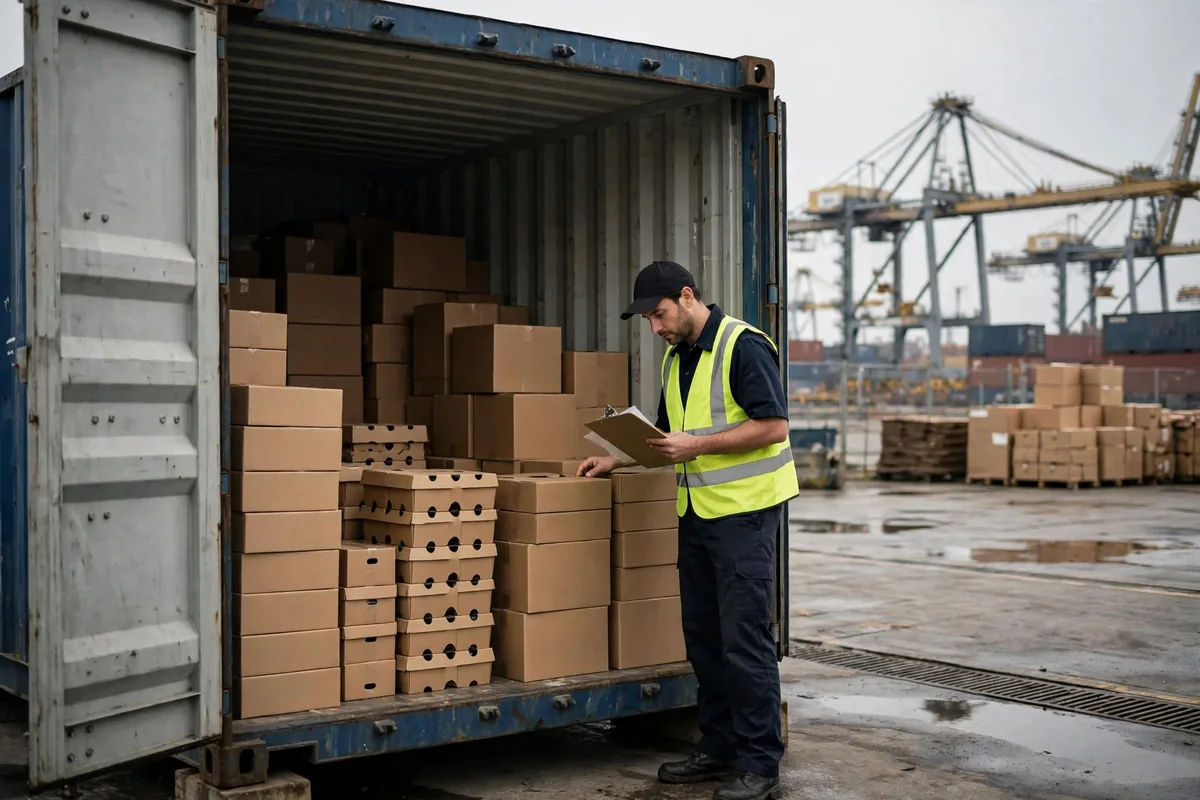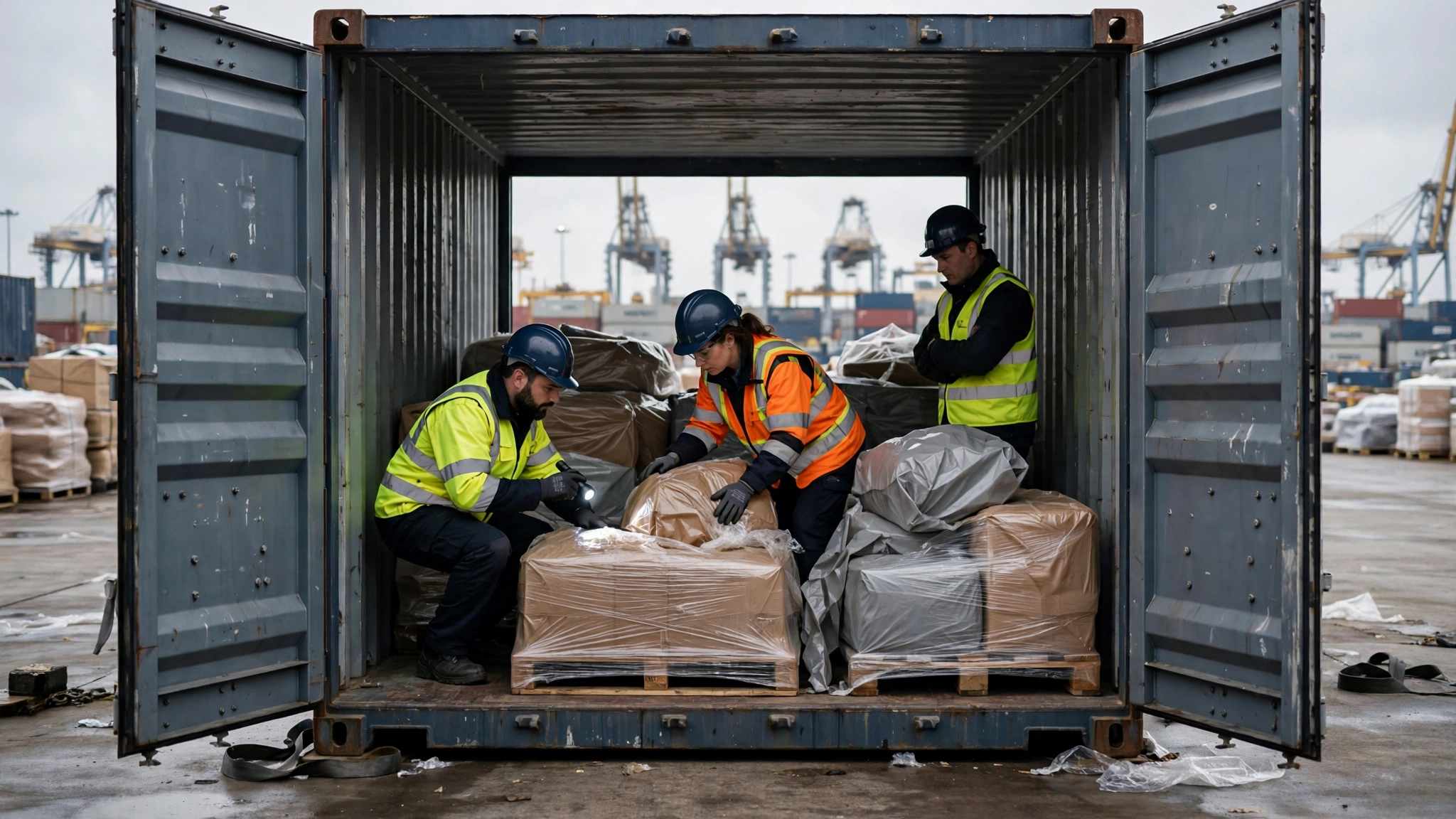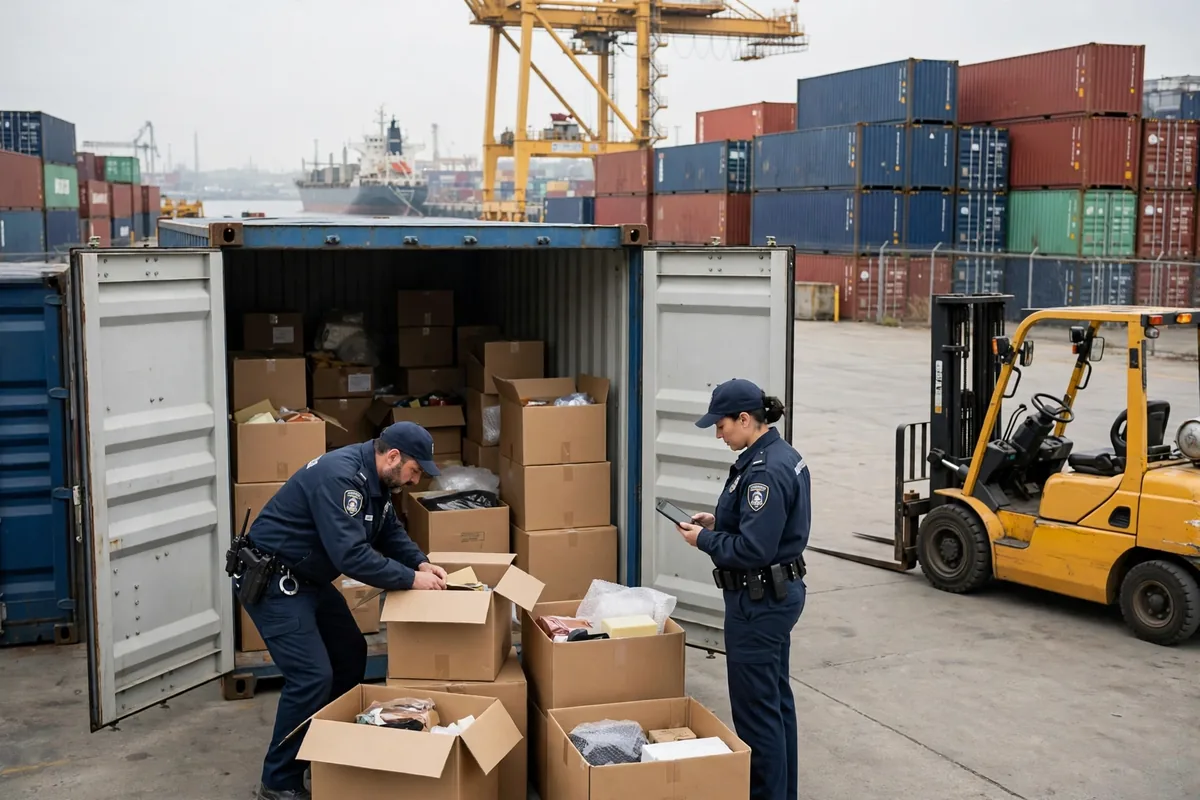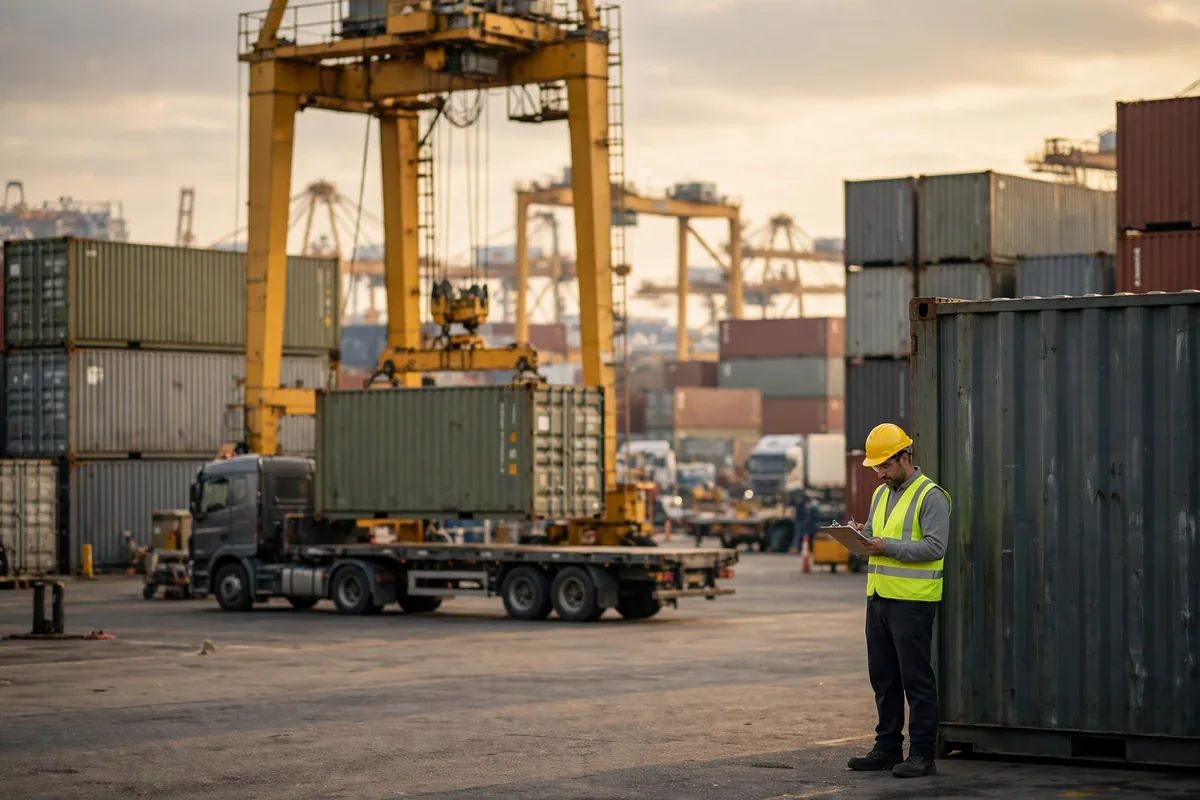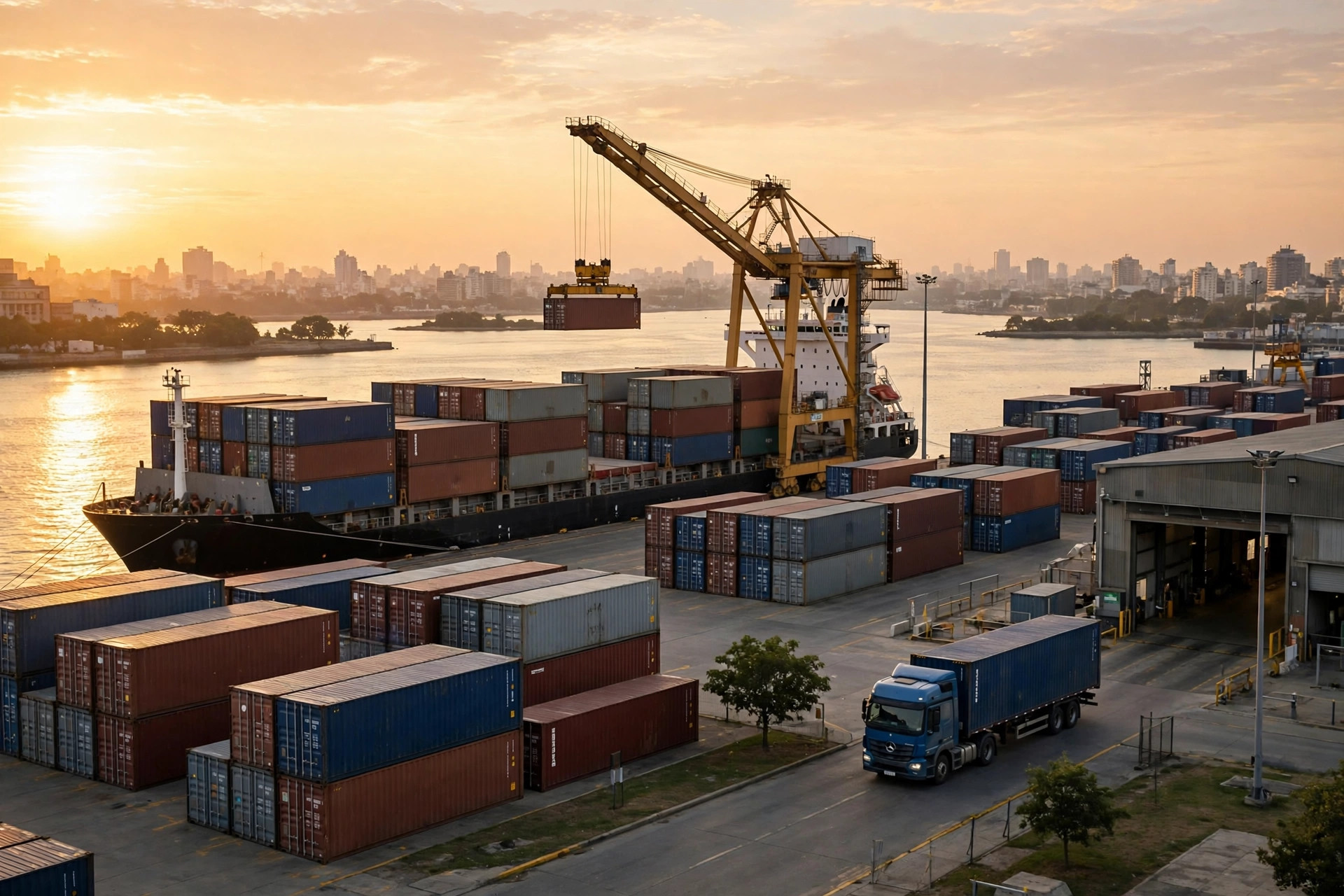
We had a client, a small-appliance seller, whose first run through Argentina import customs clearance came in March 2026: one 40-foot container from Shanghai, discharged at the port of Buenos Aires. He called me full of confidence. Documents ready, broker is an old partner, nothing can go wrong. The box then sat in the terminal for nine days. It was pulled for physical inspection, and when the tax assessment landed, the client went quiet. On a shipment with a CIF value of 100,000 dollars, customs wanted nearly 80,000 dollars in cash up front, before a single unit reached the warehouse. Only two of those charges were true costs. The rest were prepayments, recoverable later as credits, but the cash was gone that day. He asked me whether the bill could be reduced. I told him no — but it could have been written into the quote before he signed the contract.
Argentina has changed a great deal lately. The tax and customs authority is now called ARCA — it used to be AFIP — and its customs bureau runs inspections while declarations move through the SIM computer system. The SEDI advance import declaration was abolished on 26 February 2025, and with it the whole import licensing regime. Plenty of clients hear that and assume Argentina has become easy. I always push back: the gate is gone, but the tax is not, and neither is inspection.
Argentina Import Customs Clearance: A Green Channel Is Not a Free Pass
Once the broker files the declaration in SIM, customs assigns one of three channels under a risk rule that dates back to 1998 and is still in force: green releases the goods straight after registration, orange adds a documentary review, red adds physical verification. Green sounds comfortable, and that is exactly the trap. I have watched clean-looking shipments of kitchen appliances, correctly classified, get pulled into red at random. The box is opened, photographed, checked model by model, and three days disappear. Every day in the terminal eats into free time, which for a dry import container is typically three to seven days depending on the carrier. Free time only counts if it is written into the contract; a verbal promise counts for nothing.
There is also a deadline most first-timers only learn about after missing it. Under Argentina's Customs Code, the import destination must be requested before the goods arrive, or within 15 days of arrival. Miss that window and an automatic fine of 1% of the customs value applies. One percent sounds small until you realise it also stalls the whole release. My rule is simple: ten days before the vessel berths, the broker sends me a draft of the documents for review. Commercial invoice, bill of lading, packing list — names, quantities and values must match across all three. One mismatch and you are queuing for orange.
The Tax Bill Under Argentina Import Customs Clearance: 80,000 Dollars Up Front, 20,000 of It Real Cost
Argentine import tax is charged on the CIF value. Duty follows the NCM tariff code, inside the Mercosur common external tariff framework that runs from 0% to 35% depending on the product. The statistics fee is 3% and runs until 31 December 2027; Mercosur-origin goods are exempt. VAT, the IVA, is 21% generally and 10.5% for capital goods. On top of that, customs collects three prepayments at clearance: a VAT perception of up to 20%, an income tax perception of 6%, and a provincial turnover tax prepayment, usually around 2.5%. Prepayments come back as credits. Credits are not cash, and cash is what your container needs on the day.
Here is a worked hypothetical example, using published rates — an illustration, not any real shipment's assessment: CIF value 100,000 dollars, non-Mercosur origin, duty at 16%. Duty comes to 16,000 dollars, the statistics fee to 3,000, IVA at 21% on the CIF value plus duty plus statistics fee comes to 24,990, the VAT perception at 20% adds 23,800, the income tax perception at 6% adds 7,140, and the turnover tax prepayment at 2.5% adds 2,975. Total cash payable at clearance: 77,905 dollars, about 78% of the CIF value. Of that, only the duty and the statistics fee — 19,000 dollars — are sunk cost. The remaining 58,905 dollars is prepayment, recoverable later. Every client who hears 78% for the first time asks the same question: how is this business supposed to work? It works if you knew the number before you priced the goods.
| Charge at clearance | Basis | Hypothetical example (CIF $100,000, duty 16%) |
|---|---|---|
| Import duty | CIF × tariff rate | $16,000 — sunk cost |
| Statistics fee | CIF × 3% | $3,000 — sunk cost |
| VAT (IVA) | (CIF + duty + statistics fee) × 21% | $24,990 — creditable |
| VAT perception | Tax base × 20% | $23,800 — prepayment, creditable |
| Income tax perception | Tax base × 6% | $7,140 — prepayment, creditable |
| Turnover tax prepayment | Tax base × 2.5% | $2,975 — prepayment, creditable |
| Total cash at clearance | — | $77,905 — about 78% of CIF |
Read that table and you will understand why I never quote Argentina as warehousing plus handling alone. Brokerage, terminal handling, drayage, inspection attendance — leave any of them out and the client will accuse you of adding charges mid-route. In my quote template, clearance gets its own page: taxes are marked "per ARCA's latest published rules," service fees are fixed, and prepayments are marked "paid directly to customs by the client."
There is one more trap, and the March 2026 shipment walked straight into it. The goods were small electrical appliances, and Argentina requires a safety certificate for electrical equipment. The certificate did not travel with the goods, the orange-channel review stopped the shipment cold, and the certificate took four days to arrive. Those four days burned through the remaining free time, and demurrage started climbing. The lesson is one sentence: for anything needing certification, a sanitary permit or a technical approval, the certificate must arrive before the vessel does.
From the Terminal to the Warehouse: Pickup Day Is the Real Test
Release does not mean putaway. The port of Buenos Aires works through several terminals, and Puerto Nuevo and Dock Sud handle most container traffic. Pickup needs a booked truck and a warehouse receiving window, and if the two do not line up, the container either queues outside the gate or arrives with nobody to receive it. One client had a shipment released at 4 p.m. on a Friday in November 2025; the warehouse ran a half shift on Saturday, and the box was only collected on Monday morning. Two days of charges, for nothing. We changed the rule after that: the receiving window is locked 48 hours ahead, and trucks are only booked if they can make it.
Receiving itself needs discipline. After customs release, the warehouse checks every line: carton count, marks, models, damage. A box that went through red-channel inspection has a changed seal, and the count may differ, so receiving photographs everything and any discrepancy goes into the receiving report within 24 hours, copied to the client and the broker. On one shipment, twelve units were missing after inspection, and the receiving photos proved the box had been opened at the port — the seal number did not match the bill of lading record. Photographs and reports look like busywork until the day they are the only evidence you have.
In my warehousing contracts for Argentina, four clauses are non-negotiable: clearance timing split by responsibility; who advances the prepayments and within how many days the client reimburses — a number of days, never "as soon as possible"; the free-time allowance in the quote annex, with overruns passed through at the carrier's actual charge; and a pre-shipment checklist of certifications that the client signs. Writing these down makes the relationship smoother, because everyone knows where the boundary sits.
Next time you negotiate a contract, ask three questions: what is this product's tariff rate, and how much cash will the prepayments tie up; if inspection pulls a red channel, who pays the cost and the time; and how many free days do we have, and what does one extra day cost. Ask those three before you look at the price. Argentina import customs clearance is not frightening. What is frightening is signing a contract before anyone has done this arithmetic with you.
By Susan, 3PL Sales Director