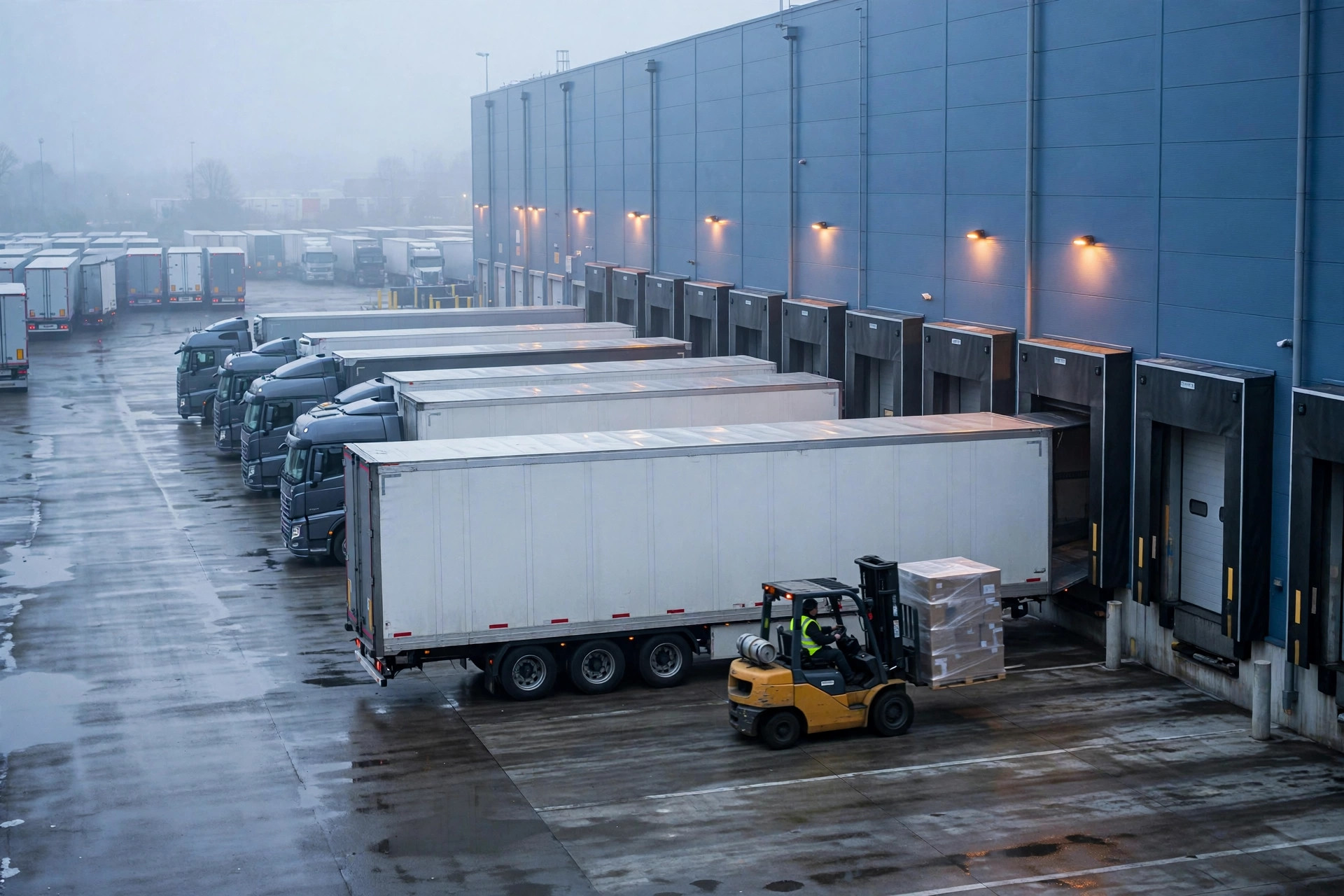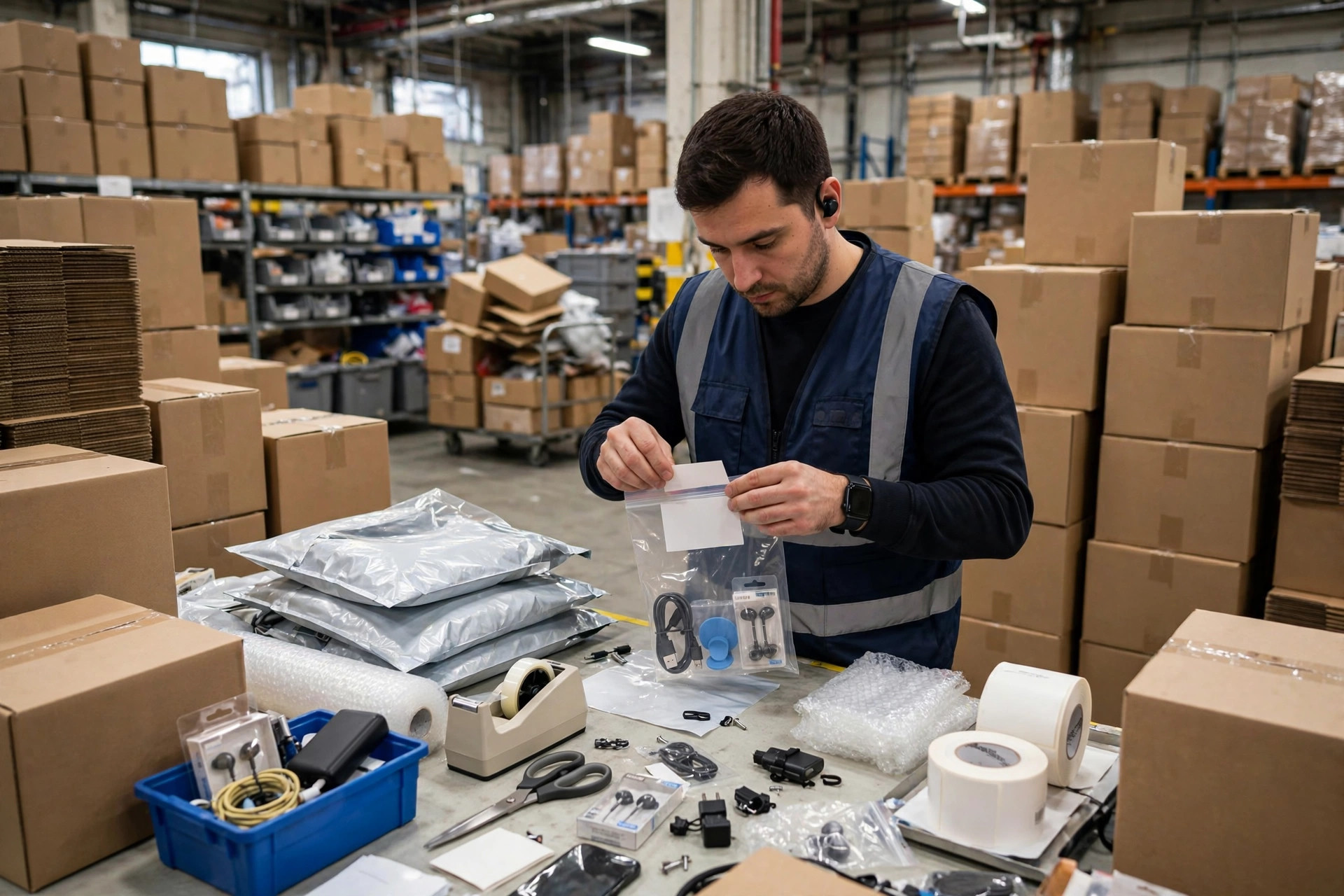
Amazon changed the rules again. This time it's not the main marketplace — it's Haul, the low-price storefront that launched inside the US Amazon app in November 2024. Everything under $20, most of it under $10, delivery in one to two weeks. Basically Amazon's answer to Temu.
I know sellers who got invited in. Don't get jealous too fast — stocking for Haul and stocking for regular FBA are two completely different games. Apply your main-site playbook to Haul and you'll bleed out.
First, the harsh truth: Haul is not "another FBA channel"
A lot of sellers assume Haul is just a new traffic entrance. Wrong.
First, Haul is invitation-only. There's no public application, no opt-in inside Seller Central. Amazon invites manufacturers directly.
Second, the same ASIN cannot live on both Amazon.com and Haul. Want to sell both places? Nope. You need separate ASINs for Haul, separate inventory, separate P&L.
Third, customer returns never come back to you. They get liquidated or disposed. This one hurts the most: on the main site you can at least hope a return comes back resellable. On Haul, one return means the unit and the money are both gone.
Fourth, delivery runs one to two weeks, free shipping only kicks in over $25, otherwise there's a $3.99 shipping fee. Haul shoppers came for cheap — their price sensitivity is ten times the main site's, while their patience for shipping is far higher.
So stop asking "what's the difference between Haul prep and FBA prep." They're different species.
How I plan Haul inventory: the low-price × high-volume formula
In June 2026, a friend of mine (Shenzhen-based, four years selling phone cases on Amazon) got invited into Haul. His first shipment: 8,000 silicone phone cases at $6.99 each. I told him straight up: you calculated that like a main-site seller. You're going to stock out.
Why? Haul's traffic structure is low price multiplied by high volume. Fifty orders a day is decent for a main-site listing; on Haul, a hot SKU starts at 500 orders a day. The replenishment formula has to be rewritten:
Haul order quantity = forecasted daily units × (inbound transit days + check-in days + safety stock days) × units per order
Here's the parameter set I actually use, tested in the field:
- Forecasted daily units: reverse-engineer from review velocity of comparable Haul bestsellers in the category, then take 70% of that. Don't get greedy in month one.
- Inbound transit: 25–35 days by ocean is normal. Haul doesn't chase Prime speed, so don't burn money on air freight.
- Check-in and receiving: budget 10–15 days. Add another 7 days of buffer around Black Friday and Christmas.
- Safety stock: at least 30 days for Haul; 14 is enough for the main site. Because once a Haul listing stocks out, its ranking falls off a cliff, and by the time replenishment lands, the traffic is already gone.
Run my friend's phone cases through it: 200 forecasted units/day × (30 transit + 12 check-in + 30 safety) = 14,400 units. His first batch of 8,000? Stocked out on day 26, listing dropped from top 20 to outside the top 100. By the time replenishment landed, the traffic had been eaten by the competitor selling at $5.99.
Let the numbers talk: does Haul actually make money?
Low-price retail profit is calculated penny by penny. I built a comparison table (illustrative figures below — always confirm current fee schedules in Seller Central):
| Item | Main-site FBA (example) | Haul (example) |
|---|---|---|
| Selling price | $19.99 | $6.99 |
| Product + inbound cost | $4.50 | $1.80 |
| Referral and fulfillment-related fees | ~$6.50 | per latest Seller Central policy |
| Gross profit per unit | ~$9.00 | ~$2.50 (example) |
| Daily order volume | 50 | 300 |
| Daily gross profit | ~$450 | ~$750 |
See it? Haul turns thin margins into thick profit through volume. $2.50 a unit sounds like a joke — until 300 units a day makes it $750, beating the main site.
But this table hides a landmine: returns. Haul returns don't come back to the warehouse. Assume an 8% return rate (low-ticket small goods only run higher), and out of 300 daily orders, 24 units vanish completely — $60 of margin gone per day, before counting the lost product cost. When modeling Haul, book returns as a total loss. Don't comfort yourself with main-site logic about reselling returned units.
Inbound prep: labeling and packaging is where people crash
On the subject of inbound, there's a 2026 change you must know: as of January 1, 2026, Amazon discontinued its FBA prep and labeling services for US shipments. You used to be able to send naked units and let Amazon sticker them. Not anymore — bagging, wrapping, and labeling all happen at your own facility, your factory, or a third-party prep center. Mislabel or skip a label and your shipment gets stuck at receiving, no appeal.
Haul SKUs are small and light by nature, which makes labeling prep even more fiddly. My field checklist:
- Every sellable unit needs a scannable barcode (FNSKU or manufacturer barcode). Cover every other barcode on the unit. One box with two visible barcodes can get the whole box flagged.
- Bubble mailers and poly bags for small items, not bare units. Haul inventory goes through more touches inside the warehouse network, and damage rates run higher than the main site.
- Box labels on two sides, not one. If the receiving scanner can't read it, your cartons sit in the problem pile.
- For mixed-SKU boxes, build the box content info in Seller Central in advance, and the quantities must match reality exactly. One unit over or under triggers a manual audit — add 5–7 days to your check-in, minimum.
My friend crashed on item four: 8,000 cases across three colors, and he built the shipment by total quantity to save time. Amazon held the entire batch for 9 days. Haul is a speed game — 9 days and the moment is gone.
The contrarian take: Haul's real value isn't profit, it's product testing
Which brings us to the question everyone asks: is Haul even worth it, with all this hassle?
My honest answer: don't count on Haul to make real money. Treat it as the cheapest product-testing machine on the internet. A new product that moves 2,000 units in 7 days on Haul with conversion above 8% has proven its price band and design in the market. Take that data back to the main site, build the branded version through the normal FBA process, and your hit rate beats guessing in the dark by a mile.
It works in reverse too: a product that can't clear 3% conversion on Haul won't be saved by main-site ads — you'll burn ACoS to 60% and still lose. Haul lets you disprove a product at the lowest possible cost.
The trade-off: Haul ASINs are walled off from the main site. Reviews, rankings, brand equity — none of it transfers. A Haul winner gives you data to reference, not assets to migrate. Enter with that mindset and everything gets easier.
Competing with Temu on fulfillment: don't fight the price war head-on
Last thing — the anxiety everyone shares: with Temu and Shein in a price war, how does a Haul seller survive?
My field-tested conclusion: don't try to beat Temu on absolute lowest price in the warehouse. Compete on "Amazon trust + controlled cost."
Temu is fully managed — sellers have almost no pricing power. But even at rock-bottom prices, the buyer still sees the word "Amazon": returns, customer service, payment trust all included. That means the real battlefield for Haul sellers isn't a $0.50 price gap — it's supply-chain response speed.
The practice: run every Haul SKU on small-batch, high-frequency rolling replenishment — no single batch over 30 days of sales. Don't do the main-site thing of landing 3 months of stock at once. Low-ticket products iterate fast; piled-up inventory is just piled-up dead stock.
This one I've personally verified works: after my friend rebuilt his replenishment on this logic, his stockout rate fell from 40% to under 5%, and his Haul store now holds steady around $18,000 in monthly gross profit. He tells everyone now — if he'd known Haul and FBA were two different animals, he'd never have shipped that first 8,000 the way he did.
One line to remember: Haul isn't won by whoever's cheapest. It's won by whoever does the inventory math better. If you can't make the numbers work, stay out.
By Ah K, E-commerce Seller (5 yrs)