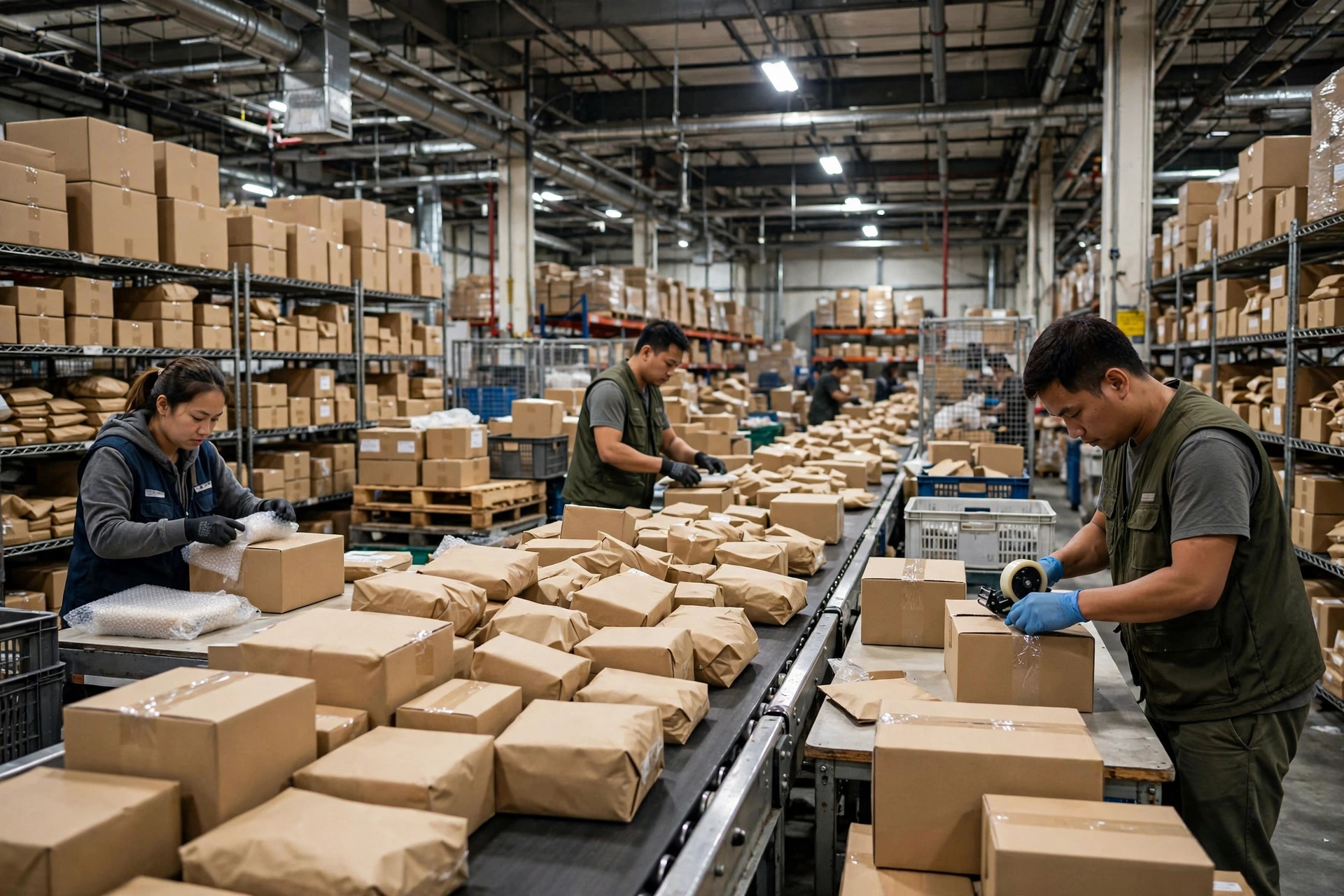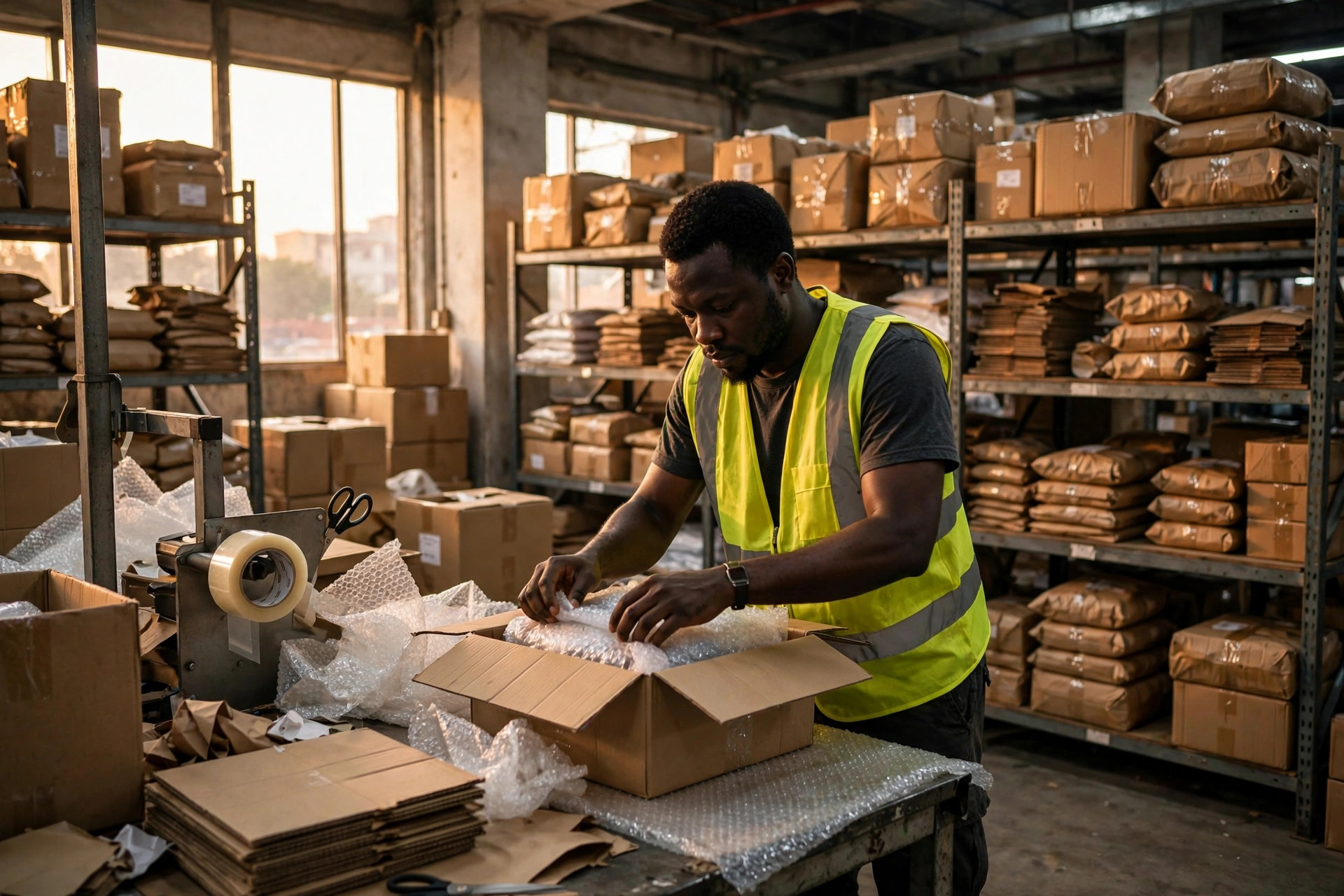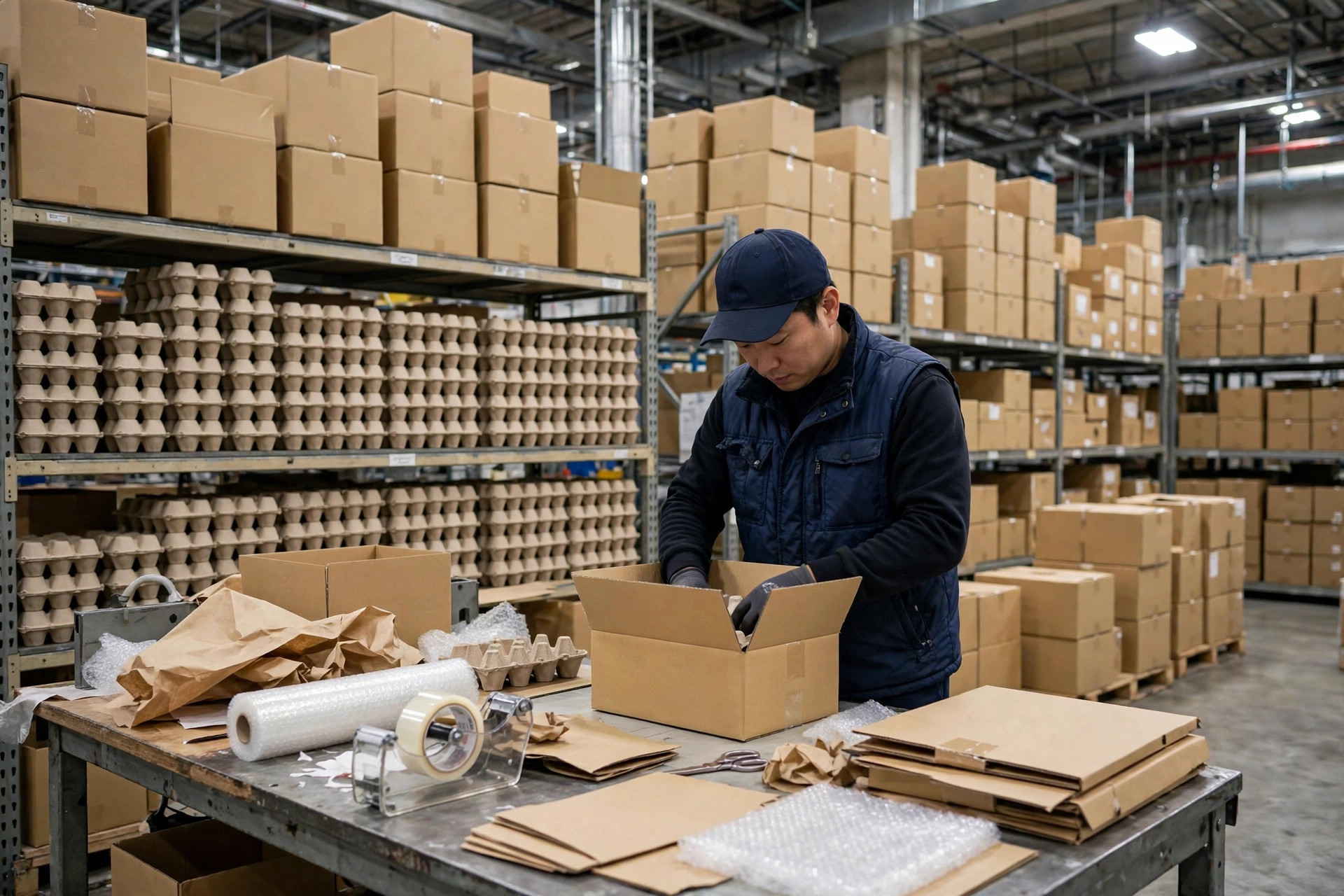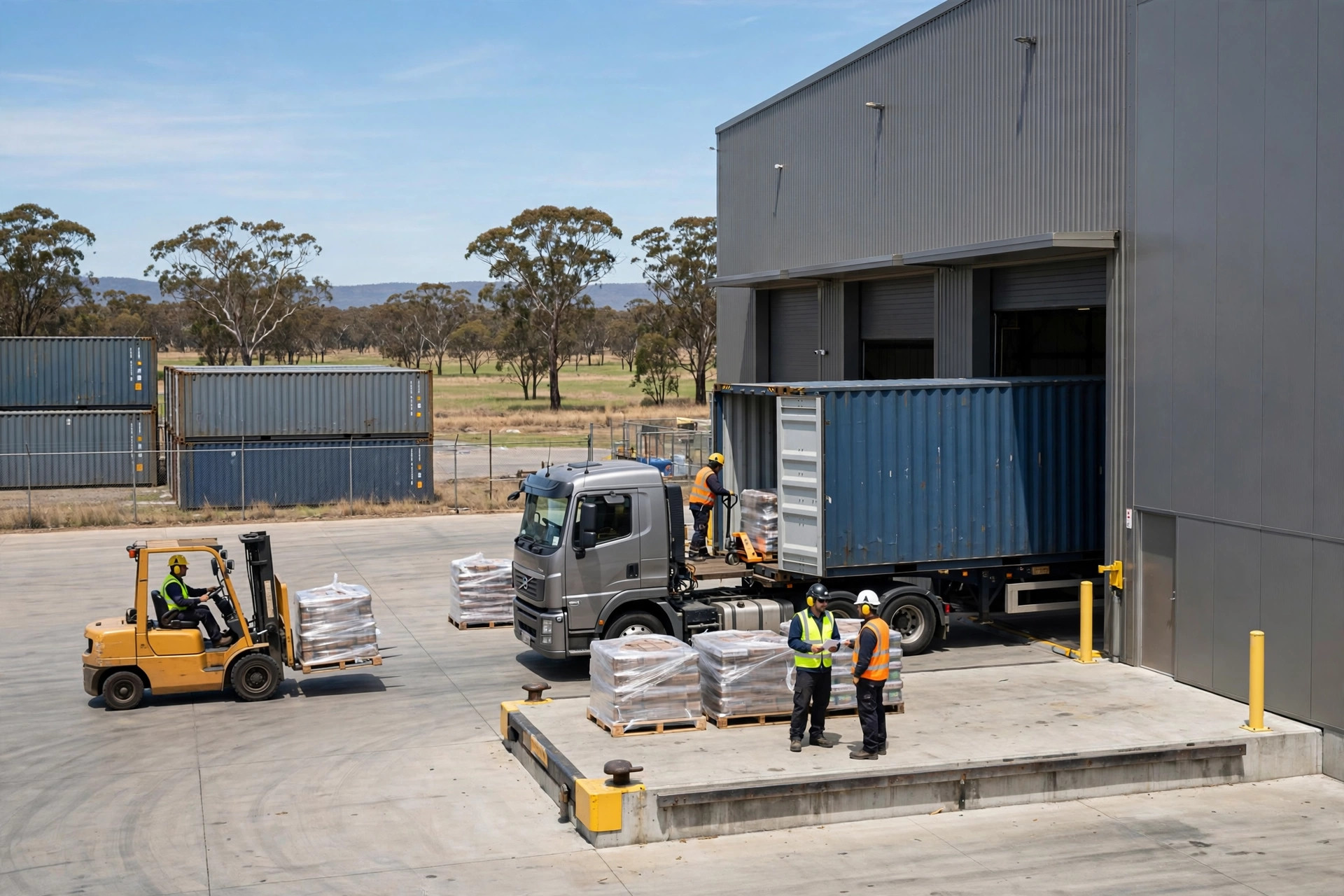
Here's my one-line verdict after two years in the trenches: for international sellers, the Allegro Poland fulfillment requirements that actually decide profit are all in the returns pipeline, not in sourcing. Allegro is Poland's biggest marketplace and traffic is not the problem — the problem is that most cross-border sellers misunderstand the Allegro Poland fulfillment requirements for international sellers: getting goods out on time and getting returns back without bleeding money.
The Three Months of Direct Shipping That Ate My First Profits
I opened my Allegro store in March 2025, selling home storage boxes. Two months in, orders were climbing and I was about to scale ad spend. Then the return wave hit.
I knew Polish shoppers return fashion like it's a sport. But storage boxes?! My three-month return rate came in at 34%. And every single return had to fly back to my reverse-logistics hub in Shenzhen: average international return shipping of ¥41 per parcel, plus handling fees, plus platform fees that don't get refunded. Each return cost me ¥63. Two months, ¥27,000 gone — half of everything I'd made up to that point.
That's when it clicked: on Allegro, picking the wrong fulfillment model kills you no matter how good your product selection is.
The Numbers: Three Fulfillment Models Compared
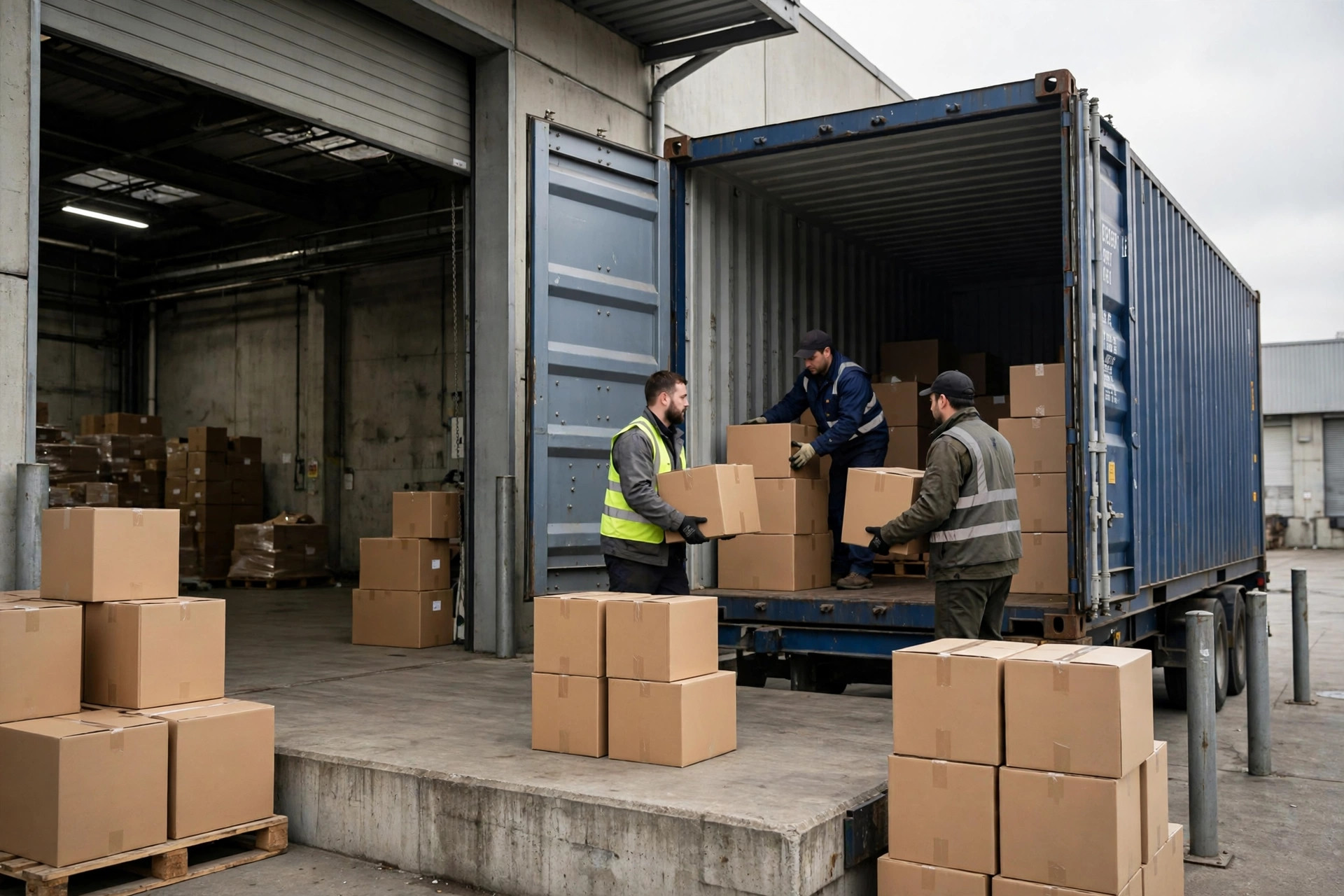
In September 2025 I moved to a third-party warehouse near Wrocław, Poland. Returns land there, get inspected, repackaged, and relisted. If you want the short version of Allegro Poland fulfillment requirements for international sellers, it's this: ship locally, process returns locally, and don't let a single parcel fly back to Asia. Here are my real ledger numbers:
| Direct from China | Polish 3PL Warehouse | Allegro One Fulfillment | |
|---|---|---|---|
| Last-mile time (my measured median) | 13 days | 2 days | 1–2 days |
| Local return processing | No — everything goes back to China | Yes | Yes |
| Cost per return (my ledger) | ¥63 | ¥19 | ¥24 (early-2026 rate; check Allegro's latest published rates) |
| Onboarding bar | None | Monthly rent + minimum pallet count | Must meet official inbound specs — packaging, labels, appointments (per Allegro's latest published policy) |
The killer row is "return to sellable" time: 42 days shipping back to Shenzhen versus 3 days in Poland. My refurbishment success rate is 82% — because parcels that skip an international round trip arrive far less beaten up.
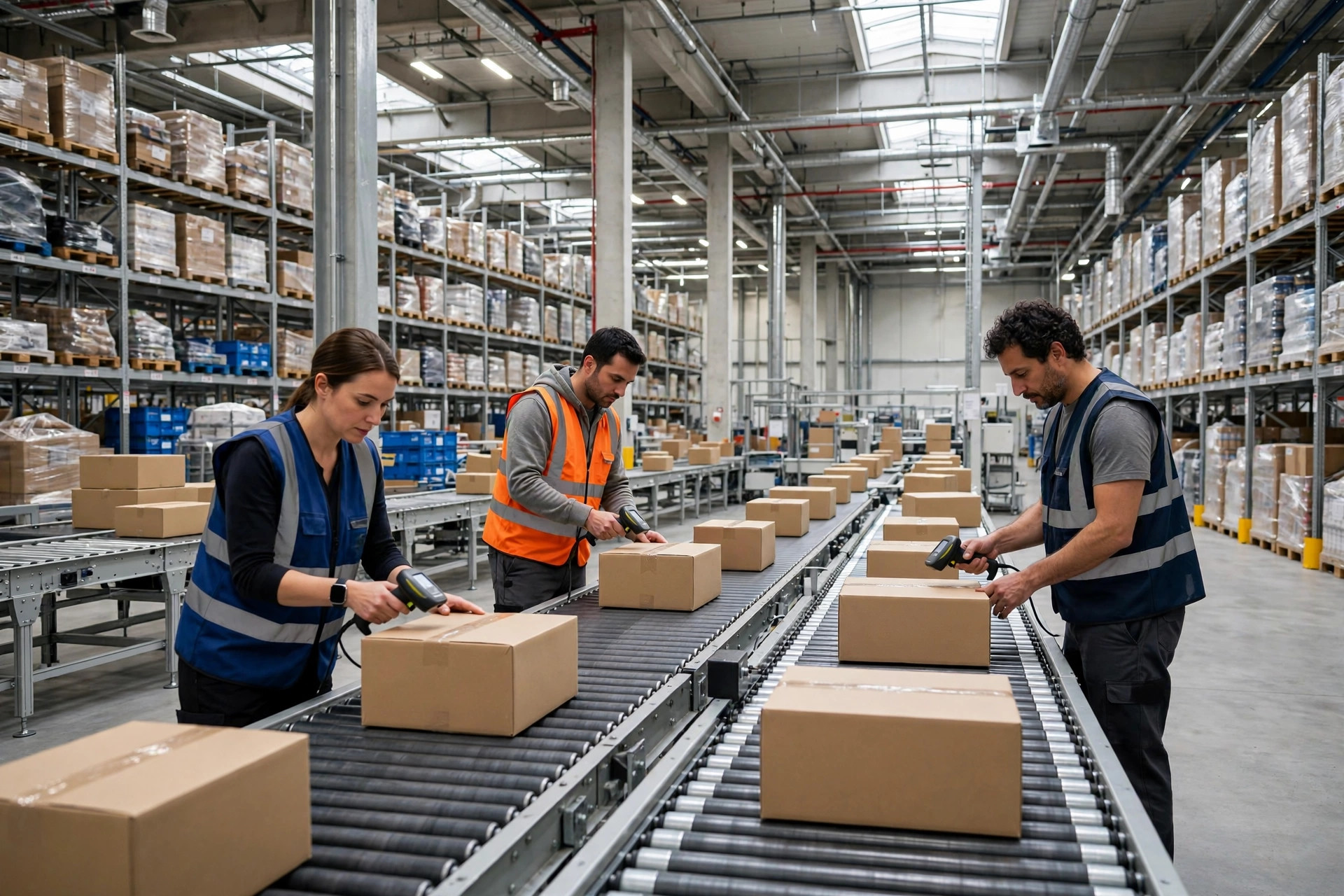
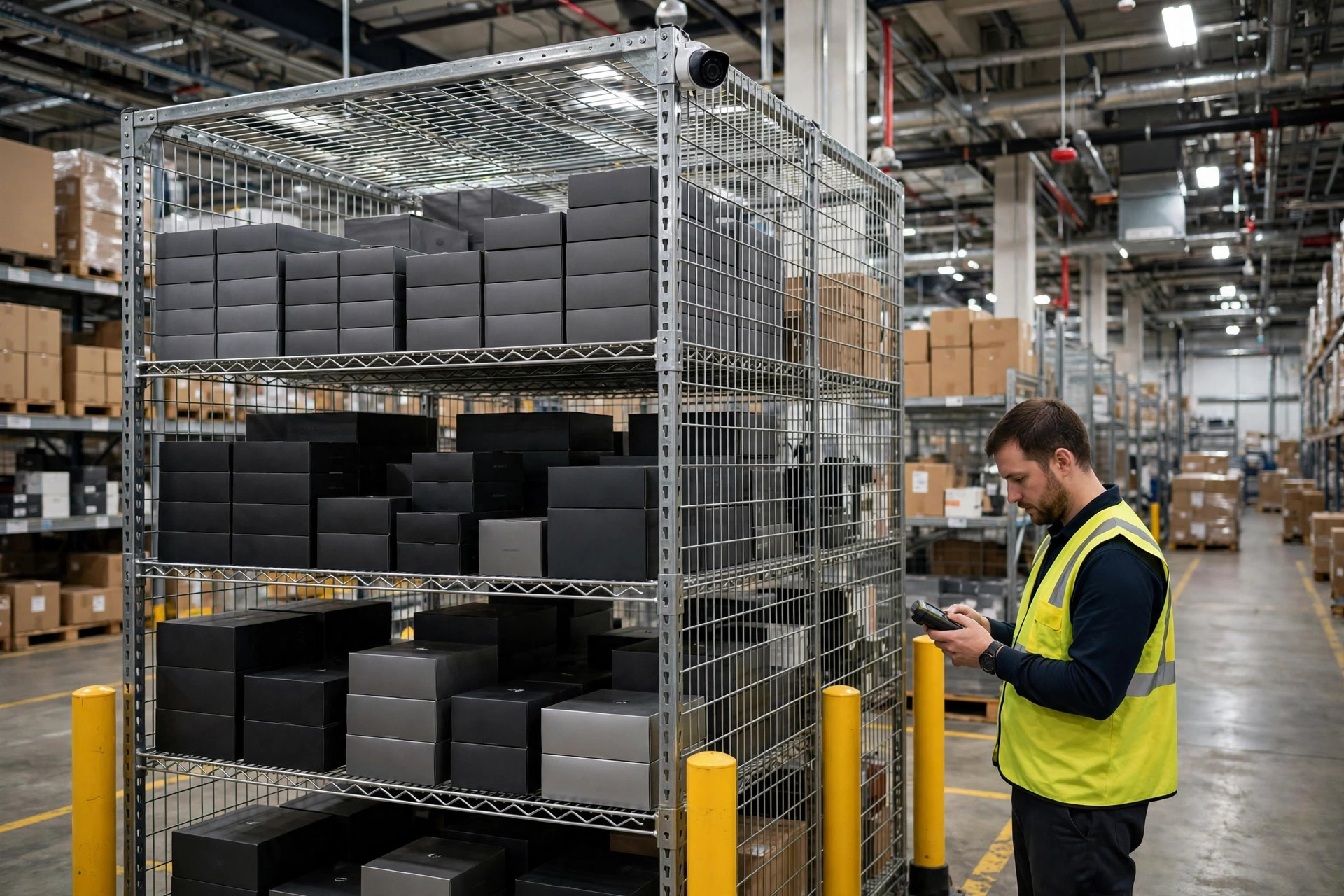
One caution on Allegro One Fulfillment: storage and delivery rates change every year. Never budget off an old screenshot — always confirm against Allegro's latest published rates. My current setup is a hybrid: fast-moving SKUs sit in Allegro One Fulfillment for the delivery-speed badge, long-tail SKUs sit in the cheaper third-party Polish warehouse, and the return address is unified. It took me a year of trial and error to land on this mix, and it's the cheapest configuration I've found for meeting the Allegro Poland fulfillment requirements for international sellers without overpaying for platform warehousing.
Allegro Poland Fulfillment Requirements: What International Sellers Actually Face
Inbound is where I took my hits. Four hard rules, learned the expensive way:
- Label compliance is binary. Outer-carton SKU labels and barcodes must match the system declaration exactly. Polish warehouses have zero tolerance for mislabeled cartons — one wrong label, one penalty.
- Book your inbound slot. In peak season you must reserve a delivery window in advance; walk-in deliveries get turned away.
- First-batch inspection. The warehouse samples your first inbound shipment. Fail the defect threshold and the whole batch goes back — freight on you.
- Polish-language packaging info. Manuals and safety warnings need Polish versions. This is a baseline EU market requirement; English-only is cutting corners.
My stocking formula is dead simple: stock = daily sales × (inbound lead time + 15 safety days) × seasonal factor. Seasonal factor is 1.2 normally, 1.5 for Christmas. Poland's December Christmas rush is the year's biggest peak, so stock must be in the warehouse by end of October: 30 days ocean freight + 7 days customs + 5 days inbound processing, listed by November 20. Just in time.
The Counterintuitive Part: A High Return Rate Isn't Always Bad
In February 2026 I did something my peers called insane: I switched to "30-day free returns + locker drop-off." That month my return rate rose from 31% to 36% — but conversion jumped from 4.1% to 5.3%, and GMV grew 22%.
Polish buyers check the return policy before they buy. The easier returns feel, the faster they click buy. Returns aren't a pure cost line; they're a customer-acquisition line. The catch: your reverse pipeline has to be cheap. At ¥63 a return nobody can play this game; at ¥19 it's a marketing expense.
Every return goes down one of three paths — this decision framework is pinned on my warehouse wall:
- Grade A (packaging intact): relist directly, zero cost.
- Grade B (needs repackaging): refurbish, about ¥10 per unit.
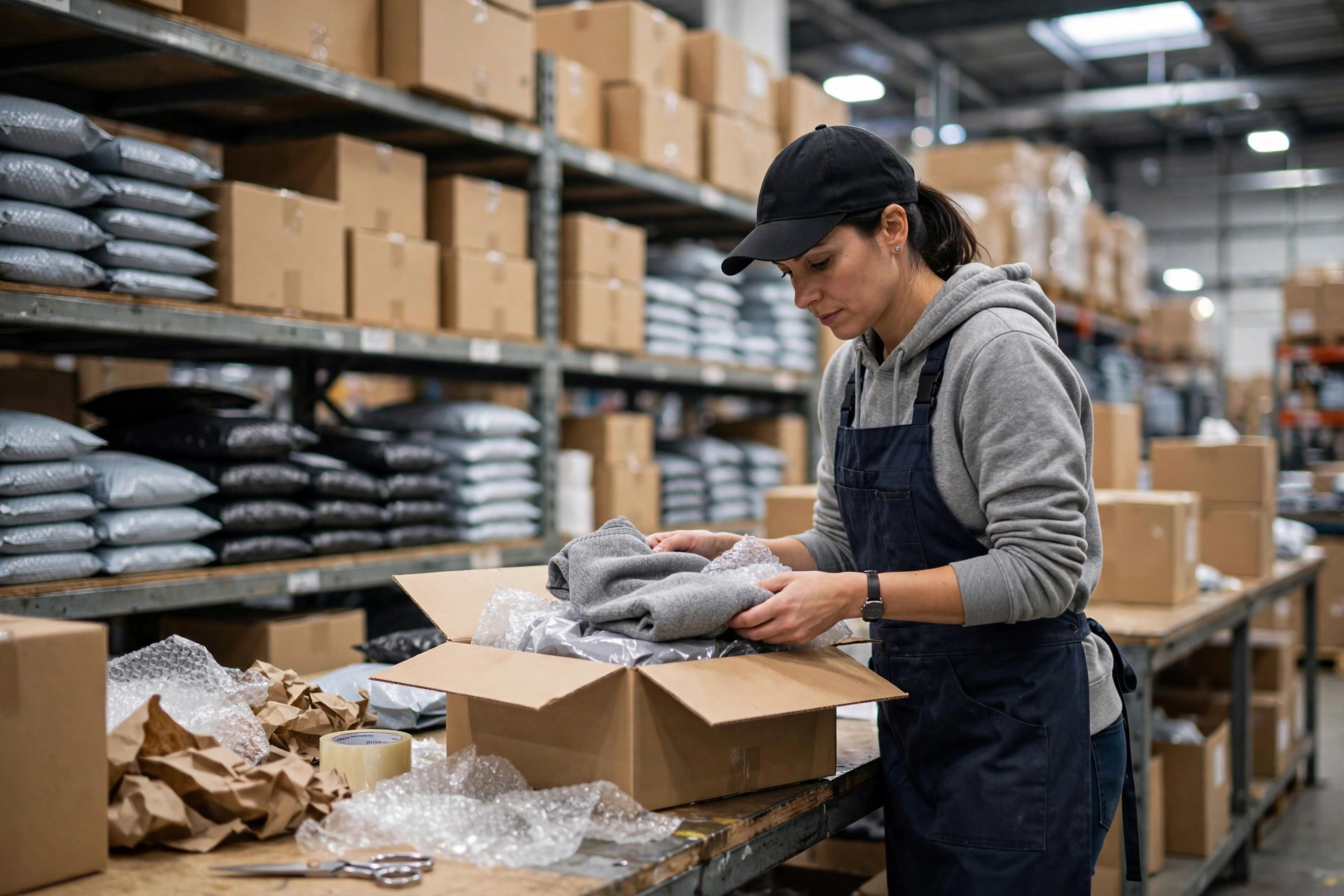
- Grade C (damaged / missing parts): destroy. My destruction threshold is ¥25 item value — below that, Polish warehouse labor (about ¥40/hour, so ¥6.7 per unit at 10 minutes each) plus ¥3 new packaging costs more than the item is worth. Destroy in batches, no agonizing.
Four Pitfalls: Where International Sellers Fail on Allegro Poland's Fulfillment Requirements
- The EU's 14-day cooling-off period is law (Directive 2011/83/EU). Allegro's return rules can only be stricter than that, never looser. Don't port your domestic "7-day no-reason" playbook over — it will blow up.
- Return labels must support InPost Paczkomaty locker scanning. Poles live on parcel lockers for pickup, and returns are no different. In my own testing, stores without locker return support got double the bad reviews on return experience.
- Use OSS for VAT across the EU instead of registering country by country. Confirm the exact filing rules against the latest tax authority guidance, but OSS is the direction.
- Never use a rented private house as your return address. An unprofessional-looking return address in Poland means buyers refuse to ship and couriers refuse to collect — dispute rates skyrocket. A proper warehouse return address is table stakes.
On Allegro, the game isn't won on product selection. It's won on warehouse fulfillment and returns — that unglamorous operational core is what the Allegro Poland fulfillment requirements for international sellers are really about. The month my return pipeline finally ran clean was the first month my Poland store turned a profit. This one I've tested myself — it works.
By Ah K, E-commerce Seller (5 yrs)