How many times a day does your support team answer "Where is my order?"
I asked that question to an operations manager at a West Coast e-commerce client a while back. He thought for a second: "About half on a normal day. More during peak season." The store ships a few thousand orders a day with a three-person support team, and when the message queue fills up, most of it is shipment tracking.
AI customer service has been pushing into the after-sales space for the last couple of years, and here's my verdict: it's one of the most reliable places to deploy AI — but the headline metric everyone sells, "auto-resolution rate," has far more padding in it than most vendors admit. Whether it's worth doing, and how much of the workload it actually replaces, comes down to whether you've done the math honestly.
Where the Bot Earns Its Keep — and Where It Shouldn't Go Near
The questions AI handles well share two traits: high frequency and a deterministic answer.
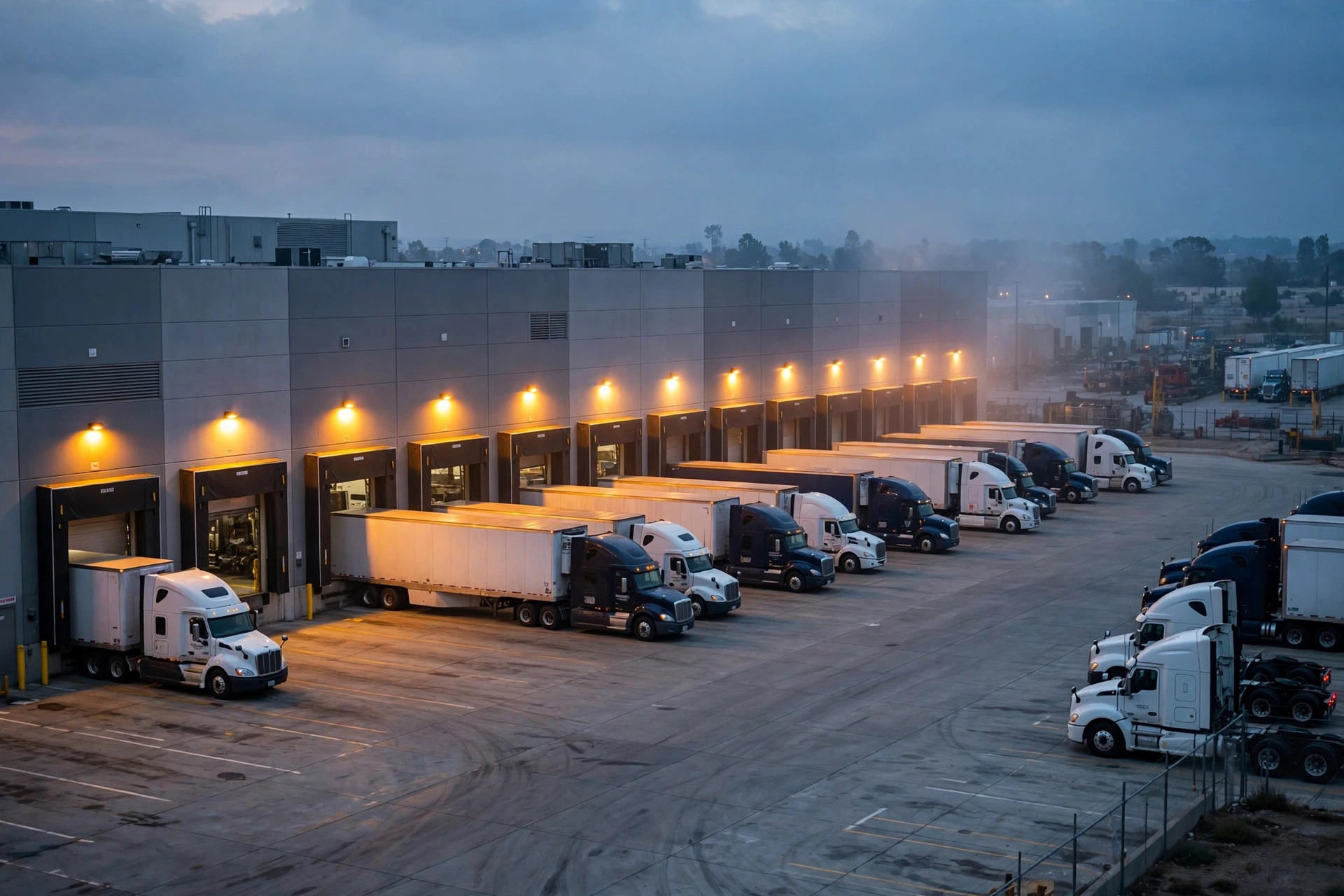
Shipment tracking (WISMO) is the number one target. A customer gives an order number; the bot pulls the order system and the carrier's tracking feed and replies: "Your package arrived at the Los Angeles distribution center last night and is scheduled for delivery tomorrow." Done. This category usually dominates after-sales volume, and the logic is the simplest.
Return-policy questions are next. "Can I still return it after 30 days?" "Do custom items qualify?" Policy is written down somewhere — as long as the knowledge base is current, a bot answers these more reliably than a rookie agent.
Then there's the standardized actions: address changes and invoice requests. The address was typed wrong; the bot verifies identity, confirms the parcel hasn't shipped, and submits the correction in the backend. Need an invoice? The bot generates it and sends it by email. Clean, closed loops.
The lines it must not cross are emotion and judgment. A customer writes "The lost package was my kid's birthday gift" — a bot attempting comfort will only make things worse. Lost-package claims, exception returns, customers threatening chargebacks to squeeze compensation: these need a human with authority to decide.
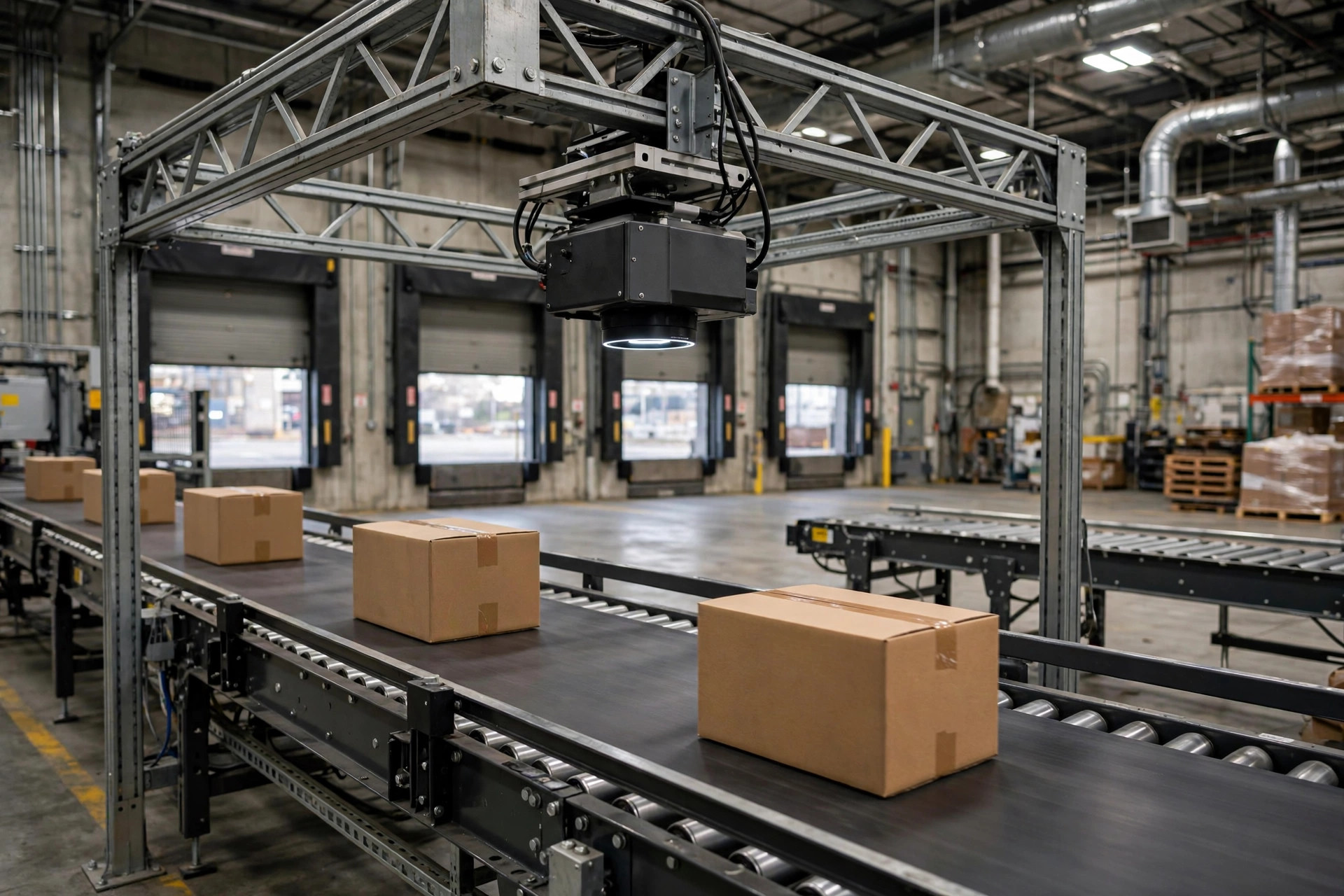
And then there's data plumbing, which decides everything. Whether the bot can answer anything specific to an order depends entirely on whether it's integrated with your order management system and your WMS. Without that integration, an "AI agent" is just a fancy auto-reply that recites policy. A customer asking about their specific shipment gets escalated anyway — which means the bot isn't replacing any real work. System integration is the first thing to confirm in any vendor evaluation.

Returns-related questions prove the point best. "Did you receive my return? When's my refund?" The bot needs to see the return's real status in the warehouse — received or not, inspection passed or failed, refund going back to the card or store credit. That requires every step of the returns process to have a system status. The bot isn't answering a question; it's translating the warehouse's ground truth into something the customer can read.
The Numbers From a Home-Goods Retailer — Run Your Own
In 2024 I worked with a California home-goods e-commerce brand shipping a few thousand orders a day with a return rate on the high side. Before they deployed after-sales AI, the support team ran up to a dozen people at peak. After launch, shipment tracking and policy questions were almost entirely handled by the bot; the team shrank to about half, with the rest dedicated to disputes, claims review, and key accounts. Six months later they told me the most unexpected outcome: turnover dropped. The remaining work was the kind that actually uses judgment, and people stopped wanting to quit.
Don't copy that story — every company's inquiry mix is different. Before you sign anything, answer three questions, all measurable by you in two weeks.
First: what share of your inquiries are tracking, policy questions, and standardized actions? If it's below roughly sixty percent, the bot's auto-resolution rate won't look pretty. Hold the budget.
Second: your fully loaded cost per inquiry. Take a support agent's monthly cost — wages, benefits, management overhead at your local market rate — and divide by monthly inquiry volume. Multiply that per-inquiry cost by the volume the bot removes, and you have gross savings.
Third: total cost of the AI. Software subscription or custom build, the labor of building the knowledge base, engineering time for system integration, and per-use fees to the vendor. The knowledge base is the hidden cost people miss: getting the return policy, freight rules, and exception procedures out of your veterans' heads and into documents takes a mid-size e-commerce operation at least two to three weeks.
Subtract cost from gross savings and divide by cost — that's your ROI. The following is a purely illustrative example, just to show how the math works: 20,000 inquiries a month, $2 fully loaded cost per inquiry, the bot auto-resolves 30% — gross savings of $12,000 a month. If monthly total cost including subscription and maintenance is $6,000, ROI is roughly 2x. If the numbers check out, greenlight the project. If they don't, keep hiring humans.
Watch how "auto-resolution rate" gets defined — it decides whether that math is real. I've seen vendors count "customer didn't follow up" as a resolution. The customer was so frustrated they called the hotline instead — and that counts as the bot's win? Write the definition into the contract: what counts as resolved (e.g., no repeat inquiry and no escalation within 24 hours) and accept delivery only on your definition, not the vendor's.
The Two Pitfalls That Cost the Most
The first is hallucinated policy. This is the expensive one. The return window changes from 30 days to 14, the knowledge base doesn't get updated, and the bot cheerfully promises the customer 30 days. Now the customer screenshots the chat and demands their way. A bot never says "I don't know" — it invents something in the most confident tone possible. The fix is one rule: version your policies, every entry with an effective date, and remind operations to update them before expiry. And force the bot to quote the knowledge base verbatim on policy questions — no improvisation allowed.
The second is unclear authority boundaries. The bot promises something it can't deliver. A customer asks for a doorstep pickup; the bot confirms "pickup tomorrow," but your carrier contract doesn't include pickup service. Someone on the team has to call and apologize. The fix: give the bot an "action whitelist." It may only act within what your systems can actually execute; anything outside the whitelist goes straight to a human. Treat the bot like a very eager intern — and interns don't get to sign contracts.
Here's the trade-off to leave with. After-sales AI doesn't replace people; it replaces repetition. It turns your support team from parrots into referees: the bot answers tracking and policy, humans handle disputes, authorize claims, and calm people down. Whether it's worth it comes down to two things — enough volume, and systems that can integrate.
One thing you can do tomorrow: don't call vendors yet. Classify two weeks of your inquiries by question type. If tracking plus policy questions make up more than sixty percent, then go talk about integration and pricing. If they don't, your money will almost certainly go nowhere.