Peak season, the night before a big sale, and the group chat from our partner warehouse blows up: the conveyor jammed, the whole line stopped, and hundreds of orders are sitting halfway down the belt while customers start asking where their parcels are. Honestly, a conveyor looks well-behaved right up until peak season, and then it finds a way to ruin your night. An AI camera conveyor jam detection warehouse setup sounded like the answer when I first heard about it. Stick a camera over the belt, let the software watch the line, get an alert the second something jams. Easy. After living with it for a while, I can tell you it is half brilliant and half headache. So let us lay it out: where it gets it right, where it misses, and whether a small seller should even bother.
First, a complaint about the old way. Plenty of warehouses still detect jams with a pair of photo eyes. Beam blocked, alarm sounds. Beam clear, all good. Simple logic, but parcels today are anything but simple. Soft polybags, shiny tape, light little packets: they bunch up for a second, the beam thinks the line is jammed, the alarm goes off, the whole lane stops, and a worker runs over to find nothing wrong because the boxes already slid on by themselves. Do that a few times a night and workers stop trusting the alarm at all. The boy who cried wolf, played out nightly in a warehouse.
AI Camera Conveyor Jam Detection Gets It Right by Seeing the Whole Picture
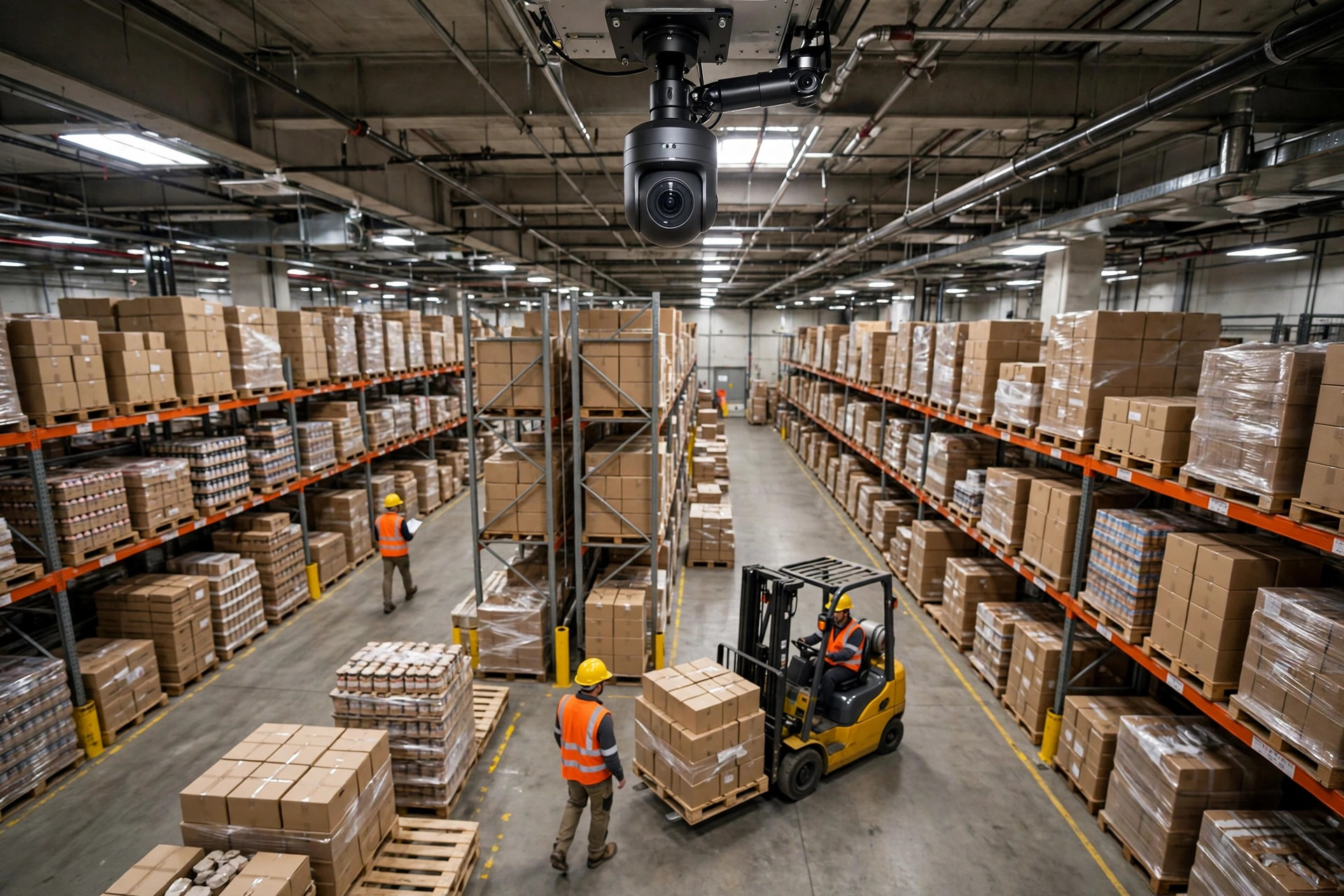
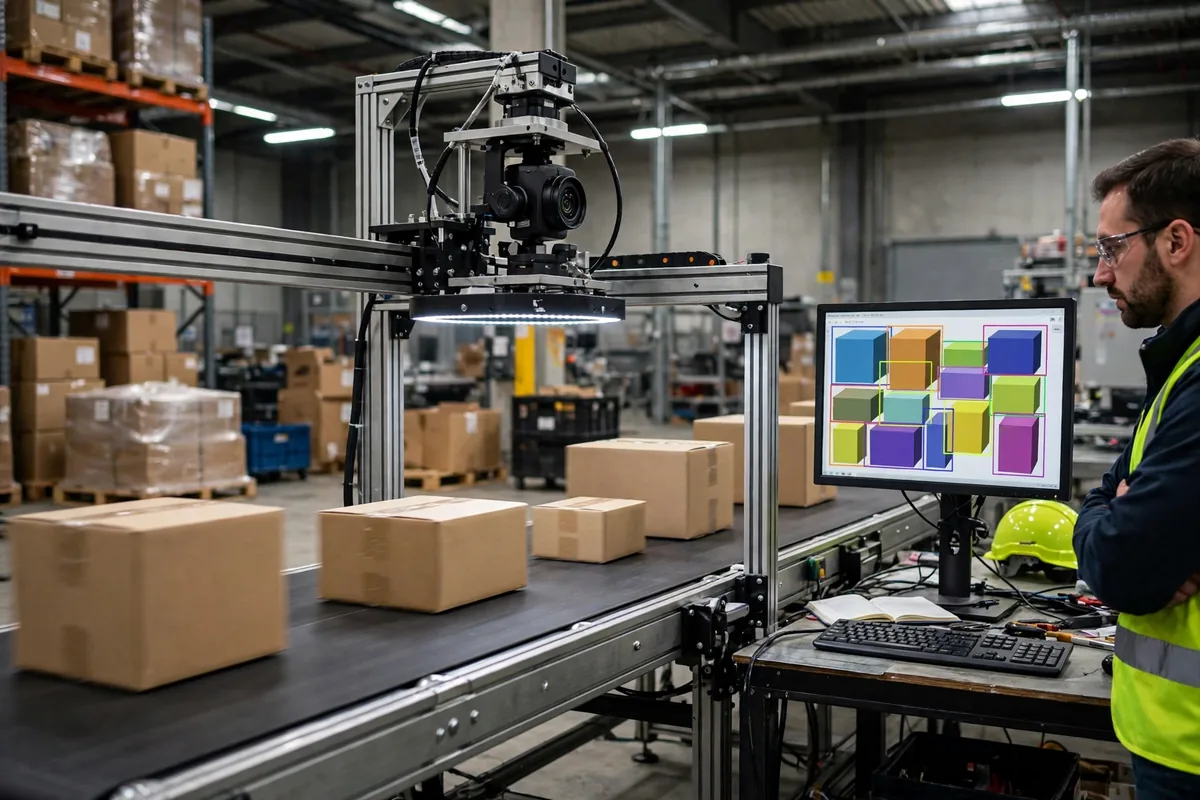
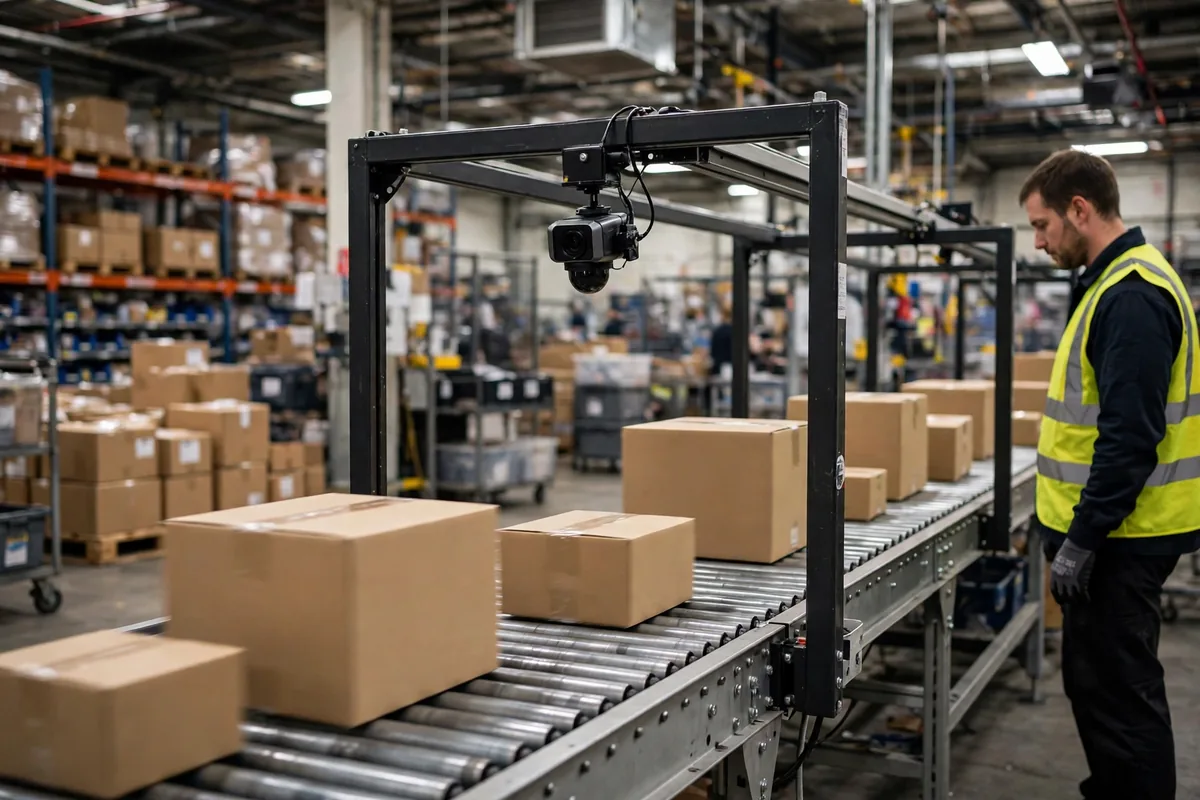
The big difference with a camera is that it watches an area, not a single point. A photo eye only knows "blocked or not blocked." A camera can see how the boxes are moving: whether they are genuinely wedged together and going nowhere, or just slowed down for a second and about to sort themselves out. A research team tested one of these systems in a working sortation facility, and its package counting hit about 98 percent accuracy across more than five hundred parcels, missing only a handful. I believe that number, because it matches what I have seen with my own eyes: when standard cartons run in a neat, even flow, the camera almost never gets it wrong.
We had a textbook case in my own warehouse last year, running into the Christmas rush. One lane was carrying standard cartons, roughly the same size, evenly spaced. In the first week after the cameras went up, false alarms dropped off a cliff. Alarms that used to fire several times a night became rare, and when one did fire, there was actually a carton twisted sideways at a bend. Workers went from rolling their eyes at every alarm to actually moving when one sounded. That change alone was worth more than whatever labour it saved. When the camera is right, it is right because it has context: it knows the boxes were moving a moment ago, that they have stopped now, and whether there is room around them. It does not just stare at one spot and guess.
There is another benefit people forget: the footage itself is evidence. Jams used to turn into arguments, with the warehouse and the seller each telling a different story about how long freight sat stuck and whose fault it was. With a replay, nobody argues. You can see exactly where and when it jammed. I settled a delayed shipment dispute once with a single clip, and it saved hours of back-and-forth. This one I tested myself and it works: the picture is not just for raising alarms, it is for settling arguments.
Where AI Camera Conveyor Jam Detection Misses: Black Bags, Shiny Tape, and Doubles
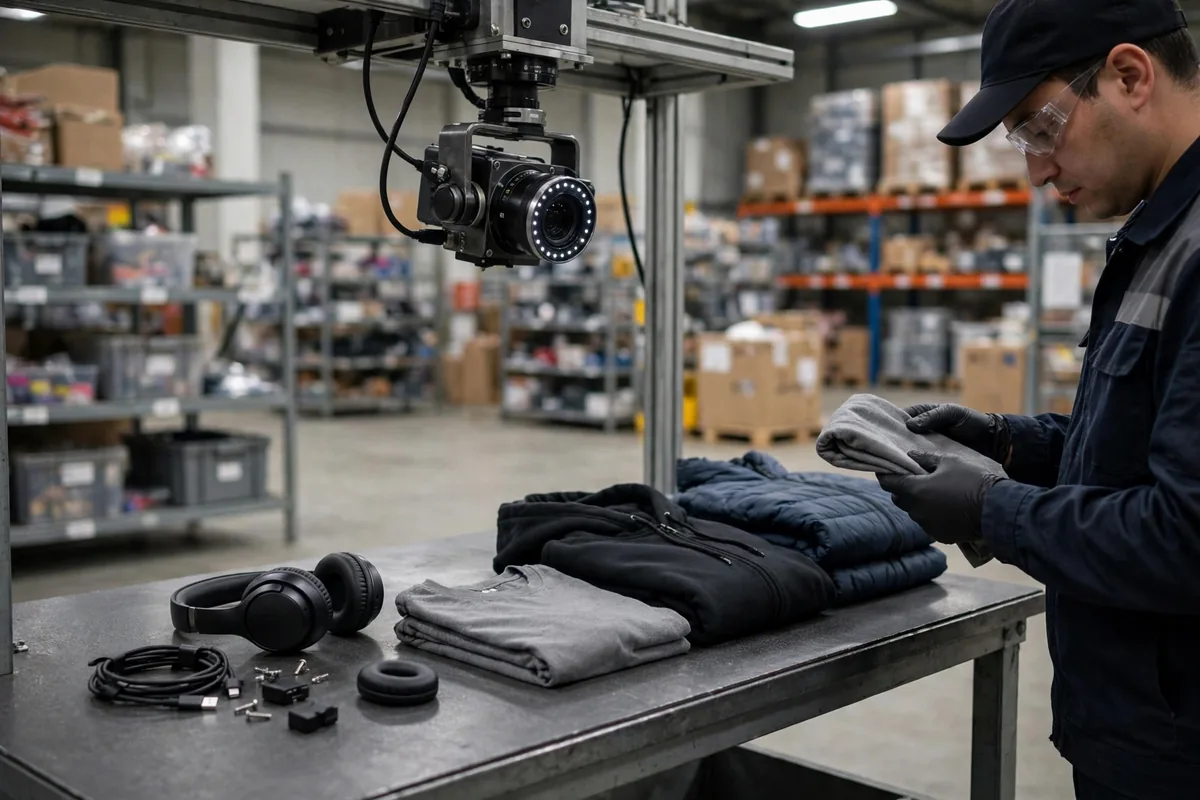
But the camera is no miracle worker, and its blind spots are just as clear. First, it struggles with dark colours. Black polybags and dark cartons lose their edges under poor light, and two boxes stacked together can read as one. Second, it hates glare. Shiny tape and laminated bags throw the light back, the picture whites out, and the outline of the box disappears. Third, doubles: two parcels squeezing into one lane side by side, one riding over the other. Viewed from above, the camera sees the top one and the bottom one might as well not exist.
In that same sortation facility evaluation, the system caught only about two out of three side-by-side doubles events, and the rest slipped straight through. And remember, that was measured under that facility's conditions. Move the same system to a warehouse with worse lighting and messier parcels, and the numbers will only look worse. So when a salesperson quotes you "ninety-nine percent accuracy," ask the obvious question: measured on what parcels, under what light? How many black bags? How many soft packs? If they go vague on that, you already have your answer.
Here is the counterintuitive part: a missed jam costs far more than a false alarm. A false alarm sends a worker on a wasted trip, they grumble, and life goes on. A missed jam means a real blockage nobody noticed, boxes piling up at a bend, the whole lane grinding to a halt, and in a bad case the sorter itself getting damaged. Repairing equipment, clearing the backlog, explaining delays to buyers: every one of those costs more than a wasted trip. So when I look at one of these systems now, the first thing I check is not how accurate its alerts are, but how badly it misses. I would rather have a system that cries wolf now and then than one that stays silent when something is genuinely wrong.
My Playbook: Look at the Picture Before You Stop the Line
So how should a small seller actually use this stuff? An AI camera conveyor jam detection warehouse setup only pays off if you put it where a jam hurts most. My approach runs in three steps. First, do not roll it out across the whole warehouse on day one. Put it on the one lane where a jam hurts the most, which is usually not the lane that jams most often, but the merge point or the sorter where one jam stops everything. The place where one jam costs as much as ten jams elsewhere is where the money goes first. Second, do not let an alert stop the line automatically. Push the picture to the duty phone first and let a person look before deciding. Camera plus human eyes beats a fully automatic stop, and it cuts the cost of false alarms down to almost nothing. Third, keep the footage. Every false alarm and every miss, save the clip. Once you have a batch, take it to the supplier and argue with evidence: look, it cannot see black bags, do we need better lighting? That batch of clips is your leverage.
| Situation | My call | | Mostly standard cartons, even sizes | Worth trying; this is where cameras see best | | Mostly soft packs, black bags, shiny wrapping | Fix the lighting and standardise packing first, hold off on the system | | One short lane where a jam is no big deal | Skip it; a person watching is cheaper | | A merge or sorter where one jam stops everything | Install here first; one jam pays for months of the system |
One last warning. AI camera conveyor jam detection warehouse gear is a helper, not a replacement. It can watch the line for you, keep the evidence, and cut down the false alarms, but it cannot walk over and straighten a jammed carton, and it cannot argue with a supplier for you. After you install it, the patrol rounds still happen, and the footage still gets saved. Anyone who installs a camera and expects to stop worrying will get a rude education on a peak-season night.
My playbook has now survived two peak seasons. Fewer false alarms, a few genuine misses caught in time, and workers who actually pay attention when an alarm sounds. This one I tested myself and it works. Go ahead and use it.
By Ah K, E-commerce Seller (5 yrs)