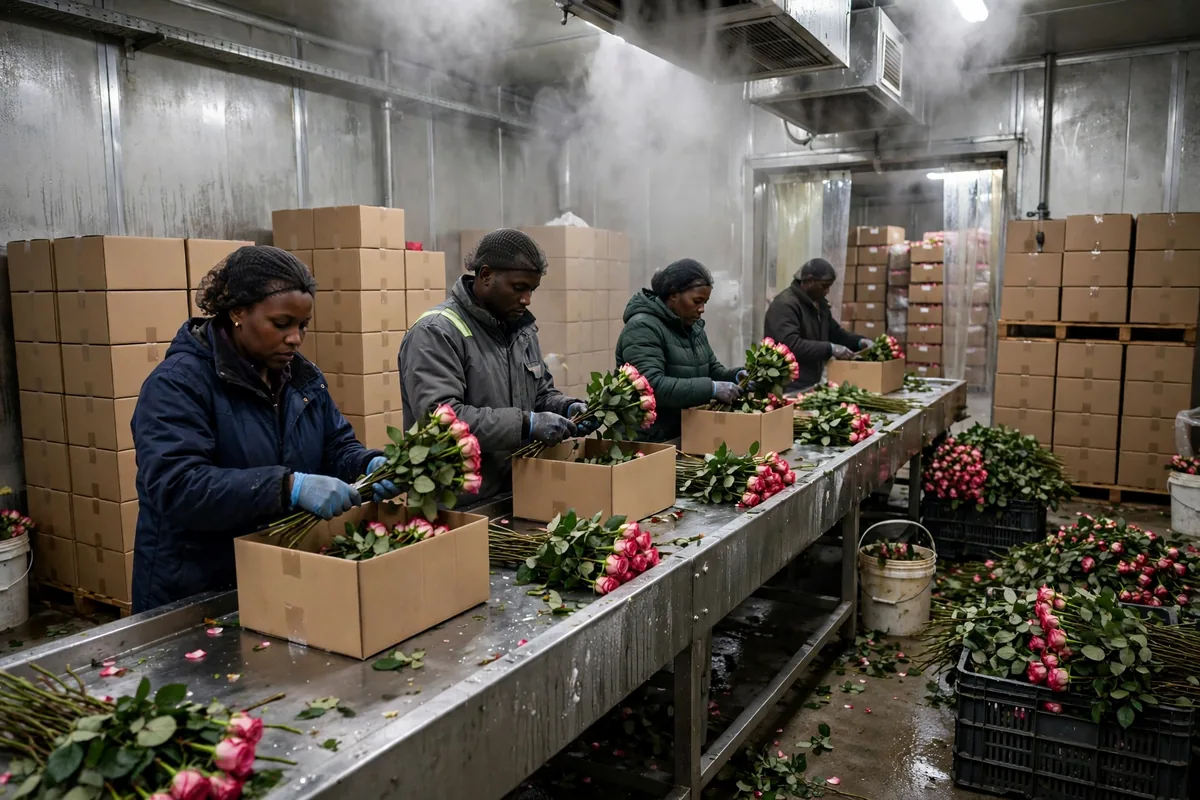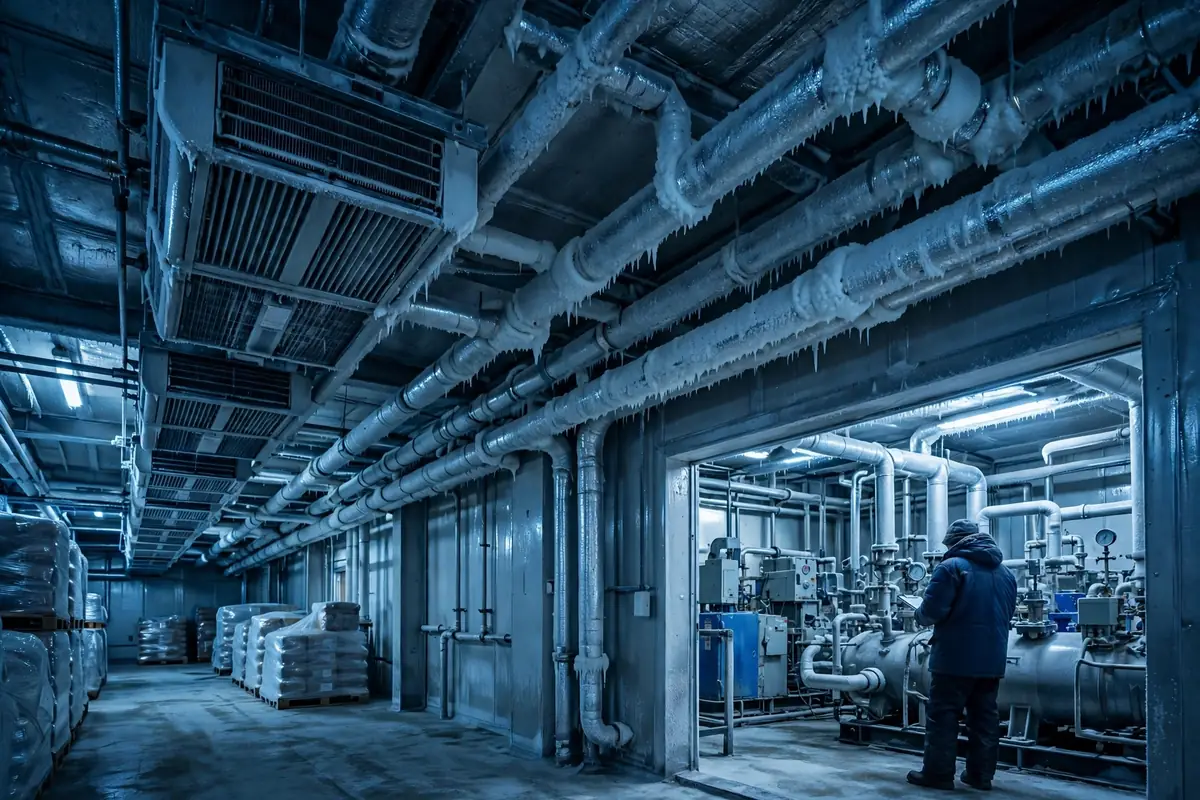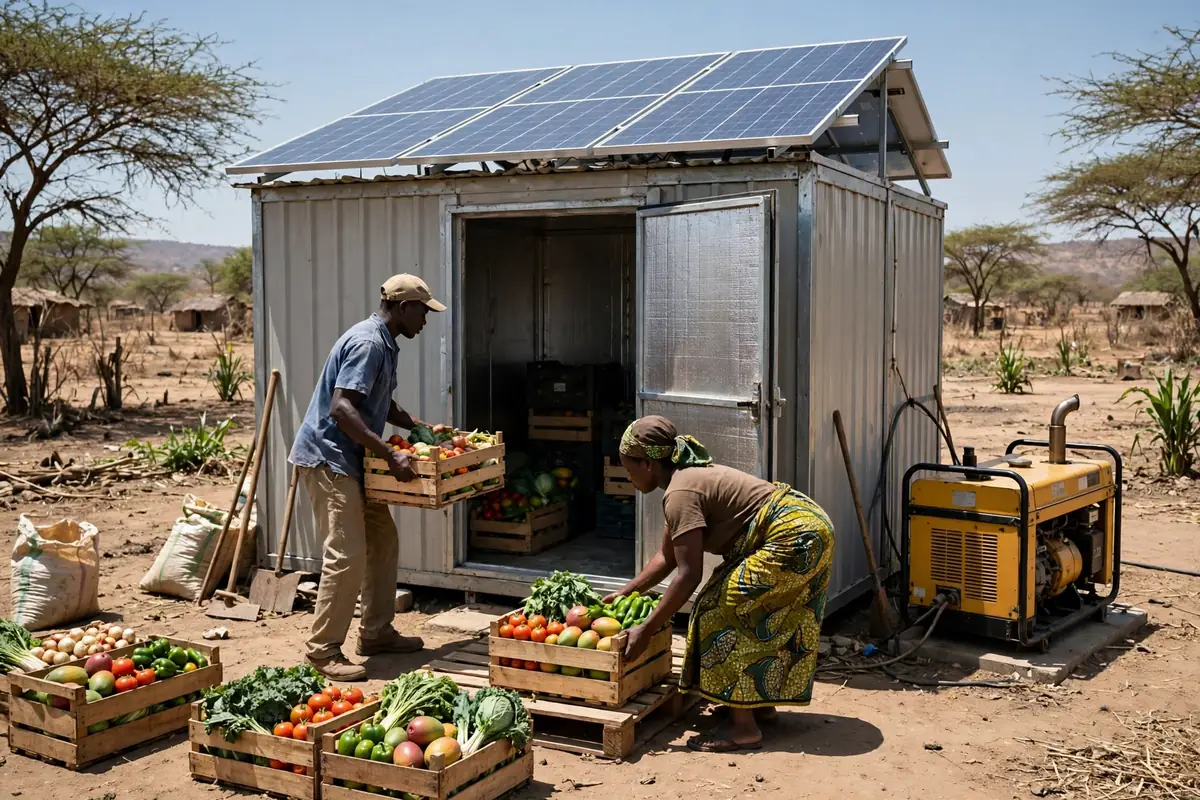
Confession first: my first africa off grid cold storage warehouse quote nearly ended the conversation. A polished vendor priced an imported system with a battery bank so large that the total could have swallowed half a year of revenue from my little warehouse. We small operators cannot burn money like that. That is exactly why a project like this has to start with the produce, not the equipment catalogue. Off the grid, the hard part is not getting a room cold once. It is keeping that room cold through nights, cloudy stretches, and late trucks, with a solar array, a battery bank, and a diesel generator arguing politely over who works when, without the fuel bill eating the business alive.
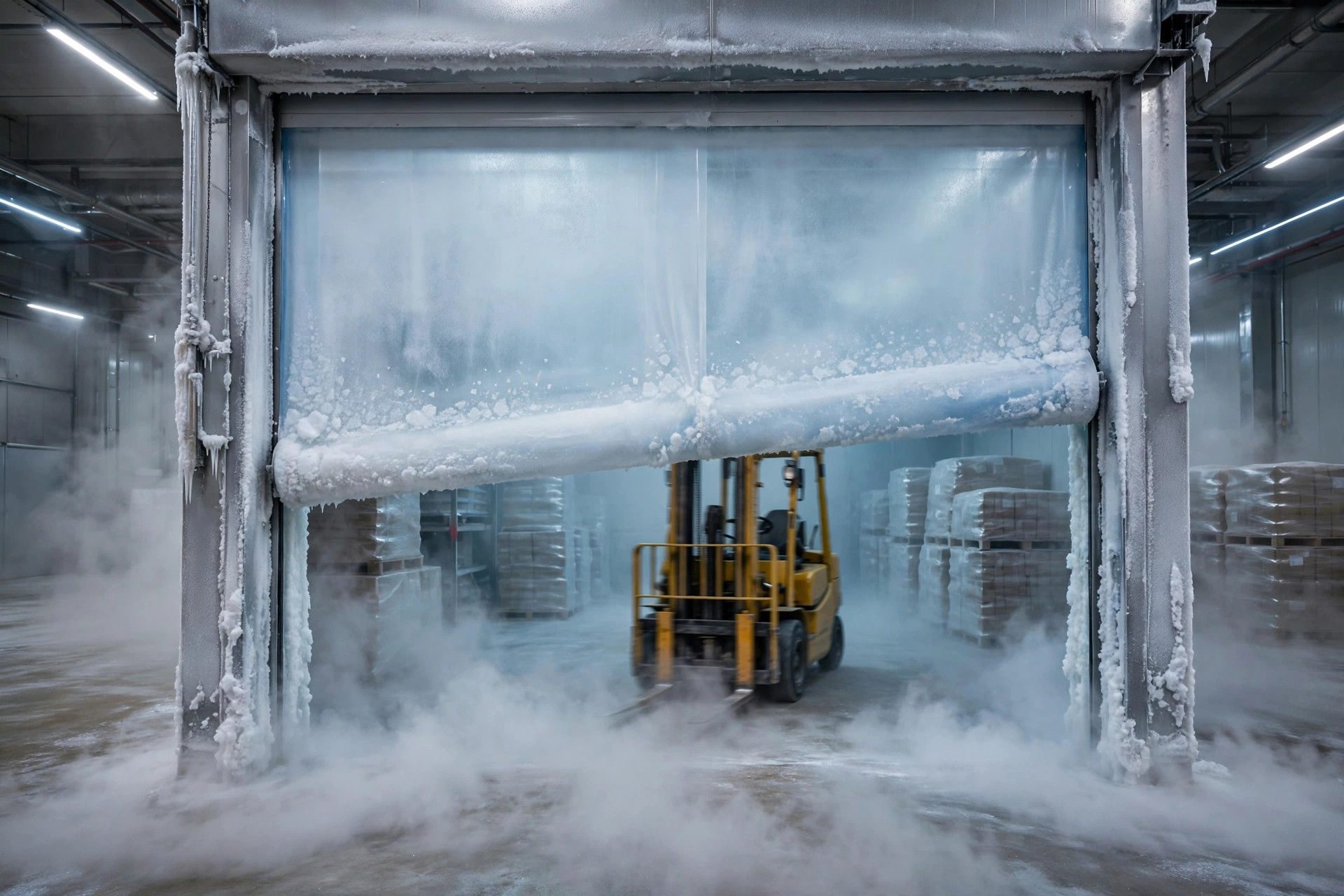
Take a clearly hypothetical first case. Imagine a small rural aggregation point where farmers drop off vegetables during the day and a truck collects in the evening. Without any cold room, the produce waits under a shed, wilting, getting bruised, and quietly downgrading itself from good stock to discount stock. Now give that same point one modest pre-cooling and holding room. Vegetables get chilled soon after arrival and stacked neatly to wait. The real purchase here is not low temperature, it is time. A truck running half a day late stops being an emergency. The aggregator can combine several farmers' loads into one full truck, which lowers the transport cost per crate. If you do not understand that the room buys time, you will ask vendors the wrong questions and buy the wrong size of everything.
Sizing Solar and Batteries for Cold Storage Without Guesswork
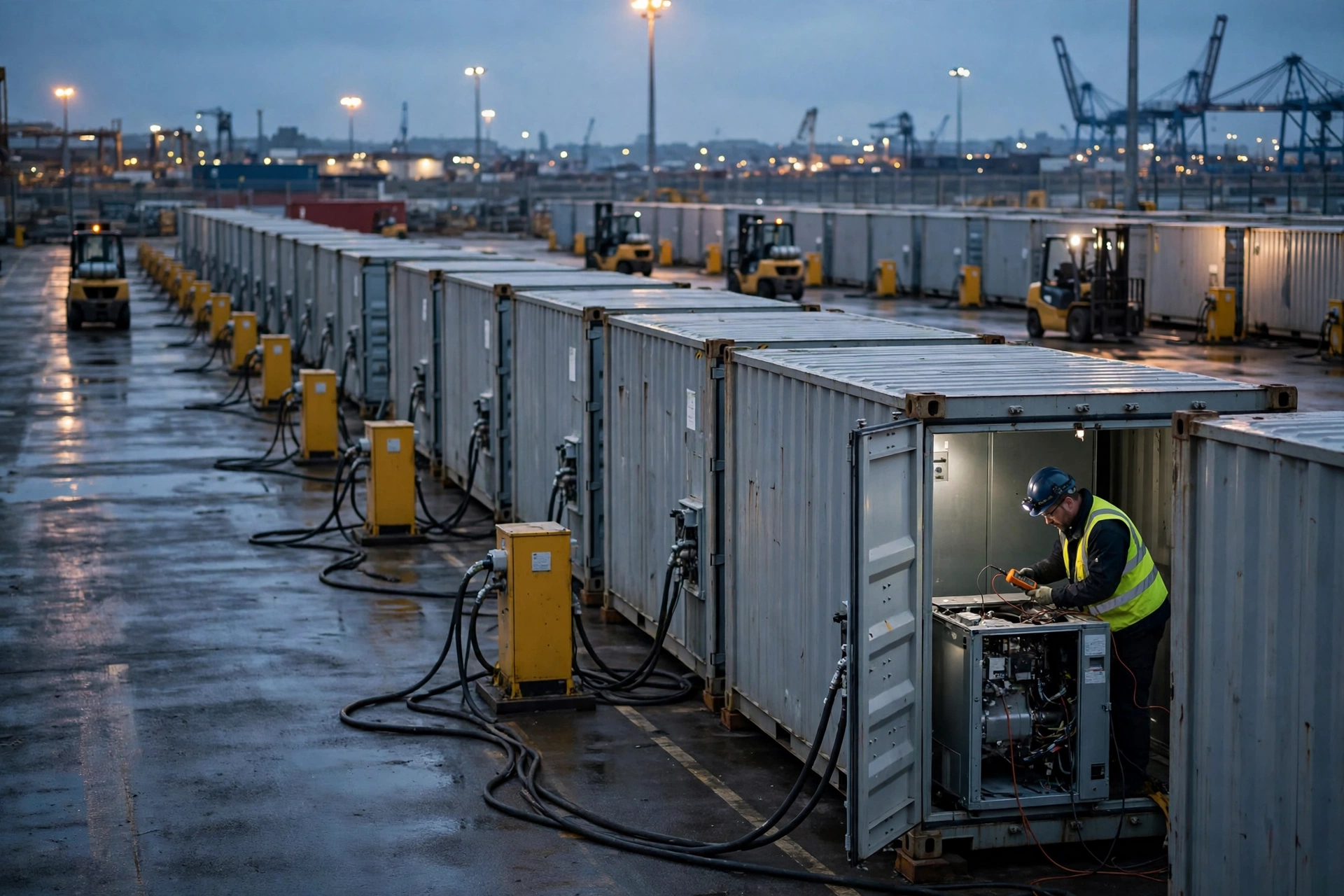
The most expensive mistake in an africa off grid cold storage warehouse is sizing the solar and battery side from a sales brochure. My small-warehouse method splits the day in two. While the sun is strong, solar power should carry the cooling load directly and top up the batteries at the same time. At night and through dull weather, batteries carry what they reasonably can, and the diesel generator steps in only when batteries run low. In that arrangement diesel is the fire brigade, not the workforce. If the generator runs every single day, the system in front of it was sized wrong.
Batteries deserve special suspicion because their price climbs step by step with capacity. Sizing a bank to survive every possible night and every possible cloudy spell will frighten any small owner, and honestly it should. Ask three narrower questions instead. How much product actually sits in the room overnight? What temperature band must that product hold? How long can the room coast without power before the load is at risk? Answer those honestly and you can size the battery bank to cover the realistic case with a little headroom, then let diesel cover the rare ugly case. That is not cutting corners. That is refusing to buy insurance priced for a disaster that arrives twice a year.
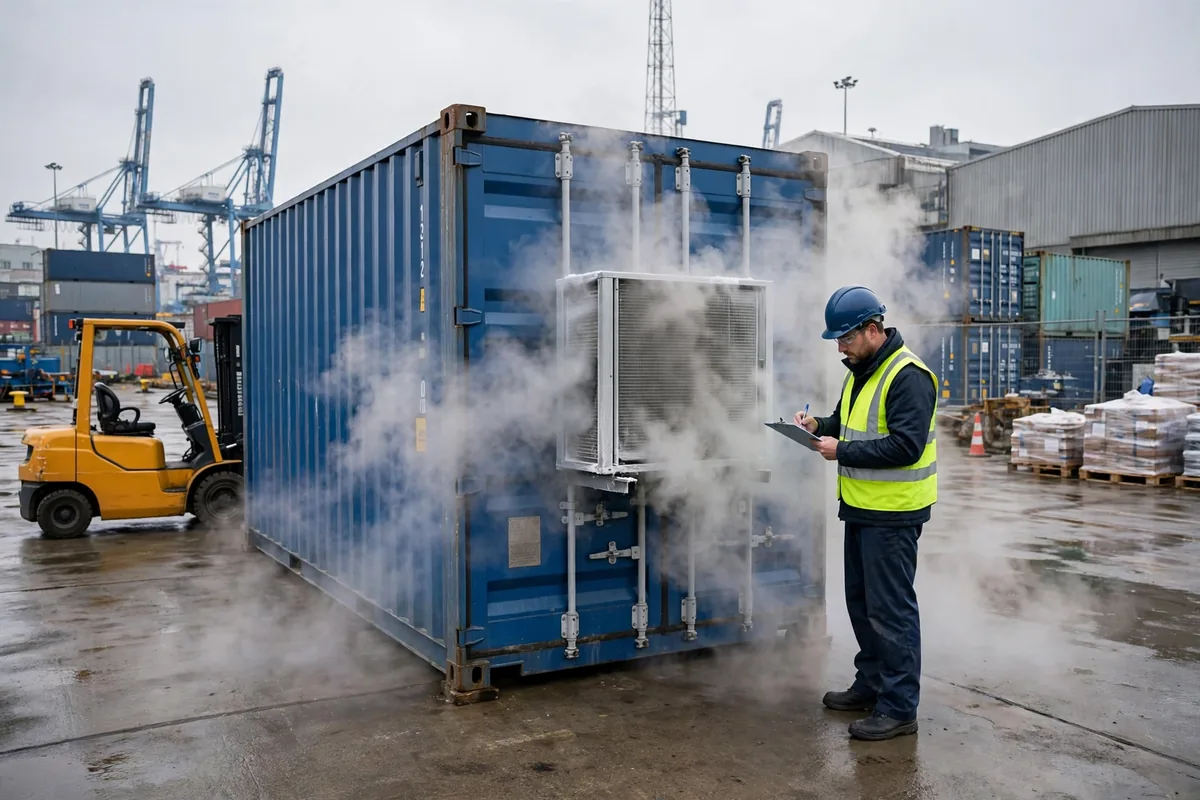
A second hypothetical case shows why the answers differ by product. Picture a small milk collection point receiving deliveries morning and evening, needing to chill each batch quickly and hold it until a refrigerated truck arrives. Milk is unforgiving: miss the temperature and the whole batch is worthless, a loss far bigger than a season of fuel savings. For that site, the pull-down stage cannot be skimped, so the refrigeration capacity needs real headroom, while the holding stage, once milk is already cold, sips power by comparison and can ride on batteries with occasional diesel support. Vegetables tolerate a leaner setup; milk demands generosity exactly at the chilling step. Same technology, opposite spending pattern. Match the machine to the temperament of the goods before you open your wallet.
The Payback Logic: Diesel, Losses, and Cold Storage Economics
Small operators get told that diesel is the embarrassing part of a hybrid system. From where I stand, a well-kept generator is the cheapest battery you will ever own. Covering every night and every cloudy day with solar and batteries alone means a frightening upfront bill. Keeping a dependable diesel unit as backup cuts that upfront bill sharply, in exchange for modest ongoing fuel and maintenance. The payback calculation has to count both sides, and it has to count the biggest line of all: avoided losses. The framework below is how I walk fellow small owners through the comparison. Treat every entry as relative, and price it with your own local fuel, equipment, and labour figures rather than borrowing numbers from somewhere else.
| Factor | Solar plus large battery | Solar plus battery plus diesel hybrid |
|---|---|---|
| Upfront cost | High, dominated by battery capacity | Noticeably lower, saved on battery size |
| Running cost | Low, mostly maintenance | Adds fuel and engine servicing |
| Cloudy-stretch confidence | Limited by stored energy | Generator can step in any time |
| Maintenance skill needed | Battery and inverter expertise | Diesel skills widely available, batteries still need care |
| Best fit | High-value loads, deep pockets | Seasonal volumes, tight capital, small operators |
Now add the loss column, because that is where small cold rooms quietly earn their keep. Suppose a share of incoming produce used to spoil or downgrade before it could be sold, and a cold room cuts that share meaningfully. The saved produce, plus the freight saved by shipping full trucks instead of half-empty rush trips, is the cold room's real income. Count only electricity and fuel and the room looks like a money pit. Count avoided losses and the same room often turns out to be the hardest-working asset on the site. Seasonality matters too. In peak season a full room pays back fast. In the quiet months, partition the space and cool only the section you need, instead of chilling a large empty room for a few crates. It is a humble trick, and humble tricks are the small warehouse specialty.
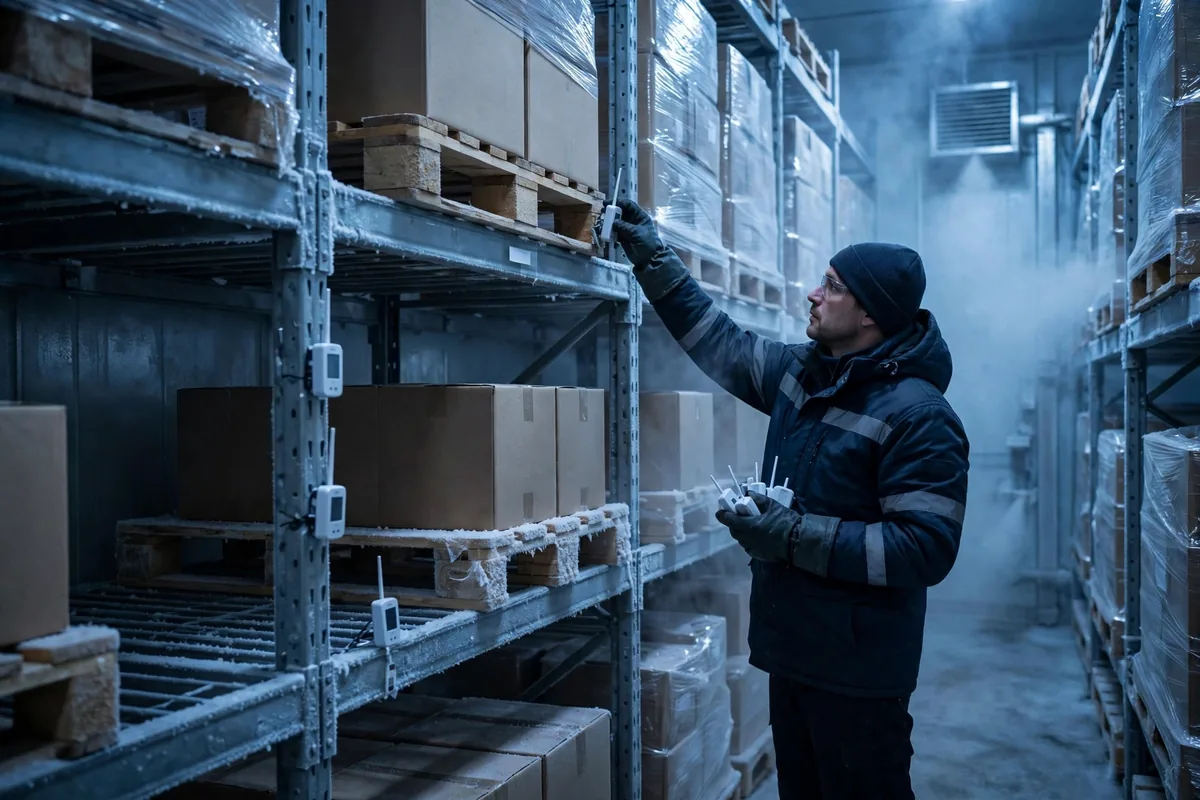
Operations decide whether any of this survives contact with reality. Dust settles on panels and quietly taxes your generation, so put panel cleaning on a schedule, not on someone's memory. Batteries dislike heat, so keep their space ventilated. Keep a sensible rotating stock of diesel, stored dry. Above all, log the room temperature every day, even in a paper notebook if that is what you have. I learned this the embarrassing way: our temperature checks lapsed for a few days once, and by the time anyone noticed the drift, a room of produce had already softened. Since then the rule in my warehouse is carved in stone: whoever locks up glances at the temperature and writes it down. An africa off grid cold storage warehouse does not reward the fanciest equipment. It rewards the operator who tracks four ledgers, goods, power, fuel, and people, and reconciles them every week. Small warehouse, small methods, steady cold. That is the whole secret, and it works.
By Xiao Ma, Small Warehouse Owner