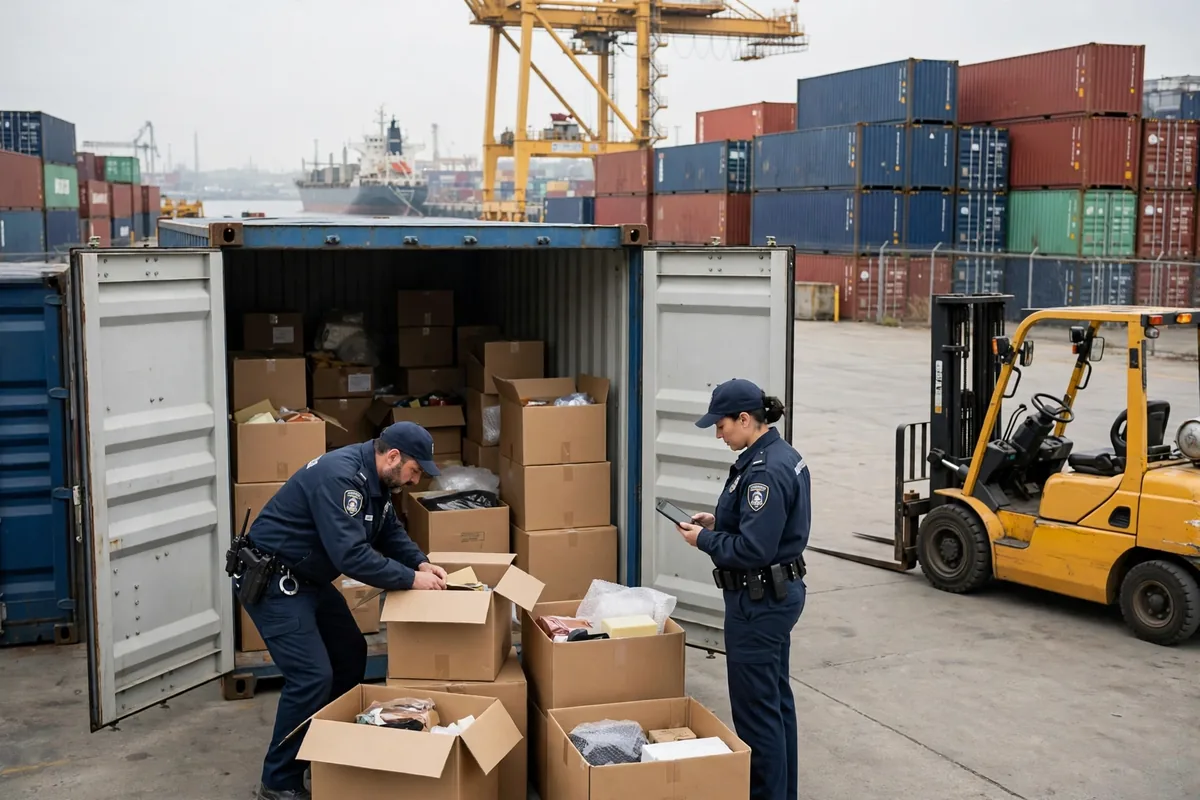
Let me tell you something. After all these years on the road, the thing I dread most is not traffic. It is getting pulled for a customs inspection at the port. One container, one inspection, half a day gone. You miss the sailing, the shipper starts calling every ten minutes, and the warehouse gets dragged into the mess too. Over time I noticed a pattern: some shippers' cargo sails through nearly every time, while others get pulled for inspection again and again. Ask around, and the difference comes down to three letters: AEO. AEO certification warehouse customs benefits are real, and every driver who has waited at a port gate knows it — but what most people don't realize is that whether that certification holds up depends on the warehouse just as much as on the shipper.
First, let me explain what AEO actually is, in plain language. AEO is the customs authority's trusted-trader program. Companies are certified at different levels, and the top level — Advanced Certified Enterprise, or AEO advanced certification — is the gold standard. With it, clearance is smoother in real, practical ways: inspections are less frequent, release is faster, and paperwork can be simplified. In countries with mutual recognition agreements, the benefits travel with you. How much faster, and how much lower the inspection rate — that varies by port and by policy, so I won't make up numbers here; check the latest policy on the General Administration of Customs website. But the direction is certain: the better your compliance record, the more customs trusts you, and the faster your cargo moves.
AEO certification means faster clearance — but the warehouse has to do its job first
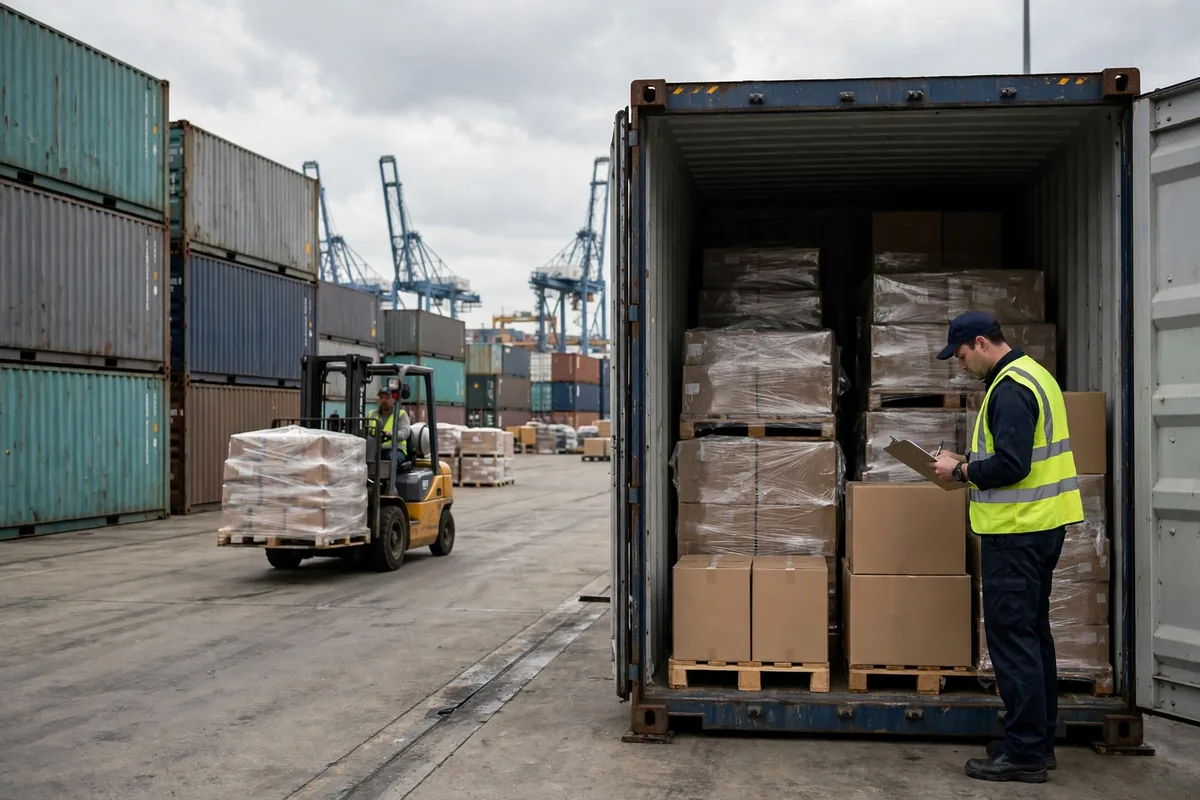
In the summer of 2023, I was hauling for a small-home-appliance exporter that had just earned its AEO advanced certification. I followed that load from the warehouse floor to the container, and the paperwork was a thing of beauty: packing list, customs declaration, contract and invoice, every number matching, every carton number lining up with the system. At the port, no inspection notice came. Straight through. Every driver on that run said the same thing — that was a smooth trip.
The same shipper, before certification, was a different story. A product name written sloppily on one document, customs asked a question, and the warehouse spent half an hour digging for the original slip. The cargo sat at the port an extra day.
I have seen it go the other way too. In early 2024, another shipper was coming up for its annual AEO review, and customs came to audit the warehouse. The system inventory did not match the physical stock — a dozen cartons short. The shipper was in a panic. The warehouse counted through the night and finally found the problem: returned goods had been put back on the shelf without being registered. That one slip nearly cost the certification. You see, AEO does not only check the moment of declaration. It checks the warehouse's daily habits — paperwork, inventory accuracy, yard management. When the warehouse's books are a mess, the shipper's badge starts to wobble.
Four practical things a warehouse must do to support AEO certification
Certification belongs to the shipper, but the warehouse is half the show. If the supporting actor drops the ball, the lead can't save the scene. Here is what a warehouse actually has to do, in practical terms.
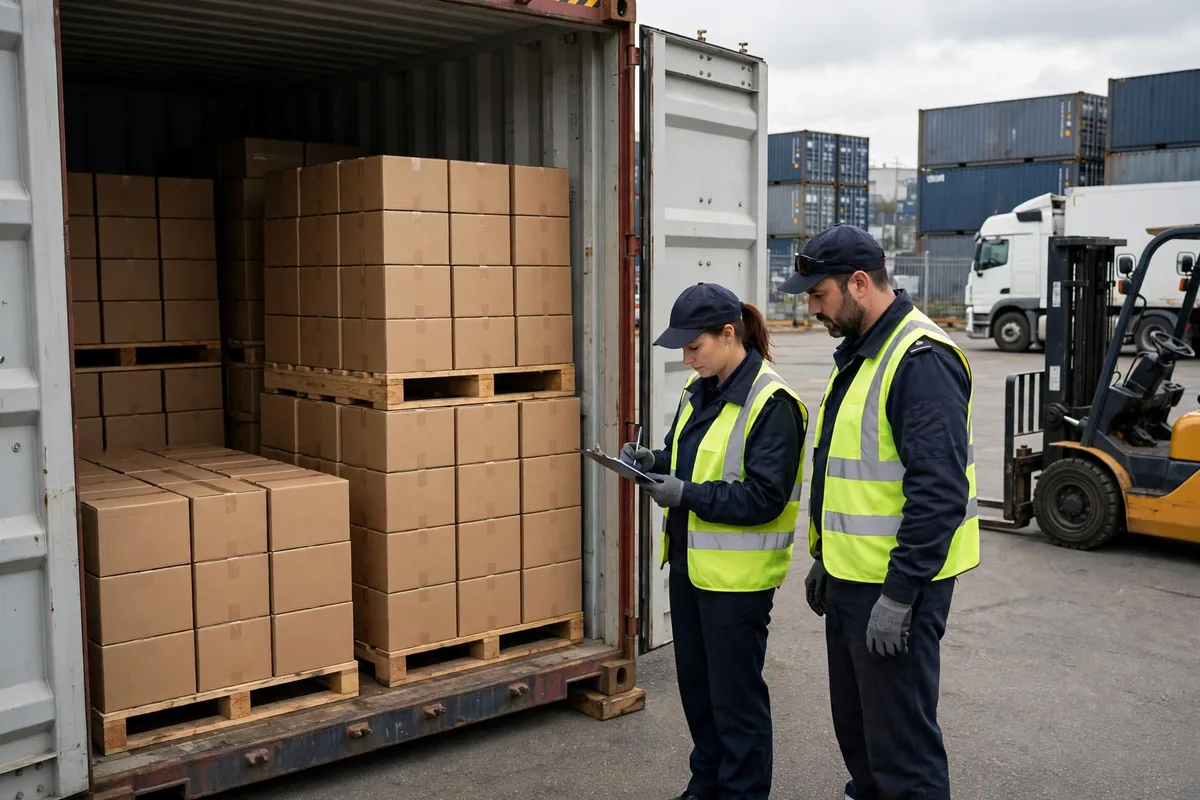
First, paperwork has to be accurate. The packing list, the bill of lading, and the invoice the warehouse issues must match the customs declaration exactly. Product name, quantity, weight, carton number — if one of the four is off, the inspection risk goes up. The warehouse needs a rule: outbound verification checks not just the quantity but the key fields on the declaration.
Second, inventory has to be real. An AEO audit looks at how well the books match the shelves. What the system says is in stock has to be what is actually in the building. Returns, damaged goods, and temporarily stored cargo each need their own zone and their own ledger — never mixed together. Cycle counts should run monthly, not as a panic the week before an audit, and any variance gets handled the same day.
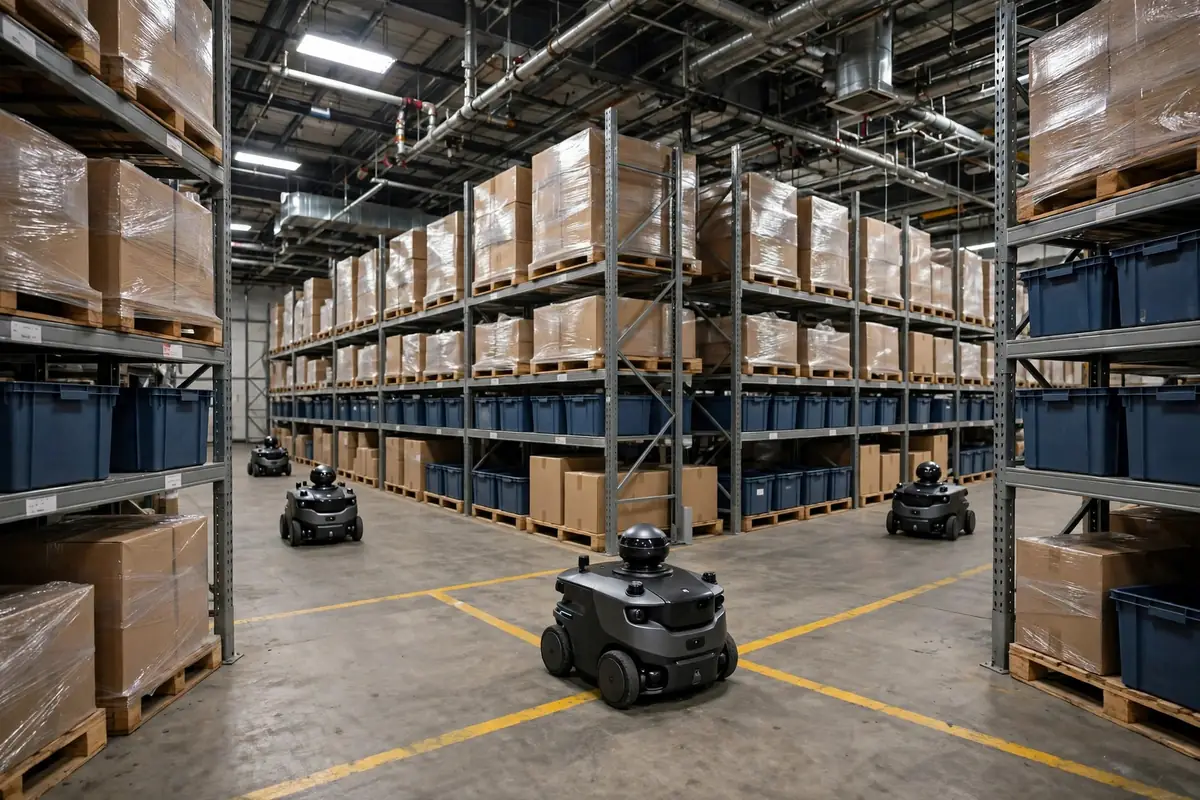
Third, the yard and the floor have to be under control. Customs-supervised cargo and ordinary cargo must be stored in separate zones, with access control, cameras, and entry and exit logs. Some warehouses cut corners and mix the two together, and when an inspection comes, everyone is digging through cartons for half a day. What gets wasted is the shipper's time, and what gets lost is the warehouse's own reputation.
Fourth, every movement has to leave a trace. Who entered the building, which shipment they took, what time the truck left — customs may ask for any of it during an audit. Missing records are the same as telling them your management has holes. A decent warehouse management system records all of this automatically. The hard part is building the habit, not buying the software.
Is it worth it? The trade-off between certification cost and inspection cost
Now let's talk money, because that is where most people get stuck. Earning AEO advanced certification costs real money: hiring consultants, upgrading warehouse management, improving systems, training staff. Keeping it costs money too: annual self-checks, audits, and running the management system year after year. Plenty of people hear that and walk away, thinking the money is wasted.
But the other side of the ledger has to be counted too. Without certification, inspection rates are higher, cargo sits at the port an extra day, and storage fees, container detention charges, and missed sailings add up — sometimes past what certification would have cost. And big customers increasingly write AEO certification into their supplier requirements. Without that badge, you may not even qualify to bid. This is not a bill you judge by what it costs today; you judge it by the orders you lose tomorrow.
| Comparison | With AEO advanced certification | Without certification |
|---|---|---|
| Customs inspection | Lower inspection rate, faster release | Standard inspection rate, longer waits |
| Paperwork demands | High bar for warehouse documents, inventory, premises | Routine management suffices |
| Investment | Consulting, upgrades, systems, training | No certification spending |
| Customer access | Easier entry onto big customers' supplier lists | May be excluded from some tenders |
Here is the counterintuitive part: most people assume AEO certification is the shipper's business and has nothing to do with the warehouse. In reality, the warehouse is a mandatory stop on the audit route. A shipper can spend a fortune earning the badge, and if the warehouse's management falls short, the certification may not survive. Turn it around, though: a warehouse that runs its operation tightly makes certification easier for the shipper — and earns itself the credibility to win higher-end customers. On this one, the warehouse is not working for the shipper. It is building its own reputation.
After all these years on the road, I believe one old saying: how smooth the trip goes depends half on the steering wheel and half on the preparation before you leave. AEO certification works the same way. Fast clearance looks like a favor from customs, but at its root it is the warehouse doing its daily work properly. Accurate paperwork, real inventory, clean zones, complete records — get those four right, and certification follows naturally. And to the shippers out there: when you choose a warehouse, don't just ask about the rent. Ask one question — "Have you ever supported an AEO certification?" The answer will tell you more about that warehouse's management than any brochure ever will.
By Shifu Zhao, Trucking Veteran (15 yrs)