Let me be blunt: in Seattle warehouse market logistics, you are not renting a building. You are buying a cost line. Close to the port, freight moves fast but trucks get stuck and hiring gets hard. Along the I-5 corridor, delivery is smooth but the good spots are already taken. Near the airport, urgent freight flies through, yet you cannot hold serious bulk inventory there. No location wins on everything. The real question is where your freight comes from, where it has to go, and how many days you can afford to wait. That is a trade-off, not a ranking, and every option charges you somewhere.
I have seen too many companies sign a lease first and do the math second. Back in 2018, an outdoor-goods client leased a big warehouse south of Seattle for one reason: it was close to the port. Most of his orders, though, shipped to the Midwest. Containers arrived, got unloaded, and then had to be reloaded and hauled back out again. When the port congested in peak season, pickup appointments slipped by two or three days while his customers were already asking where their orders were. I never saw his rent savings. I did see the expedited freight bills and the missed delivery dates that fall. Contrast that with a home-goods seller in 2021 who set up near Tacoma, close enough to the port and with easy access to I-5. His ocean freight came in, got broken down, picked, and shipped across the country on a short, simple path. Peak season barely rattled him. The difference was not luck. He had mapped his freight flows before he signed anything.
Seattle Warehouse Market Logistics Starts With Three Lines
I only run three lines when I evaluate a site. The first is the inbound line: which port your freight enters through, whether it moves by ocean or air, how many containers arrive in a year, and whether they bunch up in peak season. In this market, freight follows vessel schedules, and when schedules slip, staffing and dock space slip with them. The second is the outbound line: where orders go, how much stays local on the West Coast, how much spreads across the country, and whether you ship full truckloads to retailers or small parcels to consumers. The third is the labor line: can you actually hire here, can you staff a night shift, and where do temporary workers come from in peak season? Draw those three lines and your shortlist shrinks by half.
Do not judge a site by the monthly rent line alone. The real money often hides elsewhere: waiting time for port pickups, the last few miles between the warehouse and the highway ramp, returns and relabeling labor, and overtime scheduling in peak weeks. I have walked into plenty of warehouses that looked cheap on paper and then watched drivers burn half a morning just getting in and out, with carriers raising their rates to cover it. Put simply, location is part of your logistics cost. Whatever discount the landlord gives you, the carrier may end up collecting.
Ports, Airport, and I-5: The Three Anchors of Seattle Warehouse Market Logistics
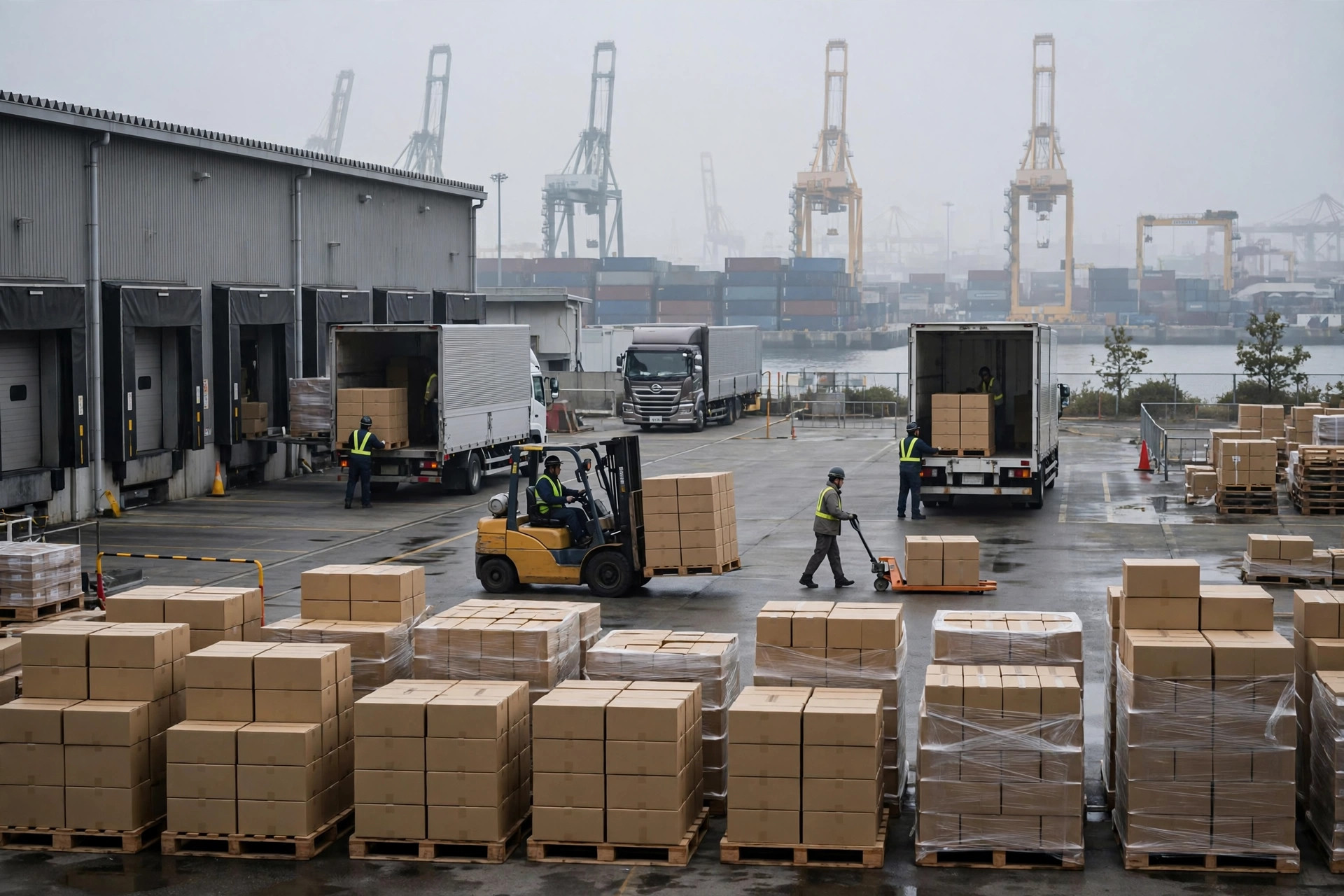
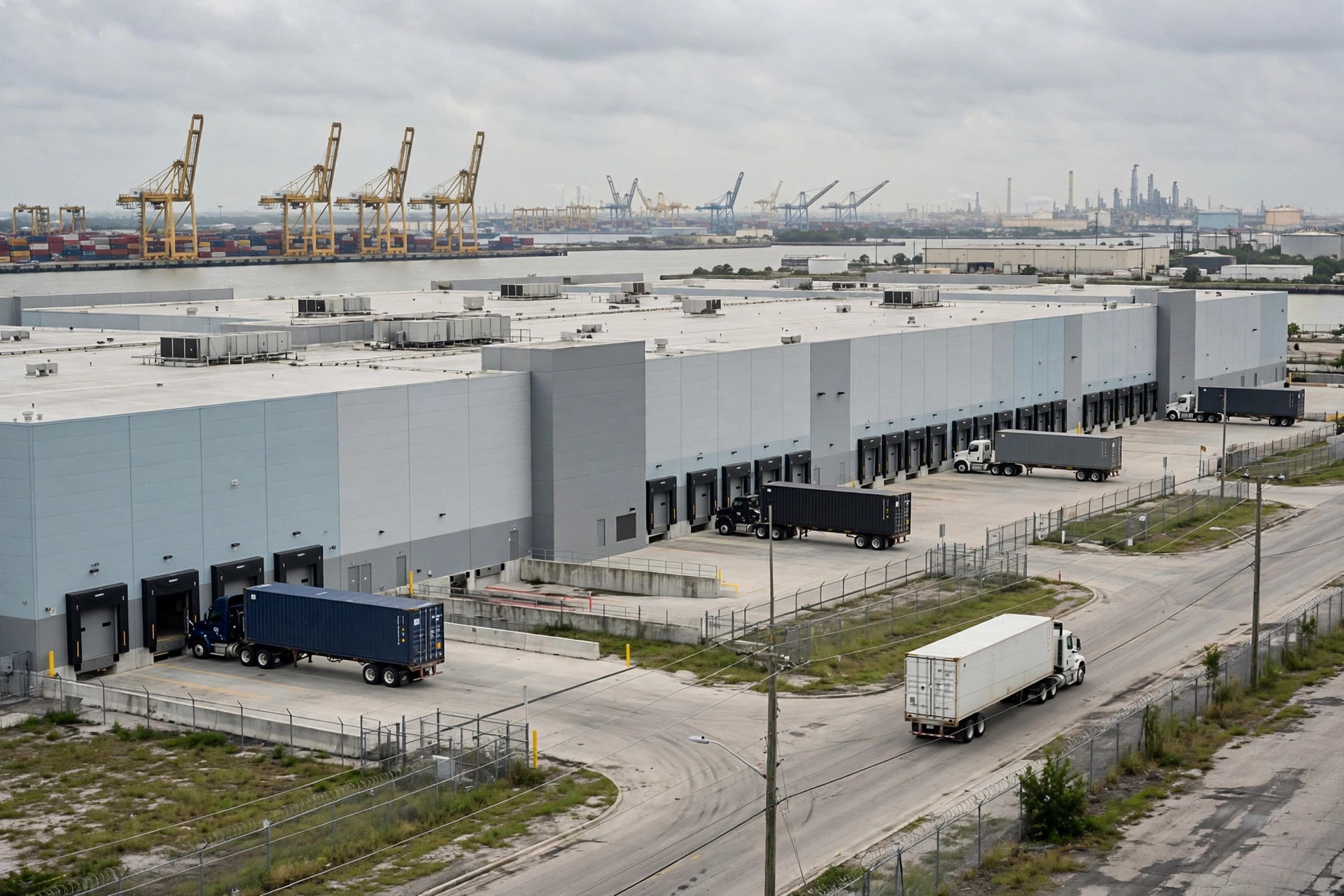
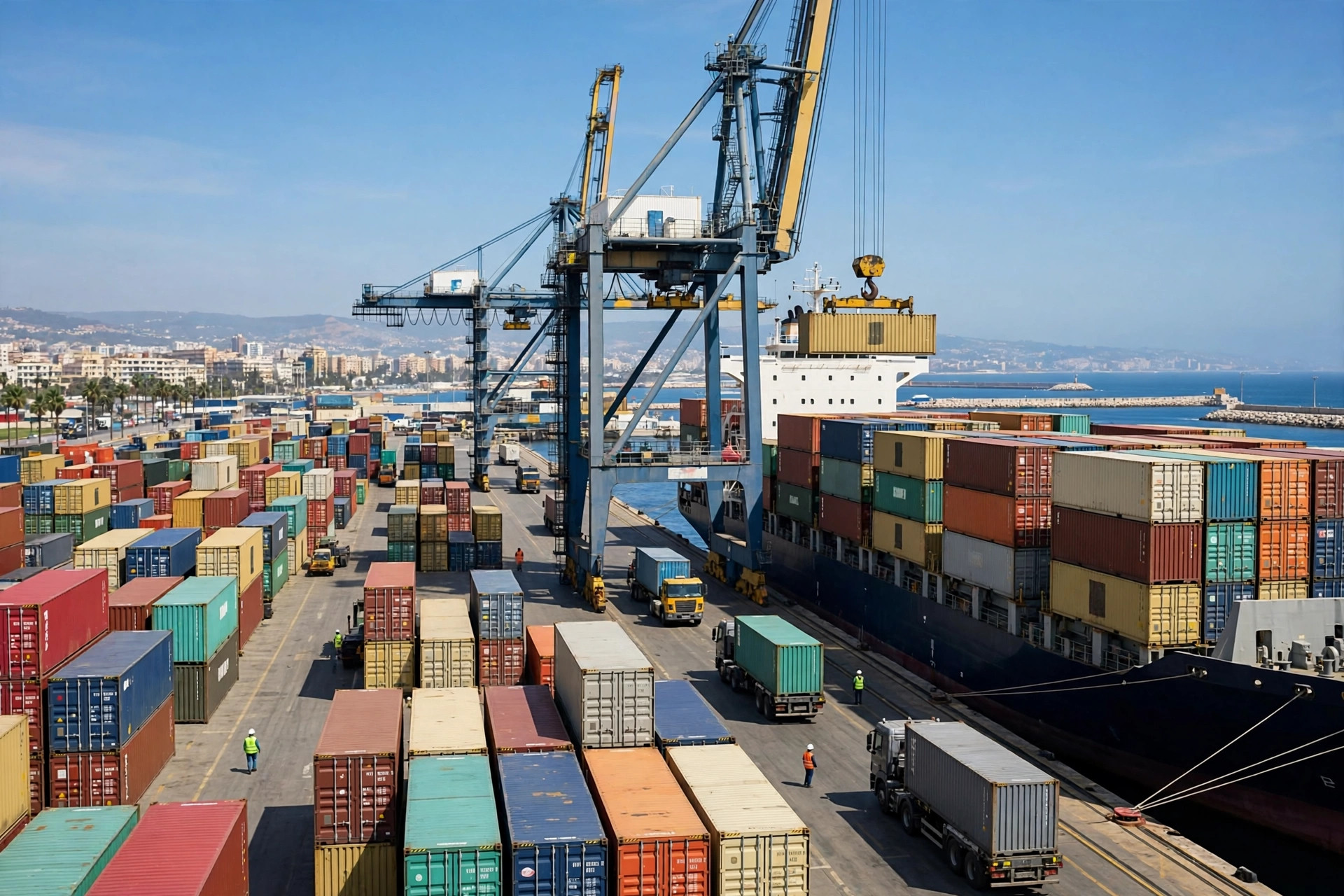
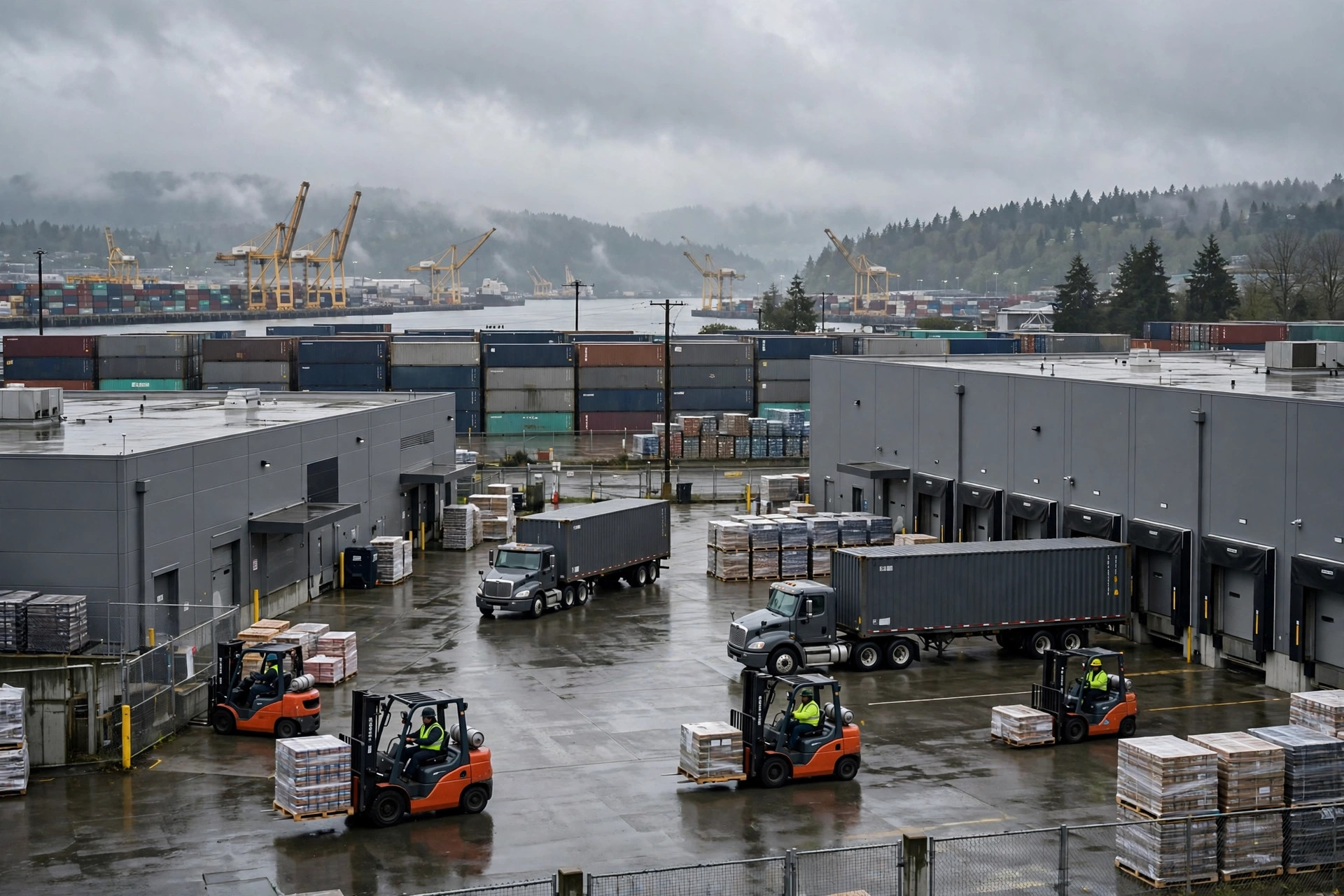
A warehouse near the port fits import deconsolidation and cross-border distribution. Freight comes off the vessel, gets broken down, labeled or repacked, and moves inland. The price you pay is congestion and tight labor, especially in peak season, so pickup appointments have to be booked early. You cannot count on same-day pickup when a vessel arrives. A warehouse near the airport fits high-value, low-volume, time-sensitive freight: electronics components, samples, urgent replenishment. Air freight can be in the building and out the door the same day, but these sites are usually smaller and unsuited to bulk storage. A warehouse along the I-5 corridor fits regional distribution, reaching north toward the Canadian border and south through Portland toward California, giving e-commerce orders the widest next-day footprint. The price is competition: good space goes fast and leaves little room to negotiate.
Here is the counterintuitive part: closest to the port does not mean fastest to the customer. When the port clogs, the nearby warehouse waits just like everyone else, while the company that already pulled freight inland ships first. What you are really buying with a location is certainty, not straight-line distance. A site that lets you lock pickup windows, stagger arrivals, and hold a week or two of safety stock is worth more than the site that merely looks nearest on the map. Check current local rates and conditions before you negotiate; last year's peak-season pricing will not describe this year's market.
It also helps to stop looking for one warehouse to do everything. Split the flows: deconsolidation near the port, regional distribution along I-5, urgent small lots near the airport or in a third-party forward stocking location. Yes, that sounds like more to manage, and it is, unless your inventory system is unified. Without one system and one view of stock, three warehouses become three islands and nobody can reconcile a count. With it, each flow takes its shortest path and the total bill often comes down.
| Location direction | Best for | Biggest cost | Good fit for |
|---|---|---|---|
| Near the port | Import deconsolidation, cross-border distribution | Peak-season pickup delays, tight access | Importers with heavy ocean volume |
| Near the airport | Urgent, high-value small lots | Small footprint, no bulk storage | Samples, parts, urgent replenishment |
| I-5 corridor | Regional distribution, e-commerce orders | Scarce prime space, little negotiating room | Sellers promising West Coast next-day delivery |
Cross-border and inland distribution deserve their own line in the math. Freight heading north needs border paperwork and clearance time built into the plan. Freight heading inland picks up an extra transfer with every handoff, and every handoff adds damage and delay risk. I once watched a client mix Canada-bound freight with domestic orders in a single warehouse; one paperwork hold froze the whole batch. Once he split cross-border freight out and prepared documents in advance, delivery times stabilized. Site selection is not finding a big empty box. It is splitting your flows into lines and giving each line its best home.
Four Questions Before You Sign Anything in Seattle Warehouse Market Logistics
Before you sign, answer four questions honestly. How many arrival peaks do you have each year, and can you absorb a few extra days of waiting during those peaks? What share of your orders is local, what share crosses state lines, and what delivery promise are you actually making? Does your product need labeling, kitting, or repacking inside the warehouse, or is it straight pass-through distribution? And when peak-season labor runs short, what is your backup: temporary workers, an outside provider, or staggered shifts? Once those four answers are clear, the choice among port, airport, and I-5 mostly makes itself.
One practical piece of advice before you commit: do not start with a long lease. Run one peak season on a short lease or through a third-party warehouse, and measure the real numbers: pickup times, outbound speed, labor cost, damage rates. Then decide where to plant yourself long-term. The good locations here will always have competition, but the right location for you is only one: the place where your freight flows smoothest and your costs stay visible. Have you drawn your three lines yet?
By Lao Mi, Supply Chain Veteran (20 yrs)