We had a client, a mining-spares trader with a warehouse near Kitwe, serving mines across the Copperbelt. Zambia Copperbelt warehouse logistics looked simple to him at first: the closer the warehouse to the mine, the better; the fuller the spare-parts stock, the better; and any heavy load was worth accepting. He signed the contract, rented the warehouse, and stocked up. Within six months the numbers did not add up. The warehouse was not small and the shelves were not empty, yet every time a mine needed an urgent part, he still missed it. He took two heavy-load jobs, and the profit on both was eaten by handling and empty return trips. When he came to us, his exact words were: "I have the warehouse, I have the stock, so why is the mine still chasing me every day?"
I have heard that question too many times. In the Copperbelt, the warehouse itself is rarely the problem. The problem is how well your operation matches what a mine actually needs.
Zambia Copperbelt warehouse logistics client story: fully stocked, still missing the urgent order
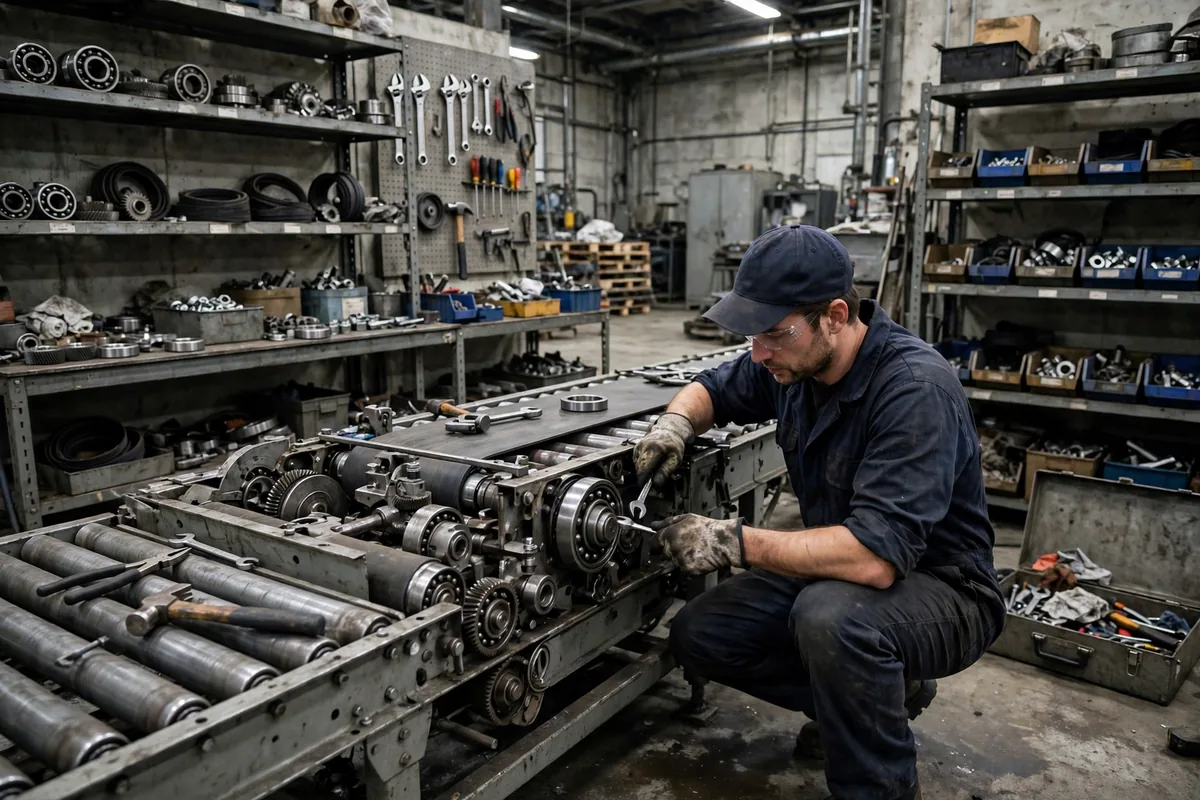
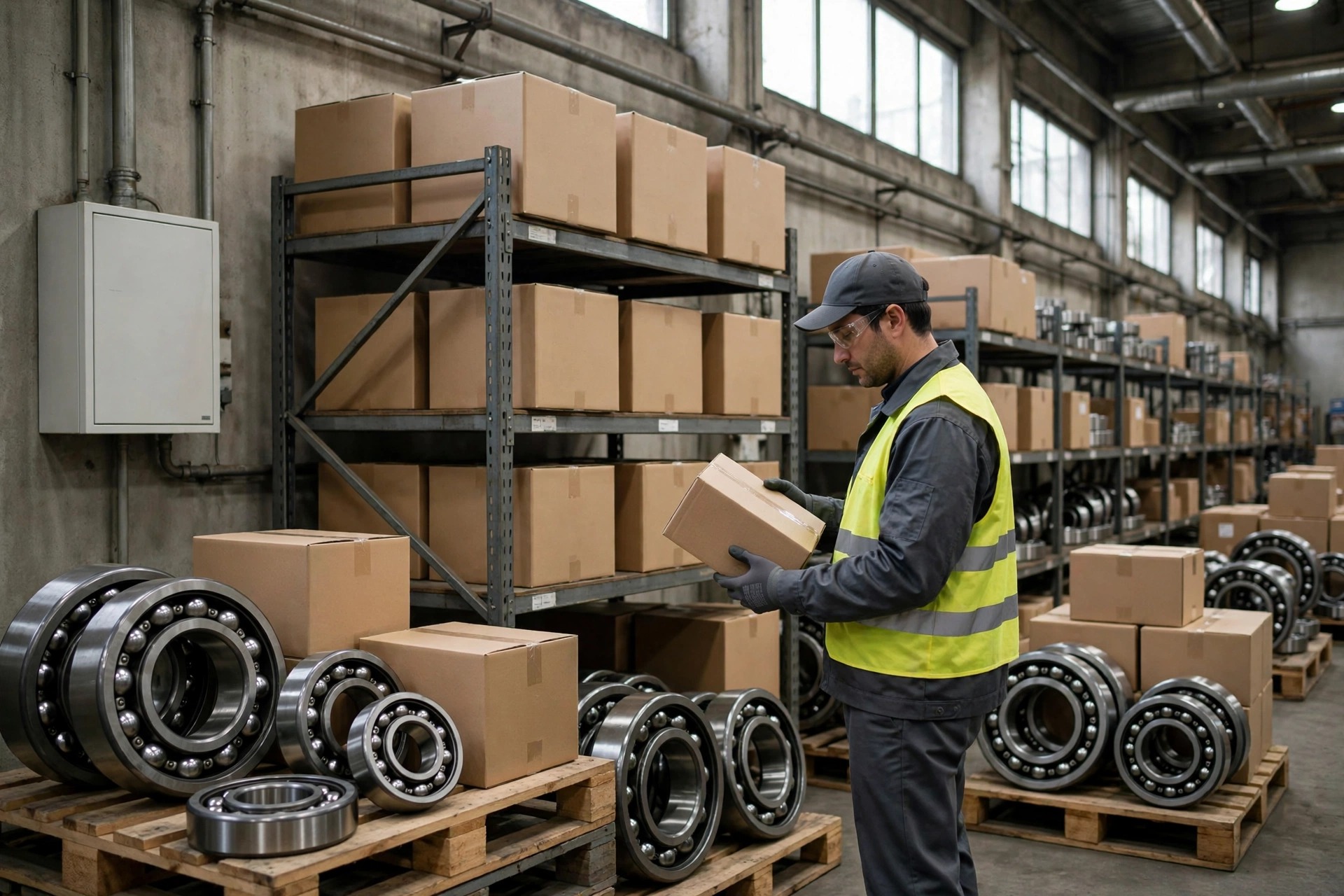
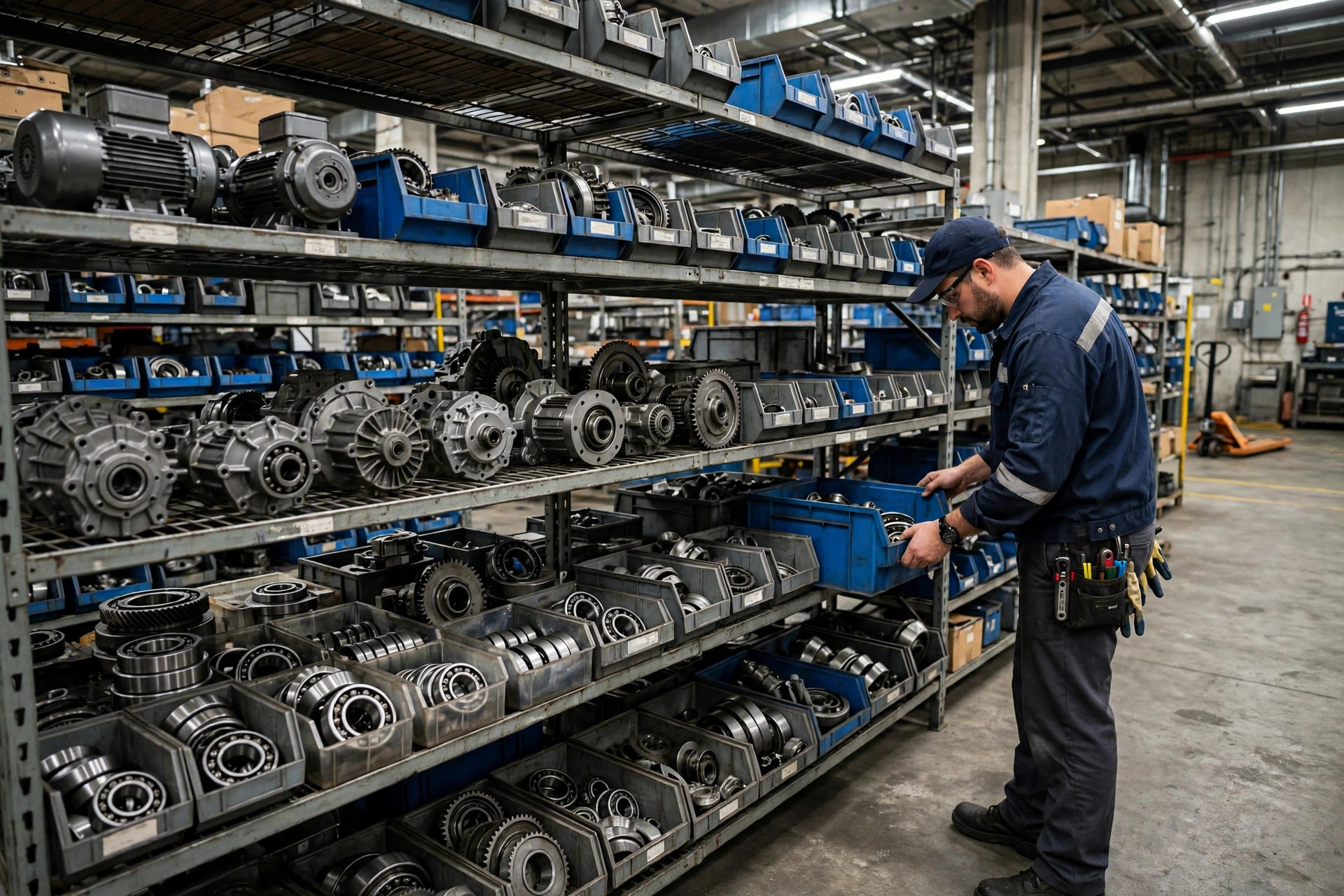
His spare-parts warehouse looked impressive, with shelves full of regular parts and fast-moving consumables. The trouble arrived with one urgent order during the rainy season in 2024. A key piece of mine equipment stopped, and the mine urgently needed a part that rarely moved. His warehouse did not have it. A replacement was brought in from elsewhere, the road conditions slowed the trip, and the part arrived well past the time the mine could wait. The cost of a stopped machine for a day cannot be compared with one delivery fee. That order earned him nothing, and it cost him trust for the next two months.
When we reviewed the case, the flaw was in how his stock list had been built. It was ranked by what sold most, which works in ordinary distribution but runs backwards for mining spares. In mining, the truly dangerous shortage is often not the high-frequency part, but the low-frequency part whose absence stops a machine. High-frequency parts are usually covered by the mine's own safety stock or available nearby. Low-frequency critical parts sit still most of the year, and when they move, the machine is already down. So the first lesson for a spares warehouse is not to stock more, but to stock right: list the "machine stops without this" parts separately, and keep one even if it moves only once or twice a year.
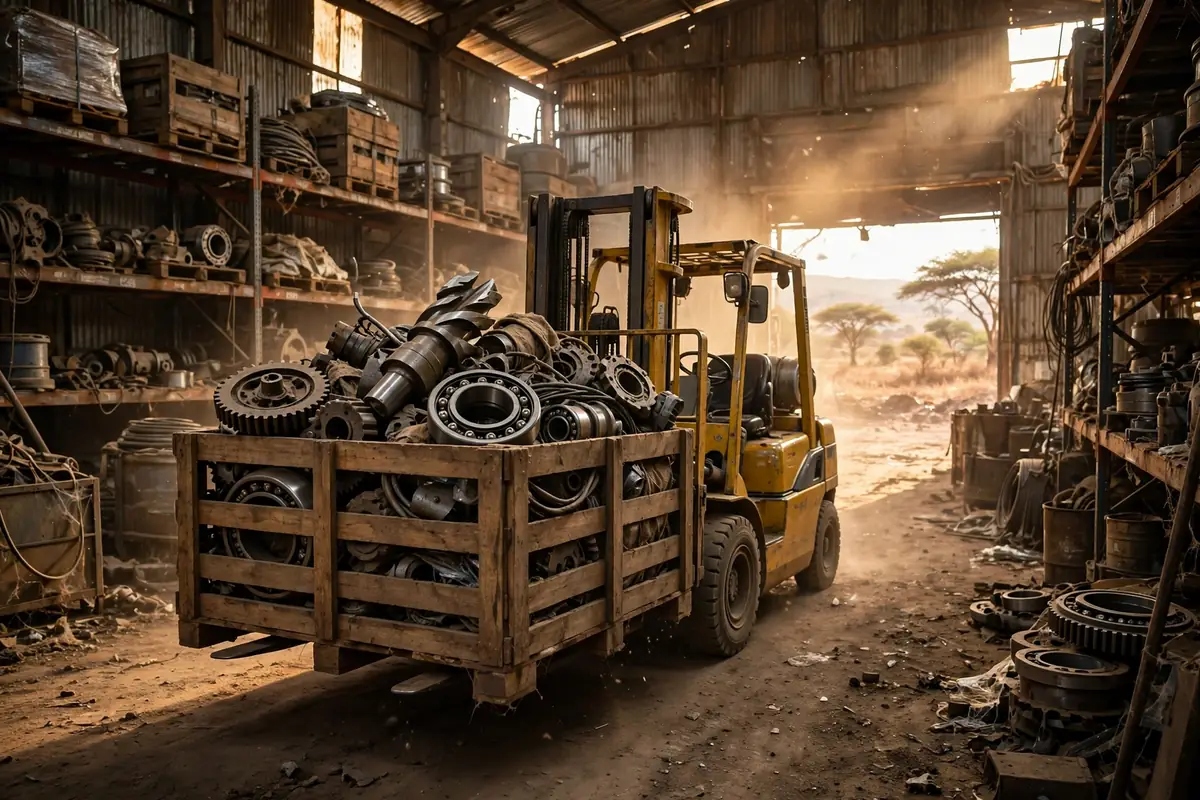
A second case makes the heavy-goods point. The same client later accepted a heavy mining component, priced only the transport, and had not priced loading, securing, and coordinated unloading at site. The site's unloading conditions were limited, lifting had to be arranged on the spot, and the truck was tied up an extra day. After the extra labor and vehicle time, the job barely broke even. Profit on a heavy load is never in the freight line alone; it is in whether loading, waiting time, and compliance were agreed before accepting.
Zambia Copperbelt warehouse logistics behind the numbers: three separate accounts
Zambia Copperbelt warehouse logistics becomes manageable once you split it into three accounts. Mixed together, the numbers never make sense.
The first account is spares. Split spares into three tiers: machine-stopping critical parts, regular wear parts, and general consumables. Critical parts are judged by availability, not turnover. Regular wear parts are judged by consumption rhythm and replenishment cycle. General consumables are judged by bulk purchase price. Replenishment corridors also need advance thought: the Copperbelt is inland, and replenishment often comes through a neighboring country's port corridor, so cross-border timing and procedures must be checked against the latest local policy. Never write a fixed cross-border lead time into a contract. Plan around the slowest leg, not the smoothest trip you once had.
The second account is heavy goods. Before accepting, ask four questions: do you have measured size and weight, or only a spoken estimate; who provides loading equipment and labor; does the site have an unloading window; and who owns special-transport compliance and its cost? If any one is unclear, do not rush to accept. Many 3PL heavy-goods losses come not from failing to move the load, but from quietly absorbing site costs that belonged to the customer. Give heavy goods their own zone with room to lift and turn, and include that space cost in the quote.
The third account is mine-site delivery. Delivery times to a mine cannot follow city-delivery logic. Road conditions, weather, and site receiving conditions all affect timing, and passability can differ between rainy and dry seasons. My practice is to give the mine customer two timeframes: a normal-condition promise and a latest time under constrained conditions, both recorded in writing. Customers rarely punish you for being slow. They punish you for promising fast and delivering late.
| Category | Warehouse approach | Cost most often missed in a quote |
|---|---|---|
| Machine-stopping critical parts | Small quantity, dedicated location, regular checks, protect availability first | Capital tied up in slow stock, inspection labor |
| Regular wear parts | Replenish by consumption rhythm, control the stock ceiling | Waiting time on the cross-border replenishment corridor |
| Heavy and oversize goods | Measure before accepting, agree loading responsibility in advance | Site lifting, waiting time, empty return trip |
Here is the counterintuitive judgment: in the Copperbelt, stocking a little less and negotiating a little more often earns more than stocking a lot and negotiating a little. Wrong stock becomes dead inventory; clear terms stop you paying a cost that was never yours. A spares list also cannot be fixed once a year: equipment and maintenance plans change, so review it with the customer every quarter, or the warehouse slowly becomes a room nobody dares to touch.
Zambia Copperbelt warehouse logistics negotiation advice: agree the awkward points first
When you negotiate with a mine customer or an upstream shipper, my advice is not to start with price. Start with responsibility boundaries. If price is agreed and responsibility is not, every extra cost during execution becomes an argument. Negotiate these points explicitly: urgent-order response times and what happens when they are missed; who handles heavy-goods loading, securing, and waiting time, and how excess time is charged; how stock-count differences and dead spares are handled, whether by return, discount, or continued storage, and who pays; and whether the cross-border replenishment timeframe is quoted on normal conditions or the slowest case, and how delay responsibility is divided.
The pricing model must also be plain: per-pallet, per-order, or warehouse-plus-handling fees carry very different risks. Volatile spares demand suits a per-order model; stable volume may suit a fixed warehouse arrangement. A fixed price for a volatile spares business loses more the longer it runs. Count rhythm belongs in the contract too: how often critical parts are counted, how quickly differences are reconciled, and who signs off.
Experienced buyers, in my experience, actually like detailed questions. Detailed questions show you have really operated in the Copperbelt and know where things break. The fewer arguments during execution, the easier renewal becomes. Suppliers who promise everything at the start and add charges at every step are the ones mine customers do not want to use twice.
So, next time you negotiate a contract, remember to ask these three questions: first, if an urgent order fails, does the contract state a response time and a remedy? Second, for heavy goods, whose job and whose money cover loading and waiting at site? Third, for dead stock and count differences, who ultimately pays? Answer those three clearly, and you have already won most of the Zambia Copperbelt warehouse logistics calculation.
By Susan, 3PL Sales Director