Let me tell you something I've learned about Zambia copper export logistics after all these years on the road: how fast your cargo moves has nothing to do with the truck. It depends on whether the corridor behind it is working.
A couple of years ago at the Port of Dar es Salaam, I met a cargo owner from Shenzhen, sweating with worry. His copper cathodes had left Zambia's Copperbelt mines without a hitch — loaded, cleared, on the road. Then they sat in the port yard for a month while the vessel schedule slipped again and again. "Master Zhao, did we take the wrong road?" "Brother, the road isn't wrong. You just never did the math on Zambia's copper export corridors."
So here's that math: how copper leaves this landlocked country, how to choose among the three export corridors, and where the warehouses should sit.
First, the size of the business: Zambia copper export warehouse logistics in numbers
Zambia is Africa's second-largest copper producer, and copper is the backbone of its exports — officially around two-thirds to 70% of export earnings. The public numbers: 2024 output was 820,676 tonnes; 2025 rose to 890,346 tonnes. The government targets 3 million tonnes a year by 2031. Whether or not they get there, the current volume is serious: nearly a million tonnes a year, all traveling overland from the interior to the sea.
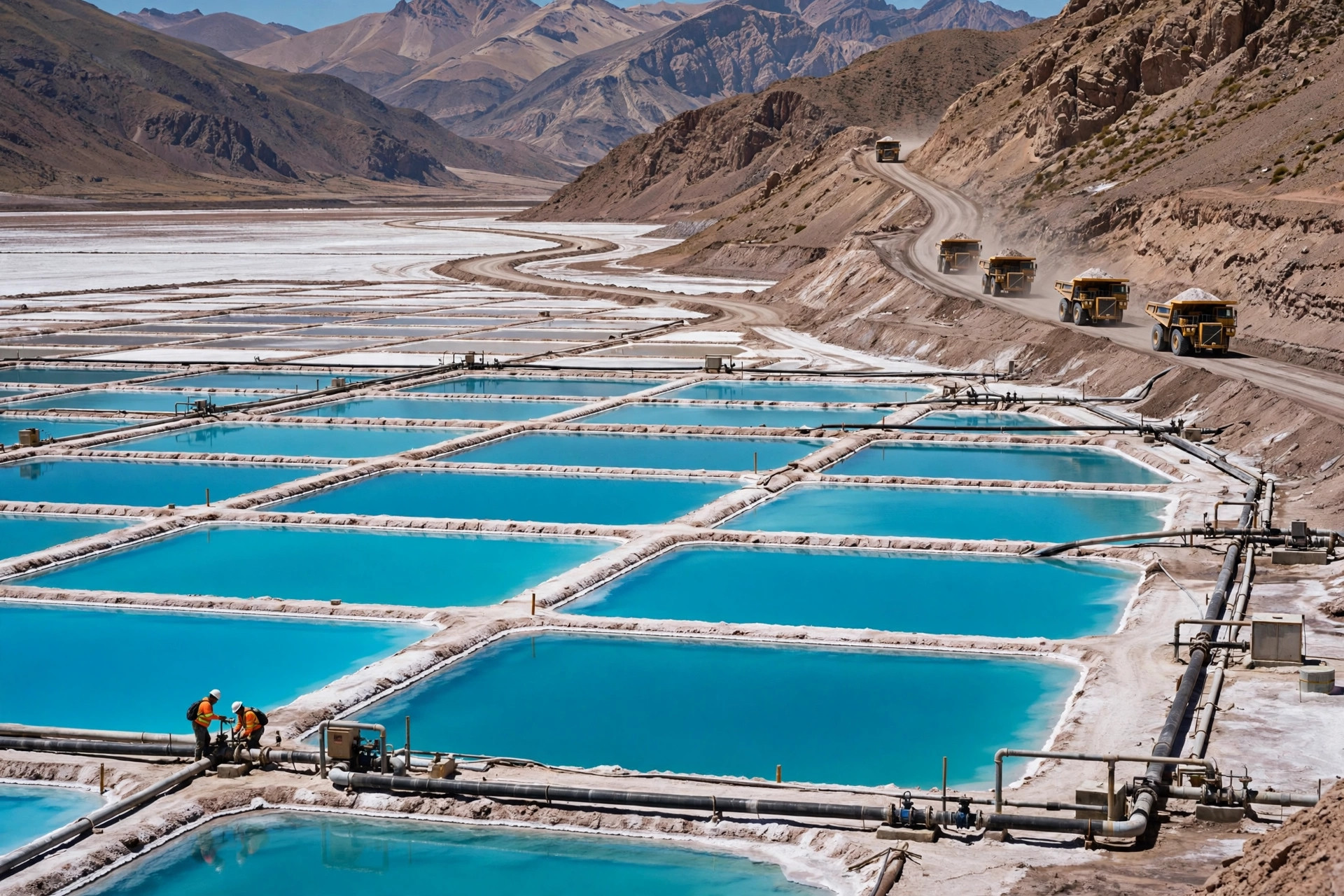
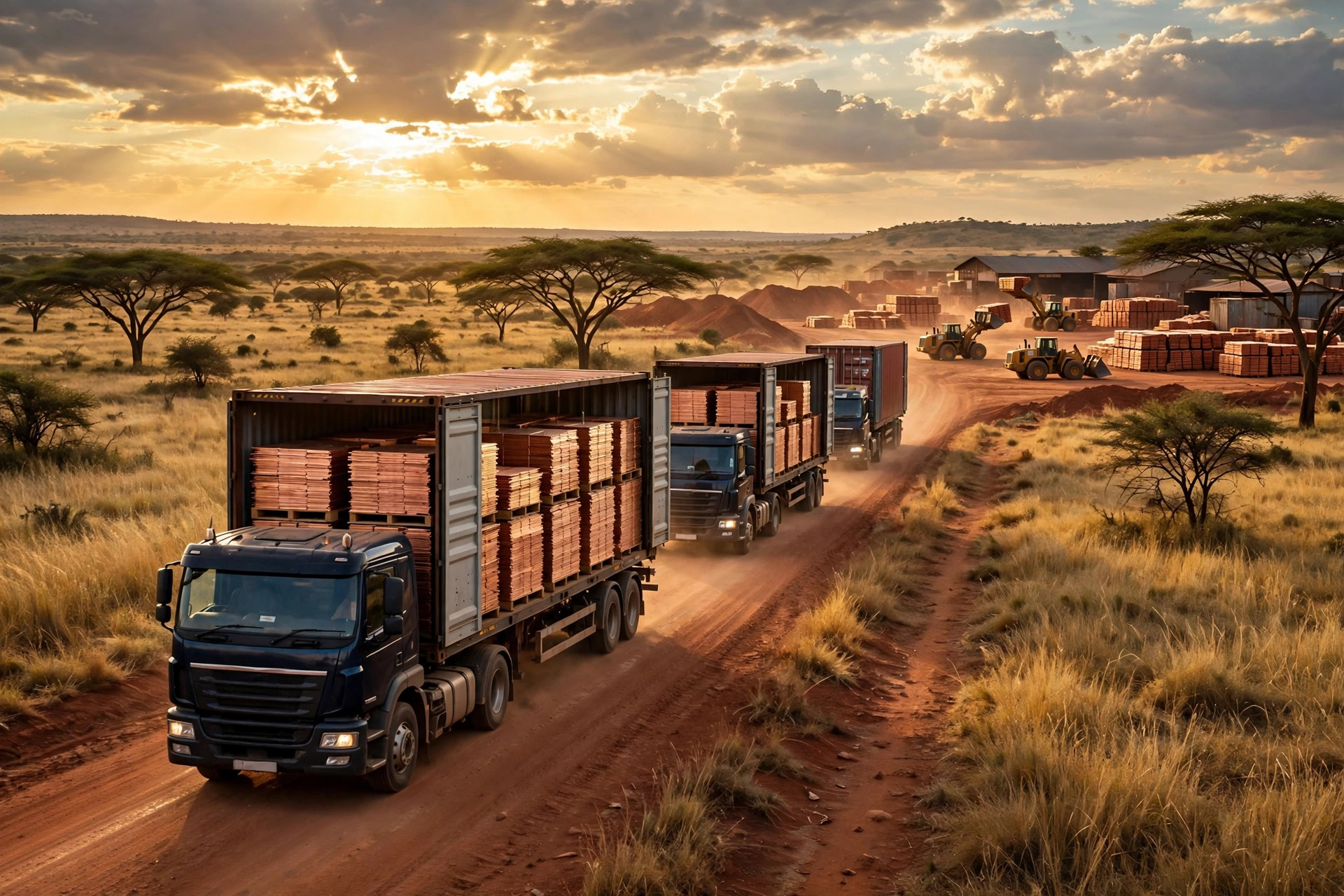
After all these years, my one-line summary: for Zambian copper, the most expensive stretch isn't the ocean freight — it's the overland leg from mine to port. The mines sit in the northern Copperbelt — the Kitwe, Ndola, Chingola cluster — more than a thousand kilometers from the nearest seaport. That road takes a truck a week or two, and when the rains come, all bets are off.
The three Zambia copper export corridors
Today, copper leaves through three main corridors.
One: the Dar es Salaam Corridor (east, Tanzania).
This is the main artery right now. The Federation of East and Southern African Road Transport Associations has said publicly that roughly 70% of copper leaving the Copperbelt goes through Dar es Salaam, with the rest split among Durban, Beira, and Walvis Bay. That figure covers the whole Copperbelt — Zambia plus the DRC — but every Zambian cargo owner knows this is the smoothest road.
Why? It's closer, the road is in relatively good shape, and the Port of Dar es Salaam has had serious money invested in equipment in recent years. Cathodes and concentrates load at the mines and head east. Most predictable timing. Downsides: everyone uses it, so the port still queues in peak season; and when Tanzanian policy shifts, trucks stack up. The Shenzhen cargo owner at the start? He slept through a month of exactly that.
Two: the Durban Corridor (south, South Africa).
This is the old road — mature, full services. Copper used to flow south through Durban in volume. But its share has been falling hard: the transport association says South African ports now handle under 20% of Copperbelt copper exports. Why? Security is a real problem — hijacking reports come in monthly. Add Durban's own congestion and timing gets unreliable. Upside: familiar route, mature clearing systems. Downside: longer, more expensive, and not entirely safe.
Three: the Lobito Corridor (west, Angola).
This is the rising star. Angola's Port of Lobito connects to the mining region via the Benguela railway — about 1,300 kilometers of track — expected to come together around 2030. Lobito's selling point is distance: rail from the mines to Lobito cuts the journey to the sea by more than half compared with trucking to Durban or Dar es Salaam, and a logistics consultant estimates costs could run 30–40% cheaper than exporting via South African ports. The catch: the railway is still being built out, and warehouses, clearing agents, and service providers aren't there yet. Not a road you can run volume on today.
Let me tell you, none of these three roads is perfect. Choosing a corridor means trading off speed, cost, and reliability — pick two, maybe. A road that gives you all three doesn't exist in Africa.
The transit-time math, done right
Most cargo owners only compare freight rates. That's the big trap. With copper, time is money.
Here's a reference point: miner Ivanhoe has publicly disclosed that trucking copper concentrate from the Kamoa-Kakula area to Durban or Dar es Salaam can take up to 50 days a trip. Fifty days! Think about the capital tied up — copper prices move daily; 50 days of price swing wipes out whatever you saved on freight.
So when I teach cargo owners to evaluate a corridor, I give them three numbers:
First, gate-to-port days. Don't trust the brochure — ask for the actual average and worst case over the last three months. Dar es Salaam runs roughly one to two weeks; Durban is longer; Lobito is in trial phase, so the honest answer is "it depends."
Second, the volatility. A road that averages 15 days but swings 30 is worse than one that averages 20 with a 5-day swing. For bulk commodities like copper, plannability beats raw speed.
Third, capital tied up. What's a tonne of copper worth, what's 30 days on the road costing in interest and price risk? Once you run that, a lot of "cheap" corridors stop looking cheap.
And here's the counterintuitive part: the shortest road isn't always the cheapest, and the cheapest road isn't always the best deal. Lobito is shortest, but the support isn't mature — your cargo would be among the first to try it, and you carry the risk. Durban is the most mature, but its share keeps sliding, which tells you the market is already voting with its feet.
Where the warehouses go: mine warehouses and port buffer warehouses
Corridors done, now warehouses. For Zambian copper exports, two positions matter.
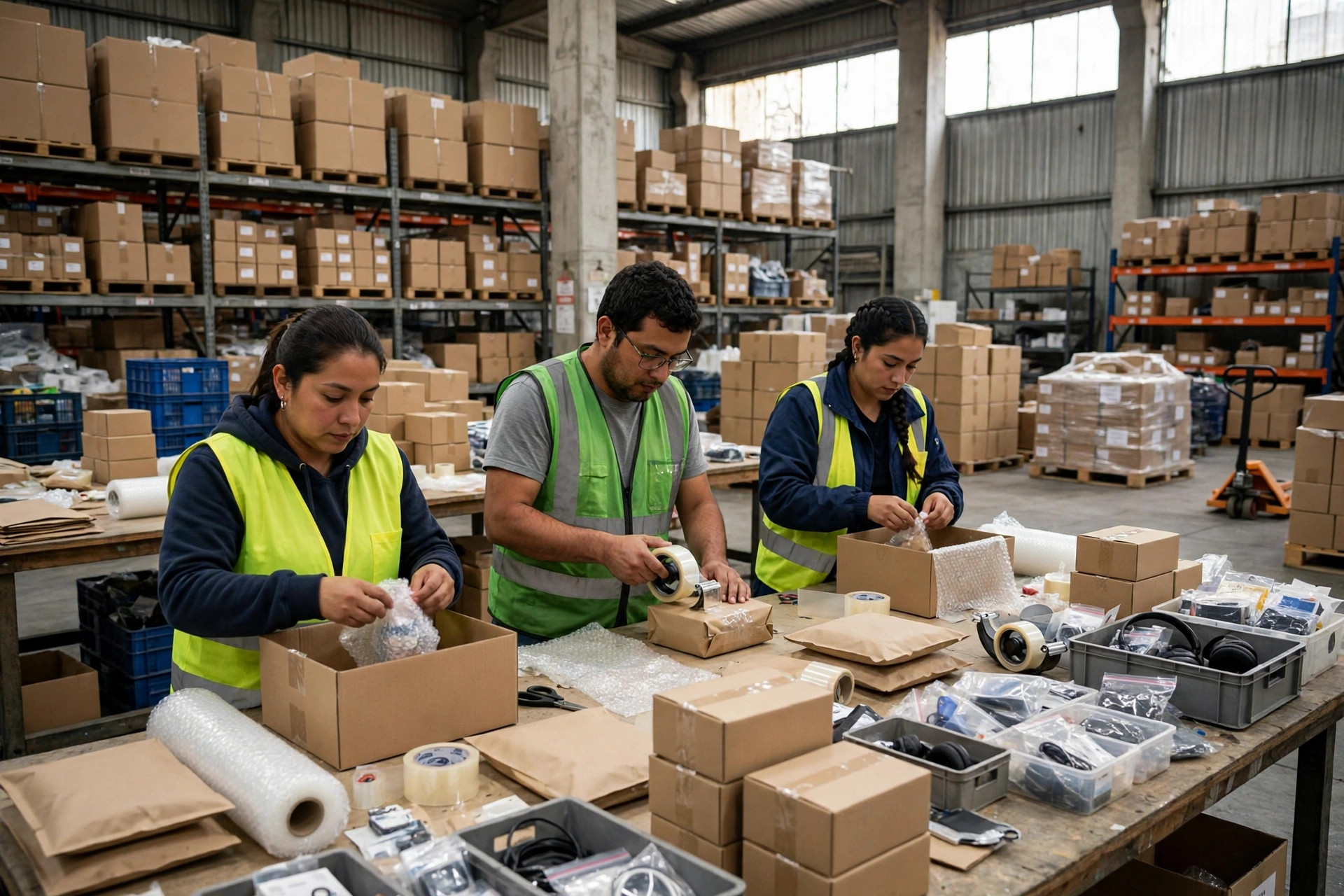
The mine warehouse, in the Copperbelt. Copper leaves the smelter and can't just sit waiting for trucks — you need a place to accumulate, build loads, and prepare export paperwork. The mine warehouse is a reservoir: mining runs continuously, truck dispatch runs in batches, and without a buffer between them, production gets strangled by transport. Mines typically hold 7 to 15 days of output as safety stock, more in the rainy season.
There's a site-selection nuance: Ndola is the transport hub — rail and road both pass through, convenient east or south. Kitwe sits closer to the mine cluster, with shorter collection distances. No standard answer; it depends on your corridor mix.
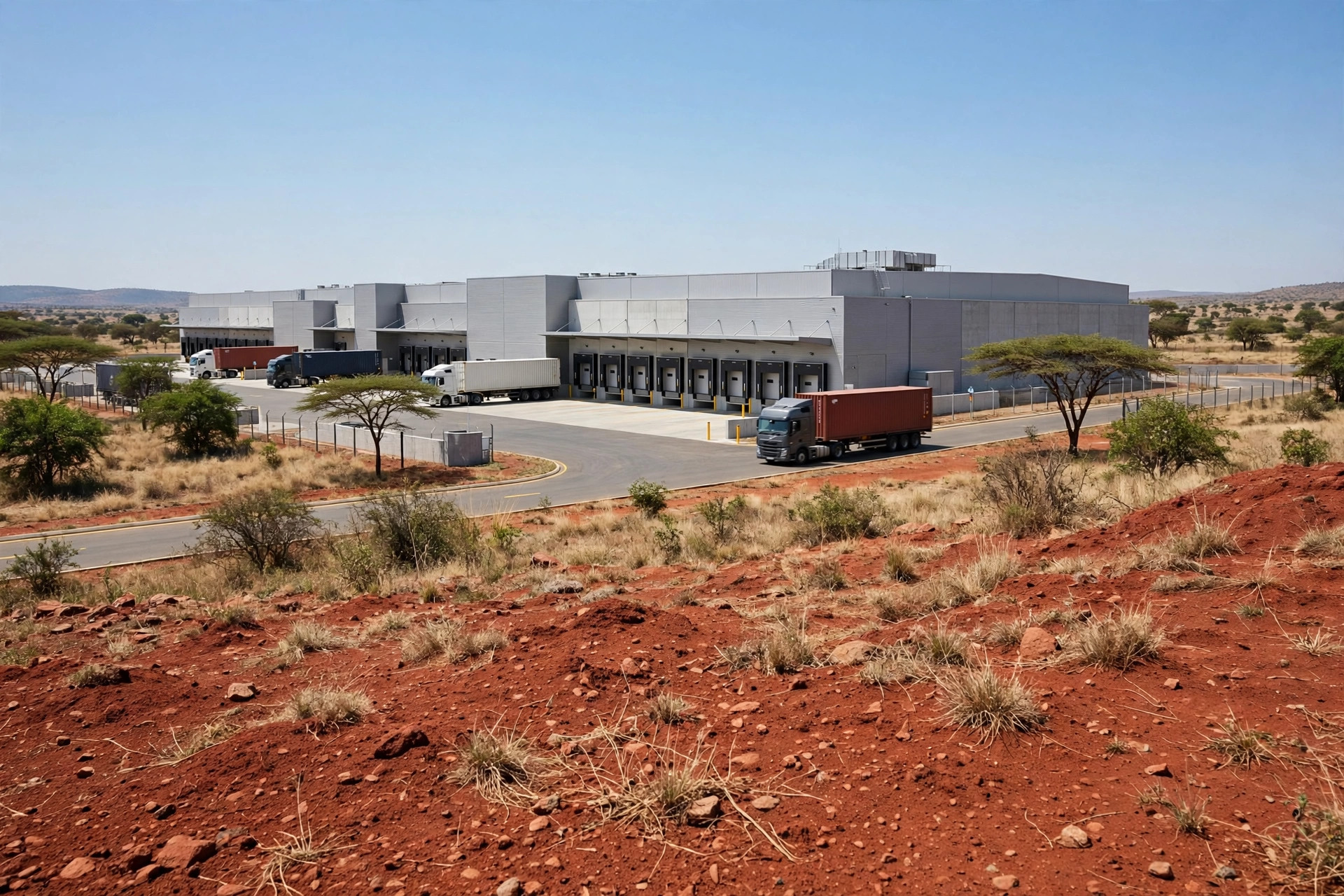
The port buffer warehouse, in Dar es Salaam. This is the lesson from my opening story. Port queues, skipped vessel schedules, one missing stamp on a document — and your cargo sleeps in the yard, racking up storage charges daily, with nobody watching whether the rain is getting at it. Having your own buffer warehouse, or a long-term deal with a reliable one, means cargo goes into the warehouse on arrival and only enters the port when the vessel is confirmed. That saves a fortune in pointless charges.
One thing many people miss: copper concentrate and copper cathodes have different warehousing needs. Cathode plates fear moisture and contamination — the warehouse must be dry and clean. Concentrate is bulk, with strict environmental and dust rules. Before renting, ask what the warehouse held before. Don't rent cheap space that used to store fertilizer; if the plates get contaminated and the buyer rejects them, you'll be crying.
Three pieces of advice for cargo owners
After all these years on the road, three honest suggestions for anyone moving Zambian copper:
First, don't put everything on one corridor. Dar es Salaam takes about 70% now, but the year Tanzania had its election the port shut down and everything backed up on the road. Run 70% on the main corridor and 30% on the backup — keep it moving normally, don't go hunting for a road when things break.
Second, sign the warehouse contracts before the transport contracts. Trucking companies are easy to find; reliable mine warehouses and port buffer warehouses are not. Lock in both ends first, then talk to the fleet. Get the order backwards and you'll be paying peak-season surcharges.
Third, watch Lobito, but don't go all in yet. The direction is right — around 2030, with a real cost advantage. But the support network isn't ready. Send small trial batches, learn the clearing, warehousing, and rail handoff, then scale up once the road is smooth.
One last old saying: in Africa, roads don't carry trucks — they carry relationships and patience. Corridors change, policies change; the one constant is that cargo must stop where it should stop and move when it should move. Get the warehouses in the right places, keep your corridor options alive, and the copper will find its way out.
By Shifu Zhao, Trucking Veteran (15 yrs)