Let me start with the verdict: the Lobito Corridor is worth a serious look, but anyone pouring money into Angolan warehouse logistics right now is probably paying someone else's tuition.
Harsh? I've seen too many "corridor" stories. The road isn't built yet, but the warehouses are already up. The cargo hasn't arrived, but the rent is already due. You go in when the concept is hottest and get trapped when the infrastructure delivers slowest. This one cuts two ways: on one side, real money and real cargo; on the other, a timing gap. The corridor is real — but don't build your warehouse on a PowerPoint.
The trap I've seen: corridor hype first, warehouses as casualties
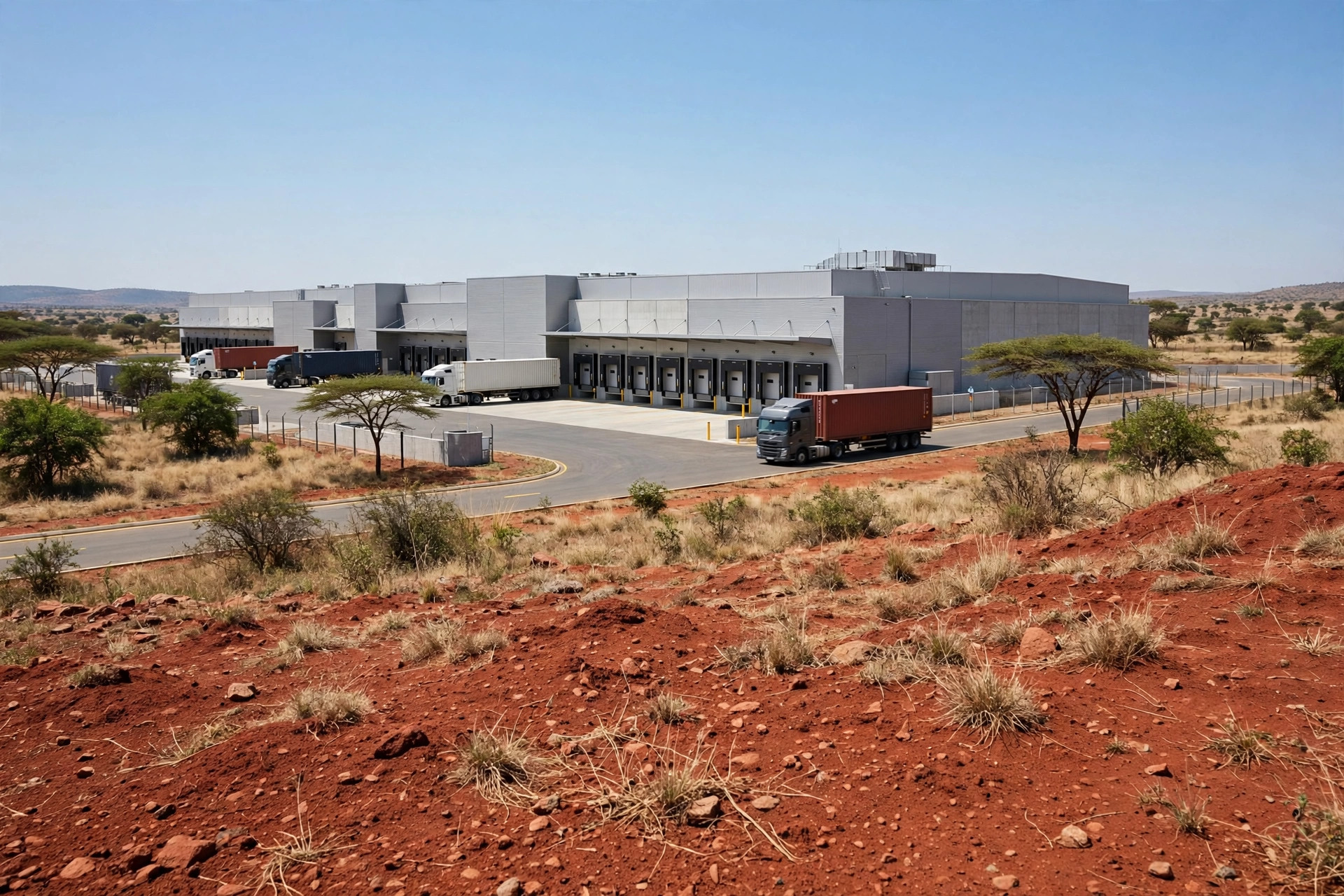
Years ago I looked at a free-trade-zone project in Africa. The port authority's renderings were beautiful: bonded warehouses, cold chain, distribution centers, everything. An operator I knew couldn't resist and leased several thousand square meters early. Then what? The port expansion slipped three years. The promised highway never got built. The warehouse stored dust, not cargo. They broke the lease early and paid the penalty walking out.
Here's the iron law of corridor economics, plainly stated: cargo first, warehouses follow. Whoever has stable cargo gets to talk about warehouses. Build on forecasted "future volumes" and you're betting on someone else's timeline.
So where does the Lobito Corridor actually stand? Let's break it down piece by piece.
What the Lobito Corridor actually is: the 1,300-kilometer math
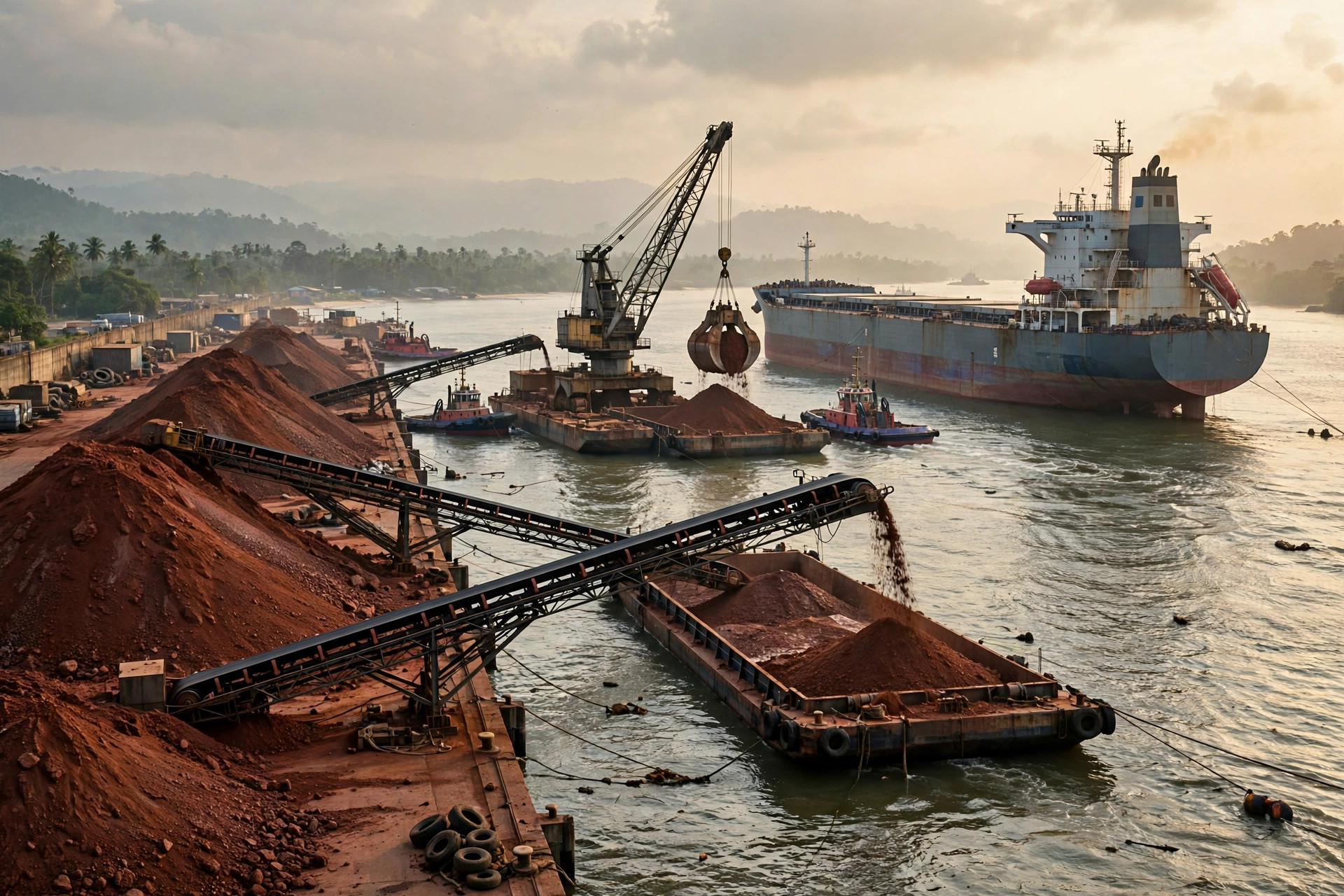
The corridor's core asset is Angola's Benguela railway: 1,300 kilometers from the Atlantic port of Lobito east to the Angola–DRC border. It's operated by the Lobito Atlantic Railway (LAR) under a 30-year concession that started in 2024, held by a consortium of Trafigura, Mota-Engil, and Vecturis.
The cargo is real. 2025 was the railway's first full operating year, moving over 200,000 tonnes. The 2026 target is 400,000 tonnes of international freight. Long-run design capacity is 4.6 million tonnes a year — note that it's currently running at roughly 5% of that. Two things follow: enormous headroom, and a timeline you should respect.
The money is real too. In July 2026, a $753 million financing package reached financial close: $553 million from the U.S. International Development Finance Corporation and $200 million from South Africa's DBSA. At African Mining Week on October 20, DBSA's head of mining confirmed on stage that the $200 million is deployed and the project is ahead of schedule. Separately, the EU has mobilized €2 billion for the corridor under its Global Gateway strategy, and Italy committed roughly $300 million. Plainly stated: the U.S. and Europe are betting real money here, not slogans.
Caála goes live: three warehouse bets in Angola
For those of us in the warehouse business, someone else's railway is someone else's business. The real opportunity sits at the nodes.
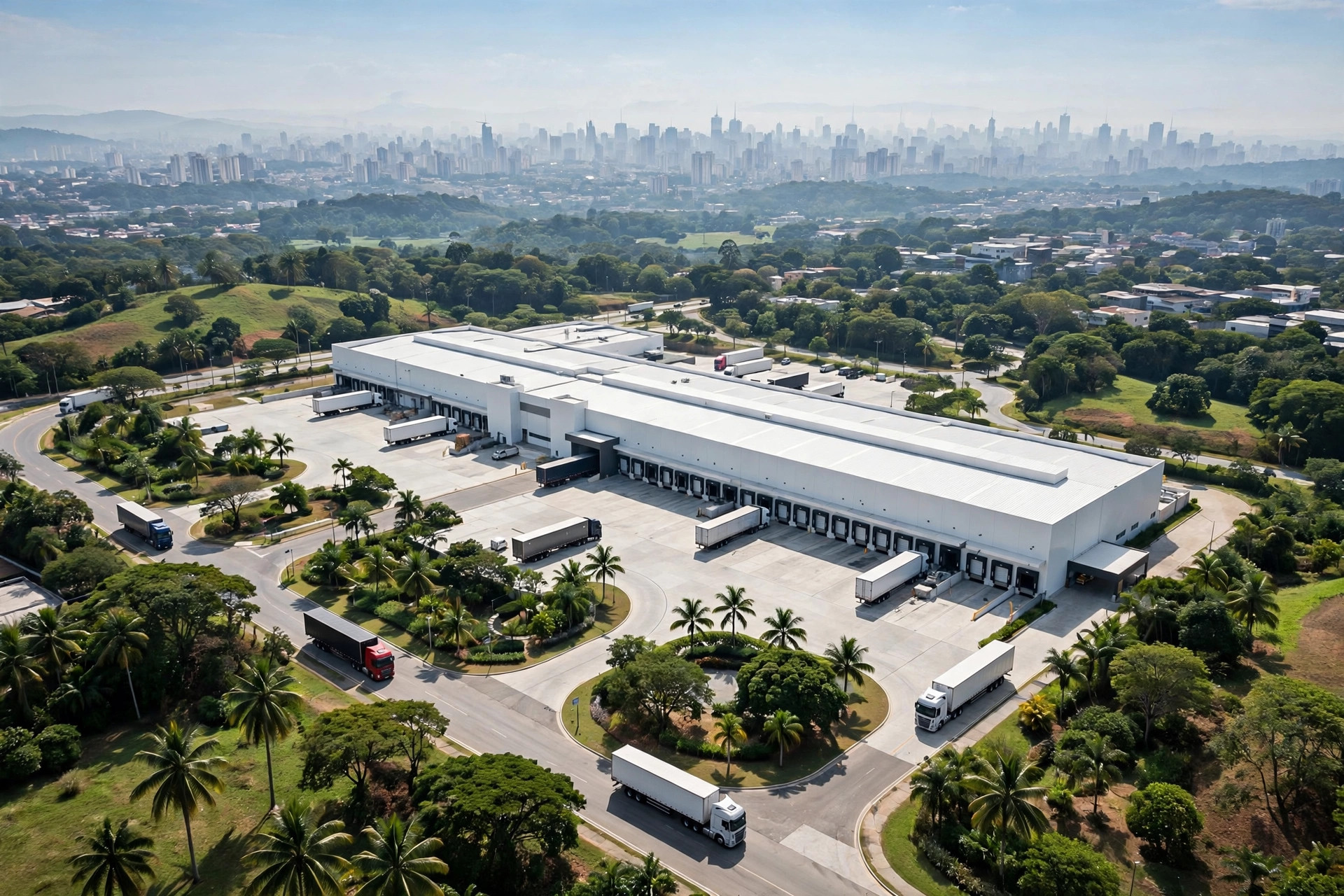
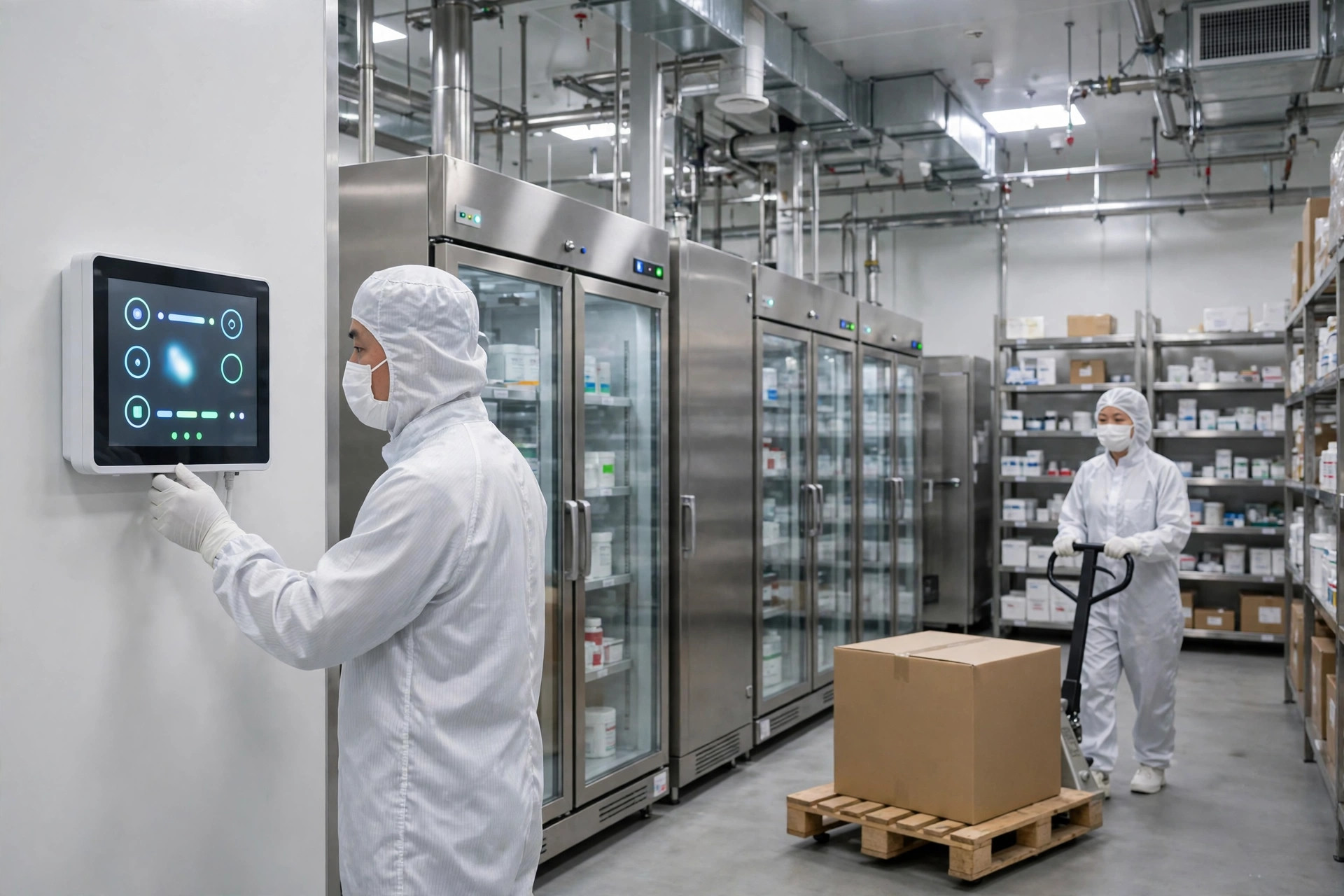
From September 28 to 30, 2026, Angola hosted its Transport & Logistics Summit in Luanda. The transport minister announced that phase one of the cold-chain facility at the Caála Logistics Platform is going operational. At the same time, short-term concession tenders are underway for three multimodal logistics platforms: Caála, Luvo, and Luau.
Translation: the Angolan government has turned "where to put your warehouse" into a three-option question:
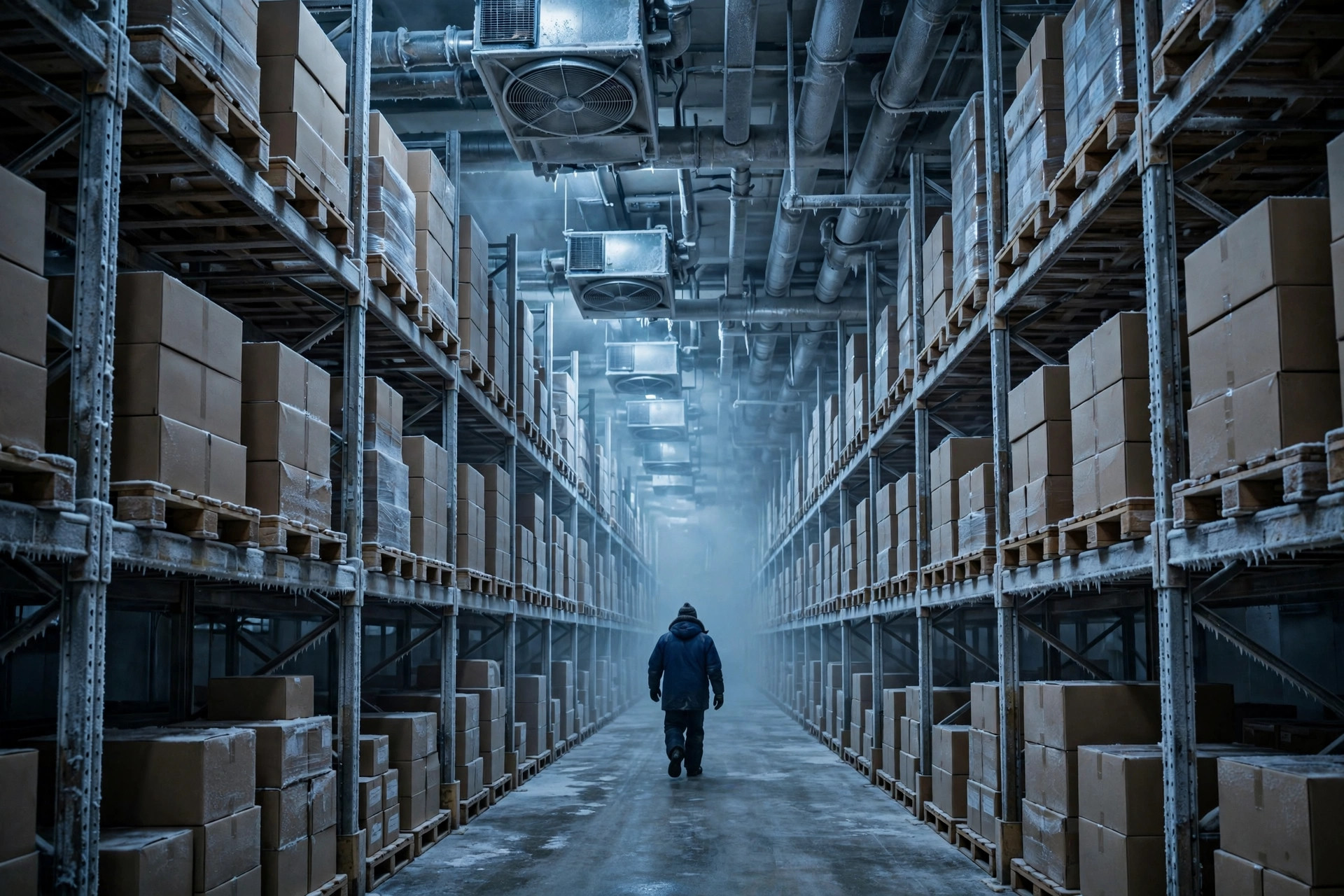
- Caála: On the Huambo highlands, in the middle of farm country, with cold-chain phase one live. Dutch firm Flying Swans operates the platform, already certified, already exporting Huambo avocados to Europe. Farm cold chain is proven demand, not a rendering.
- Luvo: The Angola–DRC border crossing. Anyone in cross-border trade knows: a border post is a natural customs and transshipment node.
- Luau: The rail border station, the gateway for mining equipment moving in and out.
Note the key phrase: all three are "tenders underway," not "fully leased." That means now is the time to negotiate terms, not to sign long leases. First-mover bargaining power lives exactly in this window.
Two sides of the coin: the corridor's opportunity hides in the backhaul
Where's the opportunity? I've watched too many people stare only at the copper. Copper logistics is a giants' game — Trafigura is itself a shareholder. That table isn't for mid-size players.
The real play is in the supporting roles and the backhaul. Copper concentrate moves west to the sea; railcars and vessels can't come back empty. Eastbound backhaul — mining equipment, spare parts, building materials, consumer goods — whoever organizes that eats the fattest margin on the corridor. A mining spares warehouse is the classic case: one idle machine at a mine bleeds money daily, so spares must sit in a dependable warehouse near the mine, not trucked up from South Africa.
The other piece is agriculture. Flying Swans' avocados are already running to Europe, which proves highland farm exports work. The Huambo highlands have the climate; avocados and coffee are high-value crops. What's missing isn't land — it's cold chain and sea access, exactly what the Caála platform is being built to fix.
So my call: go light first, heavy later. Lease ready space and cold chain at the Caála platform, prove out customers and volumes; once volumes are stable, talk about building or taking a concession. Light assets to validate, heavy assets to harvest. Reverse the order and you become the second "warehouse full of dust."
The risk list: three things to get straight before you move
First, delivery pace. The railway runs at about 5% of design capacity. The DRC sections are still being rehabilitated; Zambia's new line hasn't broken ground. Three governments, three priority lists — cross-border coordination is the slow variable. Pace your leases and capex to the slow variable, not to the press-conference timeline.
Second, customs and currency. Angola's customs clearance is a known bottleneck, and the kwanza moves around. Build budgets with a real currency cushion and estimate clearance time at the worst case. This is Africa warehousing 101, yet someone is "surprised" every single time.
Third, power. Cold chain eats electricity, and inland grid reliability is a fact of life. The Caála platform is pushing solar-powered mobile reefer containers precisely because of this. When you site-select, diligence the power story separately — don't just look at the rent.
One last honest word: the corridor is real, the cargo is real, the money is real. But don't build your warehouse on a PowerPoint.
By Lao Mi, Supply Chain Veteran (20 yrs)