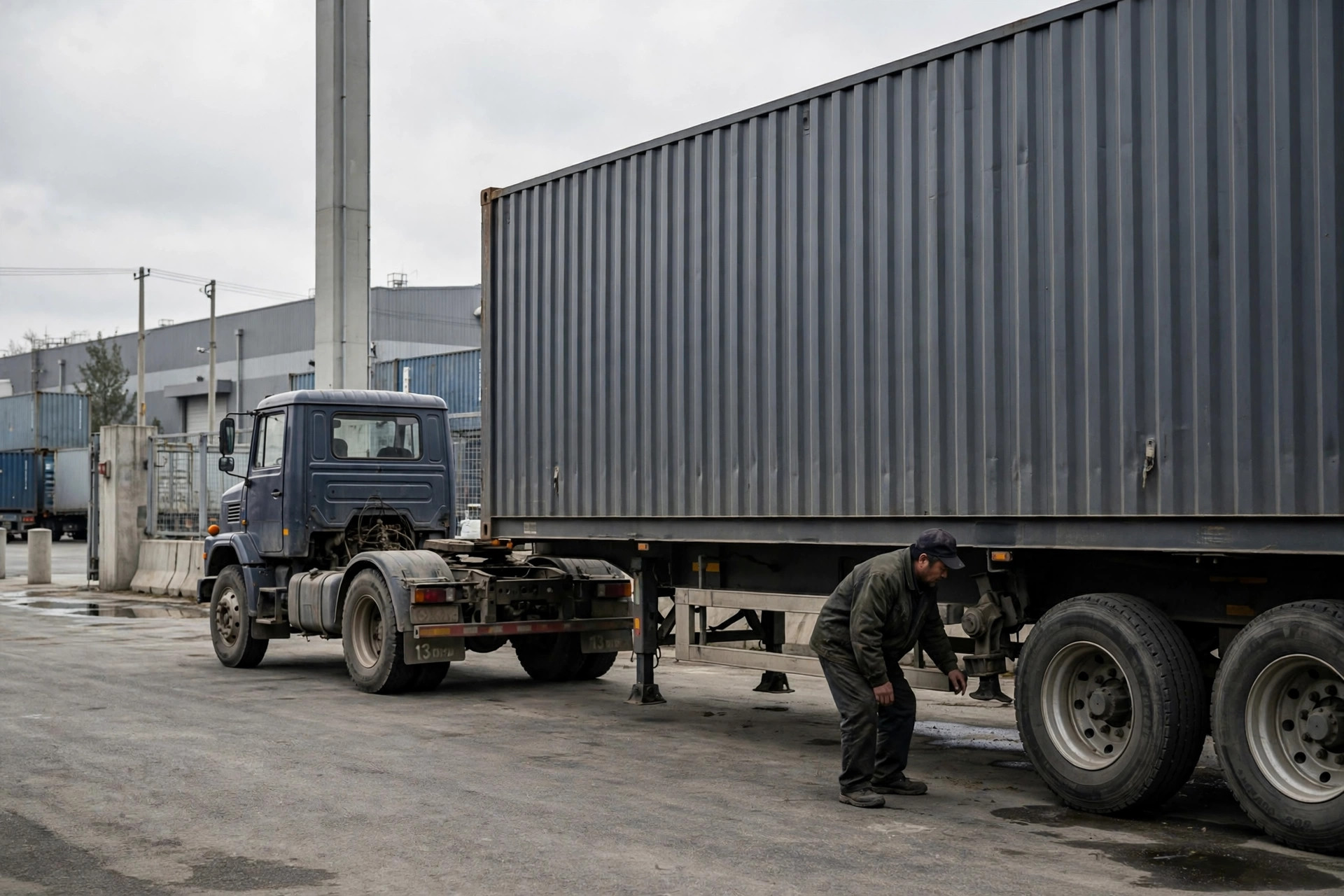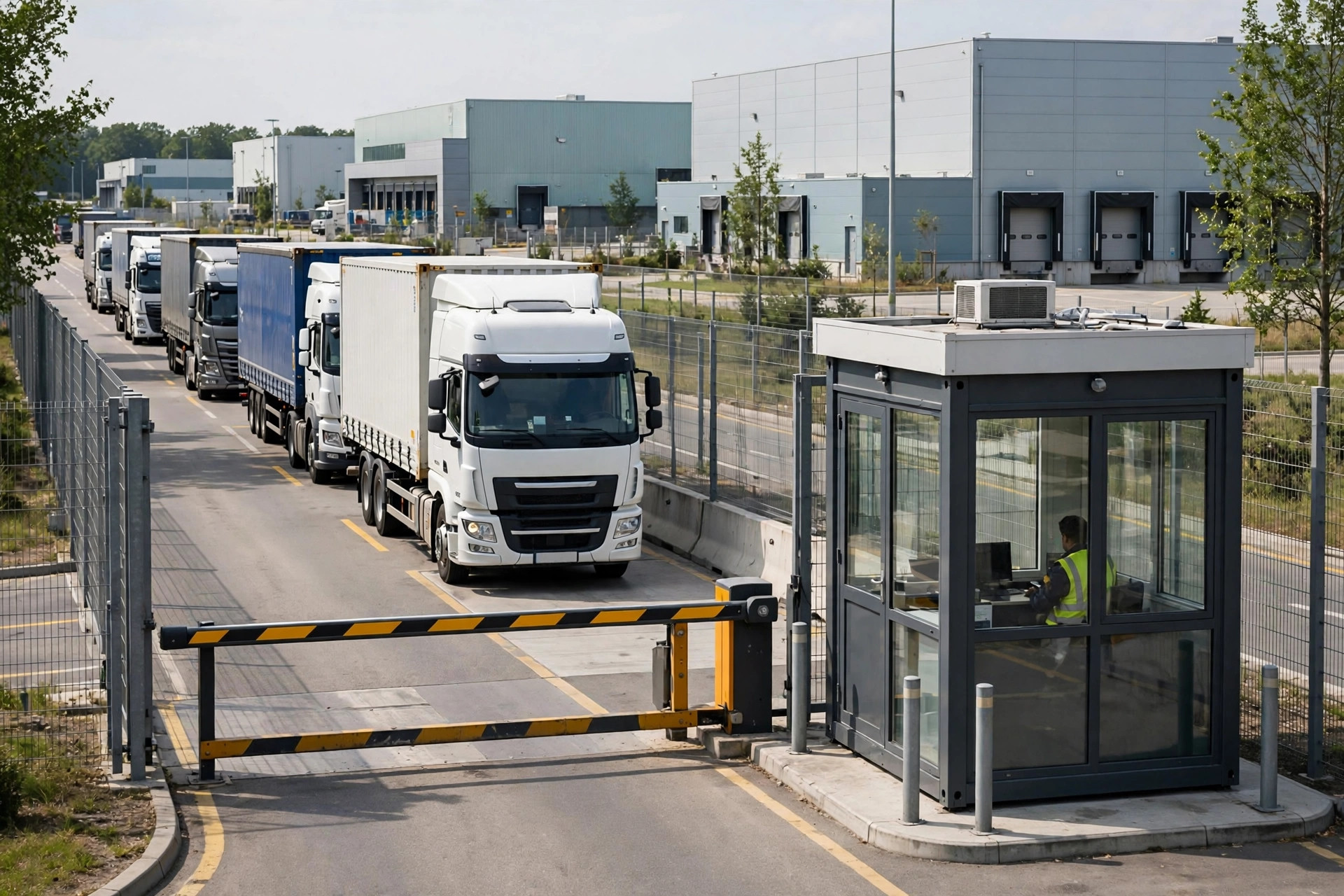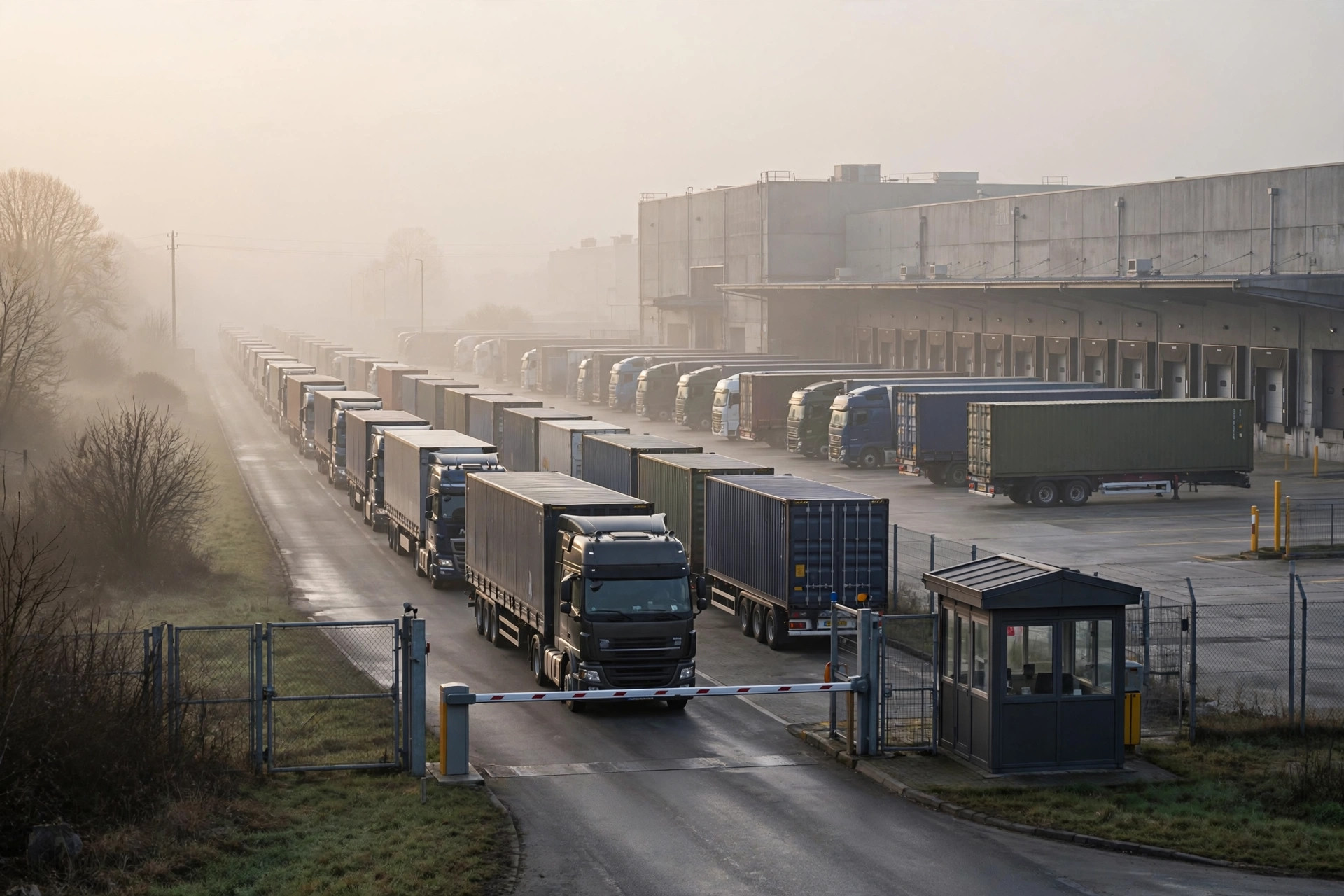
Let me tell you something after fifteen years behind the wheel: I don't fear traffic on the highway. I fear traffic at the warehouse gate. On the highway, at least you know what happened up ahead. At the gate, you've got no idea how many trucks are in front of you or how long you'll be sitting there. You're just stuck, watching the clock eat your day.
Last fall I had a delivery at a big distribution center out in California's Inland Empire. I rolled up to the yard gate at five in the morning. Thirty-some trucks were already lined up ahead of me, stretching out of sight. I leaned out the window and asked the driver in front of me, "Didn't this place just install one of those fancy yard management systems? What's going on?" He laughed. "Oh, they installed it. The dashboard in the office looks beautiful. Out here, nothing changed."
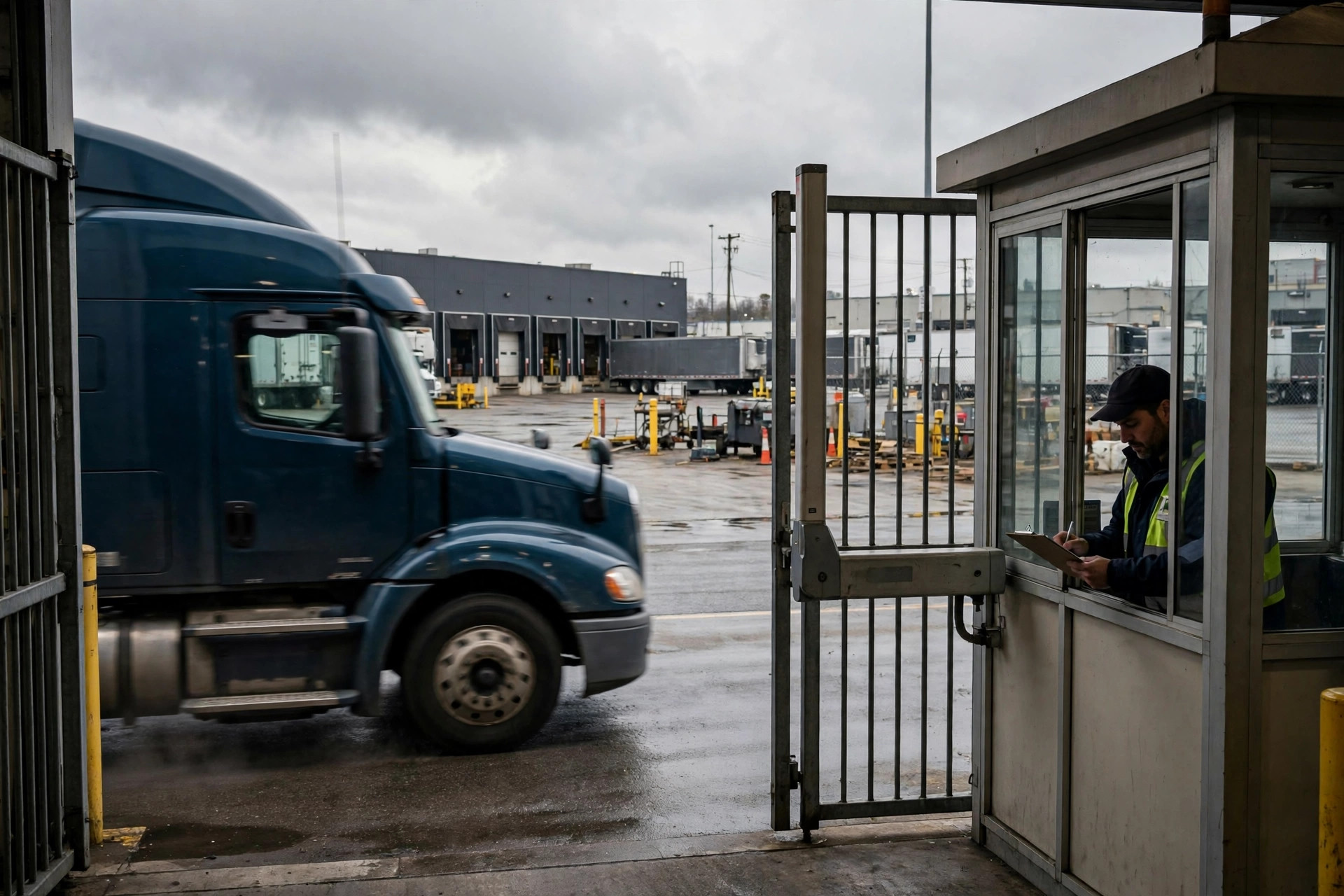
That line stuck with me. I've been through plenty of facilities running a YMS since, and the pattern never changes: the system got purchased, the gate stayed a mess. So here's where it actually breaks down, through a driver's eyes.
Reason One: The System Was Built for the Office, Not for Drivers and Guards
Back to that Inland Empire warehouse. Their YMS sounded great on paper: drivers book an appointment window in a mobile app ahead of time, scan a code at the gate, and the system assigns a dock door. Beautiful flowchart.
Except nobody could get past step one. The app required a full registration — a pile of personal details, an email verification, the works — and the whole thing was English-only. Plenty of drivers I know get by in English just fine for road signs and bills of lading, but a multi-screen signup flow? One Mexican driver told me he fought with it for the better part of an hour before giving up and calling his dispatcher: "You do it for me, I can't." And dispatchers are slammed — they're not going to hand-hold every driver through a signup. So most drivers just skipped it and did what they've always done: show up and call.
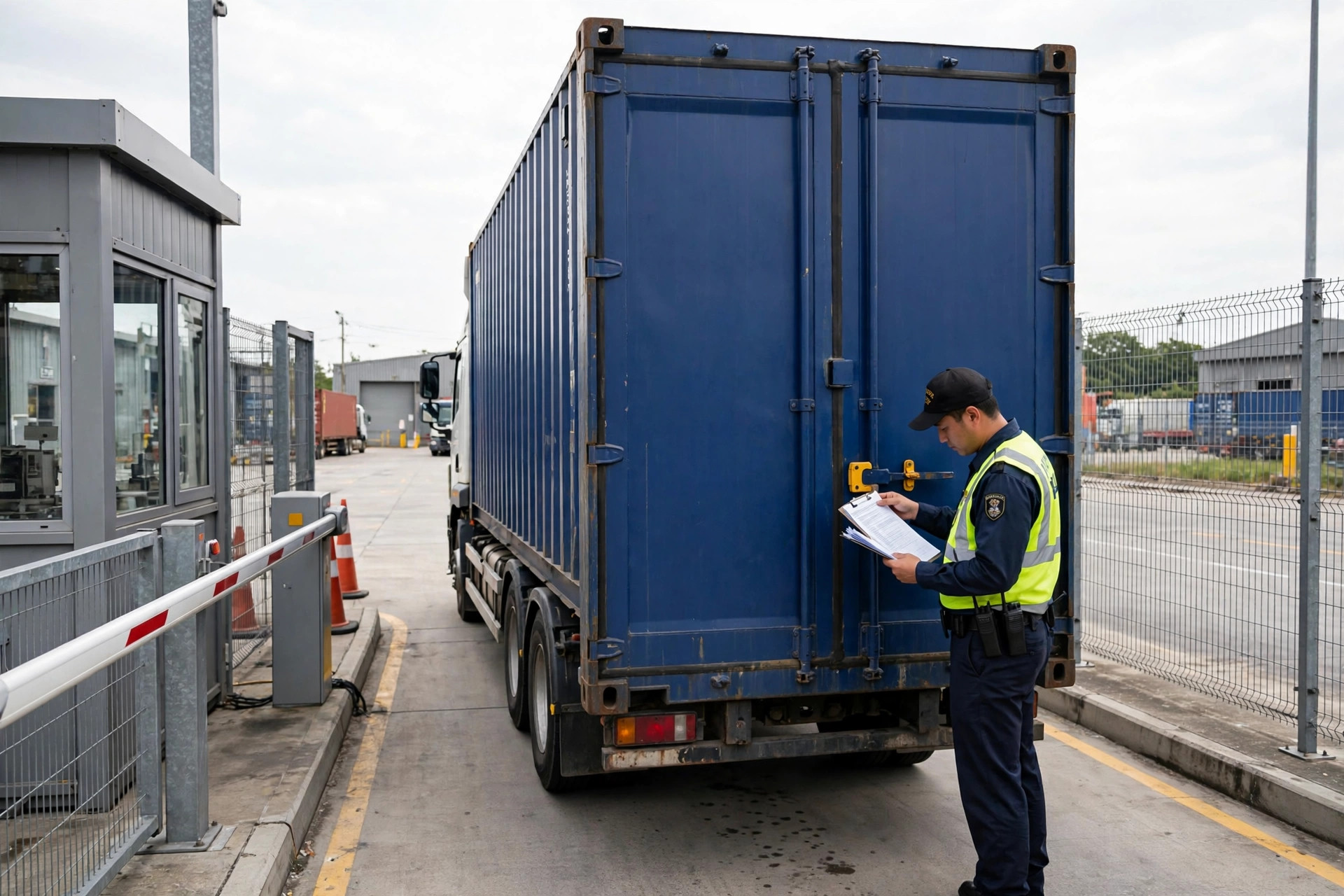
Then there's the guard. The system dashboard said "all normal," while he kept his paper logbook, writing down every truck by hand. I asked him why he didn't trust the system. His answer was honest: "The appointment times in the system have nothing to do with how fast this warehouse actually unloads. If I let trucks in by the system, the dock crew isn't ready, the driver yells at me, the warehouse yells at me. I trust my notebook."
Here's the thing: the last hundred yards of any YMS are the driver and the guard. If those two groups don't use it, the system is just a toy in the office. The prettier the dashboard, the sharper the irony.
Reason Two: The Yard in the System Isn't the Yard in Real Life
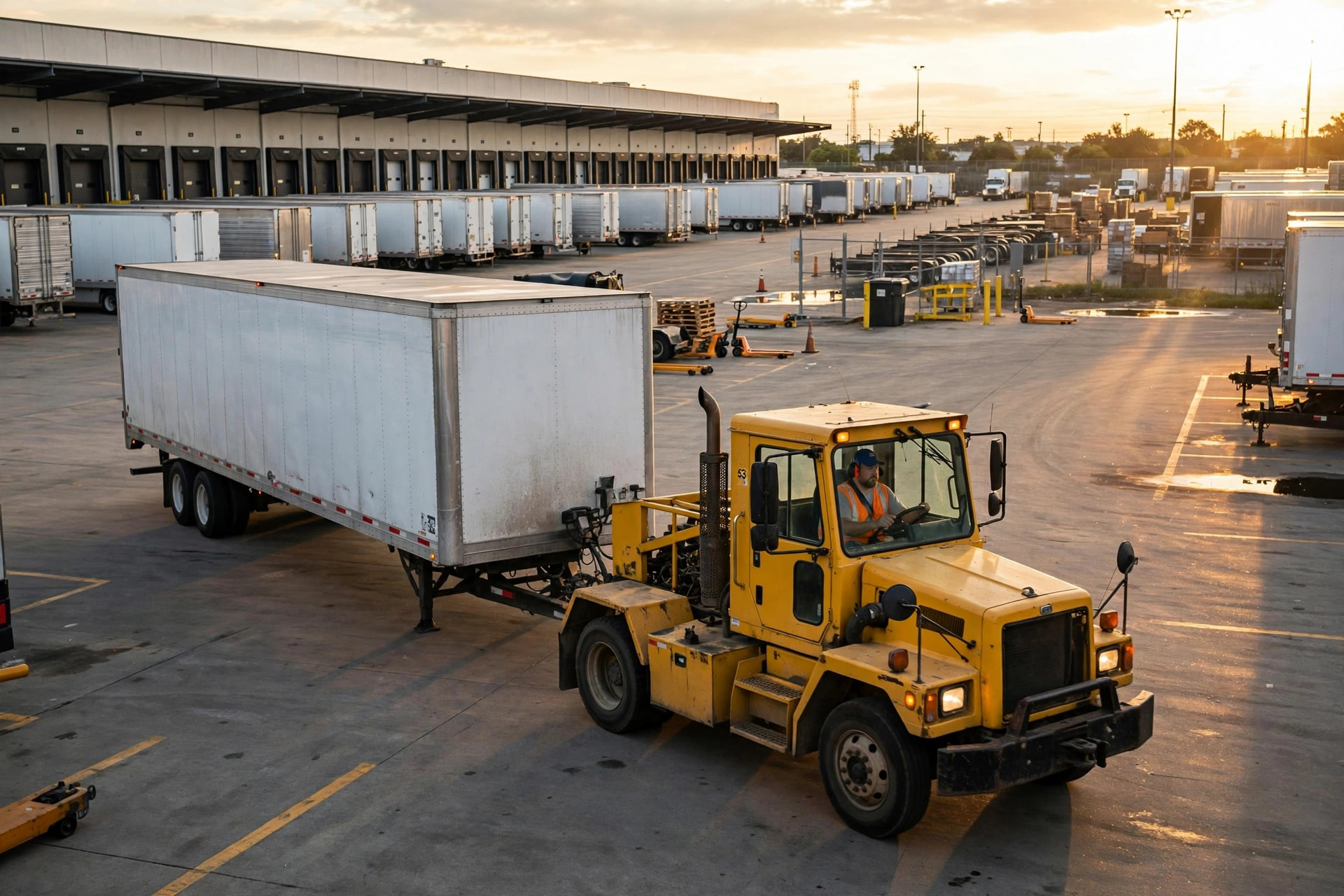
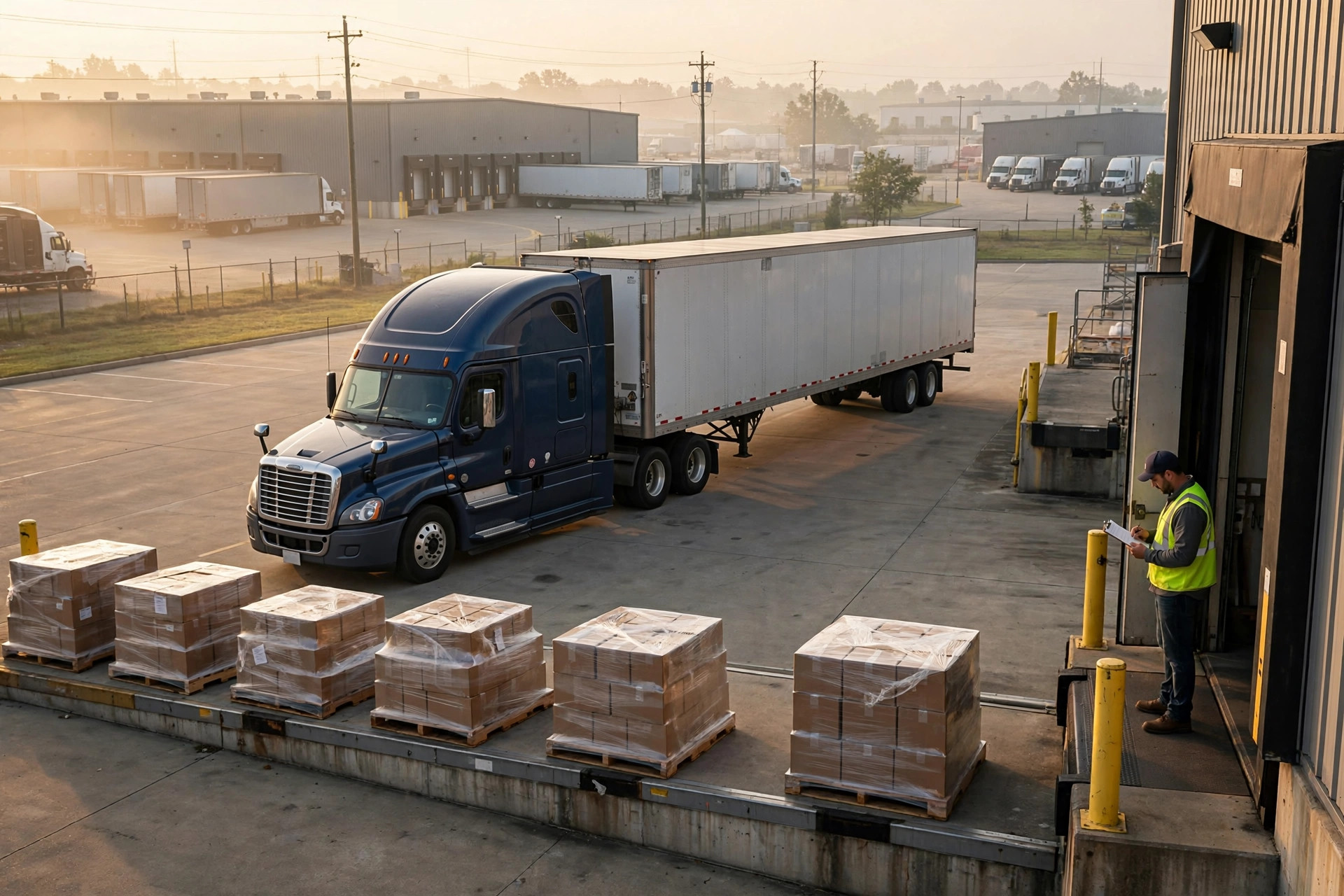
A couple of years back I picked up a load at a food distribution center in Dallas. The YMS assigned me Door 42. I drove in, found Door 42 — and it was blocked solid with pallets, couldn't even get a forklift near it. Turns out they'd repainted the door numbers on the ground a few months earlier, and nobody had updated the system. The numbering was off by several doors. I spent twenty-plus minutes circling the yard before I found the right door. Half an hour, gone, just looking for a door.
Then there are the appointment windows. The system carved the day into neat one-hour slots. In reality, unloading one trailer at that facility — paperwork, inspection, counting — took an hour and a half minimum. The upstream data was wishful thinking, so the downstream execution was pure improvisation. Drivers showed up on time per the system, the previous trailer was still being unloaded, and they sat in the yard. Enough of them sitting around, and the yard jammed up anyway.
The lesson: a system can't outrun bad data. Wrong door numbers, made-up unload times, fictional appointment windows — if the foundation is crooked, it doesn't matter how tall you build. A lot of warehouses go live on a YMS without ever sending someone out to verify the doors one by one, trusting old drawings and old spreadsheets for the import. What got imported wasn't data. It was legacy problems.
Reason Three: Buying the System Felt Like Solving the Problem
This third one stings the most, and I see it the most.
A big 3PL warehouse spent serious money on a YMS. On go-live day, the managers were all in the office watching the real-time dashboard, numbers jumping around, everything looking alive. And I was sitting in the truck line outside, stretching all the way out to the public road — exactly like before the system existed. Why? Nothing about the process had changed. Still first-come-first-served. Appointment trucks and walk-ins mixed together. The guard still waved trucks through by experience and by who he knew. The system ran up there; reality ran down here. Two parallel lines that never touched.
Here's the counterintuitive part: the more expensive the system, the easier it is for the boss to think "well, that's handled now" — and the less attention goes to the actual process and the actual people. It's buying peace of mind. The software vendor sold you a tool, but "running the gate" takes a decision the tool can't make for you. If you won't change the first-come-first-served habit, won't decide what happens to no-shows, won't settle whether the guard follows the system or the phone — then your YMS is just the most expensive decoration in the building.
What This Really Means: The Hard Part Was Never the Technology
Three reasons, one honest conclusion: YMS rollouts fail, and nine times out of ten it isn't the software's fault. The people didn't come along, the process didn't change, the data didn't match. Those three are on you — no vendor can do them for you.
There's also a trade-off most warehouses never think through: make the appointment system too rigid, and drivers terrified of being late show up three or four hours early, which makes the gate worse. No appointments at all, and peak hours collapse completely. Both extremes are traps. The middle path: keep the windows flexible, and leave real dispatch authority with the guard on the ground. Let the system suggest; let the guard decide. Stop treating the guard like furniture — he's the actual operating system of that gate.
| Bought a YMS, nobody uses it | No YMS, but the process works | |
|---|---|---|
| Driver wait | Still half a day, and no idea when it ends | There's waiting, but you know roughly when you'll get a door |
| Guard | Two sets of books — system plus paper, twice the work | One old method he knows cold |
| Shipper | Dashboard says "all normal," reality says otherwise | One phone call gets you the truth |
| Money spent | License fees every year, straight down the drain | Saved the money, hired a good guard instead |
Straight Advice for Shippers and Warehouses
First, fix the process before you buy the software. Kill first-come-first-served, set up appointments plus live dispatch, and run it on paper until it's smooth. A process that doesn't work on paper will only break down faster inside a system.
Second, the driver side has to be dead simple. No registration, no email verification — scan a code or punch in a plate number at the gate and you're checked in. If a text message can do the job, don't make anyone download an app. Remember: every extra step you add cuts your adoption in half.
Third, treat the guard as a key user, not furniture. Before go-live, buy him lunch and listen to how the gate really works — which carriers always run late, which door is the nightmare, when the peak really hits. His paper logbook is your most honest requirements document.
Fourth, align the data before you go live. Send someone out to verify every door number on the ground and time the real average unload per door. Don't trust old drawings. Drawings lie; painted numbers don't.
Fifth, run old and new in parallel — don't cut over cold turkey. Give drivers and guards a couple of months to transition. Confiscate the paper logbook on day one and all you'll get is everyone gaming the system together.
There's an old saying where I come from: sharpening the axe doesn't delay the woodcutting. The gate problem was never about the system — the axe is the people. A YMS is a fine tool, but it only works for people willing to be managed, processes that have been straightened out, and data that matches the ground.
By Shifu Zhao, Trucking Veteran (15 yrs)