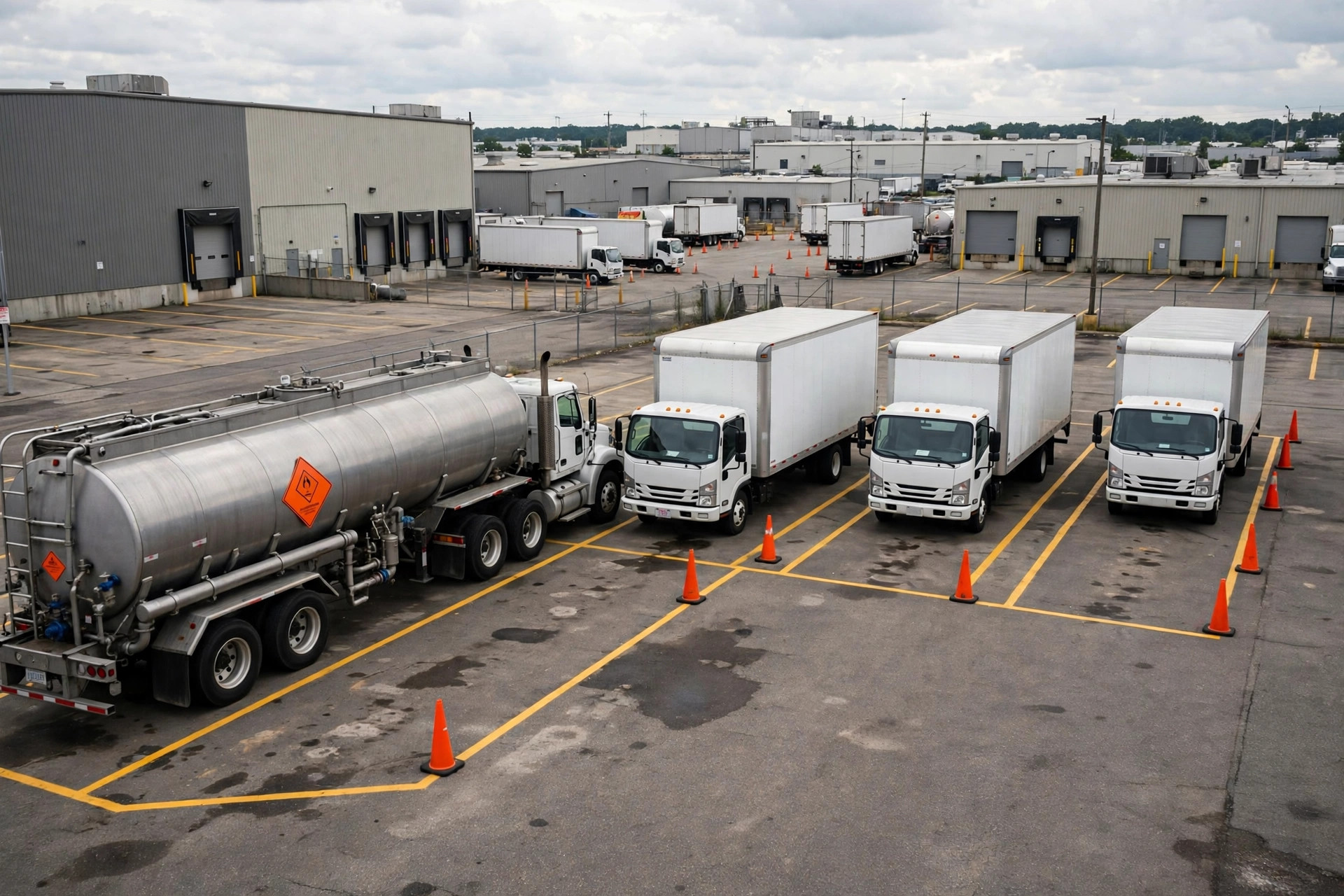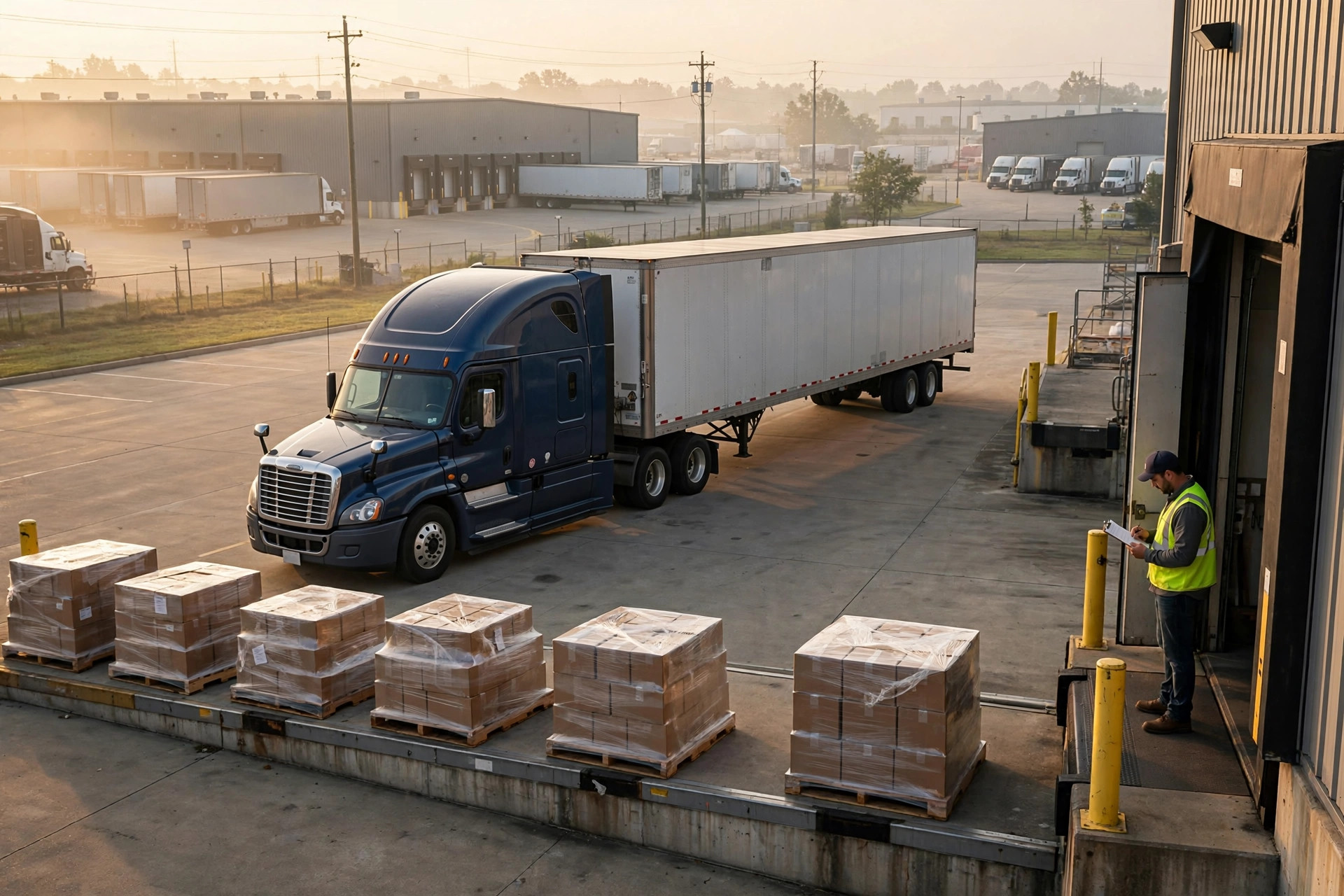
I'll tell you something — after all these years behind the wheel, the run I both love and hate most is the milk run.
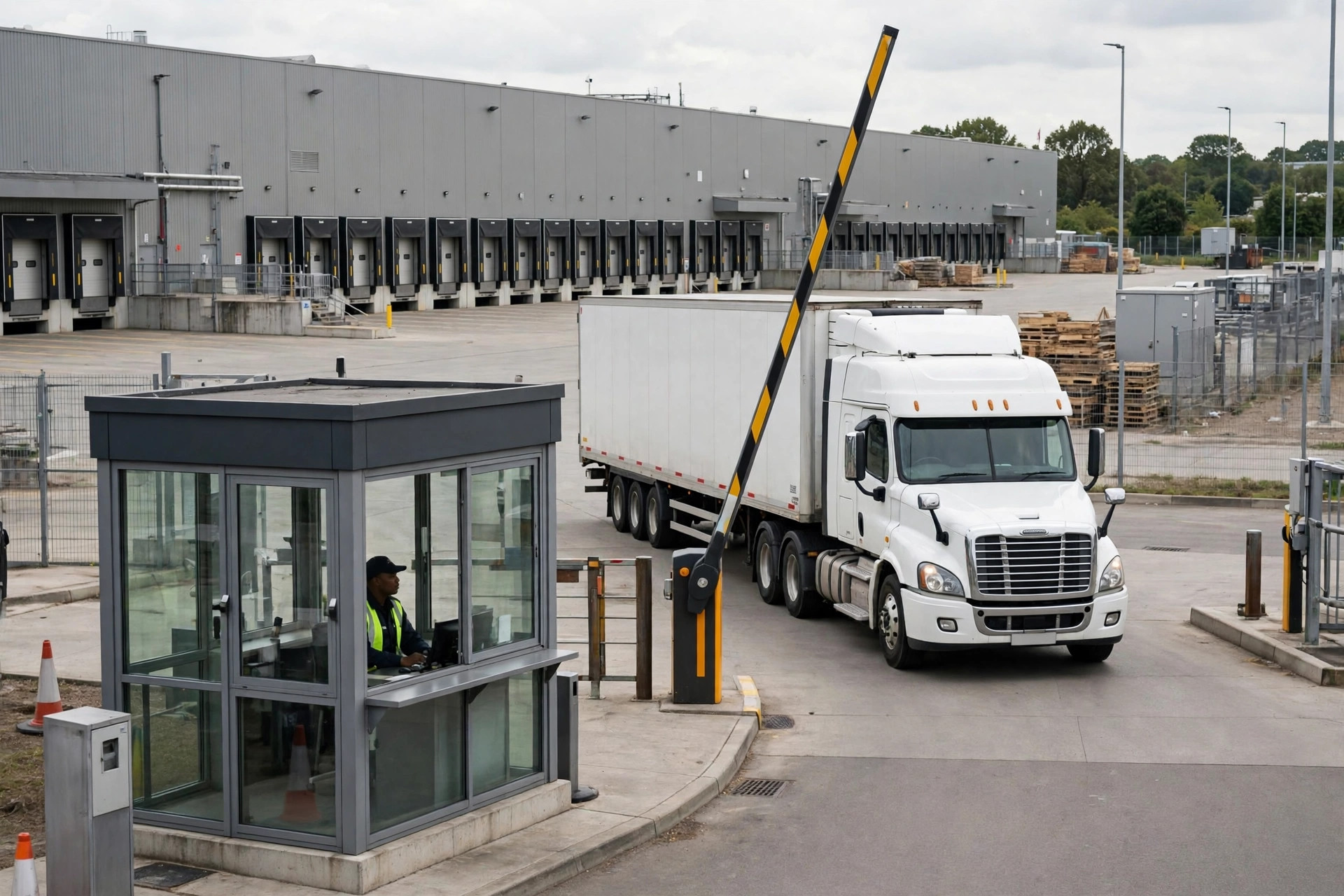
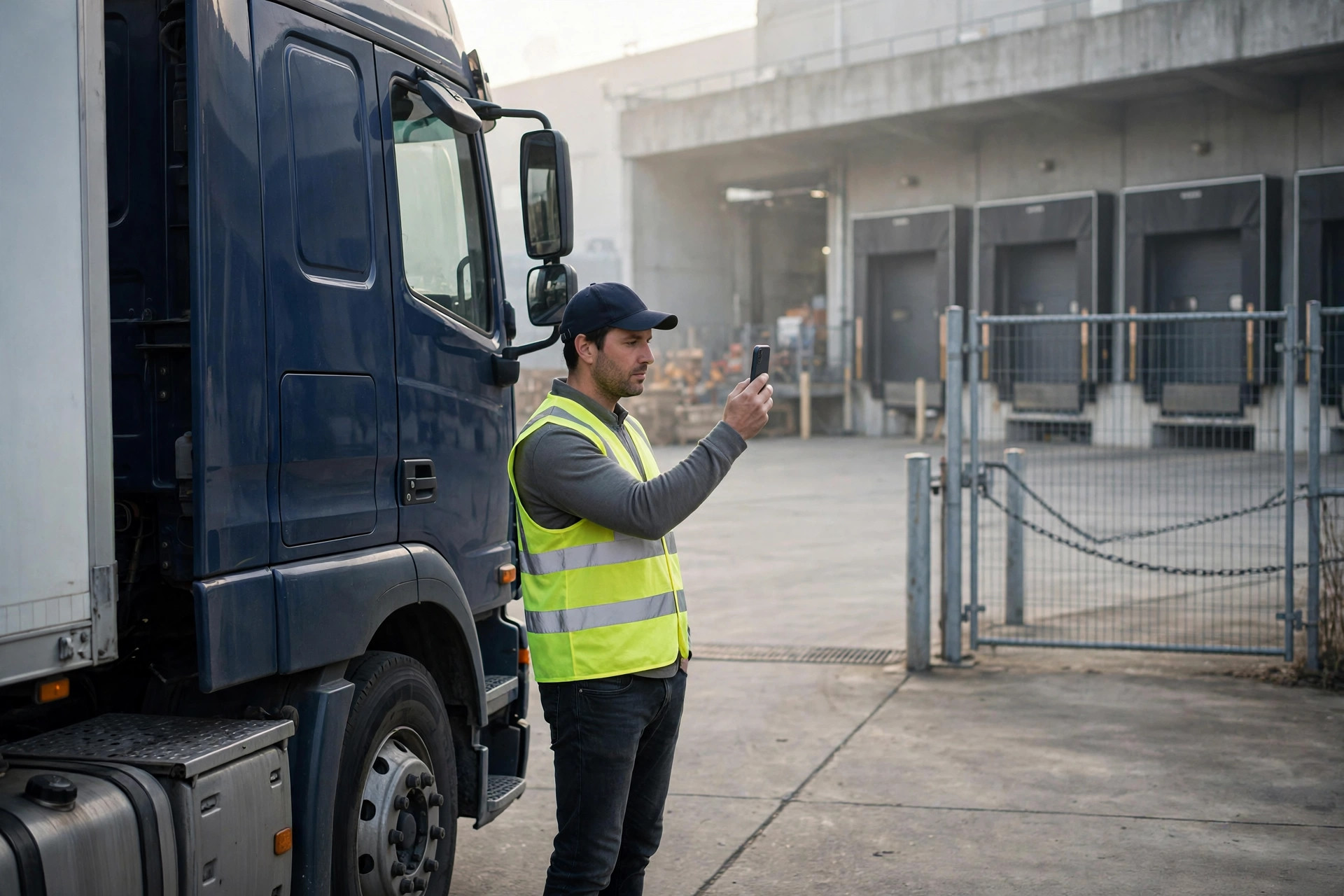
Last fall I was running a fixed milk run route for a forwarder down in an industrial park south of Chicago: one truck a day, swinging by four suppliers to pick up parts for an assembly plant. Out at seven in the morning, back in the yard at night, maybe a hundred miles round trip. Sounded sweet. Then on day two I nearly pounded the steering wheel — the second stop, a carton plant, said the freight was "almost ready." I waited two hours. The next two stops got pushed past quitting time, and the warehouses were about to lock their doors. Dispatch was stomping his feet on the phone. I said: I didn't plan this route. Take it up with whoever did.
Here's the thing about milk runs: the skill isn't in the gas pedal, it's in the sequencing and the waiting. Let me lay out what I've learned the hard way.
First, Get It Straight: A Milk Run Is Not a Drop-and-Hook
People mix these two up. A milk run and drop-and-hook are different animals. Drop-and-hook is when the tractor drops an empty trailer at the supplier's door and leaves — the freight gets loaded, and you come back later to hook it. The driver barely waits. A milk run is when the driver takes the truck stop by stop, waits, nudges people along, watches the load go on, and only heads back when the trailer is full. In short: drop-and-hook is about trailer turns; a milk run is about the driver's route and time.
Why are milk runs so popular around American industrial parks? Because one 53-foot dry van holds 26 standard pallets, while a lot of suppliers ship four or five pallets at a time — a whole truck for one of them is a waste, four of them on one truck is just right. You save on truck dispatches and empty miles. The bet you're making: one supplier running late, and the whole line pays for it.
The First Rule of Milk Run Sequencing: Don't Sequence by Distance, Sequence by Reliability
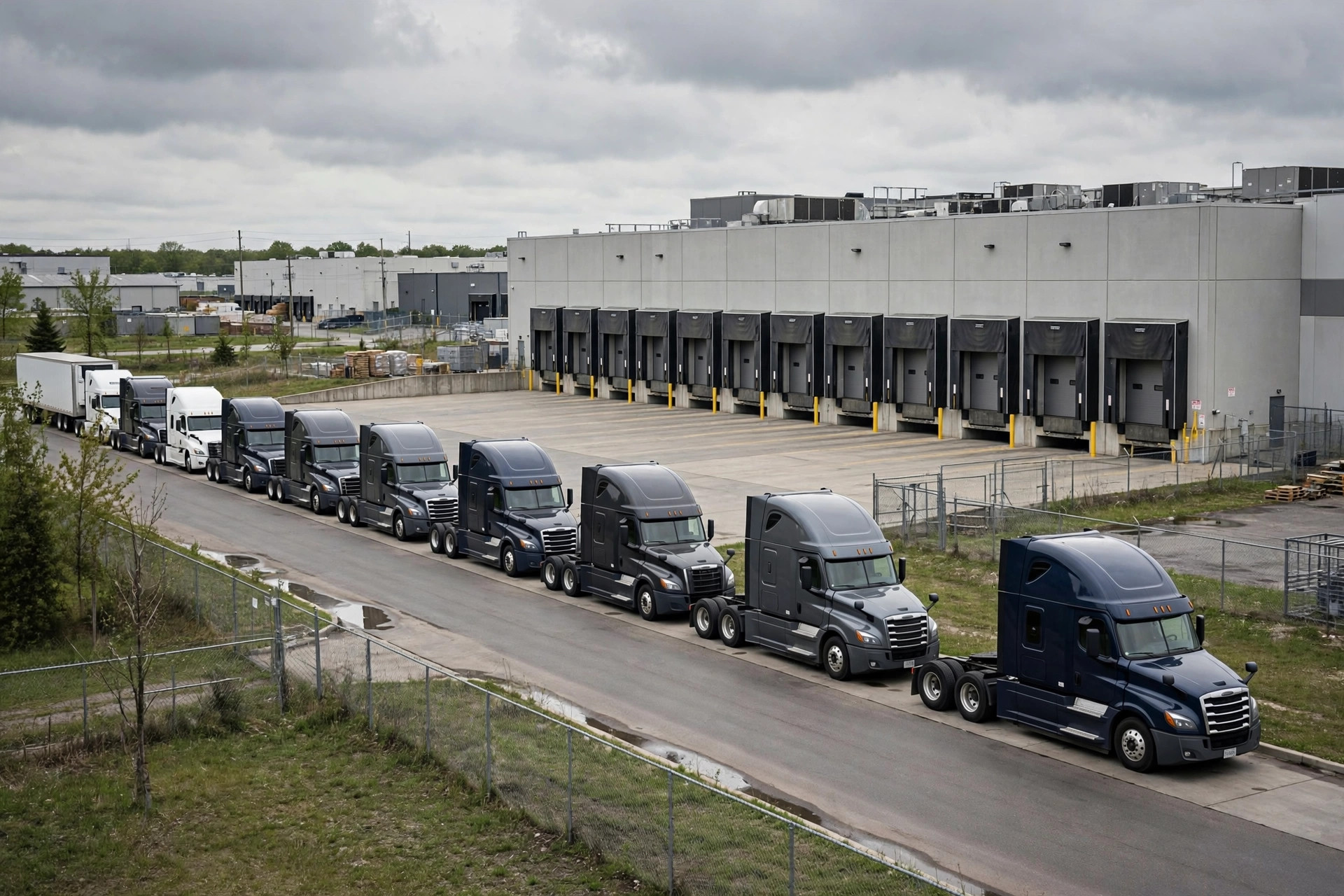
Two winters ago I took a bigger hit on a milk run route down in Texas. Five auto-parts suppliers, sequenced off the map, beautifully efficient on paper. Then the third stop turned out to be a chronic late-loader — late eight times out of ten, anywhere from half an hour to half a day. I slept in that parking lot three times. Missed the pickup windows at the next two stops. The last one got rolled, and I had to run an empty truck back out the next day to catch it. Dispatch redid the route, and the whole fix came down to one sentence: put the most reliable shipper first, and the most flaky one last.
Why? When the first stop loads on time, the whole route has an anchor — even if things slow down later, you know where you stand. When the last stop drags, worst case you're working late yourself, and it doesn't cascade — you're heading back to the yard anyway. Distance barely matters. An extra ten or fifteen miles of fuel costs nothing next to two hours of sitting still.
So a milk run sequence isn't about the shortest path. It's about the most certain wait time. Sounds backwards, I know — but anyone who's run one knows it: the shortest route is rarely the cheapest route. The route with the most predictable waiting is.
Who Pays for the Waiting: The Settlement Game in Milk Run Pickups
Waiting is the biggest cost in a milk run, and the easiest thing to fight over.
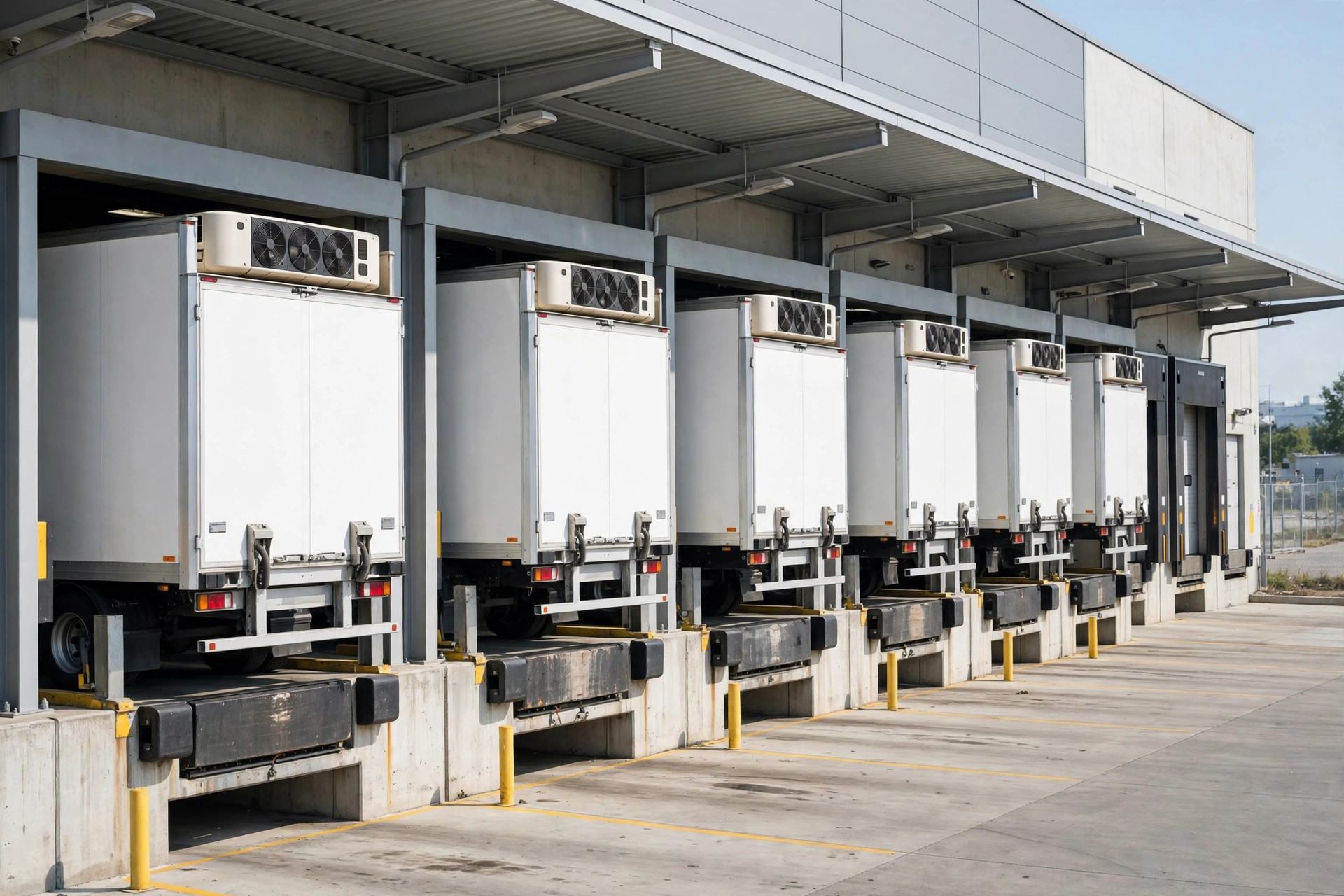
I once ran a food-ingredients milk run with three stops. One of them was a live load — nothing was ready when I got there, and loading took over three hours on the spot. Once the free waiting time ran out, detention charges kicked in by the hour, and by the end of the day that bill stung worse than the freight rate. The worst part? The contract said nothing about who pays. The carrier ate it.
Since then I've learned to ask dispatch three questions before taking a milk run job: first, what's the maximum dwell time per stop, and who pays when it's exceeded; second, is there a live load on this route; third, if a stop gets rolled, who arranges the recovery and who pays for the extra truck. If dispatch can't answer those, I'd rather pass on the job.
The advice is the same for shippers and warehouses: the milk run sheet has to spell out each stop's dwell cap and who owns the detention. A live load is a time black hole — either give it its own truck, or put it dead last on the route, where waiting only hurts you and not everybody else.
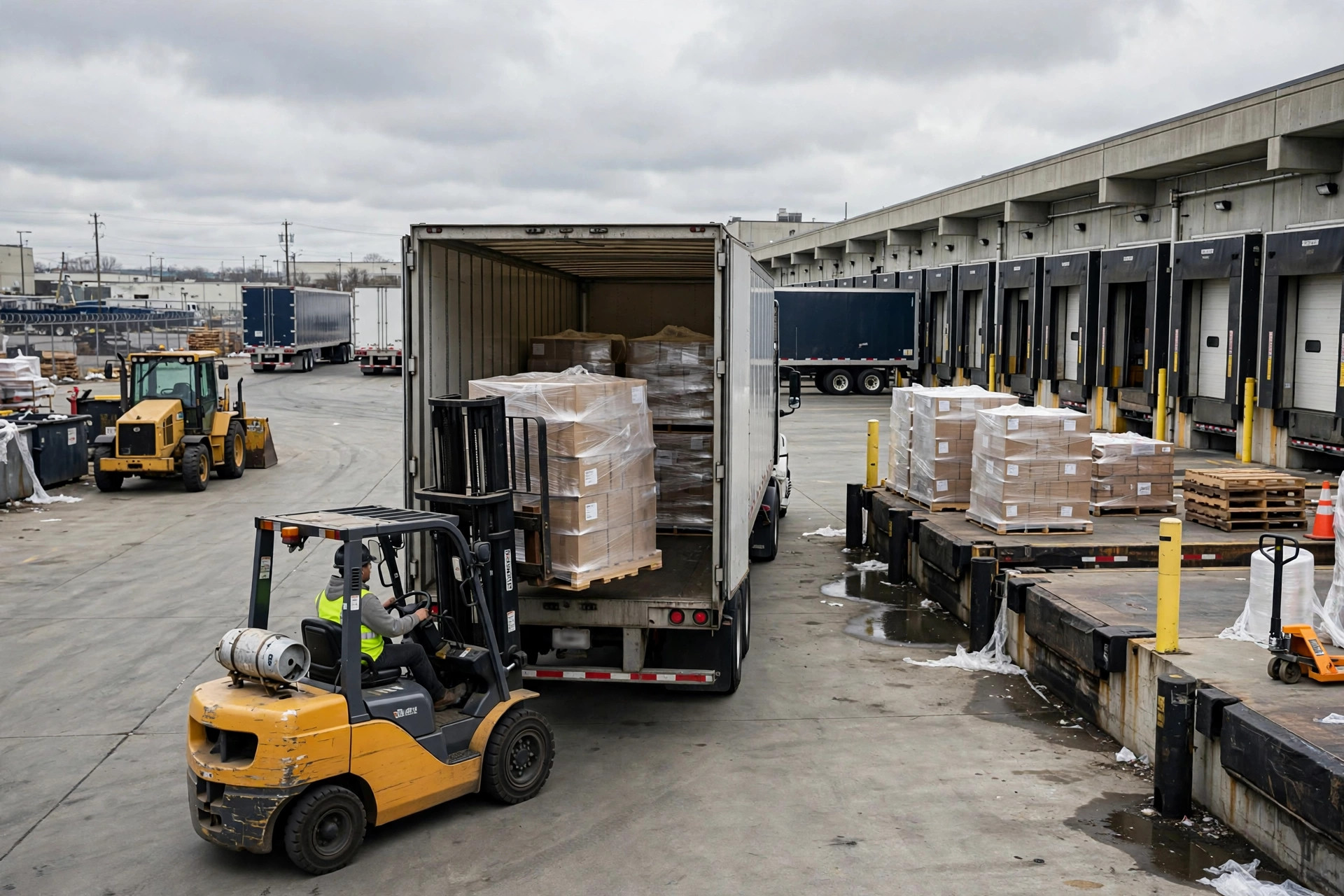
Run the Numbers: Separate Runs vs. a Milk Run
Take my four-supplier route as an example and do the honest math:
| Option A: four separate runs | Option B: one milk run, four stops | |
|---|---|---|
| Truck dispatches | 4 (or one truck, 4 trips) | 1 |
| Miles | Round trip per stop | One loop, one trip's miles |
| Wait risk | Each waits alone, no spillover | One late stop delays everything |
| Dispatch effort | Simple, send whoever's free | High, you watch readiness daily |
| Best for | Big volumes, tight deadlines | Small volumes per stop, flexible timing |
The honest conclusion: a milk run saves dispatch fees and empty miles, and it fits the "each one small, one truck full" case. But if even one stop has a hard deadline, or one supplier chronically can't get freight ready — don't force it. Whatever you save on freight rates, you'll give right back in waiting and rolled stops.
And here's a trade-off most people miss: the more suppliers, the better a milk run looks — but past five or six stops, the driver's hours don't fit the day anymore. U.S. drivers have a legal driving limit; add up loading, waiting, and road time, and a seven- or eight-stop route that looks thrifty on paper has the driver running flat out. Safety and on-time performance both drop. My rule of thumb: four to five stops a route is the sweet spot.
A Few Honest Words for Shippers and Warehouses
First, sequence by on-time readiness, then by the map. Put the flaky one last, the reliable one first.
Second, make the appointment windows wide, not tight. An extra half hour of buffer at each stop looks wasteful — it's actually the cheapest insurance you can buy.
Third, write three things into the contract: the dwell cap per stop, who pays detention, and who owns recovery when a stop gets rolled. A milk run on a handshake will end in an argument sooner or later.
Fourth, don't stuff live loads and drop-trailer work into a milk run. A time black hole will eat the whole route's margin.
Fifth, make the last stop close to the yard or the main warehouse. After a long day, the shorter that final leg is, the surer you are of getting back on time — and the earlier that truck rolls out tomorrow.
After all these years, I've got it figured out: a milk run isn't won by a fast truck, it's won by careful planning. There's an old saying — slow is smooth, smooth is fast. Sequence the route a little slower, think it through a little more, and the road itself goes faster.
By Shifu Zhao, Trucking Veteran (15 yrs)