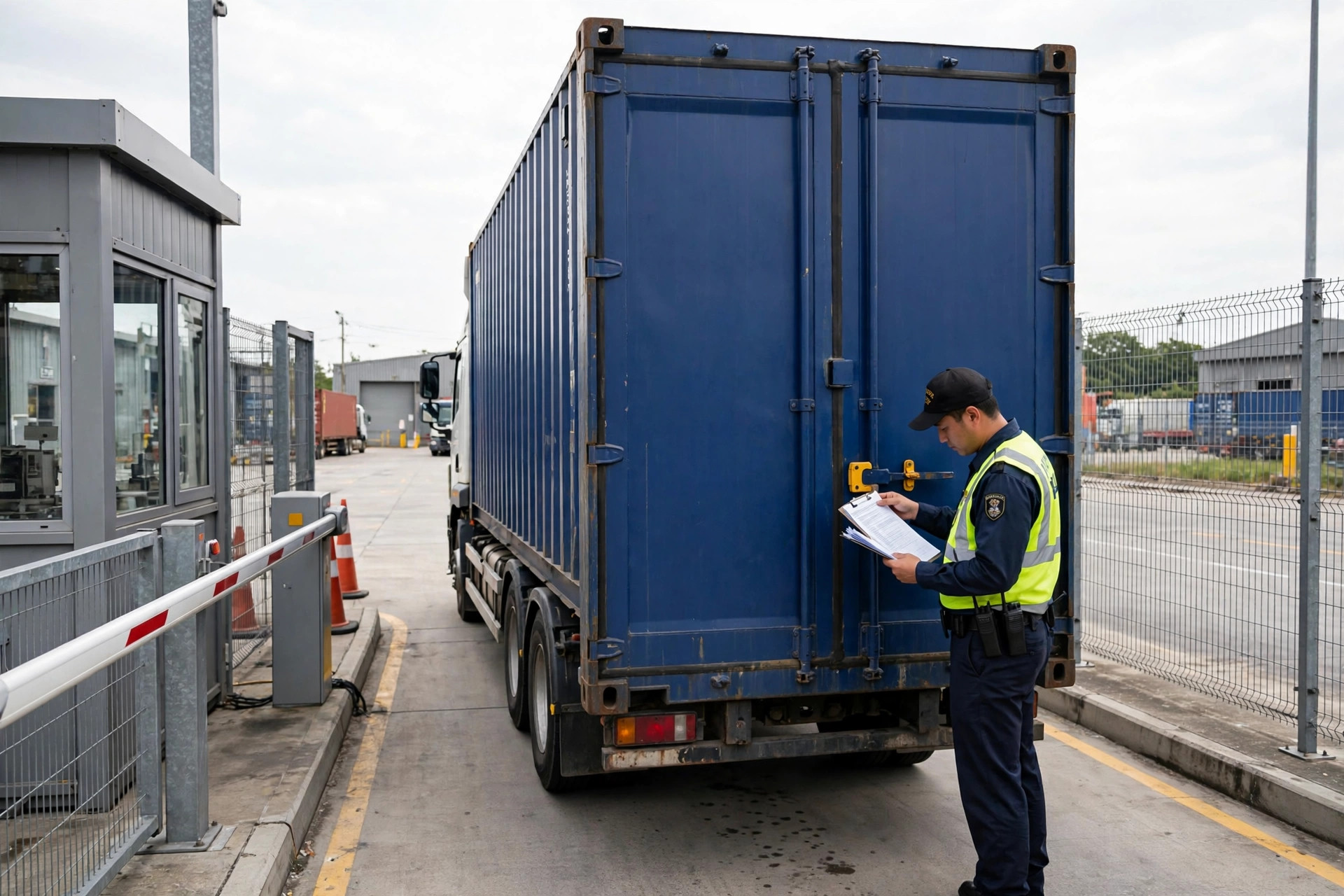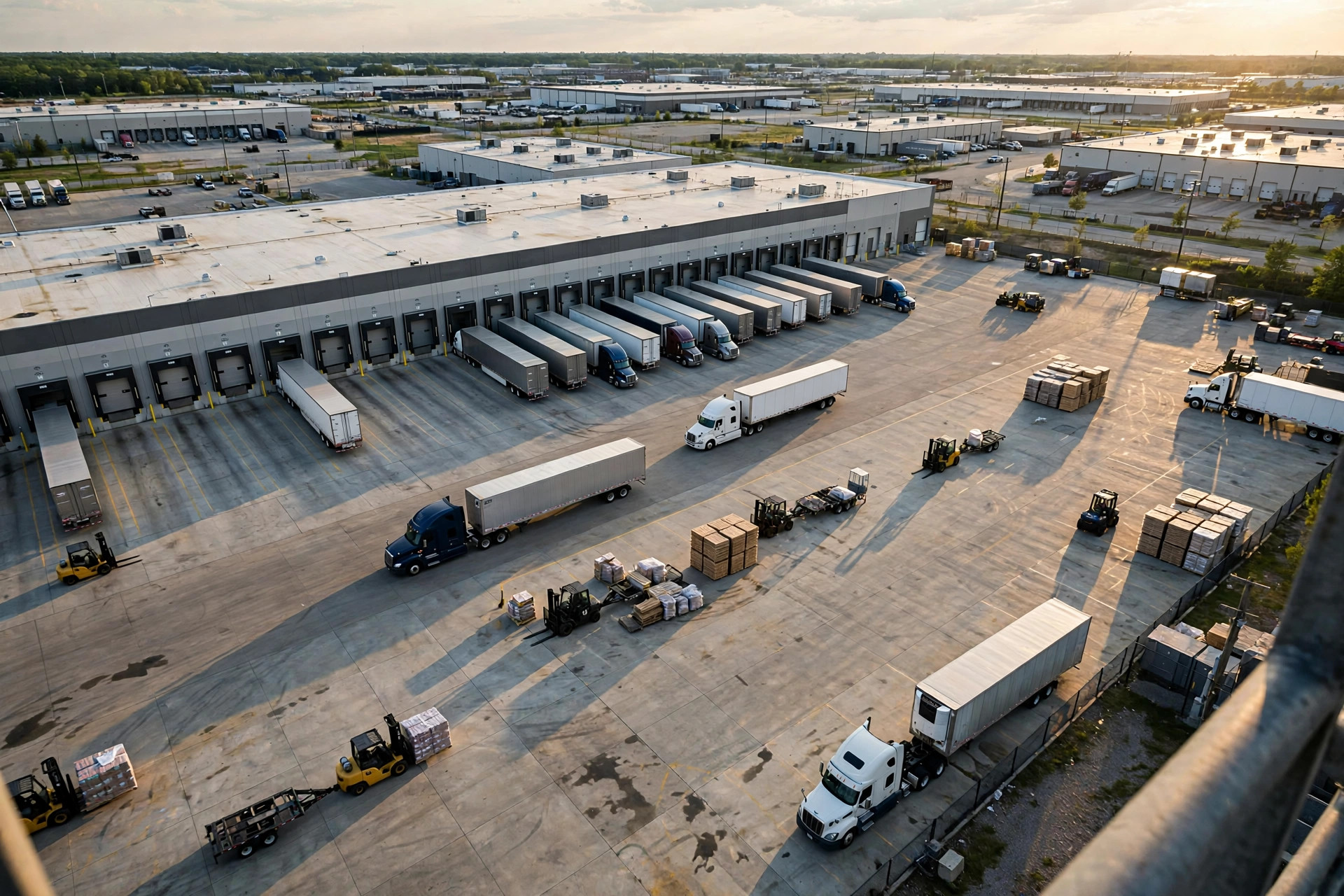
A staffed gate booth in California, three shifts a day, runs you well over $100,000 a year. And what does that money buy? A person checking appointment printouts against license plates at 4 a.m. — slowly, inconsistently, and with a line of honking trucks behind them.
That's the math that sold me on gate self check-in. Verifying an appointment against a plate is a rules problem, not a judgment problem. A system does it in three seconds. A human takes three minutes. The YMS gate kiosk just gives those three minutes back to the driver.
The booth job is brutal to hire for and worse to retain. Night shifts, weather, wages that never move — six months and gone is the norm. A yard manager I know went through four gate attendants in one year; each took two weeks to train, and quit just as they could work solo. The lowest-leverage role in the building sits at the single most critical choke point of the yard. That's the hardest argument for self check-in.
What the driver actually experiences
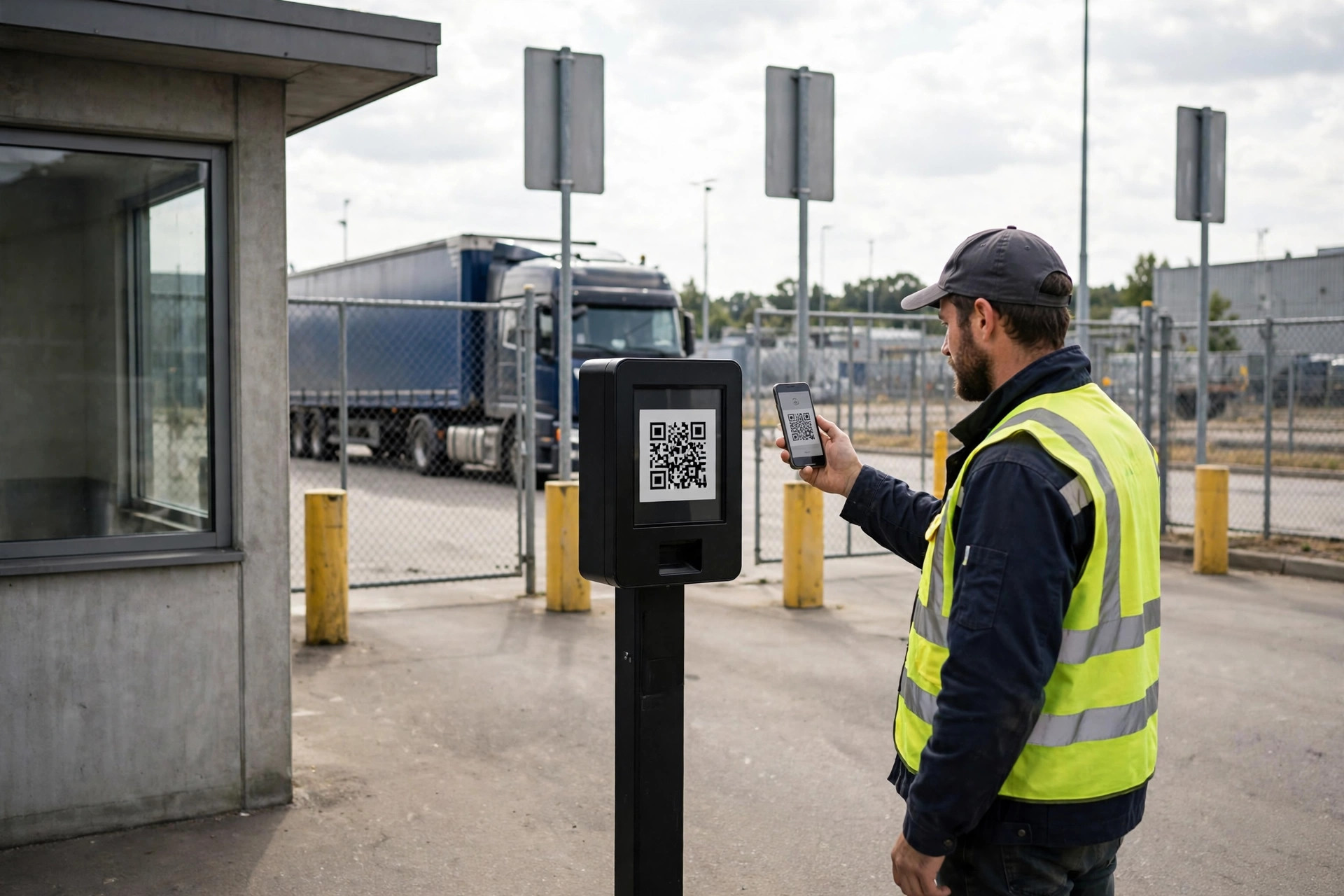
Before departure, the driver gets a text: appointment number, time window, a QR code link. At the gate, no need to step out — roll down the window, scan the code on the kiosk with a phone. Or skip the phone entirely where license-plate cameras are installed; the camera reads the plate as the truck rolls up.
In about three seconds the system checks three things: does this appointment exist, does the plate match the appointment, and is the arrival inside the time window. All pass — the barrier arm lifts and the driver gets a text with the assigned dock door and two lines of instructions. Anything fails — the kiosk screen shows the reason, the on-duty phone gets an exception push, and the driver hits the intercom for a human.
The QR code in the text has to be single-use with an expiry. Don't skip this: a static code gets screenshotted and forwarded, truck B walks in on truck A's code, and the gate is chaos. Single-use codes die on expiry — forwarded or not. Confirm this during procurement; plenty of cheap options don't have it.
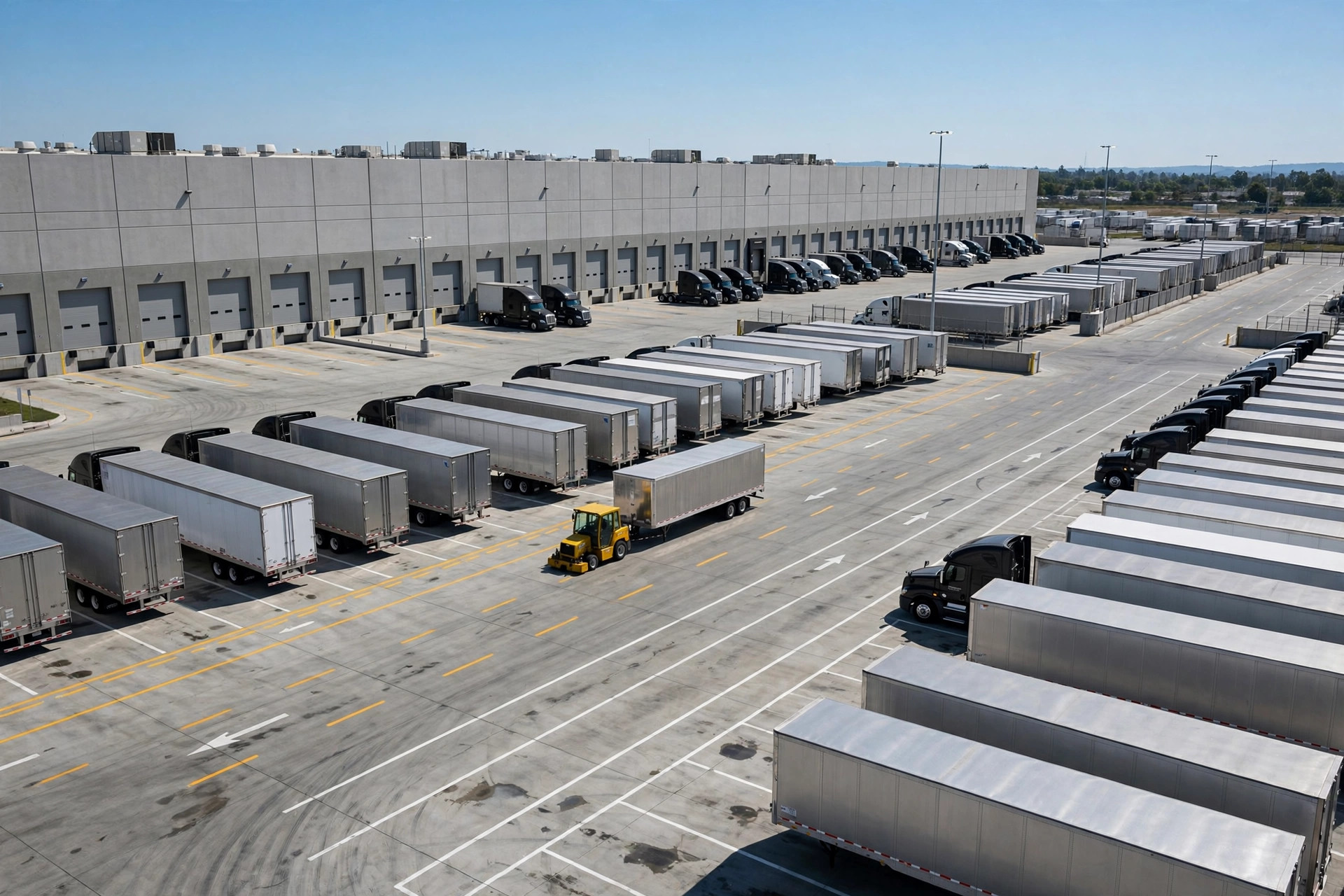
Nobody gets out of the cab, nobody at the booth lifts a finger. In 2023 I watched this flow run at a Mira Loma cross-dock with over 200 doors: the morning gate queue dropped from an average of 40 minutes to under 10. And note the word average — the worst trucks used to wait an hour and a half.
The three checks that matter
Time window tolerance. My recommendation: two hours early or late, three in peak season. Too strict and drivers sit idle at the truck stop, taking it out on your gate staff; too loose and appointments become decoration. Make it configurable in the YMS — never hard-code it.
Plate match. The plate on the appointment must match the truck that shows up; last-minute tractor swaps have to be updated in the appointment first. Drop-and-hook operations need extra care here — plenty of drivers remember the trailer number but not the tractor, so the rule has to be clear at booking time.
Special credentials. Hazmat or reefer loads get automatic expiry checks on the required permits; expired means intercepted and routed to a human. Not every site needs this one, but if you handle those loads, it's a red line.
Once an exception goes to a human, there has to be a response clock. Mine: the on-duty manager responds within 5 minutes, resolution within 15. A 'transfer to human' with no clock just moves the queue from the kiosk to the intercom — the driver experience doesn't improve one bit. Write the clock into the gate SOP, and make sure the YMS logs response time per exception.
Roll it out in four steps, in order
Step one: get appointment data clean. Scanning only automates what humans used to verify — if your appointment data is a mess, you'll just be letting the wrong trucks in automatically. Run the YMS appointment module smoothly for two weeks first; understand your no-show rate and slot utilization before adding self check-in.
Step two: pick one hardware path. Either phone-only scanning — cheapest, the "kiosk" is basically a QR stand plus an intercom — or an outdoor kiosk with plate recognition — most hands-off, the driver never touches a phone. My rule of thumb: under 100 trucks a day, phone-only is plenty; above that, go straight to plate recognition.
Step three: gate connectivity. A 4G backup isn't optional. One outage and every queued driver will be calling you. The kiosk must cache the day's appointments locally so it can verify and release trucks offline, then sync when the network returns — write that into the purchase contract.
Step four: the driver side. Bilingual text templates, plus a printed one-pager for first-time drivers. Plenty of veteran drivers don't read texts; a big-font flow chart posted next to the kiosk beats any training session.
Don't cut over all at once. Pilot for two weeks with acceptance criteria set up front: average morning queue time, scan success rate, exception-to-human rate, driver complaints. My bar: queue under 15 minutes, scan success above 95%. Miss it in two weeks and don't force it — go find whether it's the process or the hardware.
Three traps, bought with real money
Dead phones and dead zones. It will happen. Keep printed backup codes and one manual lane at the booth. Don't tell me "everyone's phone is charged these days" — a long-haul driver rolling in at 4 a.m. with a dead phone is a fact of life, and you'd better have an answer.
One truck, multiple appointments. Never design the scan flow for one truck-one appointment only. Drop trailers and consolidated loads are routine: one scan should pull up all linked appointments and let the driver confirm which ones. Design for the simple case and the yard will eat you alive in week one.
Night-shift exceptions with nobody home. Exception alerts can't just ring the booth speaker — they must hit the on-duty manager's phone. Night shifts run lean; a driver who can't work the kiosk screen, shouting through an intercom in another language, goes nowhere until the manager's phone buzzes.
One thing people forget: send the new flow to your regular carriers' dispatchers ahead of time. Drivers listen to dispatch, not to your gate. If dispatch doesn't know the process changed, drivers show up confused and the slickest kiosk in the world won't save you. One page, bilingual, two weeks early.
Do the math and it's straightforward: a six-figure annual gate labor bill against a kiosk setup that typically lands between a few thousand and ten thousand dollars installed. The hard part was never the arithmetic — it's whether the owner is willing to trade "people" for "process."
And where do the saved hours go? Move them into yard moves and exception handling — three people rotating on document checks become one person running exceptions and trailer moves. Gate staff know the chaos at the entrance better than anyone; putting them on dispatch beats hiring fresh.
My view: gate staff aren't eliminated, they're liberated. Three people rotating on document checks become one person handling exceptions and yard moves, and the freed-up hours go somewhere more valuable. Whenever an owner tells me "we have one person at the gate, it's fine," I ask one question: what's the longest line you've ever had at your gate? If it's more than five trucks and you're still verifying by hand, this project belongs on your list.