Let me confess three things upfront. First, my warehouse doesn't have a YMS. Second, the first time I heard the phrase "YMS exception management," I was at dinner with a friend who runs a big distribution center — he talked, I nodded and smiled, and I was Googling under the table. Third, I actually went home and studied it. And here's what I found: strip away the software, and the whole thing boils down to three moves — flag late arrivals early, track dropped trailers, and escalate when unloading runs too long.
We run a 3,000-square-meter warehouse and cannot burn money on enterprise software. So we copied those three moves with a group chat and a whiteboard, ran the knockoff for over half a year, and — surprisingly — it works. Here's our playbook, free for every small warehouse owner in the same boat.
The Three Moves of YMS Exception Management, Translated for Small Warehouses
At its core, YMS exception management is one sentence: when a truck or a load deviates from plan, someone knows immediately, someone acts immediately, and the whole thing gets logged. The three moves map to the three most common deviations: the truck is late, the trailer got dropped and forgotten, and unloading is dragging on forever.
The expensive software manages exactly these three things. Our translation is even simpler: keep information flowing, assign every problem to a person, and escalate when a timer runs out. Sounds like slogans? Fair. Let me show you the tuition we paid first.
Late Arrivals: YMS Exception Handling Uses Alerts, We Use Driver Check-ins
August 2024, Dongguan, brutally hot. A reefer truck was supposed to reach us at 7 a.m. The driver blew a tire on the highway, was afraid of getting chewed out, and said nothing — he wrestled with roadside rescue on his own and rolled in at 11. Four hours late. We had six outbound loads scheduled that day, all waiting on that truck's cargo. The loading crew stood around all morning; by afternoon, shippers were calling nonstop asking whether their freight was moving at all.
That day I learned the real lesson: being late isn't the disaster. The disaster is nobody knowing you're late while the whole warehouse keeps running the original plan.
A YMS flags the truck red the moment it deviates from its estimated arrival, and the dispatcher reshuffles the plan in advance. Our knockoff version has three rules:
- When the driver sets off, he posts "departed + expected arrival time" in the group chat, with a starting-location screenshot.
- He reports his position every two hours — a quick message at every rest stop.
- Thirty minutes past his estimate, I call him directly. One hour past, we trigger plan B: reshuffle the crew, warn the shippers.
Late arrivals still happen. But "the whole warehouse waiting in the dark" hasn't happened since. An alert doesn't eliminate delays — it turns a surprise into a known. Known problems are solvable.

Dropped Trailers: YMS Tracks the Handoff, We Fight Forgetfulness
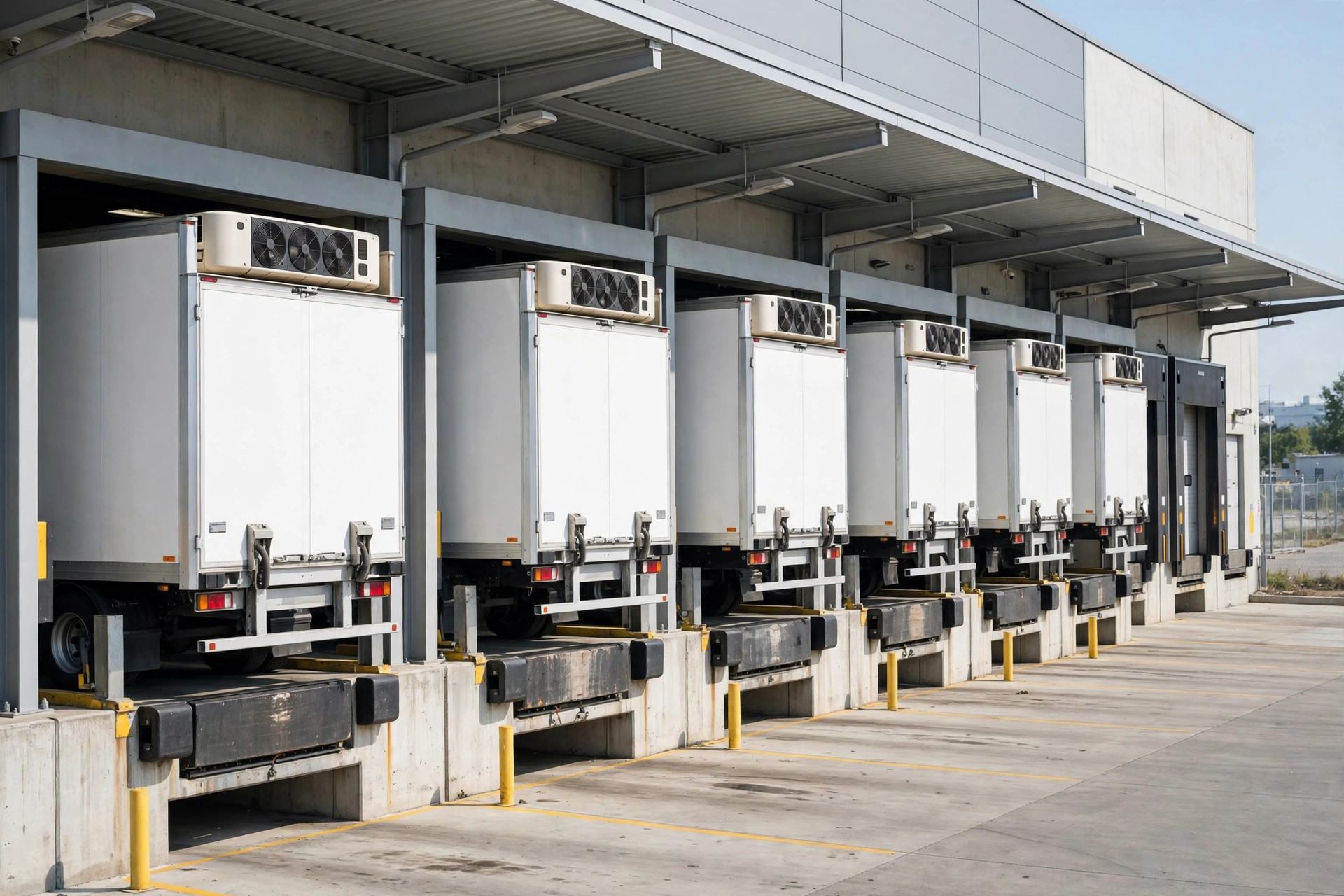
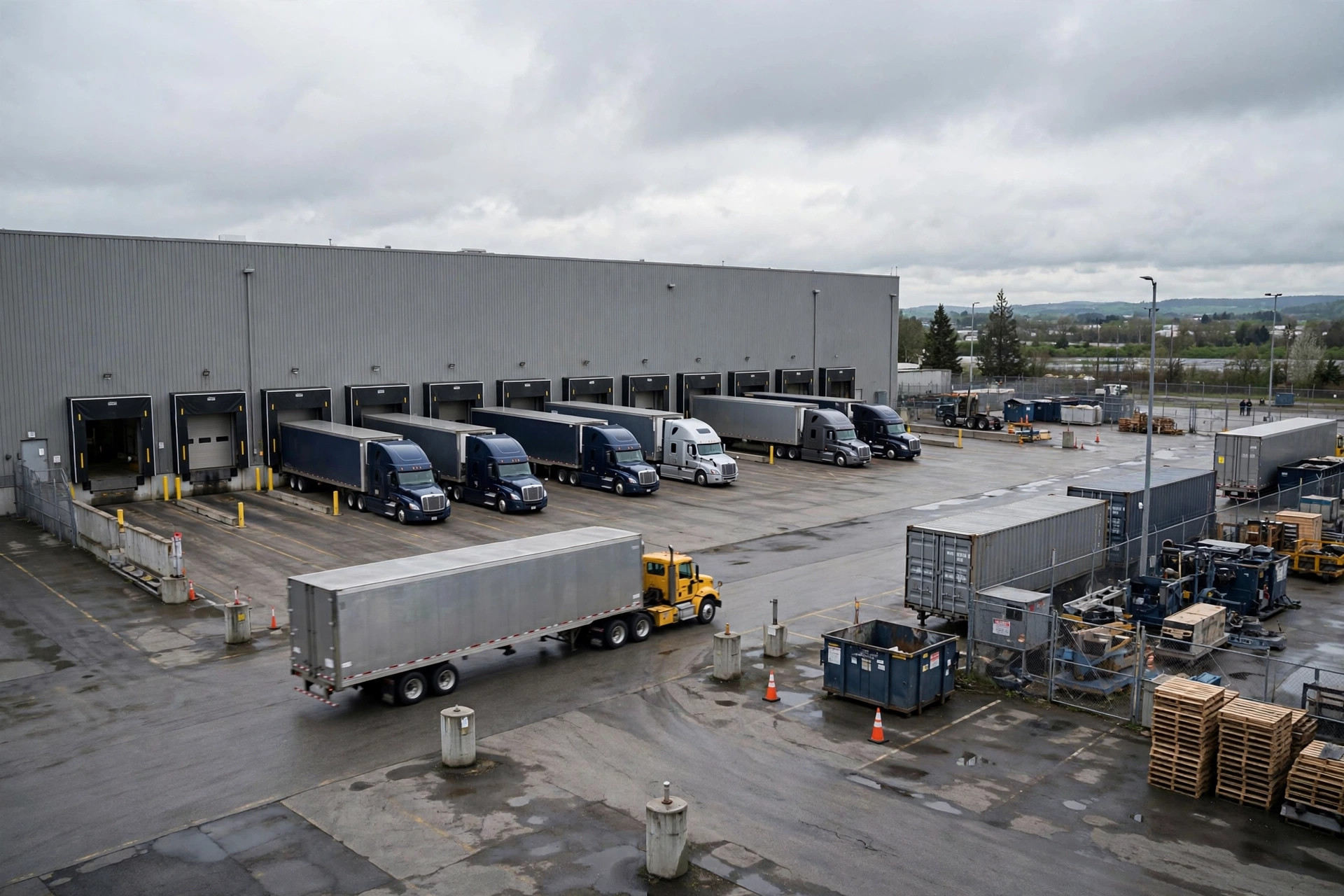
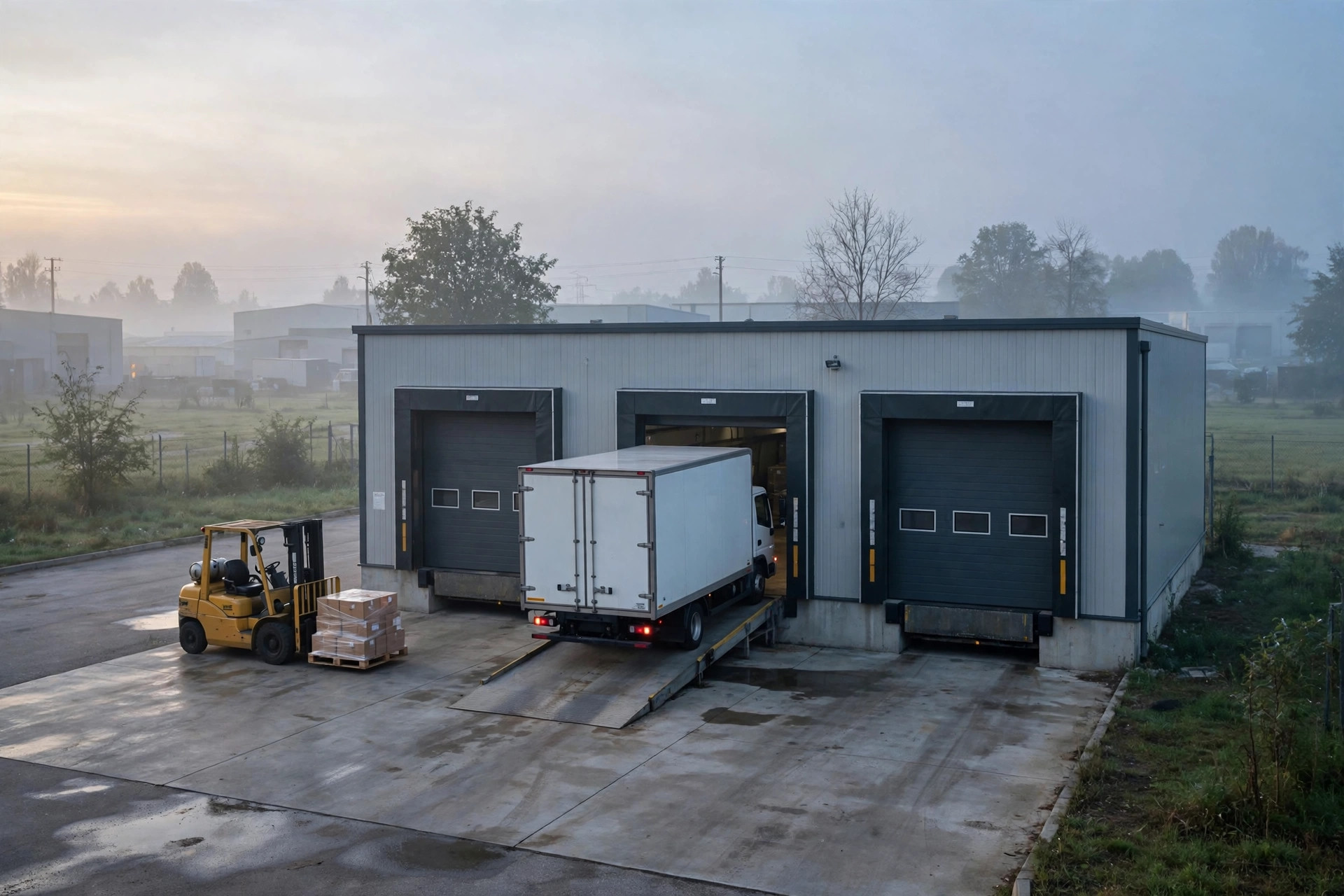
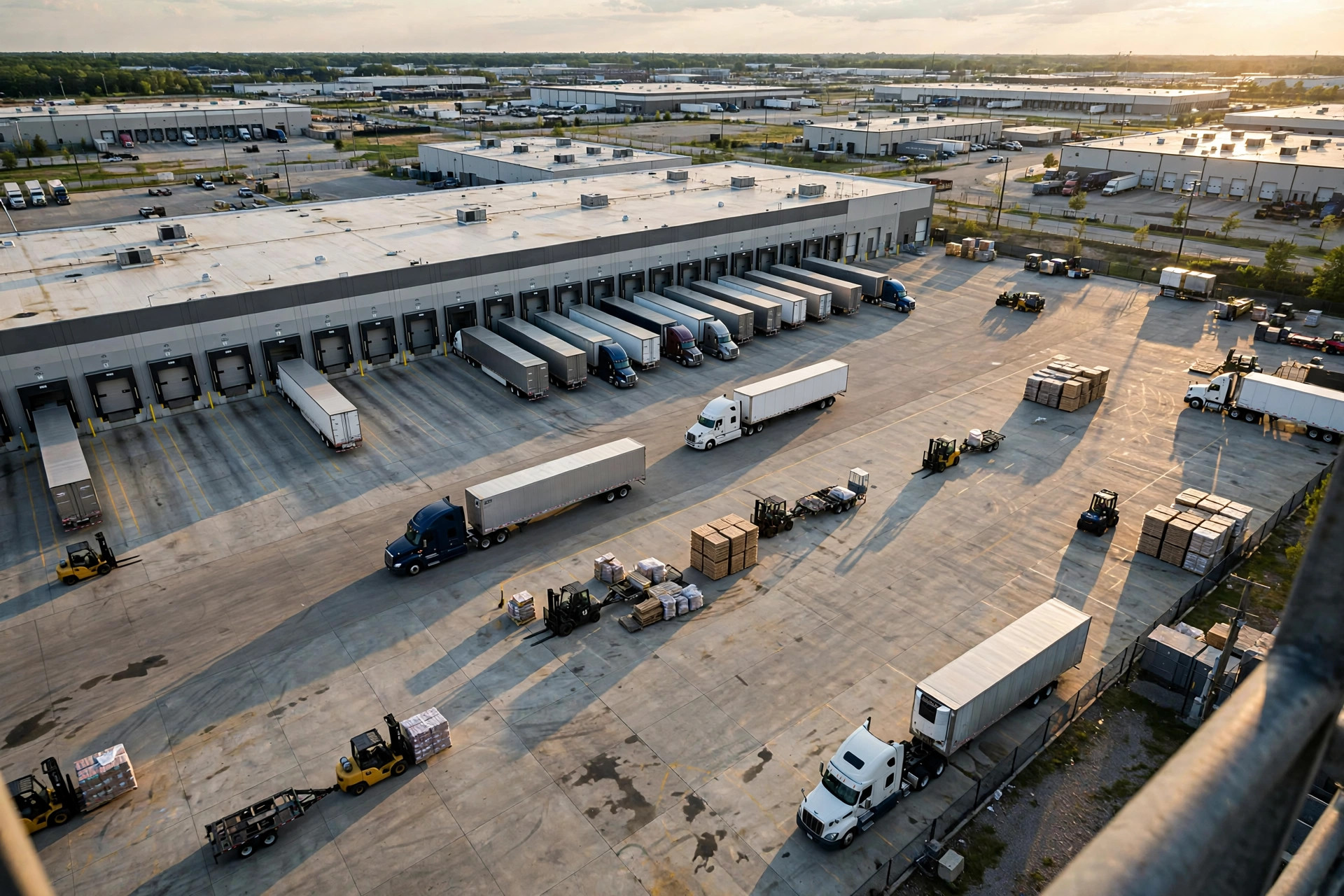
Drop-and-hook is routine at big warehouses: the driver drops the trailer at a dock door, drives the tractor off to the next job, and comes back later to hook up again. In a YMS, every dropped trailer is tracked — where it sits, when it's due back, who's responsible if it's overdue. We had no such concept until March 2025, when we paid for the lesson: a driver dropped his trailer at door 3, promised to be back in two hours, then got stuck in a queue at the loading site and came back five hours later. Door 3 was blocked by an empty trailer all afternoon. Two trucks behind couldn't get in to unload. One driver stood at our gate yelling at us for half an hour.
Now we have our three-piece drop-trailer kit — crude, but it works. Photograph the rig (plate, trailer number, parking spot) and post it in the group chat. Write the promised return time on the whiteboard in big letters. If it's an hour overdue, call and chase. Plus our original invention, the "milk-tea clause": come back late, buy milk tea for the whole crew. Laugh all you want — it has a 100% compliance rate and beats any formal penalty. Our drivers are now terrified of buying drinks.
Overdue Unloading: YMS Escalates on a Timer, We Escalate With the Boss Showing Up
November 2024. A shipment of 800 cartons arrived packed so tightly the crew spent over five hours digging it out by hand. Two trucks queued behind fumed, and one driver nearly got into a shouting match with our people. That evening I did the math: one dock door blocked all afternoon equals roughly one and a half loads of business lost. An idle door is a cost too.
In YMS exception management, overdue unloading triggers a timed escalation: exceed the threshold, and a supervisor gets notified automatically. Our version is more direct: a normal load should be done within two hours. Past two hours, the shift lead must show up. Past three hours, I show up personally. Showing up isn't for yelling — it's for solving: add hands, swap tools, negotiate split unloading with the shipper. Yelling never unjammed a tightly packed trailer.
The Three Exceptions, Side by Side: YMS Logic vs. Our Knockoff
| Exception | What YMS exception management does | What our small warehouse does | Escalation line |
|---|---|---|---|
| Late arrival | Auto-alert on ETA deviation, dispatcher reshuffles plan early | Departure check-in + position every 2 hours, call at 30 min late | 1 hour late triggers plan B |
| Dropped trailer forgotten | Trailer location + return time tracked in system | Photo in group chat + whiteboard log + milk-tea clause | 1 hour overdue, call and chase |
| Unloading timeout | Timer exceeds threshold, auto-escalates to supervisor | Shift lead on site at 2 hours, boss on site at 3 hours | Show up to solve, not to yell |
Doing the Math: What Does This Knockoff Actually Cost
| Item | Buying a YMS | Our knockoff |
|---|---|---|
| Software cost | I asked around — one implementation would cover our rent for years | Zero. A group chat, a whiteboard, one marker |
| Labor cost | Saves a dispatcher, but you have to feed the system | The boss doubles as dispatcher; phone bill not included |
| Exception response speed | The system watches 24/7, alerts even when nobody's around | Fast when the boss is awake, slow when he's asleep |
| Biggest weakness | Expensive, and our volume can't justify it | Runs entirely on people — when someone leaves, discipline slips |
The math is clear: it's not that we don't need YMS exception management. It's that we can't afford it or justify it. But "can't afford the software" is not the same as "can't manage exceptions." Keep information flowing, assign every problem to a person, escalate on a timer — none of that costs a cent.
A Counterintuitive Take
After half a year of this, I have a counterintuitive conclusion: the real cost of exception management was never the software. It's the thirty minutes when nobody owns the problem. No system, however expensive, can buy you a person willing to pick up the phone at 2 a.m. And that's exactly our biggest flaw too — when the boss is on site, everything hums; when the boss travels, the group chat goes silent as a grave.
So our rule now: the escalation lines are written on the whiteboard in permanent marker. They don't depend on whether the boss is around. Timer runs out, escalation happens. Systems guard against "nobody's here"; people-watching guards against "can't afford the system." We chose people-watching, which means we must turn people into rules — otherwise everything collapses the day someone quits. That's the fundamental trade-off between small and big warehouses: they spend money to buy peace of mind; we spend discipline to save money.
Four Pieces of Advice for Fellow Small Warehouses
- Don't study software first. List your exceptions from the past six months — how many late arrivals, forgotten drop-trailers, unloading timeouts. The numbers will tell you what to fix first.
- Set alert thresholds loose rather than tight. Cry wolf three times and nobody listens anymore.
- Escalation must name a specific person. "Shift lead shows up" works; "relevant personnel will handle it" means nobody.
- Review your exception log monthly. Whichever category is biggest gets the spotlight next month.
Big warehouses have YMS exception management; we have a group chat plus a whiteboard — but we're managing the same thing: don't let exceptions rot unseen in a corner. Small warehouses have their own way of surviving: save the money, never skimp on the rules.
By Xiao Ma, Small Warehouse Owner