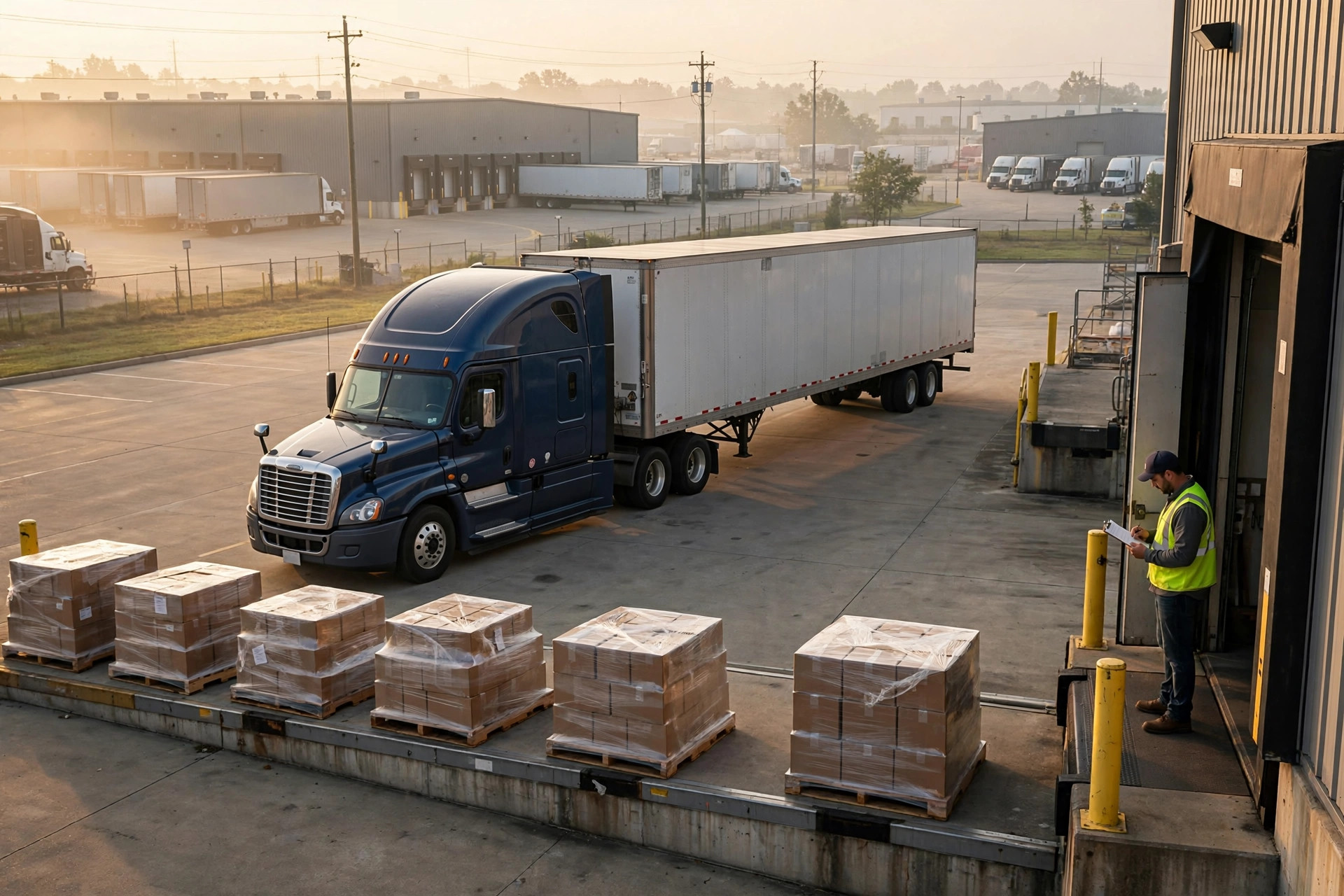
A trailer sits at your gate for four hours. What did that just cost you?
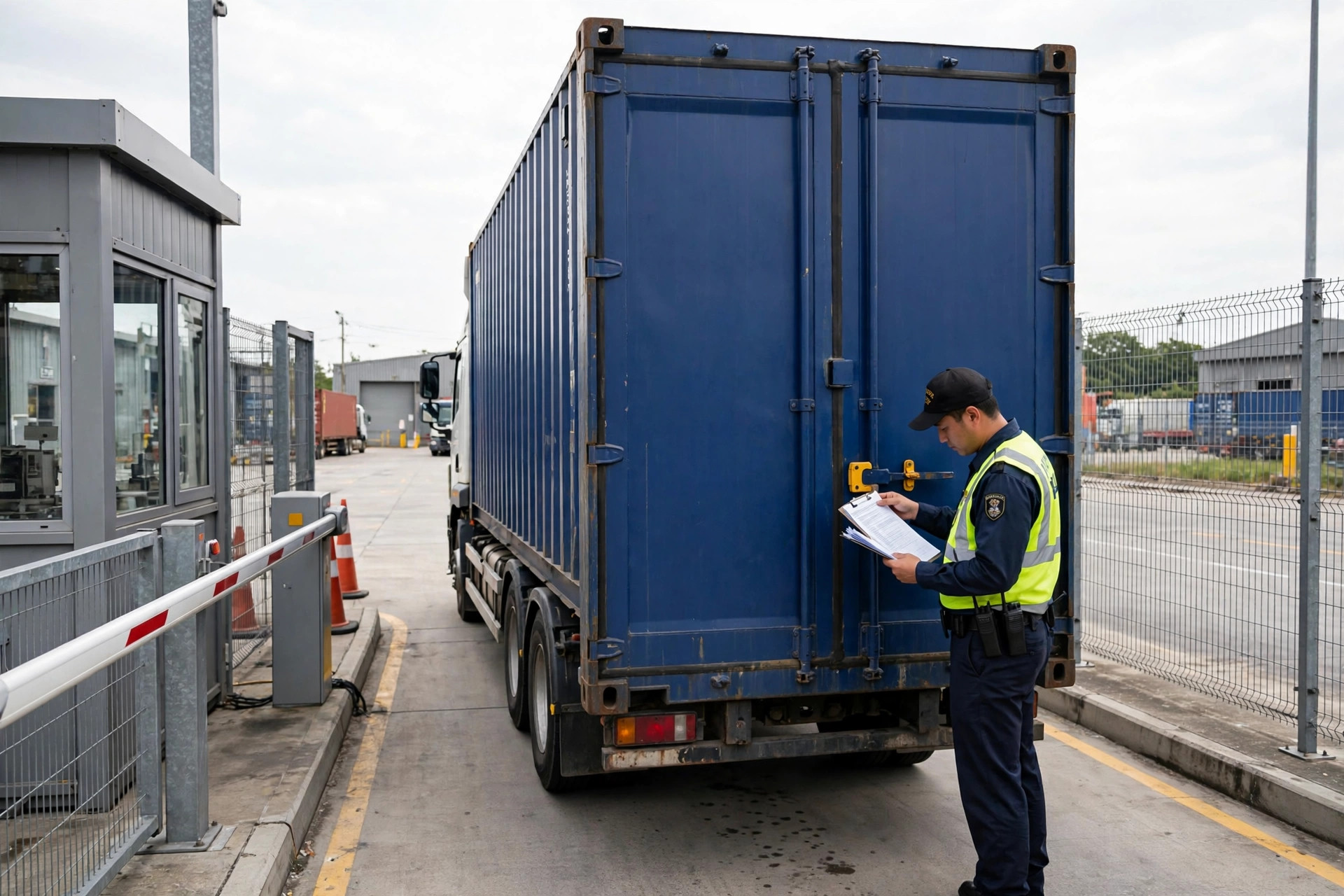
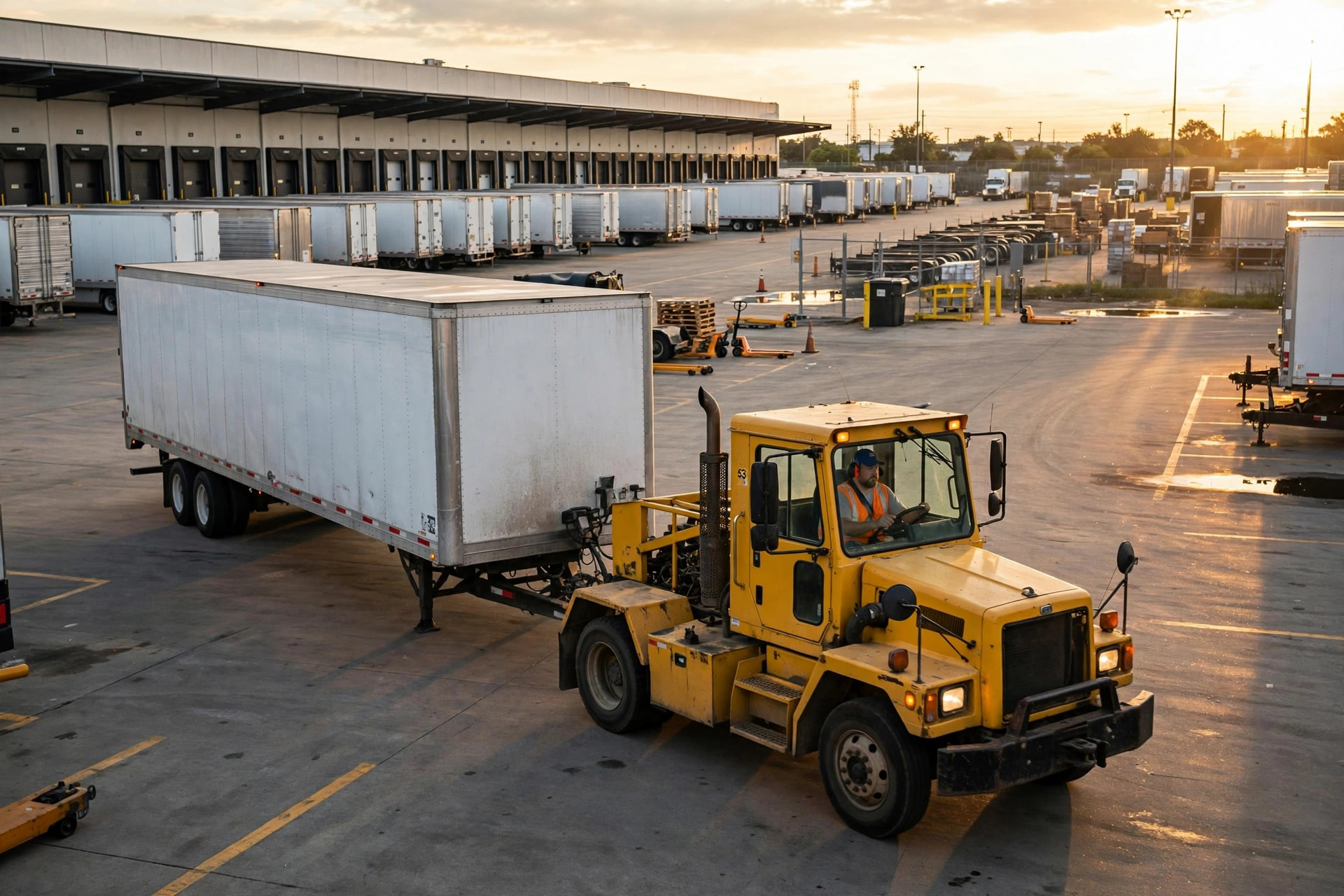
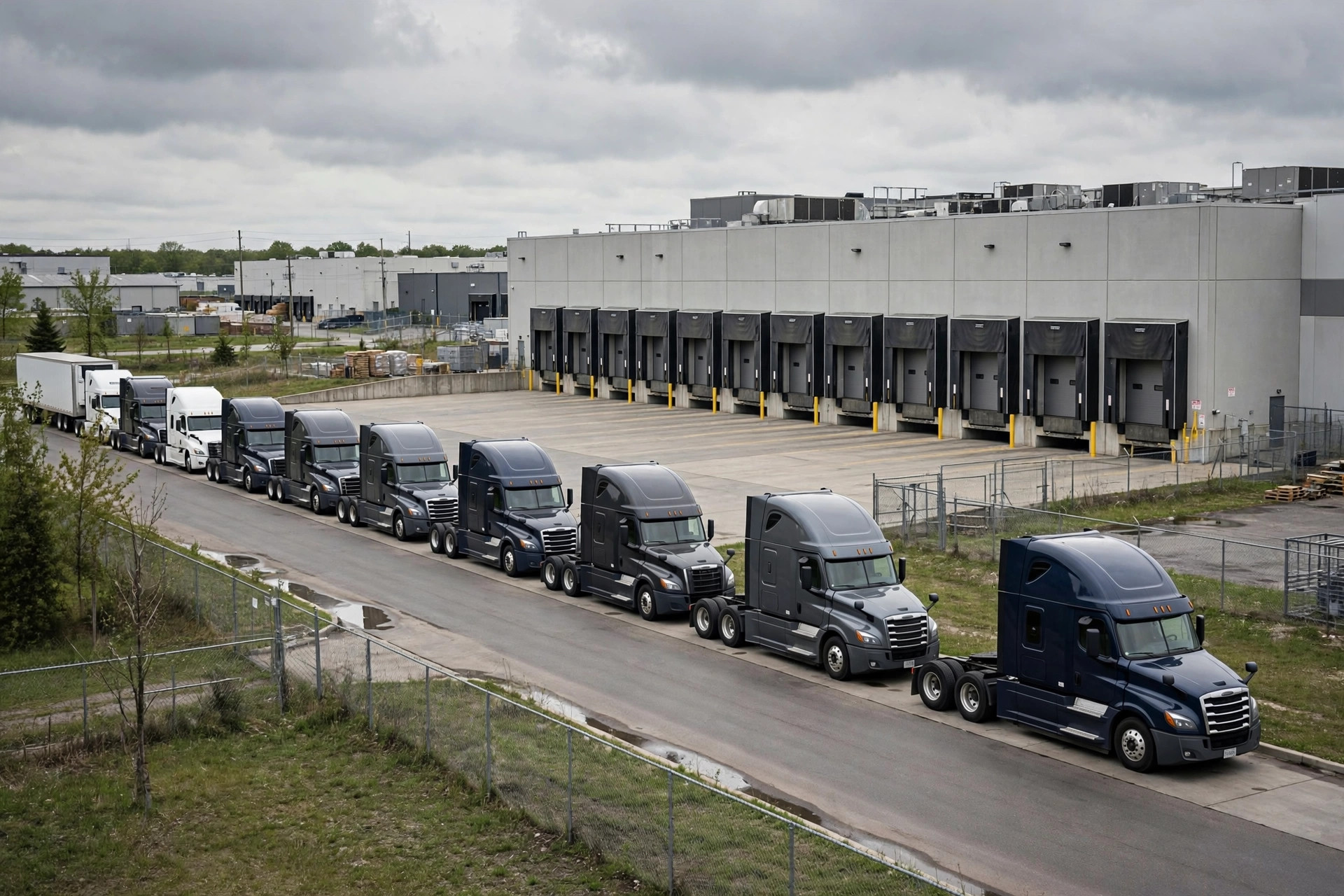
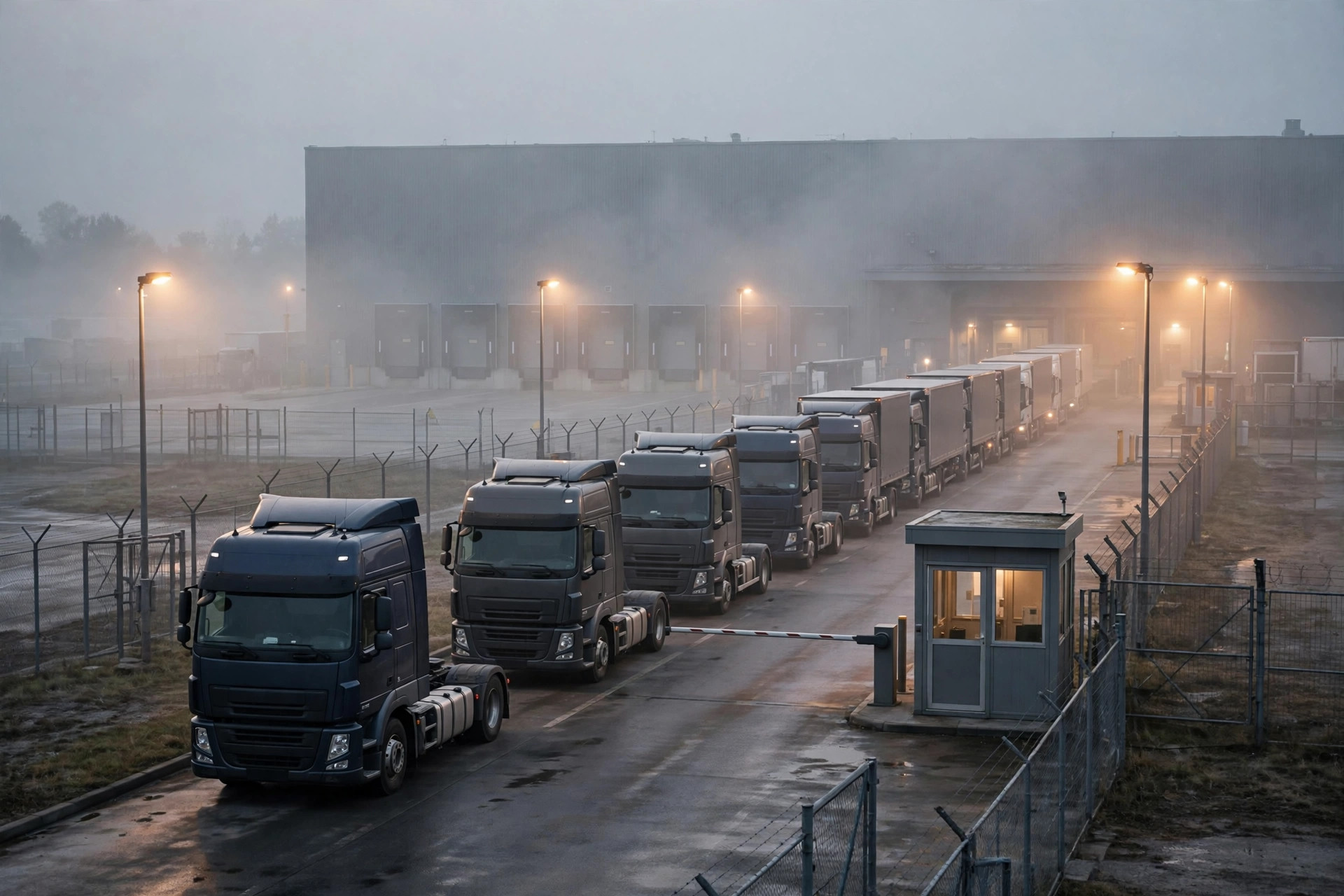
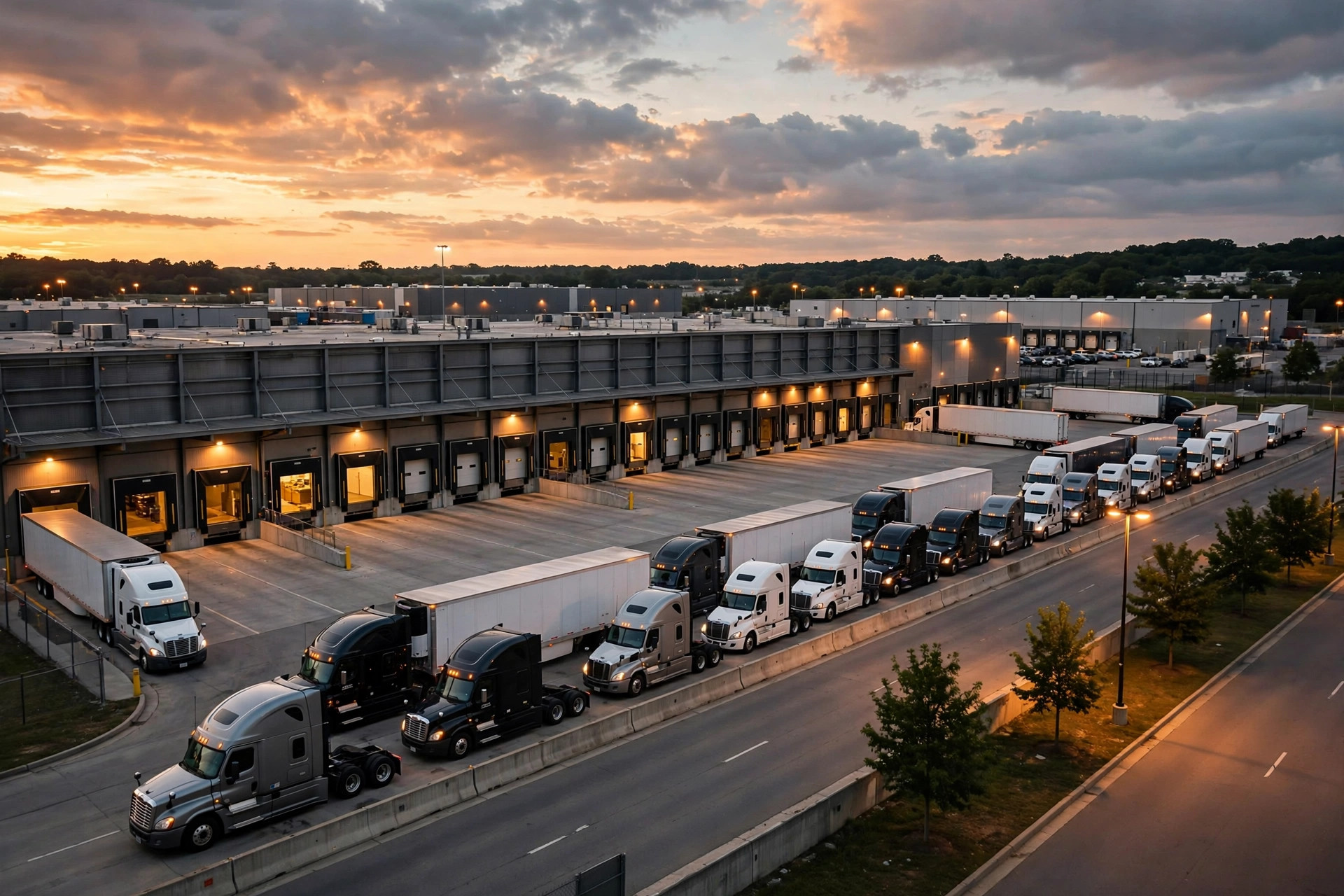
Last peak season I visited a 3PL in Ontario, California — 250,000 square feet, 170-plus trailer moves a day. At 3 p.m. there were nine trucks lined up outside the gate. The driver at the front told me he'd arrived at noon and the dock was still telling him to "wait a bit." The guard later confirmed: he'd been there nearly four and a half hours.
The warehouse manager walked me through the math afterward. And that's when it clicked — whether a YMS is worth it isn't a feeling. It's arithmetic.
The Four-Hour Bill Has Three Lines
Line one is detention. Most carrier contracts give you one to two hours of free wait time, then bill by the hour — tens to over a hundred dollars an hour is the typical range, but your actual rate lives in your carrier contracts, not in this article. A four-hour wait means roughly two to three billable hours. If twenty or thirty trucks a day sit through that during peak season, you're burning tens of thousands of dollars a month. Easily.
Line two is the domino effect. Trucks at the gate can't get in, emptied trailers inside can't get out, and the next wave of appointments shows up anyway. The chain ends somewhere ugly: outbound orders miss the carrier cutoff, the night shift runs overtime, and retail customers hit you with delivery-window penalties that run into the hundreds of dollars per violation. While drivers idle at the gate, your own people idle inside — nobody just never puts the two bills on the same page.
Line three is the quietest and the most expensive. Under FMCSA hours-of-service rules, a driver has a 14-hour work window. Four hours at your gate eats nearly a third of it. Drivers don't argue with you — they just remember. Word travels fast in driver circles, and once your facility gets a reputation as "hard to get into," peak season means paying premiums for trucks or getting no takers at all. That cost never shows up on a report. Every operator I know has paid it anyway.
A YMS Does Two Things. That's It.
First, appointments. It spreads trailer traffic across time slots instead of letting everyone pile in between 6 and 10 a.m. Sounds trivial, but before a system, appointments run on phone calls and spreadsheets — which collapse the moment peak season gets busy. A YMS ties appointment slots, door assignments, and priorities into one flow: the driver shows up at the agreed time and there's a door waiting.
Second, a live queue. After check-in, the system sequences trucks by appointment and dock status and calls them in when it's their turn. No more drivers walking to the guard shack every twenty minutes, no more guards managing a line by shouting. I've seen a Fontana e-commerce DC take average turn time from 2.5 hours to just over one — the line stretching onto the street basically disappeared.
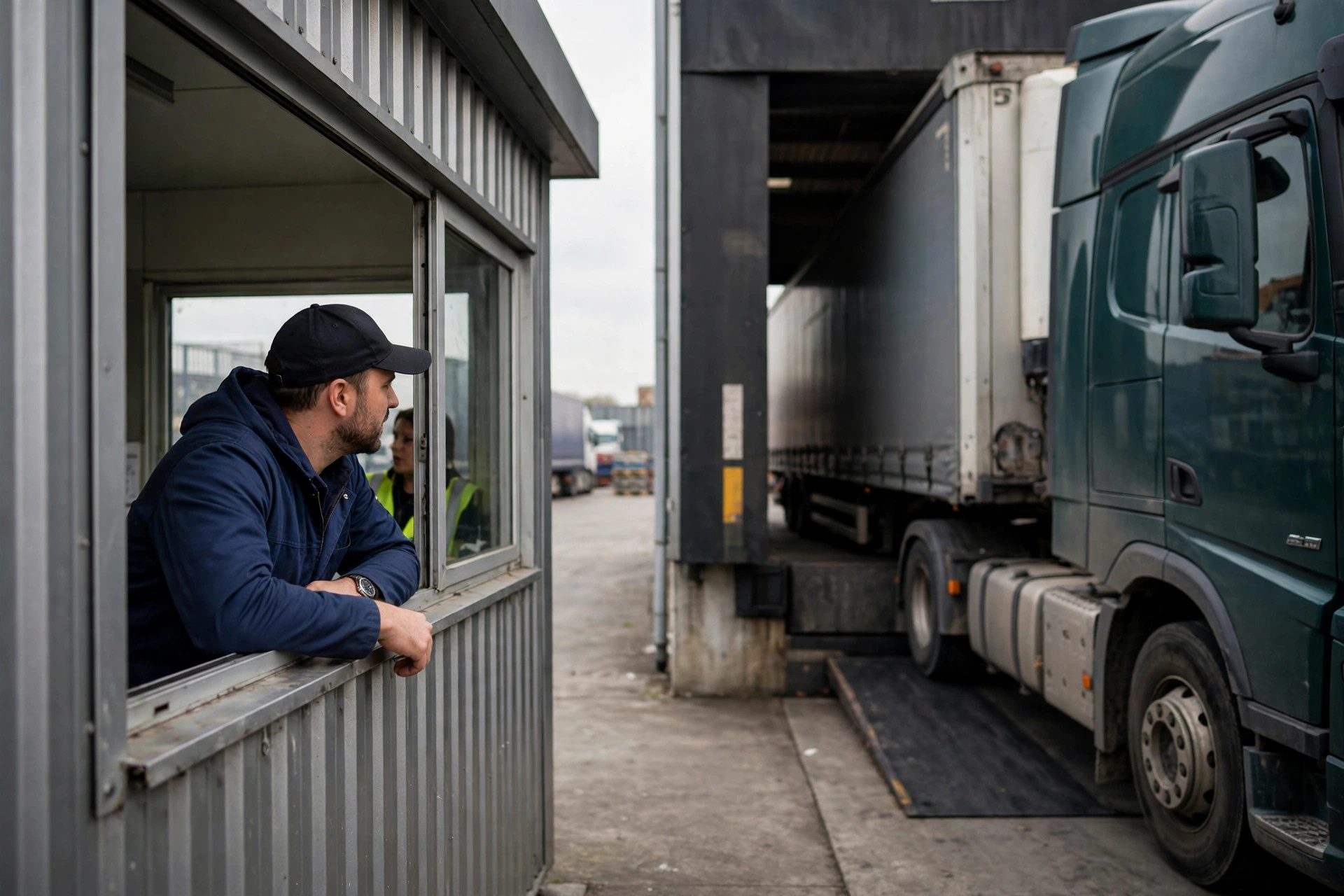
Strip away the buzzwords and a YMS turns the mess at your gate into a visible line. Once you can see the line, you can shrink it. It won't fix your problems inside the building — it fixes the most expensive problem a lot of warehouses have, which is trucks burning hours doing nothing outside of it.
Before You Buy Anything, Get a Ruler
Measure your current dwell time before the YMS goes in. The system will handily collect appointment, check-in, and departure timestamps on its own, so the before-and-after comparison takes care of itself. For the two weeks before go-live, a clipboard works fine — have the guard log license plates and in/out times.
Don't skip this. Without baseline data, every saving afterward is a "feeling," and when the boss asks for the ROI, feelings don't survive the meeting.
The Back-of-the-Napkin Math
The formula is simple:
Annual trailer visits × hours saved per visit × cost per hour − annual YMS investment
A worked example — treat every number here as a rough magnitude and plug in your own contract rates: a facility with 150 trailer visits a day, 250 working days a year, gives you 37,500 visits. Turn time drops from 2.5 hours to 1.2, saving 1.3 hours per visit. Take a conservative cost of $50 an hour (swap in your actual detention rate). 37,500 × 1.3 × 50 = $2.43 million.
That number sounds absurd. Knock it down by two-thirds and you're still saving over $700K against a YMS that costs tens to low hundreds of thousands a year. For a lot of operations, detention fees alone pay back the system in year one. Everything after that is pure savings.
One honest caveat: this only works if your gate is actually busy. A warehouse doing twenty or thirty moves a day doesn't have a line to manage — for you, YMS appointment scheduling is a cannon aimed at a mosquito. Higher volume and spikier seasonality make the math better. I'd rather tell you that now than watch you spend the money.
If you run a warehouse, do one thing this week: ask your guard shack for the last two weeks of gate logs and count how many trucks waited more than two hours. Once that number is on paper, whether a YMS is worth it stops being a debate.