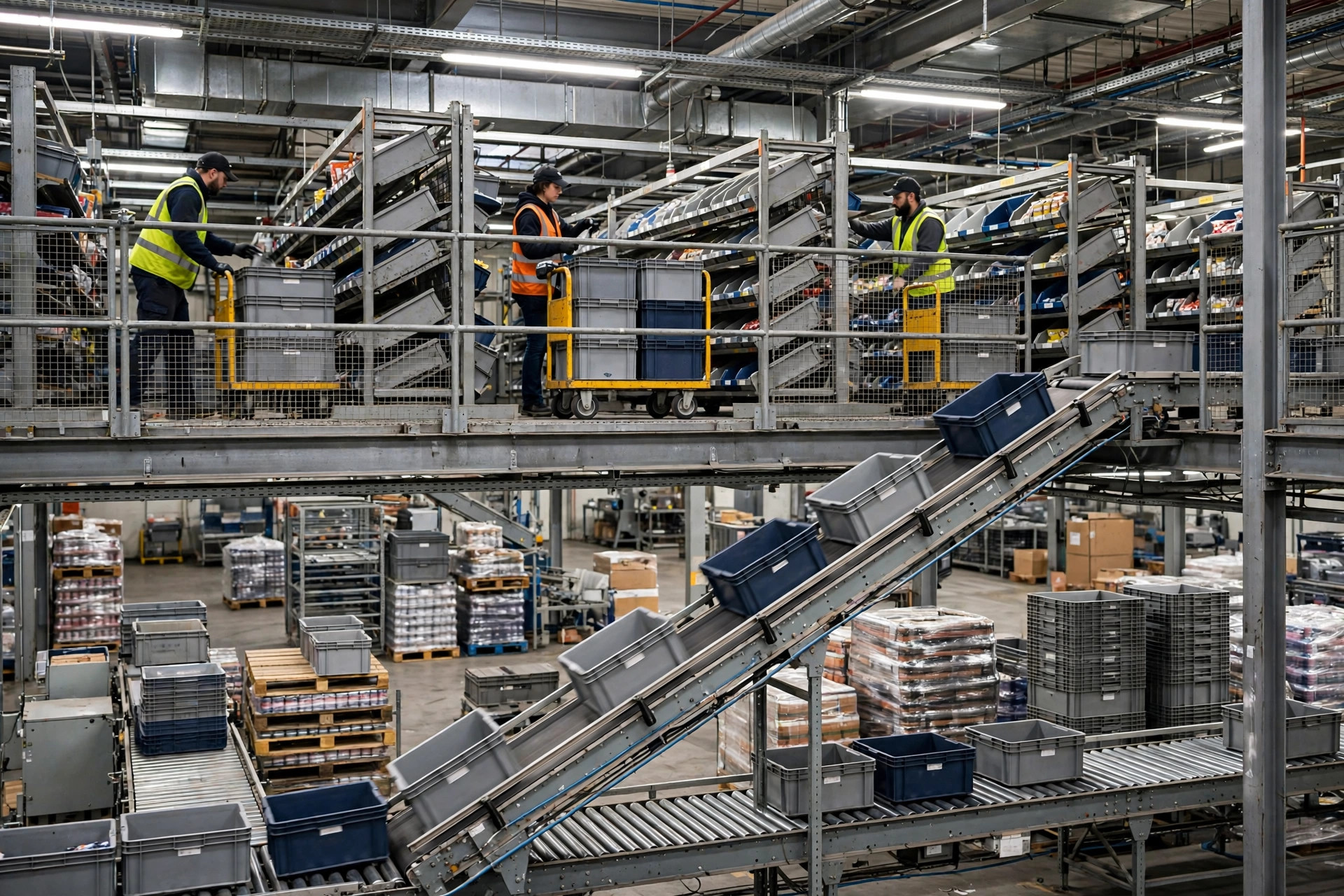
At 8:05 on a Tuesday morning, the WES released the day's first big wave. Ten minutes later the floor was a mess: pickers on the second floor holding task lists for the first floor, first-floor people dispatched to the farthest slow-moving zone, a line at the elevator, and pack stations stacking up with short orders. This isn't one warehouse's unlucky day. Go past one floor and three pick zones, and this is the script you get when waves aren't split right.
In 2019 I ran a 280,000-square-foot apparel DC outside Dallas: two floors, six pick zones. Peak week tripled the order volume, but waves still dropped the old way — whole orders, all at once. One order's lines could land in three zones across two floors. Pickers pushed carts all over the building while the elevator ran nonstop. That evening I watched a kid run downstairs for three units and come back empty-handed. Not his fault. That's how the tasks were sequenced. On-time shipment fell apart that night, and standing on that mezzanine I learned one thing: in a multi-level building, waves aren't released. They're cut.
The one-size-fits-all wave, and the picker who walked it off
Most wave templates in a WES look at order priority, ship time, and carrier cutoff — everything except geography. The system thinks "it's all in the same building." The system doesn't have to walk. A picker's day often splits in half: half the time actually touching product, half spent walking and waiting on the elevator. The floor is the natural breakpoint. One elevator ride costs you minutes. A wave that crosses floors twice pays its whole margin in tolls.
There's a classic trap here: grouping waves by carrier cutoff. Sounds sensible — beat the cutoff, right? But cutoff time has nothing to do with geography. Pack a wave full of "must ship today" orders and the tasks still scatter across every zone. Cutoff is a priority. It is not a splitting logic. Keep the two separate in your templates.
Worse is vertical capacity. Elevators, lifts, cross-floor conveyors — their throughput is fixed, written in steel. When the wave cadence doesn't match it, you get a surreal scene: product stranded upstairs, pickers standing idle downstairs. Nobody's slacking. Everybody's waiting. Plenty of warehouses read this as a labor shortage and throw people at it — more hires, more overtime — only to discover they hired more walking while freight still queues at the elevator.
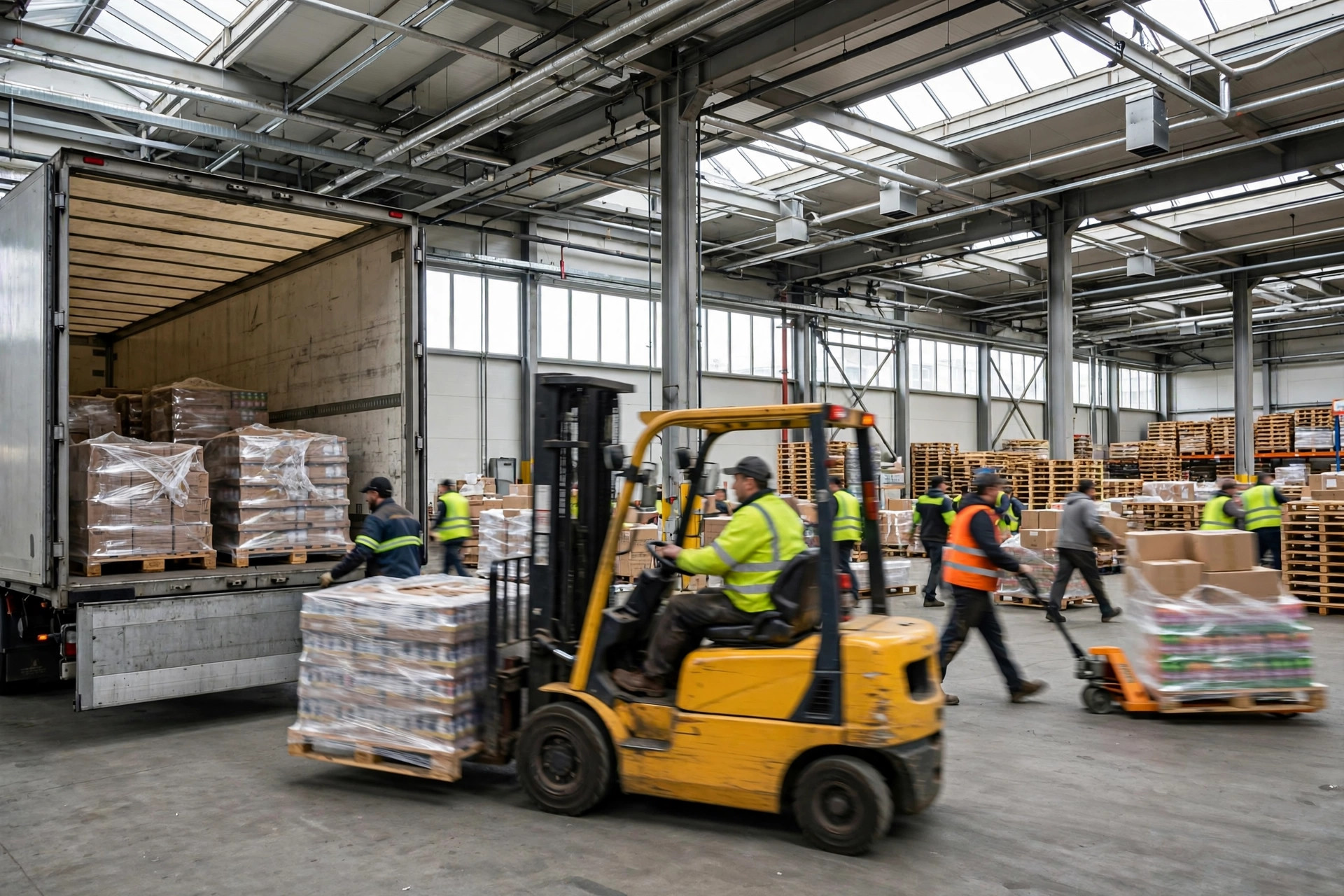
Then there's the quiet waste: mixing equipment and people in one wave. Full-pallet forklift work and cart-based eaches picking run at completely different rhythms. Forklifts wait on elevators and clear aisles; people wait on forklifts to get out of the way. One wave holds both hostage. Grouping waves by "order completeness" sounds elegant. In practice it's mutual gridlock.
Floor first, zone second, equipment third
My cutting order hasn't changed in years: split by floor first, then by zone within the floor, then by equipment within the zone. One wave stays on one floor, as a rule — inter-floor moves ride the conveyor and the elevator in bulk, not on pickers' legs. Sounds like common sense. Yet I've seen wave templates with no floor filter at all.
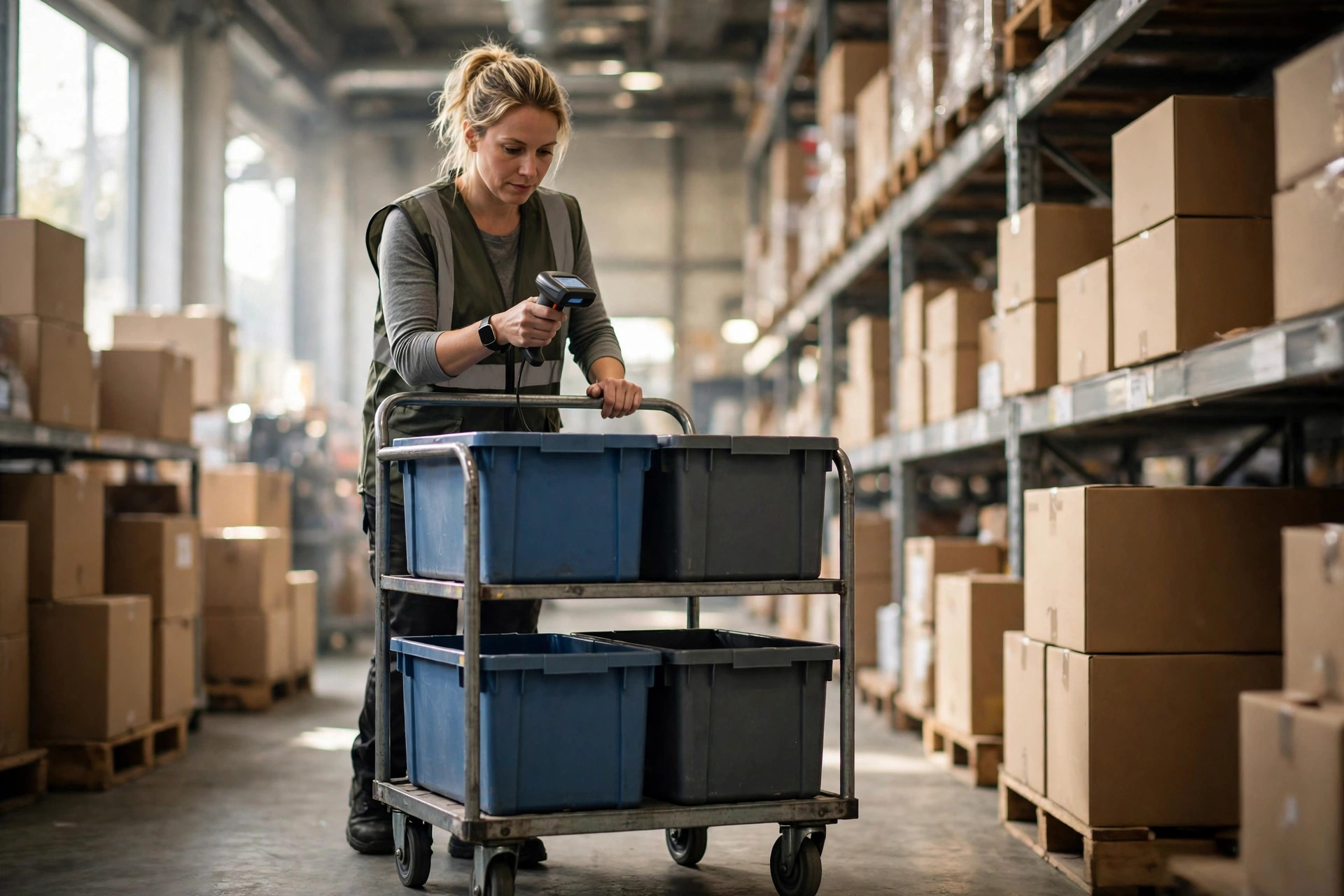
After the floor cut comes zone and work mode. Pallet work goes with pallet work, eaches with eaches, and anything needing the cooler or the cage gets its own wave. It's not favoritism, it's rhythm. Making cart pickers and forklift drivers fight over one elevator is self-inflicted congestion.
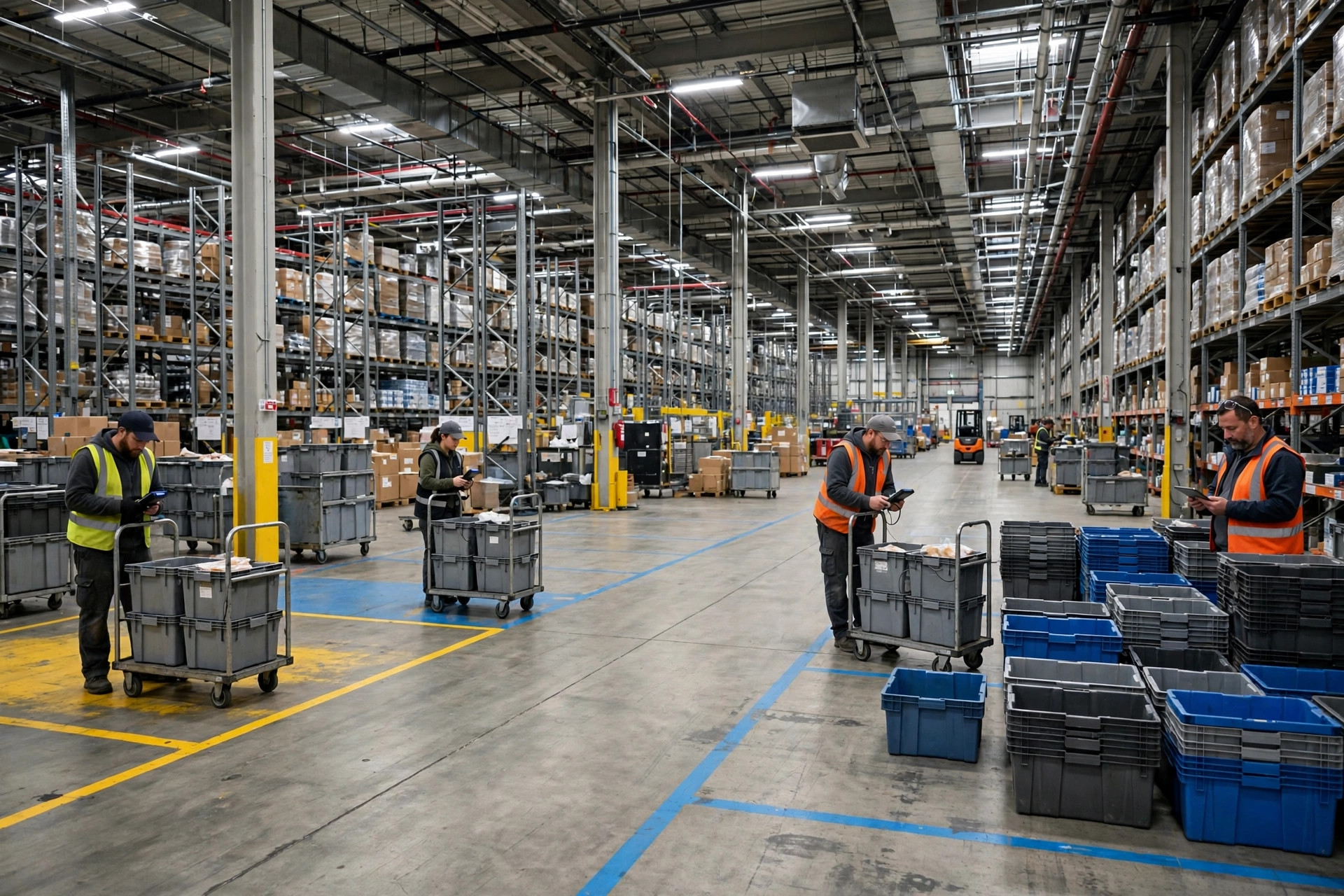
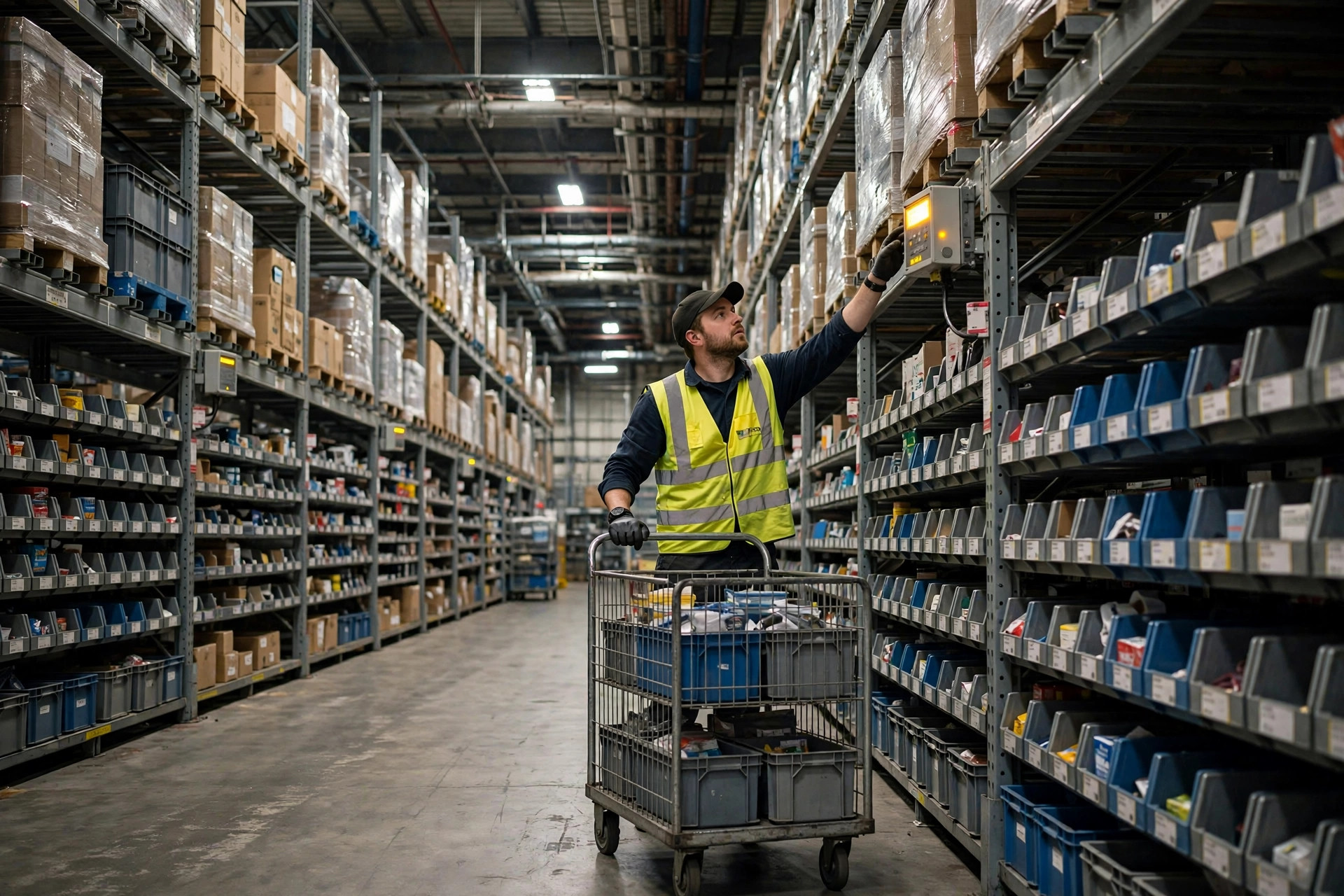
The third rule: cut by density, not square footage. Some zones look big on the map and produce a few dozen lines a day. Give one its own wave and the picker comes back half-empty. My approach is a minimum threshold on every zone template in the WES — lines or units. Fall short and the wave auto-merges with the neighboring zone. There's no universal number. It depends on cart capacity and how long a zone loop takes. Two weeks of trial will find it.
How fine is too fine? That's the craft. Too coarse and the clock bleeds out in travel. Too fine and waves shatter into crumbs — pack stations waiting on product and people, orders stalling at the merge point. I call it wave starvation. The test is one question: does the pack station ever sit idle waiting? Yes means too fine. Pickers complaining about daily marathons means too coarse. Silence on both sides means you cut it right.
Cut it apart, put it back together at pack
Split the waves and the order is still whole. An order's lines sit in two zones — where do they reunite? At the merge area in front of pack. Never in the picking aisles. Making pickers hunt each other down is the most expensive merge method there is.
The merge design isn't complicated: buffer lanes or cage carts ahead of pack, one manifest per wave showing exactly how many units each order is short. Short orders don't enter pack; they wait in the cart. Let the WES own that manifest and alarm on shorts that age out — cheaper than eyeballs. Elevator landings between floors need buffer positions too, with the conveyor diverting by wave number, so second-floor freight and first-floor freight don't jam into one mess on the rollers.
On the system side, build wave templates per zone, each carrying zone attributes: floor, zone, equipment type, minimum lines. Release order matters as well — drop in-zone waves first so every zone gets moving, and hold the cross-zone merge waves for last. By the time product reaches pack, most orders are already complete instead of sitting there waiting.
One freebie: pickers walk upstairs anyway, so interleaving replenishment tasks on the way is good economics. But draw one hard line — never score replenishment against wave picking. Mix the metrics and pickers cherry-pick the easy trips while the hard waves rot. You'll pay for it in rework.
One thing to do before tomorrow's shift
Skip the big redesign. Before tomorrow's shift, duplicate your most-used wave template, add one zone condition — "second floor only" — and run it for a single shift. Count how many cross-floor task assignments disappear. Zero cost, ten minutes of configuration. If pack sees noticeably fewer short orders after that shift, roll the same treatment out to the other floors and zones, one template at a time. Wave splitting is always one cut, one look, then decide where the next cut goes.