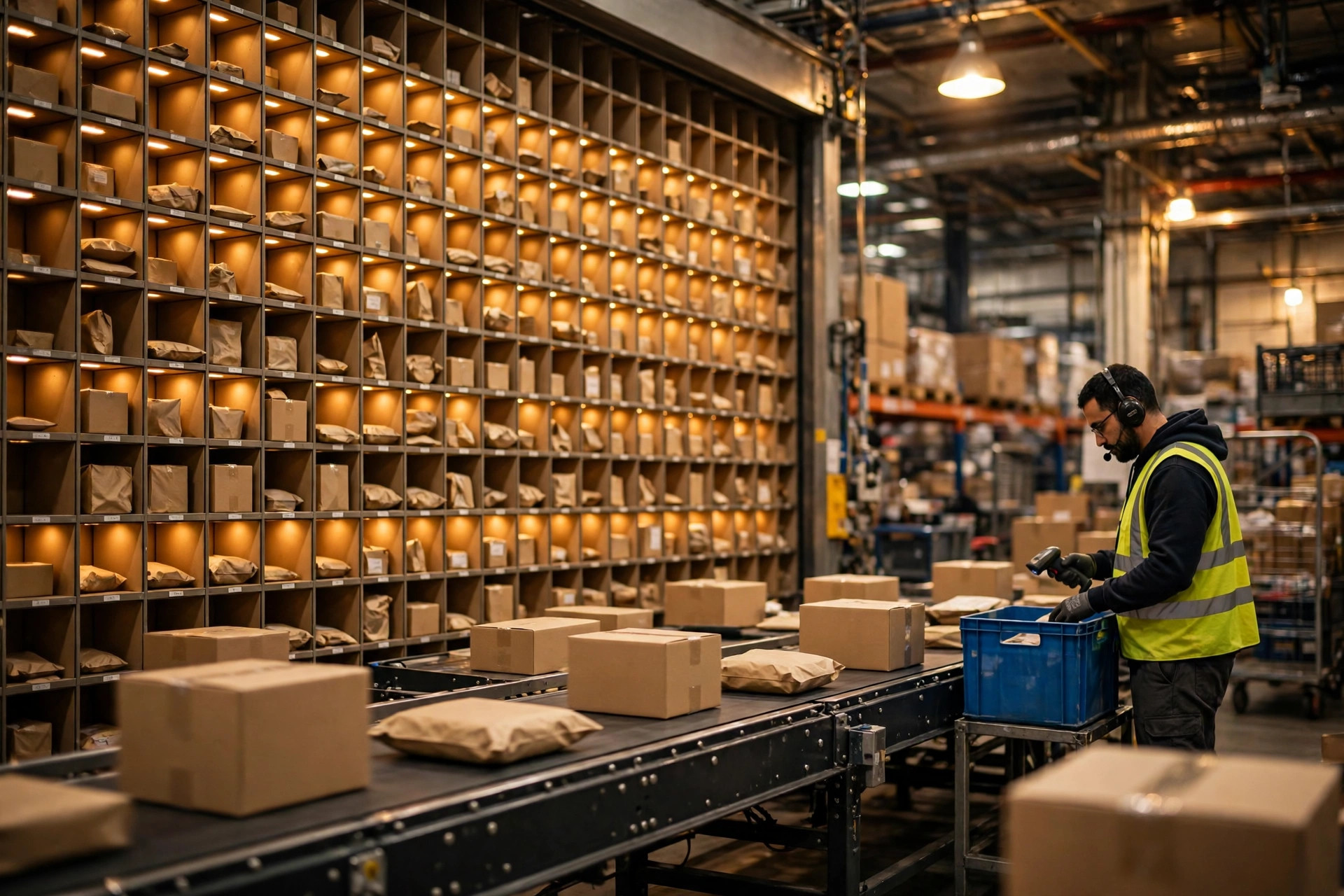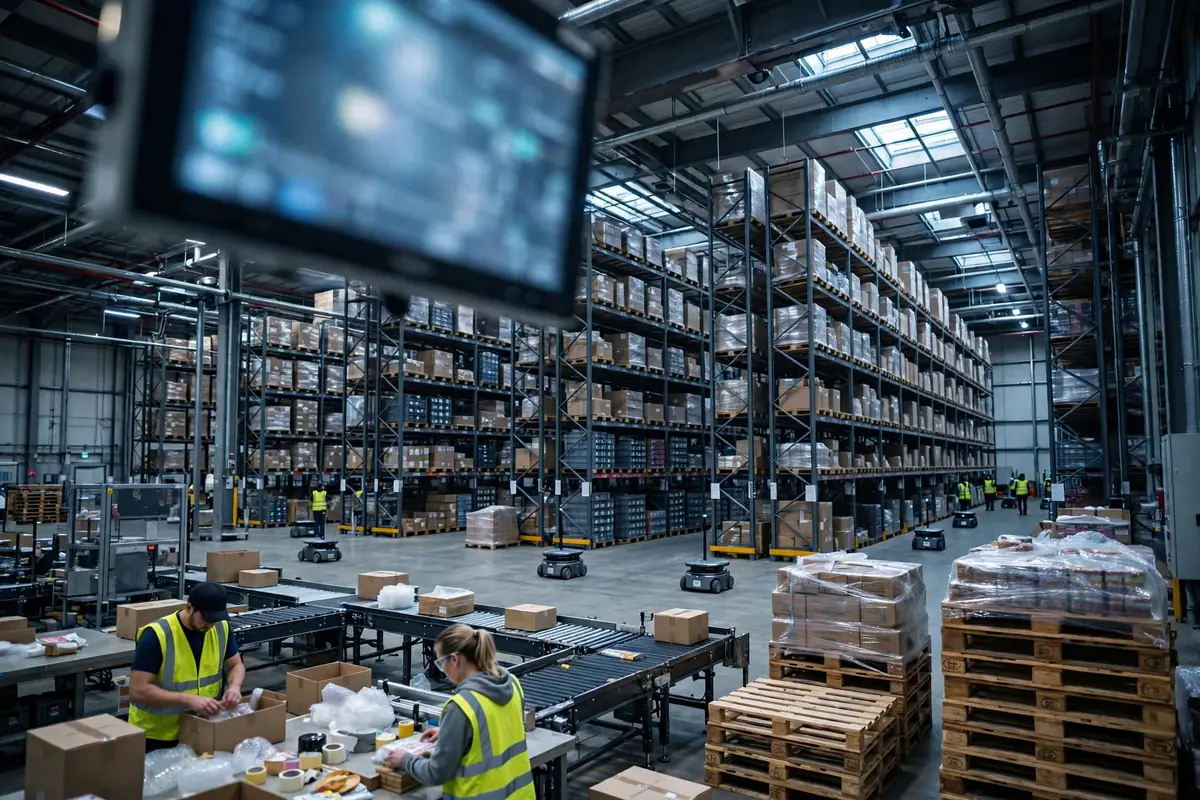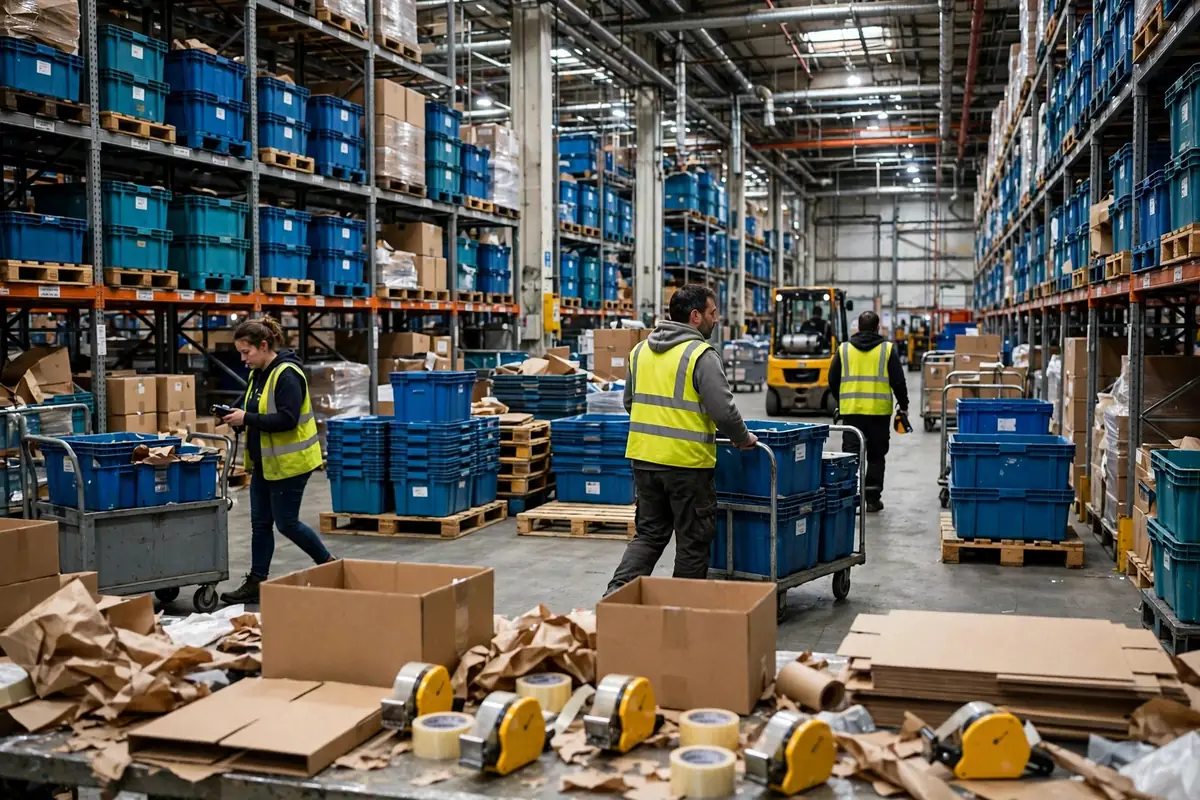
It was 6:30 in the morning. I walked into the warehouse and twenty-some pickers were already standing in the pick zone, craning their necks, waiting for waves. The system was empty. The WES waves weren't due until 7:30. So the crew stood around, forklifts circled the aisles with nothing to move, and the first hour of the shift burned away for nothing. Let me be straight with you: when waves release late, you lose labor hours. When they release early, you lose the rhythm of the whole building.
In the years I ran a big warehouse, this came up almost every week. Warehouse execution system wave release timing looks like a simple clock setting, but it paces three lines at once: picking, packing, and outbound. Release early and release late and you get two completely different kinds of mess. Today I'll lay both of them out.
When Waves Release Late: People Waiting on Orders
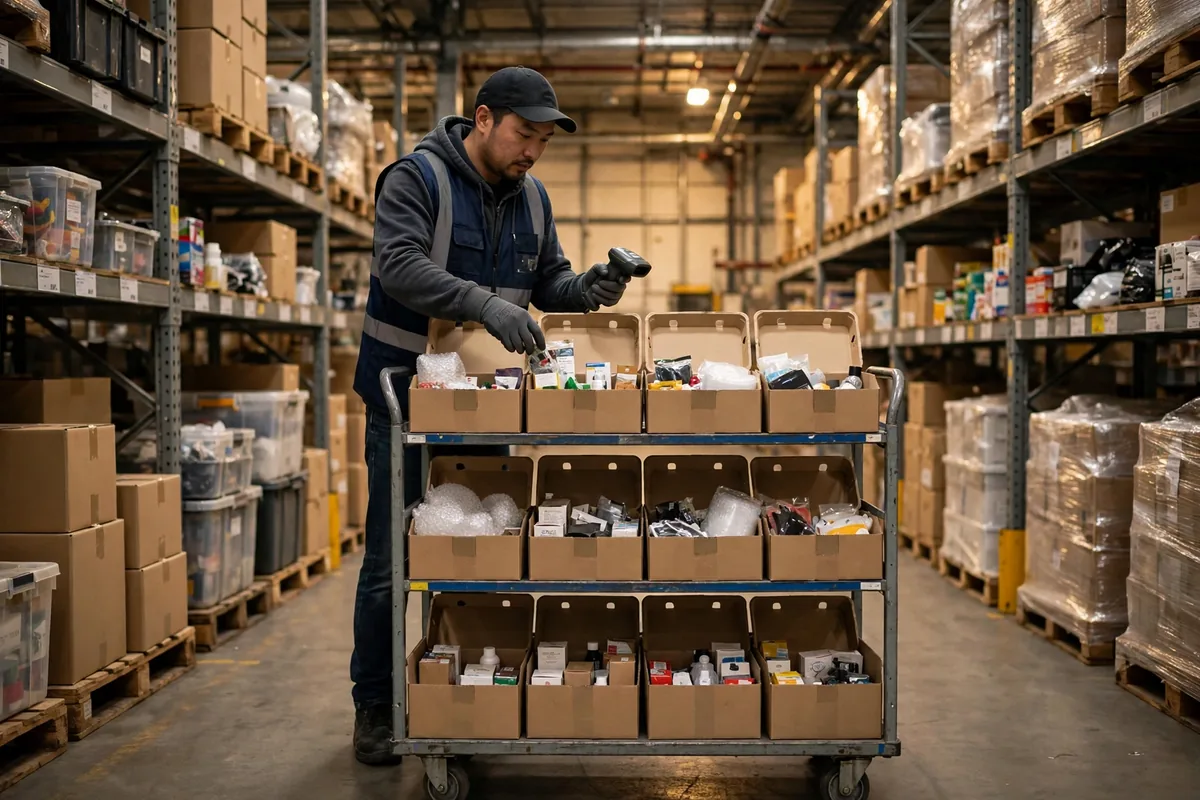
A late release means people waiting on freight. Pickers clock in, no orders have dropped, so they stand around chatting and checking their phones while the team lead scrambles to make everyone look busy. Then the wave finally drops and every lost minute has to be clawed back. Picking, packing, and loading all pile up at once, and the error rate climbs right along with the rush.
I remember one time before peak season in 2023. The previous day's cutoff time had changed but nobody updated the system config, so the morning wave dropped a full hour and a half late. The pick zone sat empty for ninety minutes. Then, to catch the 11 a.m. carrier pickup, the pack stations blew up. Three pack benches had queues spilling into the aisle, and more than 40 orders missed the truck. Customer service got hammered with calls all afternoon. Worse was the morale hit. The crew had stood around all morning and then got pushed to run flat-out all afternoon. Three people called in sick the next day. My night-shift lead told me it was the third time that month, and if it kept happening, people would start quitting.
Late releases carry a hidden cost too: replenishment gets knocked off balance. Replenishment staff are supposed to top up fast movers before the wave drops. When the wave is late, the replenishment rhythm breaks with it. Pickers hit an empty slot halfway through a task and have to stop and wait for a refill. Ten, fifteen minutes gone, just like that. A late wave looks like the system being half an hour behind. In reality the whole morning plan has been knocked over.
What we do now is simple: wave release times are written into the shift roster, lined up with cutoff times and carrier pickup times. Change one and you change all three. Fifteen minutes before start of shift, the duty manager has to confirm the first wave is already in the picking pool. If it isn't, they call IT on the spot. Nobody starts a shift standing around waiting. Since we made that rule, late releases have basically stopped happening.
When Waves Release Early: Freight Waiting on People
Early sounds like a good thing. Orders drop ahead of time, everyone starts sooner. But any veteran on the floor will tell you early releases cause a bigger mess than late ones. The wave drops early, pickers grab a pile of tasks, and the stock isn't replenished yet. Slots are short here and there, tasks get suspended halfway, and once suspended tasks pile up, the system's priorities go sideways. Urgent orders and regular orders get mixed together and nobody knows what to pick first.
Worse, packing and outbound can't keep up. Picking runs fast, but there are only so many pack benches. Picked freight piles up in the pack zone until nobody can find the order, the carton, or the label. The worst I ever saw, a wave dropped two hours early and the pick zone finished the whole day's volume in two hours while packing only got through half of it. Freight stacked in the aisles, forklifts couldn't get through, and the outbound truck waited at the door for three hours. The driver called me directly to complain. After that day I made a rule: earlier is not better. Waves have to drop on packing's and outbound's beat, not picking's.
Early releases have another trap: returns and exceptions get mixed in. When the first wave drops too early in the morning, the previous night's returns haven't been processed yet. The system hands the same crew putaway and picking in the same slot, and the mis-pick rate multiplies. Our rule now is that the first wave only drops after night-shift returns are processed and the counts reconcile. We'd rather be fifteen minutes late than let exceptions pollute the morning shift.
The Release Time Is Not Just a Clock Setting
Here's the bottom line: warehouse execution system wave release timing is not an isolated setting. It sits on top of a balance between three capacities. How much picking can push out per hour, how much packing can process per hour, how many trucks the dock can turn per hour. If those three numbers don't line up, no release time will save you. Every month we pull the actual throughput of all three stages and plan waves around the shortest plank. If packing is the bottleneck, waves drop slower. If picking is the bottleneck, we fix replenishment and slotting first.
One more thing peers often miss: the release time isn't just about the system clock, it's about people. If the morning crew clocks in at 6:30 and waves drop at 7:30, people wait and morale sinks. If waves drop at 5:30 before the crew has even arrived, tasks pile up in the system and the floor is chaos anyway. Shift start, wave release, and cutoff time have to be decided at one table, with IT, operations, and the team leads all in the room. If any one of them is missing, the schedule is just paper.
So here's my reminder to fellow managers: next time waves cause trouble, don't rush to blame the system. Look at three timestamps first: when the wave released, when packing finished, and when the truck left the dock. If those three don't line up, the problem is almost certainly the release timing. But before you adjust the clock, work out the real capacity of all three lines. Otherwise you'll shift it earlier today and later tomorrow, and the warehouse will spend forever firefighting.
By Chen Feng, Warehouse Operations Manager