Conclusion first: a warehouse rush order priority queue can work, but only with a hard daily cap of two rush batches, and every rushed task must displace an equal amount of work from the normal wave rather than being squeezed in on top. Until the quota, the swap rule, and the circuit breaker are all written into the WES rules, the green lane stays closed. I have seen this pitfall three times, and all three times it died the same way: one verbal instruction, and the whole warehouse spent the day reworking.
Why a Green Lane Goes Wrong So Easily
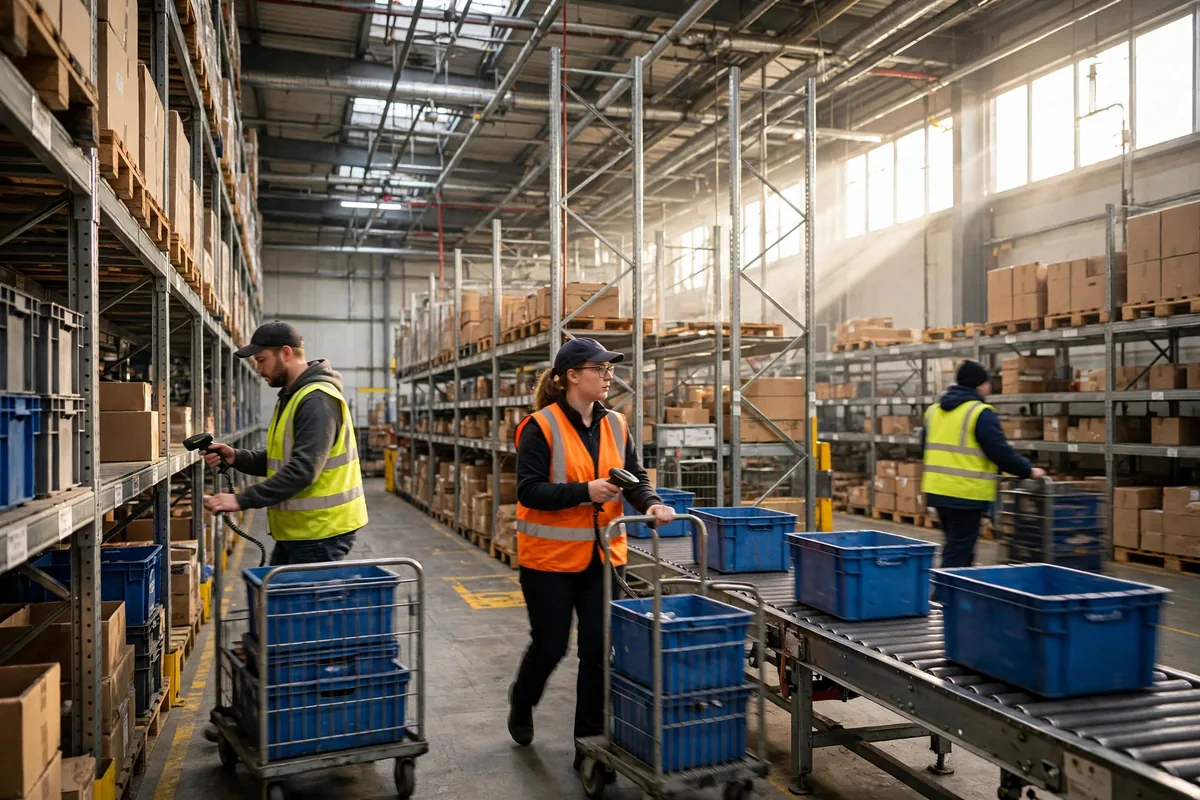
A wave is not just a pile of orders. It is a combination planned around pick paths, labor, and equipment capacity: which zone gets picked first, which line runs when, and when the packing benches free up are all worked out in advance. A rush order changes the picker's path, reshuffles the verification queue, and breaks the rhythm at packing. Change one spot and the whole batch moves. Most people think a rush job only affects that one order. In reality it affects the layout of the entire wave, and that is the part everyone underestimates.
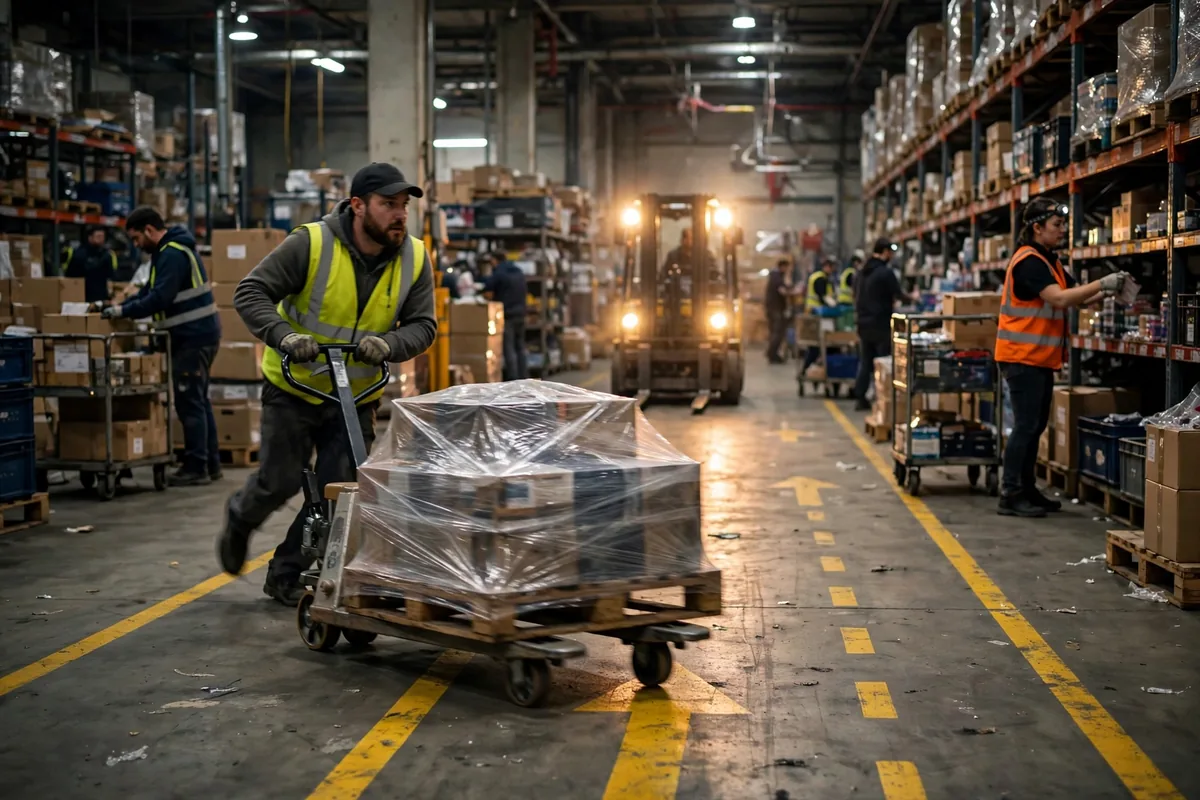
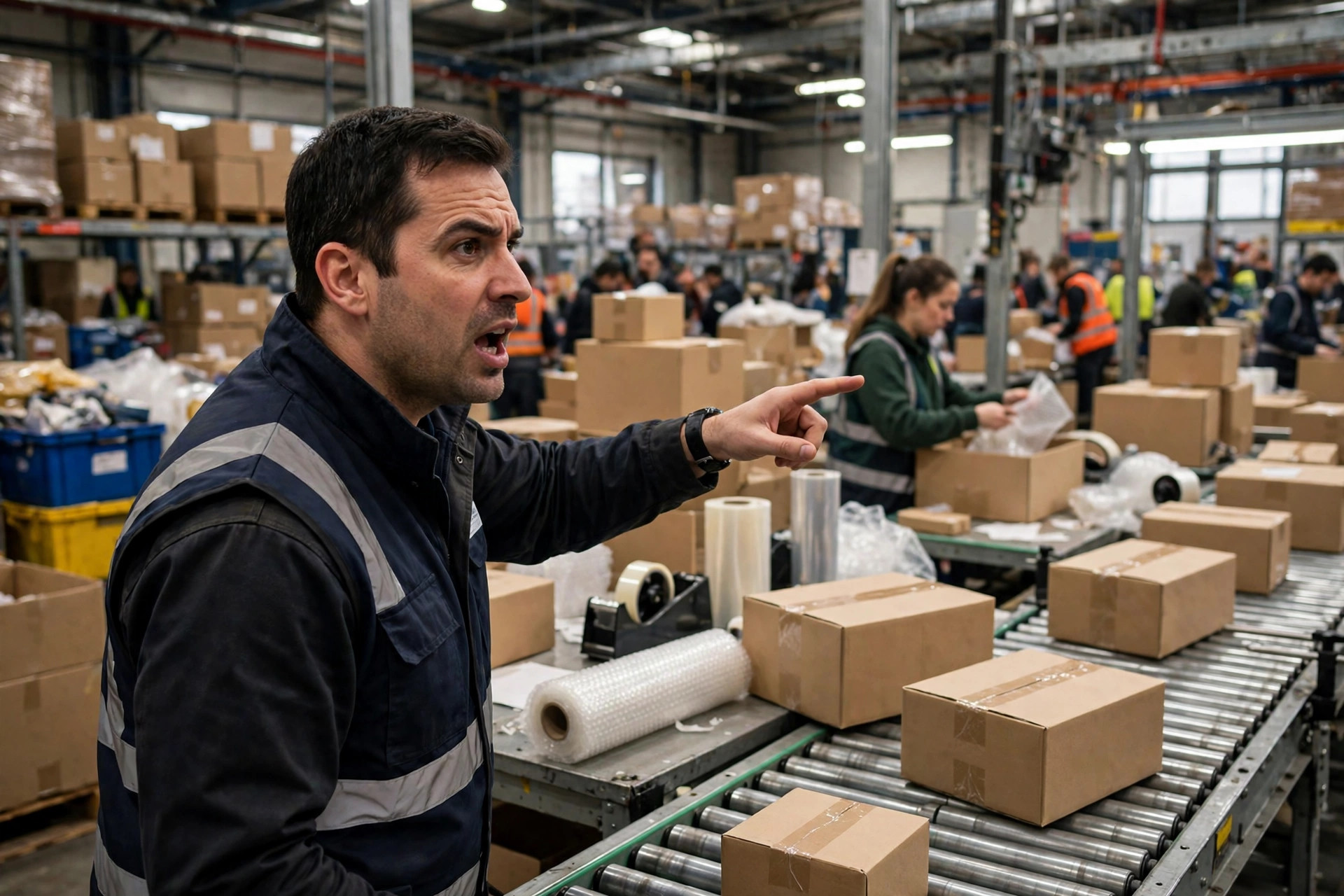
A auto-parts warehouse in eastern China learned this the expensive way. One morning a wave had already been released and pickers were halfway through it when customer service called: a key account's order had to ship the same day. The supervisor softened, told a picker verbally to go grab that order first. The order sat in a different zone, so the picker walked back and forth across the floor, the verification bench waited more than half an hour for his goods, and the ship times of forty-plus orders in the original wave all slipped. The day's on-time rate dropped sharply. One order saved, one batch wrecked. In the review afterward, the problem was not a slow picker. It was that rush handling had no rules at all, just one supervisor's word.
Another warehouse, this one in daily consumer goods, had the opposite problem. They did have a green lane, but the opening was far too wide: sales, customer service, and warehouse supervisors could all call a rush. Within a month there was hardly a normal wave left. Every batch was stitched together from rush orders, pickers spent their days firefighting, and the wave plan existed only on paper. Once a green lane becomes the everyday lane, there is no lane at all, only chaos.
How the Warehouse Rush Order Priority Queue Should Work
Set the quota first. Two rush batches a day is my recommended ceiling, and it is not a number pulled from thin air. A quota forces everyone to rank urgency: once the day's two slots are used, the third urgent order waits for the first batch tomorrow, or goes out as a standalone wave. A green lane without a quota will eventually be flooded by every urgent order, and at that point urgent and non-urgent mean the same thing.
Then set the swap rule. Rushing is not addition, it is substitution. Every batch of rushed tasks must displace an equal amount of work from the current wave, and the displaced orders roll to the next wave with the customer notified on the spot. The swap standard needs to be written down too: displace orders from the farthest pick zone with the loosest deadlines first, not whichever order is handy. Without a clear swap rule, rush jobs simply steal resources from normal orders, and complaints from normal customers will follow fast.
Then put the rules in the WES, not in people's heads. A rush request should go through the system: who requested it, why, which tier, and which order numbers were displaced, all logged. The system approves or rejects by tier, locks automatically when the quota is used up, and no supervisor can wave through a favor job even if they want to. The biggest problem with verbal rush jobs is not that they break policy. It is that afterward nobody can reconstruct what happened, so nobody owns the mess.
Tiers can stay simple. Three are enough:
| Tier | When it qualifies | How it is handled | Who bears the cost | | Critical | Customer faces a line stop or stockout risk | Swapped into the current wave, picked as its own group | Displaced orders roll over, customer service notifies immediately | | Expedited | Promised delivery moved up to today | Goes to the front of the next wave | Current wave untouched, only the next wave moves | | Ordinary chase | Customer is pushing but no deadline penalty applies | Does not use the green lane, stays in its original wave | None |
Finally, set a circuit breaker. The breaker is the green lane's brake: when rush tasks pass twenty percent of the day's total pick volume, or when the same wave has been rushed twice, the system locks the green lane for the rest of the day and all remaining urgent orders go out as standalone waves. The breaker has to be enforced by the system, not by human willpower, because in the middle of a fire everyone always thinks one more rush job will not hurt.
My go-live night checklist, the one I tick through item by item on every rollout: are the quota parameters live for today; is the swap rule ordered by zone and deadline; does the system really lock when the quota is spent; does the supervisor get an alert when the breaker trips; can every rush be traced back by order number. If any item fails, we do not go live. With rules like these, launching a day late beats launching broken.
Where the Rush Order Priority Queue Breaks
The first failure point is opening the door to everyone. Rush applicants must be limited to two or three roles: sales can raise a request, a supervisor can approve, but customer service and floor staff cannot call a rush directly. Open the door wide and the green lane is spent before noon.
The second is rushing without swapping. This is the most common shortcut: the rush job gets added to the wave and no normal order leaves it. It looks like everyone wins in the short term, but picker workload quietly thickens, wave overruns become routine, and eventually everyone concludes the plan is unreliable. In truth the rush jobs stretched the plan until it broke.
The third is verbal rush jobs with no record. A rush with no system trail is an unsolvable puzzle at review time: which order jumped the queue, whose order got displaced, who approved it. Those records are not for blaming people. They are the evidence you need next time you adjust the quota or the tiers.
The fourth is a breaker nobody dares to pull. A breaker written on paper is useless. The moment of truth has to be automatic, so the supervisor never has to play the villain and the rule speaks for itself.
Here is the counterintuitive part to close on: the more often you open the green lane, the slower the warehouse gets. The real cost of a rush job is not the few minutes of picking. It is the re-planning of the wave: paths, verification, and packing rhythm for a whole batch of orders, and that re-planning often costs several times the rush job itself. Mature warehouses use the green lane rarely, not because they lack urgent orders, but because they divert them: what can go as a standalone wave goes as a standalone wave, what can wait for the next batch waits for the next batch, and only what truly cannot be dodged uses the green lane. A green lane is for saving the day, not for daily commuting. Get that positioning right and the rules hold.
By Lin Xiao, WMS Implementation Consultant