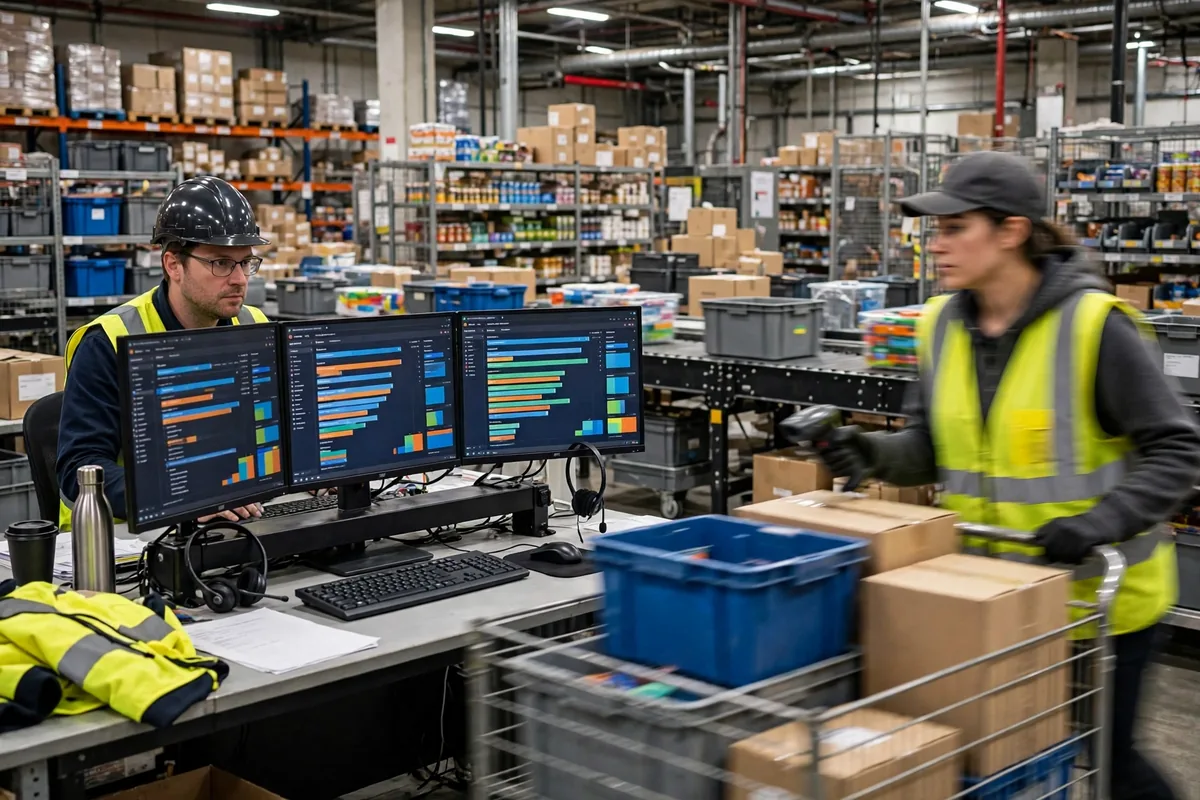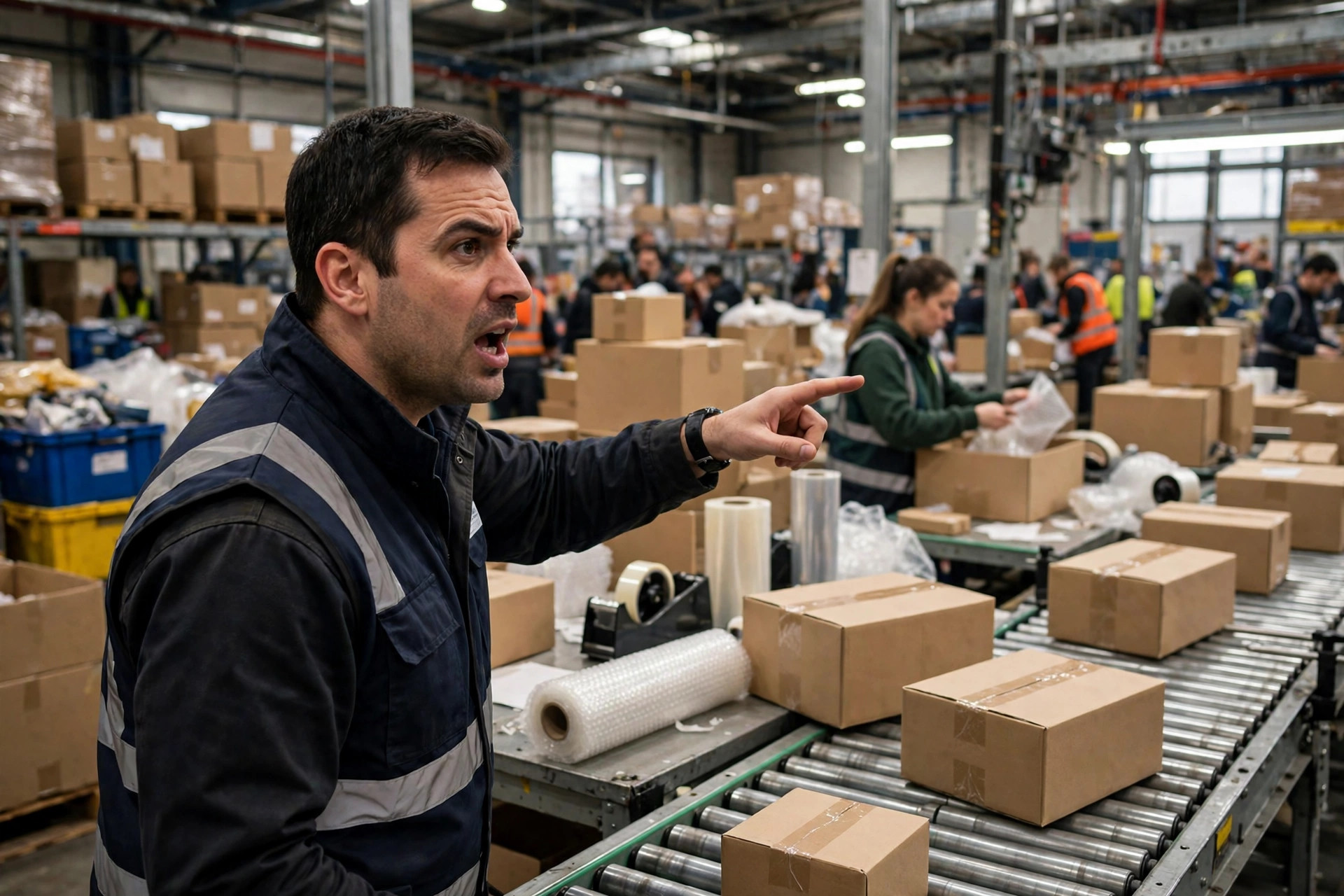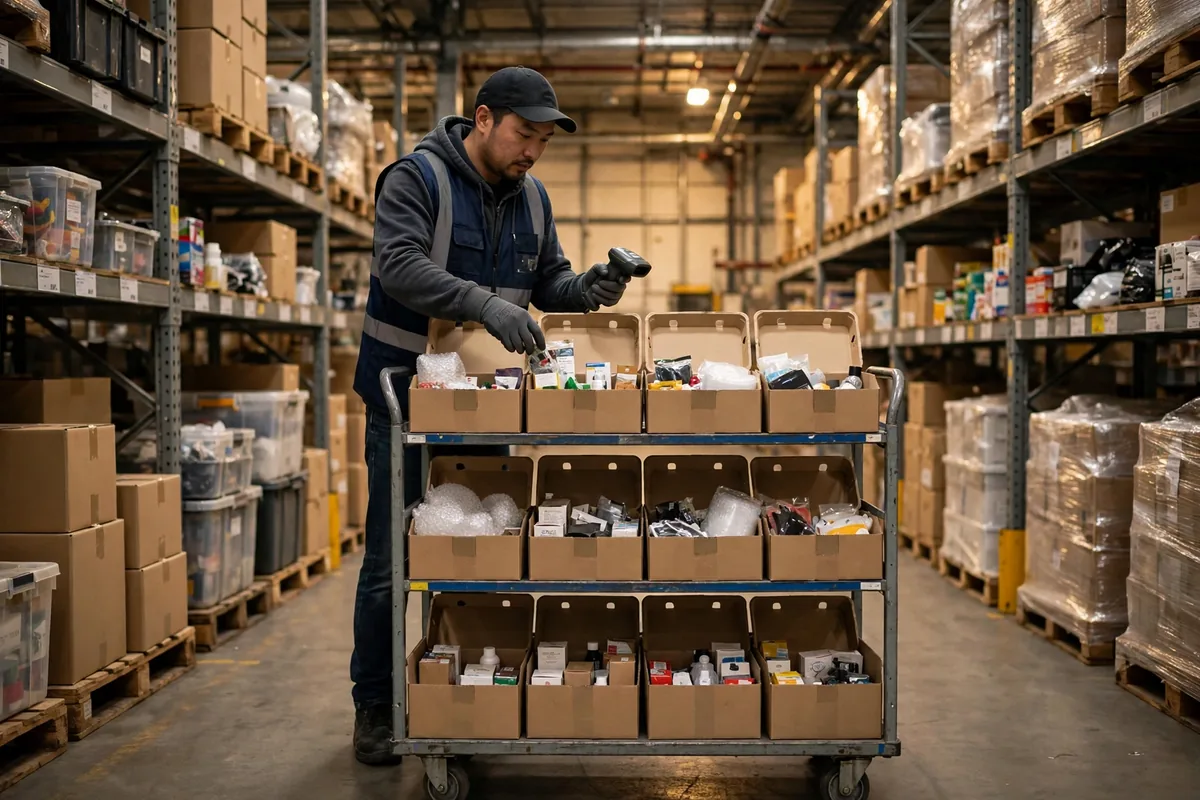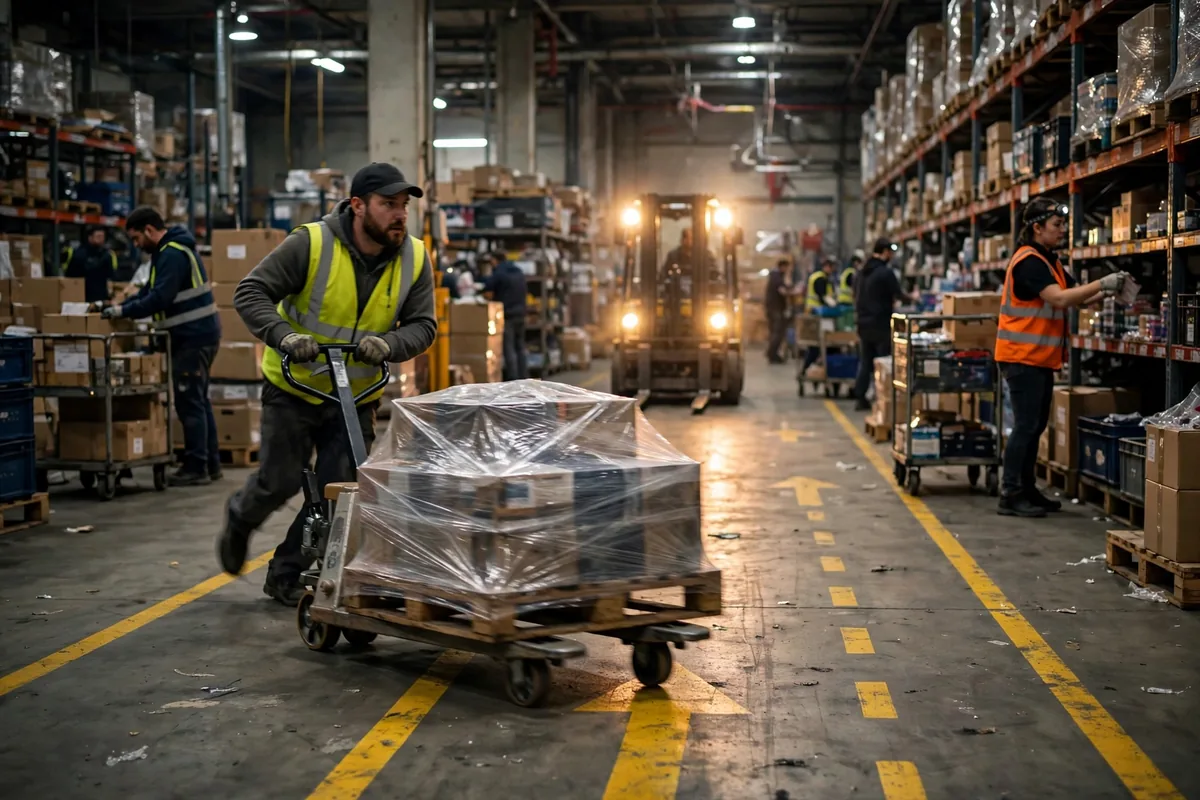
It was 7:40 in the morning. I had just walked into the warehouse when the phone rang. A customer order had to catch the midday truck, the order was still sitting in a wave, and sales kept saying, "Just this one, slip it in, it will only take a minute." That is the warehouse rush order priority question in its rawest form. The whole crew was looking at me. Slip it in, or not? To be honest, what I was thinking about was not that one order. It was the dozens of orders behind it, and whether we would be working late that night.
Anyone who runs a warehouse has taken that call. A rush order green channel can save the day, or it can wreck the shift. The difference is not whether you have a soft heart. It is whether you have rules.
What counts as a real rush order? Split "urgent" into three levels first
In our warehouse, the first step is not jumping the queue. It is grading the urgency. Every order that arrives shouting "urgent" goes through the grading table first. Only the ones that qualify get into the green channel.
Level one, genuinely urgent: the customer has a written cut-off time, and missing it means a penalty or a lost order. Or the truck is already waiting and the goods are holding it up. This level goes straight in. No debate.
Level two, fairly urgent: the customer is pushing hard, but there is no hard penalty. Or the order itself is small, and slipping it in does little damage. This level needs the shift manager's sign-off, and it depends on how many green-channel slots are left that day.
Level three, not really urgent: sales just wants to make the customer happy, or wants it done early to stop worrying about it. This level does not enter the channel. It follows the normal wave. To be honest, level-three orders make up most of the "urgent" calls. Once we put the grading table up, those calls dropped by about half. That last figure is my own rough sense from the floor, not a system report, so take it as a story, not a statistic.
Grading is not hard to write down. It is hard to enforce. A standard taped to the wall does nothing. Somebody has to enforce it in the system. In our WES, a green-channel order must carry a grade and an approver. Missing either one, it cannot get in. "The boss said yes on the phone" counts for nothing if there is no record in the system.
Warehouse rush order priority in practice: what jumping the queue actually breaks
A lot of people think jumping the queue means adding one order. It does not. It moves the whole wave.
Take a night shift a while back. Past 10 p.m., a rush order came in. A picker was halfway through a wave, and everything had to stop. The forklift had to change route, the checking station had to give up its slot. The rush order itself took 20 minutes. The interrupted wave took nearly an hour to get back on track — re-sequencing, finding the stock again, getting people back to where they were. The old hands who train new starters hate this most: a new starter has just learned where this wave's stock sits, and one interruption scrambles the whole picture.
Then there was a peak-season week. The green channel took seven or eight orders a day, each one looking small on its own. The result? Normal waves kept slipping later, the late shift kept staying longer, and morale dropped through the floor. One of the old hands said to me, "Chen, we spend all day cleaning up after other people's rush jobs. When do our own orders get a normal run?" I still remember that. Jump the queue too often, and what you damage is not efficiency. It is people.
So before any order jumps the queue, ask three questions: how many in-progress tasks will this interrupt? When can the interrupted tasks be recovered? How many green-channel slots are left today? If you cannot answer all three, do not jump the queue.
The green channel's three hard rules: who approves, how many a day, and how we review
What we do now in our warehouse comes down to three hard rules. They live in the WES, and they get repeated at the pre-shift meeting.
Rule one, who can approve. Only the shift manager and I can approve a green-channel order. Not sales, not customer service, not the customer. The approval has to leave a record in the system: who approved it, at what time, and for what reason. An approval with no record is treated as no approval, and the person who gave it carries the blame. Once that rule went in, the random jumping stopped almost overnight. People did not suddenly become polite. They just did not want their name on a rush order that should not have jumped.
Rule two, a daily cap. The green channel takes at most 3 orders a day, 5 in peak season. Past the cap, even a genuinely urgent order waits for tomorrow, or goes on the overtime line. That number was not guessed. We worked it out by trying: past that point, normal waves stop holding together. The cap is locked in the system. When it is full, it locks, and no amount of pleading opens it. That lock has saved me from a lot of awkward conversations.
Rule three, a weekly review. Every Friday before knock-off, we pull up every order that jumped the queue that week: which ones genuinely deserved it, which ones could have waited, which ones ended up slower because they jumped. At the review, a wrong call gets talked through, and we agree how to grade it better next week. The review is not about blame. It is about grading more accurately next time.
Here is the go or no-go table we keep next to the dispatch desk. A new dispatcher can follow it on day one:
| Situation | Jump or not? | What to do |
|---|---|---|
| Level-one urgent, written cut-off or penalty | Jump | Green channel, approval on record |
| Level-two urgent, small, no in-progress wave interrupted | Jump if slots remain | Only if the day's slots allow, record it after |
| Level-two urgent, but it interrupts an in-progress wave | Work out the cost first | Calculate the recovery time for interrupted tasks before approving |
| Level three, customer pushing but no hard consequence | Do not jump | Normal wave, tell the customer the honest time |
| Day's green-channel slots already full | Do not jump | Queue for tomorrow, or use the overtime line |
Finally, let us work out the cost. The example below is a hypothetical worked example, not our warehouse's real costs, and the numbers are illustrative so the trade-off is visible: a rush order looks like 20 minutes on the surface, but the interrupted wave takes 40 minutes to re-sequence and the checking station loses another 15 minutes giving up its slot. Add it up and more than an hour of labour is gone. In that illustrative example, one jump costs roughly the time of three normal orders. Show that maths to sales, and it works better than an argument. Jumping the queue is never free. Every jump spends the time of the orders behind it to buy time for the one in front.
Fellow warehouse folks, setting up a green channel is the easy part. Keeping it is the hard part. Keeping it comes down to one sentence: grading that someone owns, approvals that someone signs, a cap that someone locks, and a review that someone runs. If any one of those has no owner, the channel turns into a back door sooner or later. That is warehouse rush order priority done properly: a rule with an owner, not a favor with a queue.
By Chen Feng, Warehouse Operations Manager