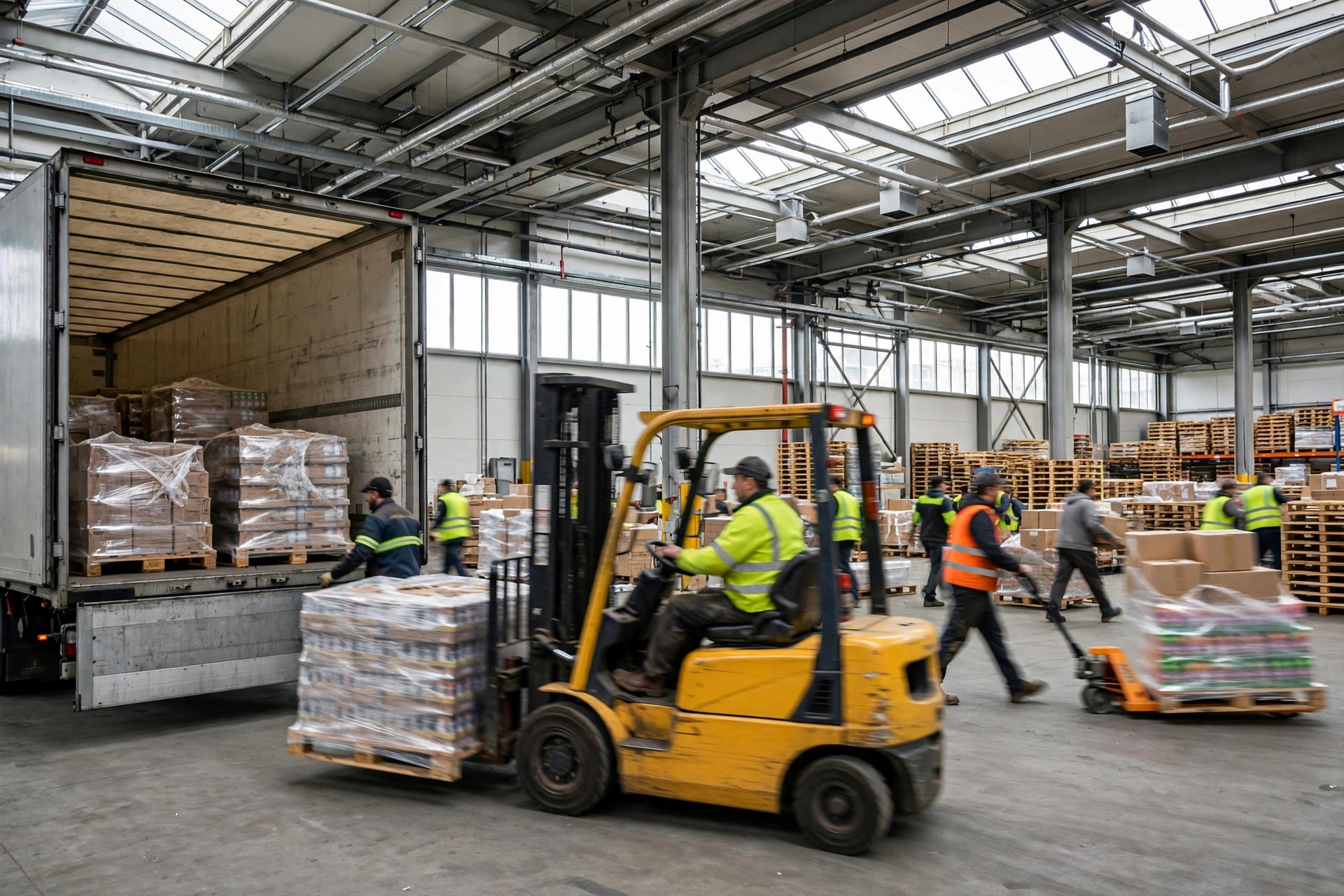
Last October, during peak season, I was on the floor of an e-commerce warehouse in Ontario, California - over 200,000 square feet, with 60-odd pickers on shift. At 10 a.m., the WES flashed a recommendation: move 12 pickers from Zone A to Zone B, where the afternoon waves were about to pile up. Tom, the floor supervisor with nine years under his belt, glanced at the screen and dismissed it.
"This system doesn't know my people."
I have heard that sentence more than once. Different warehouses, different supervisors, same verdict. WES labor-management modules sound wonderful on paper: live visibility into task volume, reassign people wave by wave, send labor where it is needed. In practice, plenty of warehouses switch it on, run it for three months, and quietly drift back to fixed zones. Let me break down why.
What Fixed Zones Get Wrong - and What They Get Right
Fairness first: fixed zones have a huge hidden advantage, familiarity.
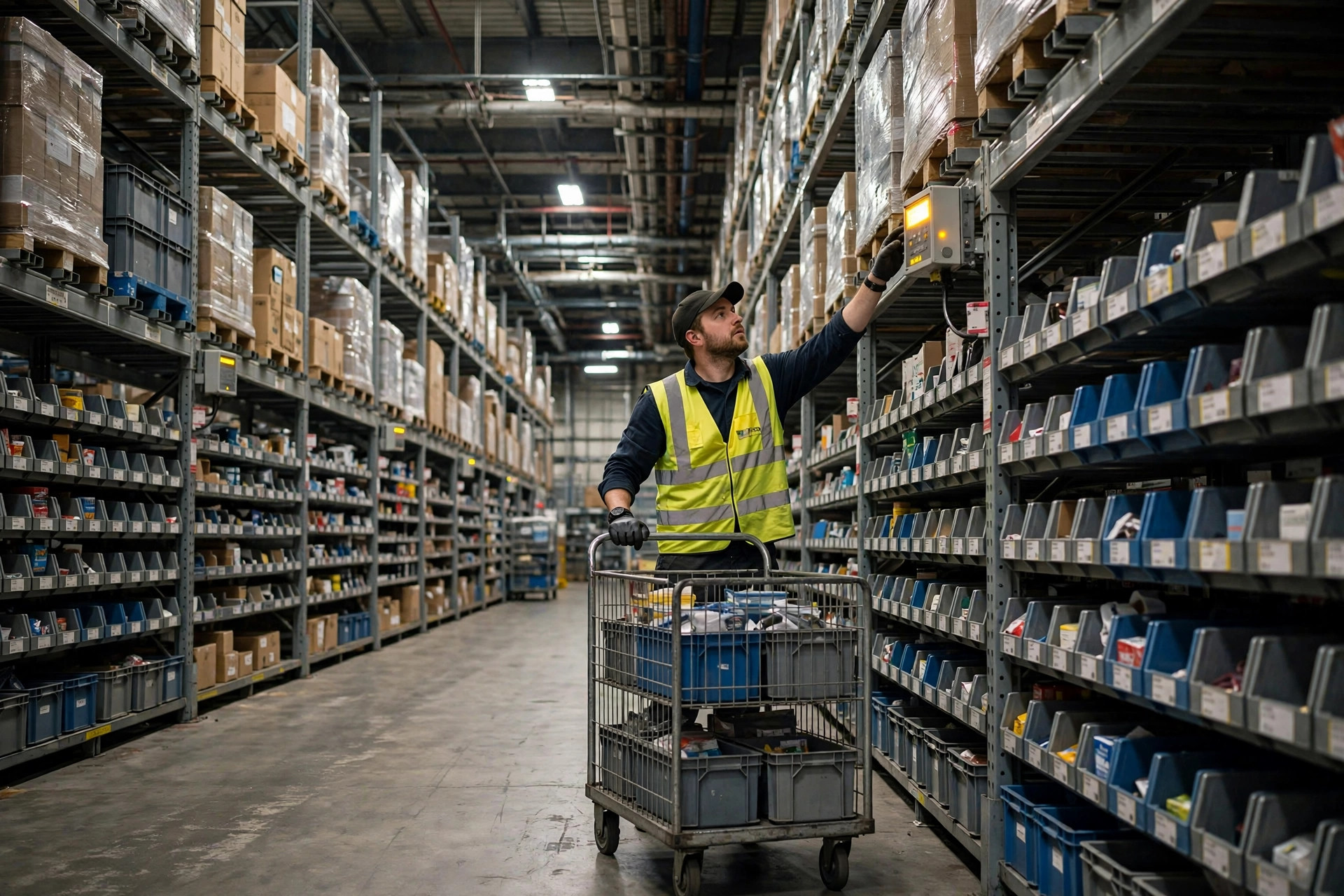
A picker who works the same zone for years knows every SKU location by muscle memory. I know a guy in Arizona - six years picking small items in his own zone, sustaining over 180 lines an hour. Moved next door, he dropped to around 120 on day one and needed two weeks to recover. That gap is the hidden tax on every move.
The flaw of fixed zones is equally obvious: some zones are drowning while others are idle. From 8 to 10 a.m., Zone A is backed up with waves queued at the pick modules while Zone C has nothing, a few people leaning against the racking scrolling their phones. Supervisors see it. But moving people costs: five minutes to walk across the building, 15 minutes to find a rhythm, then the next wave calls them back. Move someone twice a day and net productive time shrinks.
So the real problem with fixed zones is not inflexibility - all volatility gets passed straight to overtime and headcount buffers. Peak season means hiring temps to pad the peaks; off season means paying people to stand around. For steady-volume warehouses, that trade can be perfectly rational - my decision line is in the math section below.
How to Do the Math Right
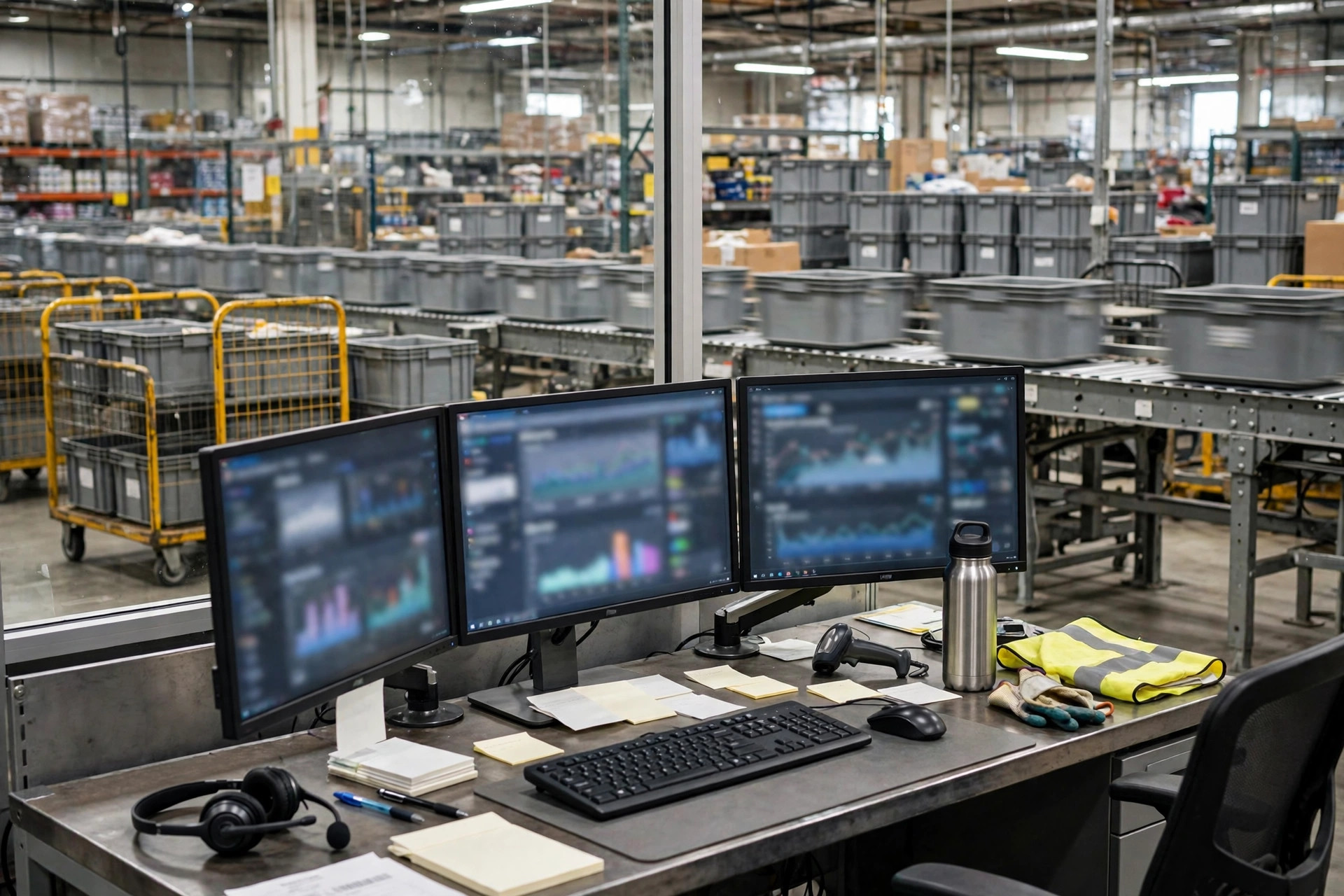
WES dynamic scheduling is simple: the system reads live task-queue depth per zone, wave release cadence, and each picker's productivity coefficient, then computes which zone runs short of labor in the next hour and recommends moves. More advanced setups factor in skill tags - who can drive a forklift, who can do gift wrap.
To get the accounting right, you need three numbers.
First, shortfall labor-hours: during the pile-up hours, how many hours of labor are you actually missing? Say Zone B is short 6 labor-hours between 2 and 4 p.m. At temp wages in the twenties per hour, one wave's shortfall costs just over a hundred dollars - trivial once, but across dozens of waves in a peak month, the bill adds up fast.
Second, relocation loss - the number everyone ignores. Every move has three costs: walk time, the efficiency discount in the first hour or two in an unfamiliar zone, and the error-rate bump - wrong bay, wrong spec, because the SKUs are unfamiliar. I always tell supervisors to run a simple experiment: one day, track reassigned pickers' productivity against a control group that stays put. Most warehouses are shocked the first time they measure it - a picker moved three times in a day can end the shift with lower net output than if he had never moved.
Third, buffer headcount cost. A fixed-zone warehouse typically staffs to around 80% of peak demand to survive peak waves. In the off season that buffer is pure waste. Dynamic reallocation pays when it flattens peaks enough that you dare to staff to roughly 60% of peak and cover the rest with moves and overtime.
My verdict: under about 10,000 lines a day, dynamic reallocation saves essentially zero headcount - volatility is too small and relocation loss eats whatever you gain. Smooth your wave release plan instead. Over 30,000 lines a day with big wave-to-wave swings, the overtime and temp-labor savings are real and visible. In between? Total up your shortfall labor-hours over three months before deciding.
A Three-Step Rollout: Data, Rules, People
If you decide to do this, do not just switch the feature on - follow this order.
Step one: get your task data in order. Collect at least two months of zone-level data - task release and completion volumes per wave, per zone, per half hour. Many warehouses stall right here: their WMS only reports at the daily level, and half-hour zone data has to be dug out of wave logs. Coarse data means the system's move recommendations are guesswork. While you are at it, record each picker's cross-zone efficiency, even a crude three-tier rating: proficient, average, novice.
Step two: set reassignment triggers - conservative, not aggressive. The best rule set I have seen looks like this: a move recommendation fires only when a zone's queue is projected to miss its wave window within 90 minutes; no individual gets moved more than twice per day; moves must be announced 30 minutes in advance. Rules that are too twitchy generate recommendations all day, supervisors stop looking, and the feature gets abandoned. Watch your acceptance rate - below half after three months, the rules or the interface need rework.
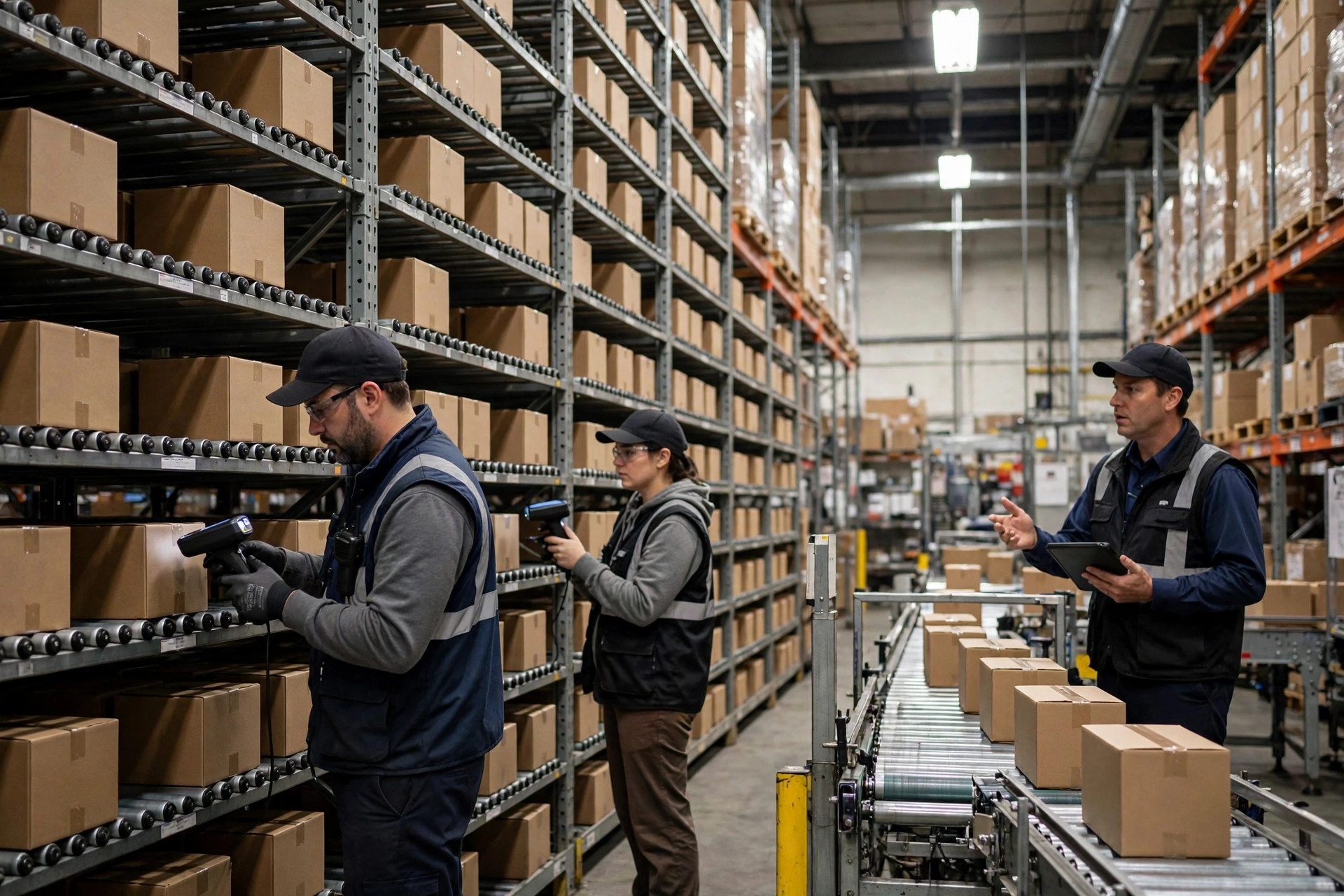
Step three: build a multi-skill crew, but do not expect everyone to be flexible. Reality check: out of 60 pickers, maybe 15 can work a different zone at full speed. My approach is to recruit 10 to 15 willing veterans into a flex team, cross-train them, and pay a skill premium of an extra dollar or two per hour. The flex team is what makes recommendations executable - when the system says move four people, you actually have four people who can move. Without them, dynamic scheduling is a paper exercise.
The Biggest Pitfall: Mutual Distrust Between People and the System
The one thing you must never do with reallocation is shuffle pickers around like chess pieces.
I have seen a warehouse move the same picker across zones 11 times in one week. On day four he told his supervisor: "Keep me fixed or I'm out." He was not being dramatic - every move tanked his piece-rate productivity, and lower productivity meant less pay. That warehouse later added a rule: anyone who gets reassigned is guaranteed piece-rate credit at their average rate from the two hours before the move. Grumbling dropped overnight. A tiny detail, but it decides whether dynamic scheduling survives.
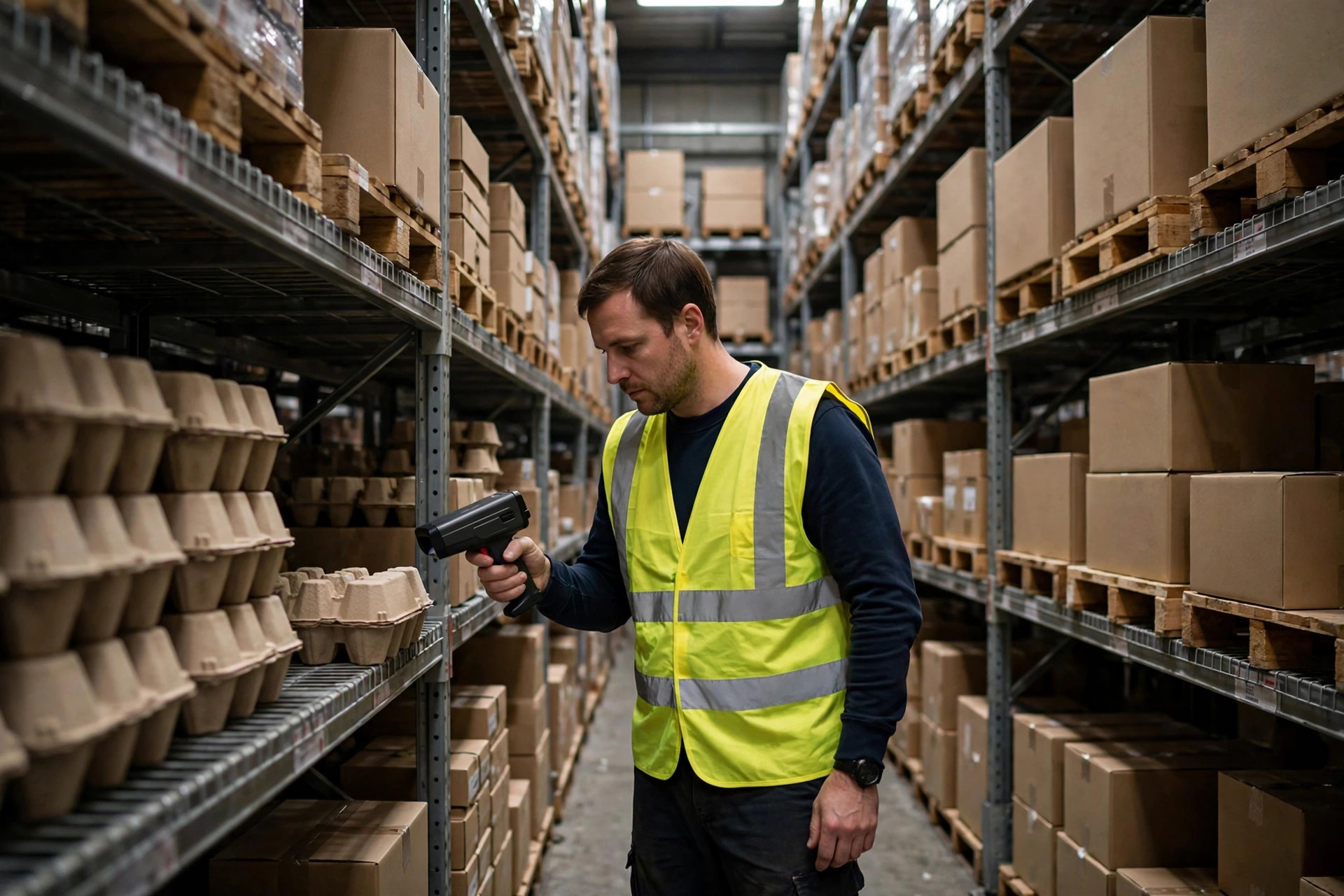
The other pitfall is the gap between the system's recommendation and floor reality. The WES sees task queues. It does not see that Zone C has two new hires today at 60% of veteran speed, that a replenishment driver is blocking half the aisles in Zone B so picking runs 20% slow, or that a veteran is leaving at 3 p.m. to pick up his kid. The floor supervisor carries all of that in his head. The right pattern is: the system recommends, the supervisor has the final call, and the system logs the reason every time a recommendation gets overruled. Reviewing those override logs after three months is the best material you will ever get for tuning the rules.
One more trap, usually planted by vendor sales reps: "our AI scheduling lifts efficiency 20%." Take it with a grain of salt. The ceiling depends on how much your volume swings and how strong your flex team is; in a low-volatility warehouse, no system schedules its way to big gains.
Something You Can Do Tomorrow
If you run a warehouse, here is one thing to do tomorrow morning: pull two weeks of wave records and draw a task-volume heat map by zone and hour. No fancy tools needed - a spreadsheet works. If the heat map shows zone peaks offset by more than two hours - Zone A slammed in the morning, Zone B slammed in the afternoon - your operation is a good candidate for dynamic reallocation, and the math is worth doing. If the peaks land at roughly the same time everywhere, your problem is not labor moves; flatten the wave release rhythm first, it pays more.
One question to take home: in your warehouse, is it "the system recommends and the supervisor decides," or "the supervisor's judgment gets logged by the system"? Neither is inherently wrong. But if you have dynamic scheduling switched on, check the acceptance rate after three months. Below half? Do not blame the system - the rules were most likely designed too ideally, with no slack left for the floor.