Frankly, most warehouse operators get one calculation wrong about warehouse work injury claims. They look at the medical bill and think that is the cost. It is not. I have seen too many operations file the claim, breathe out, and only then discover the real bill: a shift short a person, a new hire who needs weeks to get up to speed, a customer order that has to be re-promised, and a round of questions from outside that eats up the supervisor's whole week. So let me put my conclusion first. Prevention is not money spent on feeling safe. It is small money spent to block a much larger chain of costs that follows a single incident. Get that calculation straight, and the rest of the choices become easier.
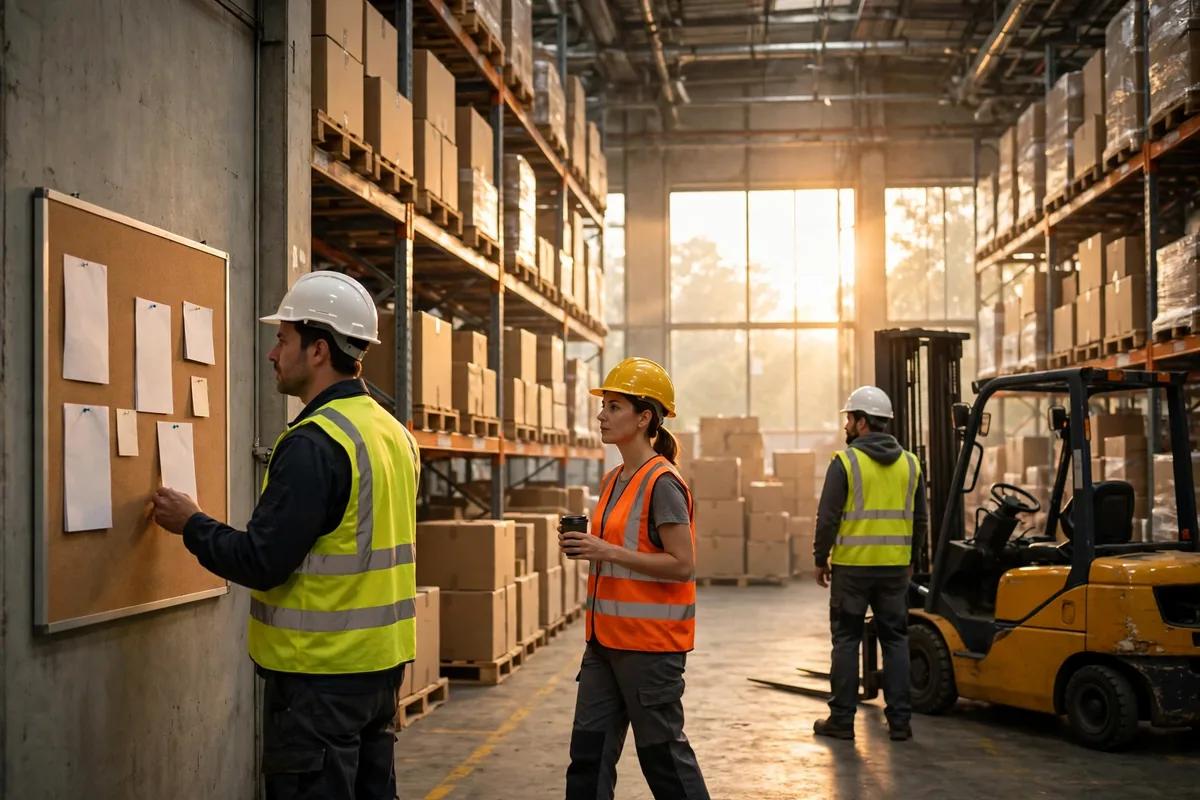
Let me tell you about a pitfall I watched happen with my own eyes. It was a distribution warehouse in California with roughly three hundred people, running hard through peak season. To keep up with orders, a new hire who had been on the job for two weeks was sent to a high-bay picking area after only half a day of walkthrough training. Nobody had walked him through the harness check or the equipment inspection routine step by step. On his third night shift, he slipped while reaching for a case at height. He was not seriously hurt, but his back was strained and he could not work at height for weeks. That left the team short one experienced hand in the middle of peak. The remaining pickers absorbed the volume, two of them later called in sick, and the supervisor spent every day rebuilding the roster. Then the claim triggered an internal review, and the training records, equipment check sheets, and rosters all had to be pulled together and explained. The supervisor barely did anything else for two weeks. This story has two sides, and both matter. On one side, the worker was hurt and deserved a proper, unhurried process. On the other side, half a day of supervised follow-up could have prevented the whole chain, at a fraction of the cost.
The Three Most Common Warehouse Work Injury Claims
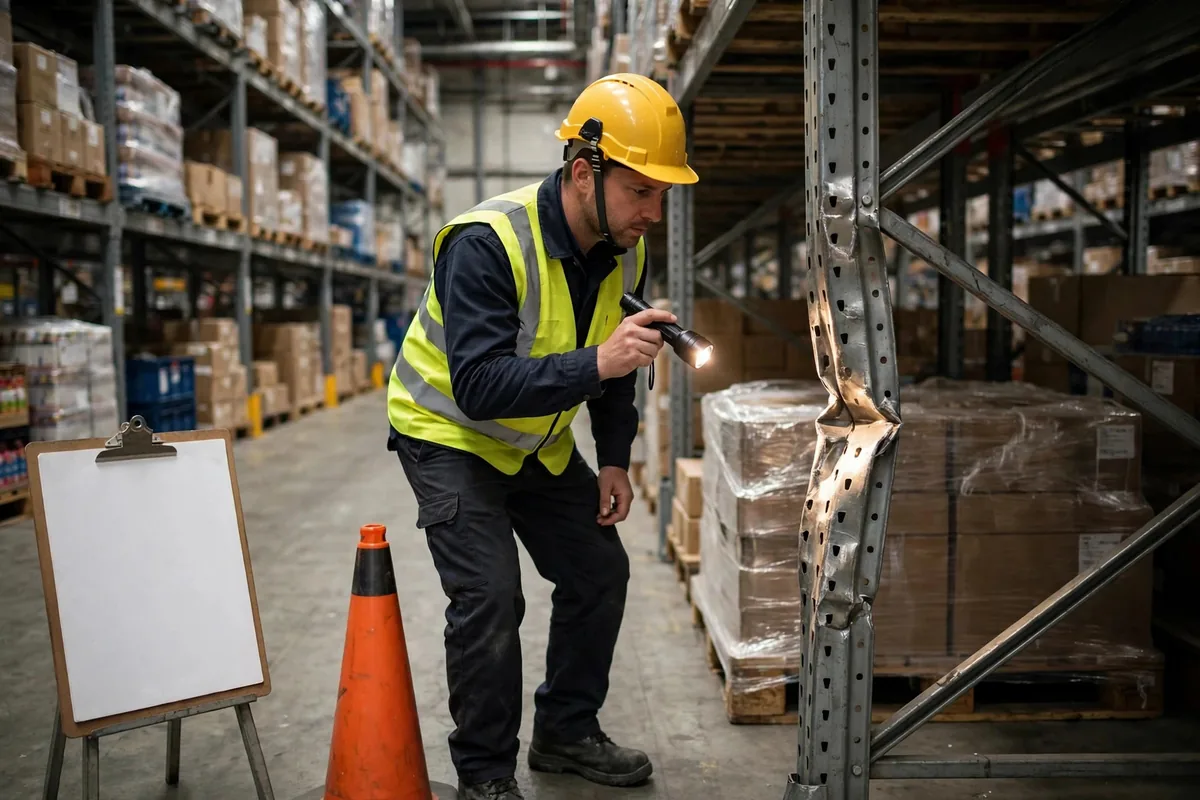
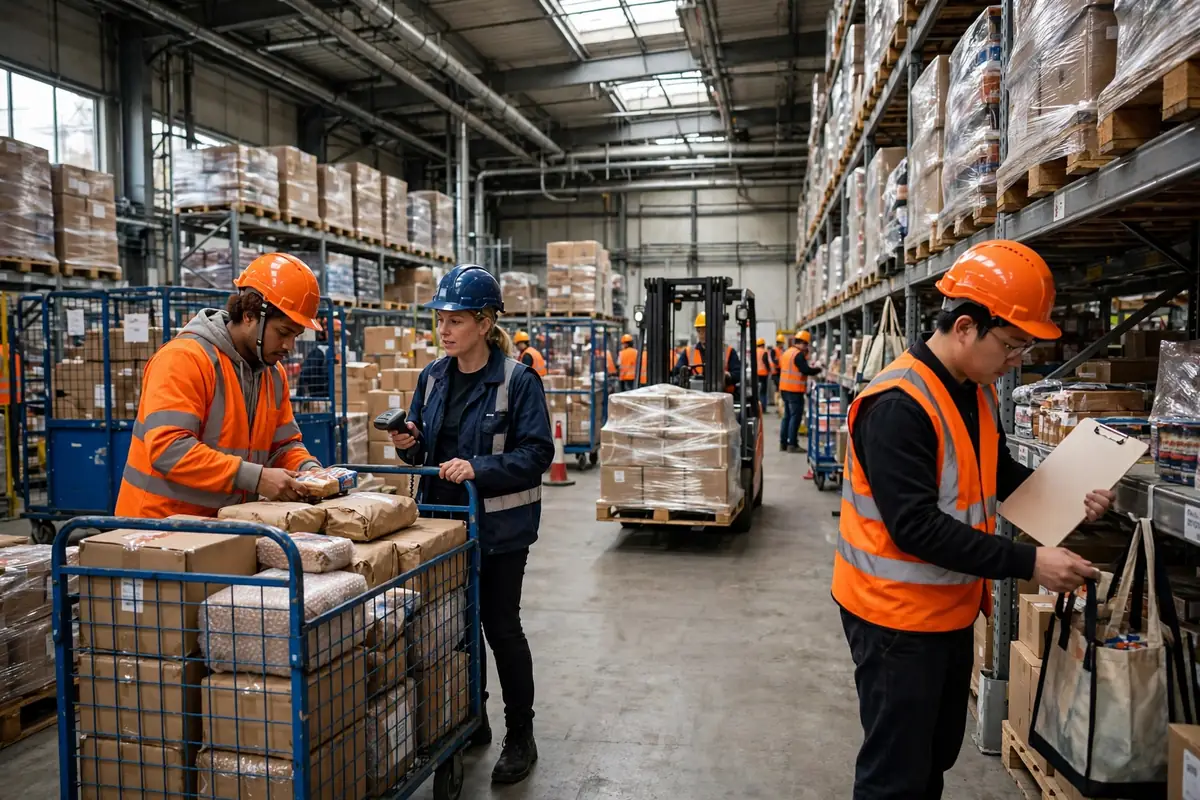
The first type is slips, trips, and falls: wet floors, loose stretch wrap, pallet corners left in walkways, and high work without proper protection. These claims show up most often in warehouses, and the causes are usually mundane rather than dramatic. It is rarely a major machine failure. It is floor discipline and work habits slipping a little at a time. The second type is lifting strain, from manually moving heavy cases with poor posture, or repeating the same lift without rotation. The injury often looks minor at first, but recovery is long, and when the worker returns, he or she frequently cannot do the original job yet, which means the team is effectively short a skilled hand for far longer than the incident itself lasted. The third type is being struck or caught by equipment or falling goods: a forklift turning with a blocked view, an unstable pallet stack, a case sliding from height. These incidents may happen less often than the first two, but when they do, the consequences and the follow-on costs are usually the largest, and they draw the most outside attention.
Warehouse Work Injury Claims and the Cost Behind the Bill
Too many managers count only the medical side. The claim itself is only the visible part. The hidden part is a chain. Direct costs cover treatment and the claim process. Indirect costs cover overtime to cover the gap, training for a replacement, the productivity lost while a skilled worker mentors a newcomer instead of picking, delayed orders that need explaining to customers, and management time spent on review and corrective paperwork. Put those items side by side, and the return on prevention stops looking like a soft benefit and starts looking like arithmetic. That is the full picture most people miss when they price warehouse work injury claims from the medical bill alone.
| Cost item | What it usually looks like without prevention | Where prevention money actually goes | | Medical care and claim process | One bill that looks manageable on its own | A clean, prompt reporting routine, no delays | | Downtime and cover | Short-staffed shifts, overtime, peak-season strain | Supervised onboarding, rotation rosters, skilled mentors | | Training and review | Emergency paperwork, supervisor tied up for weeks | Daily inspections, floor discipline, equipment checks on record | | Morale and outside attention | Workers grow nervous, reviews become more frequent | Open discussion of fixes, workers involved in safety checks |
Three Low-Cost Fixes With the Best Return
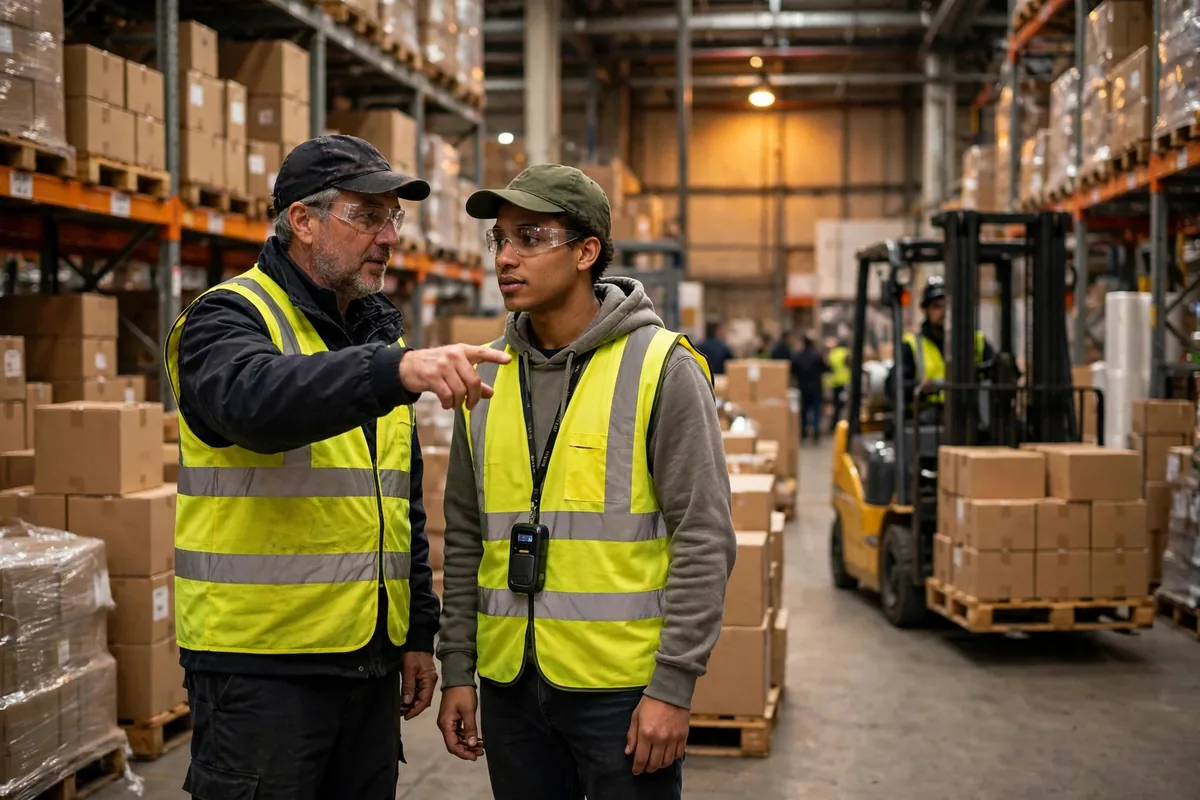
In the warehouses I have worked in, the prevention measures with the best return are three, and none of them is expensive. The first is supervised onboarding. A new hire should work alongside an experienced worker for the first two weeks, and should not work independently at height or on equipment until someone has signed off on that step. That step cannot be skipped to save a day. The second is a daily floor-and-stacking habit. Ten minutes at the end of each shift to clear aisles, square up pallets, and deal with spills and wrap sounds boring, but slip-type claims fall when that habit holds. The third is lifting rotation and lifting aids. Where an aid can do the heavy part, use it instead of asking people to muscle through. Where manual lifting is unavoidable, rotate the task so no one carries the same load all shift. That is not pampering workers. It is protecting the team's long-term output.
There are two sides to this as well, and I want to be clear about both. Good prevention does not guarantee zero claims, and a clean, transparent claim process matters just as much as prevention itself. When a worker is hurt, report promptly, give the worker proper rest, and do not sit on a report to make the numbers look better. A suppressed report always costs more than the claim it tried to avoid. For any specific rule, benefit, or filing requirement, check the official source for the latest policy, because rules change and warehouse practice must follow the current source, not memory. If you take one thing from this article, make it a question for your own floor: which link is weakest right now, new-hire training, floor discipline, or lifting rotation? Fix the weakest one first.
By Lao Mi, Supply Chain Veteran (20 yrs)