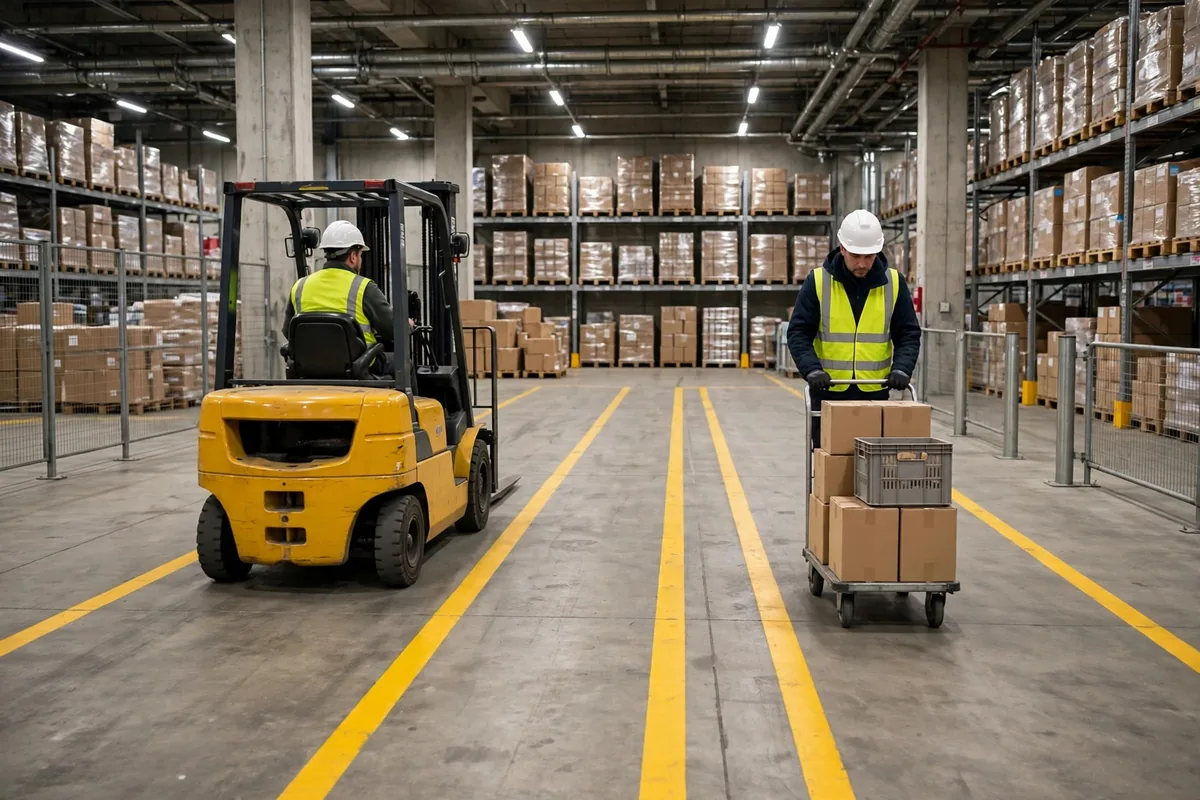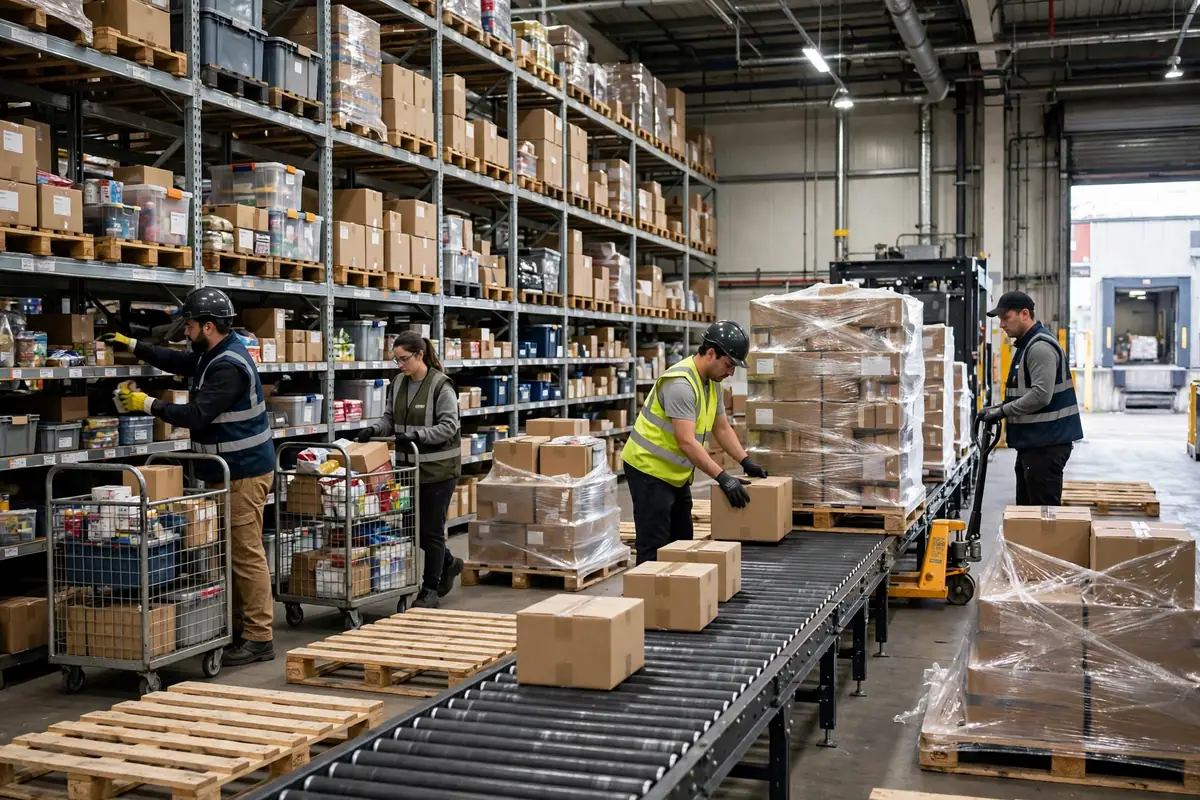
Running wave picking and cross-dock on the same shift, most people's first reaction is: both are in a hurry, so they must collide. My view is the opposite. It is not the two processes that collide. It is the same set of resources being pulled by two different rhythms. Think of it this way: two conveyor lines sharing one intersection, one dispatching on a fixed schedule and the other moving whenever a truck arrives. With no traffic light at the intersection, a collision is only a matter of time. That is the core of wave picking and cross-dock same-shift scheduling.
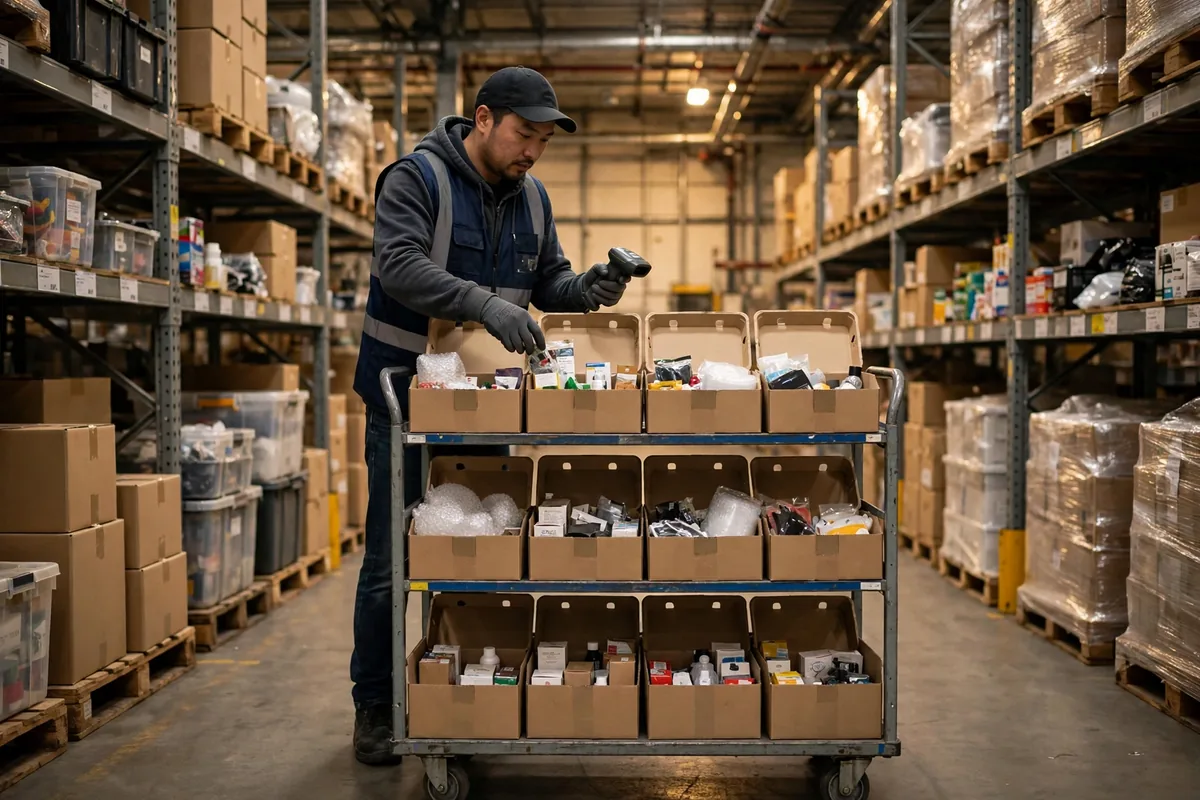
I saw this in a warehouse distributing fast-moving consumer goods. A picking wave was halfway through its morning run when a cross-dock truck arrived. The dock team pulled two pickers off the wave to unload it, and the wave's tail slipped by more than forty minutes. The cross-dock side did not get much faster either, because the sortation area was still occupied by the wave's pallets, so the cross-dock freight ended up stacked along the aisle. Both sides felt the other had stolen their time. In reality, the shift plan had never mapped the collision in the first place.
Wave Picking and Cross-Dock on the Same Shift: Line Up the Beats First
Start with the principle. Wave picking runs on a batch beat: orders accumulate, then release together, and pickers walk a full round in step. It is orderly, but it hates being interrupted mid-wave. Cross-dock runs on an arrival beat: freight comes in and goes straight out without touching a storage location. It is fast, but it hates waiting, because every minute a truck sits at the dock is a minute burned at the door.
Put the two beats on one table and the collision points jump out:
| Resource | How wave picking uses it | How cross-dock uses it | Collision window |
|---|---|---|---|
| Dock doors | Concentrated use at wave shipping | Immediate use on arrival | The hour before wave cutoff |
| Sortation area | Staged by wave | Staged by arriving truck | When two batches stage at once |
| Labor | Whole team follows the wave | People pulled as trucks arrive | Mid-wave, when labor is tightest |
The first step in lining up the beats is not asking both sides to give way. It is booking cross-dock arrivals into the gaps between waves. If a wave changeover leaves a half-hour gap, schedule the cross-dock truck around that gap. If it cannot be scheduled there, at least know its arrival time in advance instead of discovering it when the truck is already at the door.
Where Wave Picking and Cross-Dock on the Same Shift Collide Most
A second lesson came from another warehouse in peak season. Its cross-dock volume was small but its wave volume was large, and the manager assumed a few cross-dock pallets could just be handled on the side. Three points failed in turn.
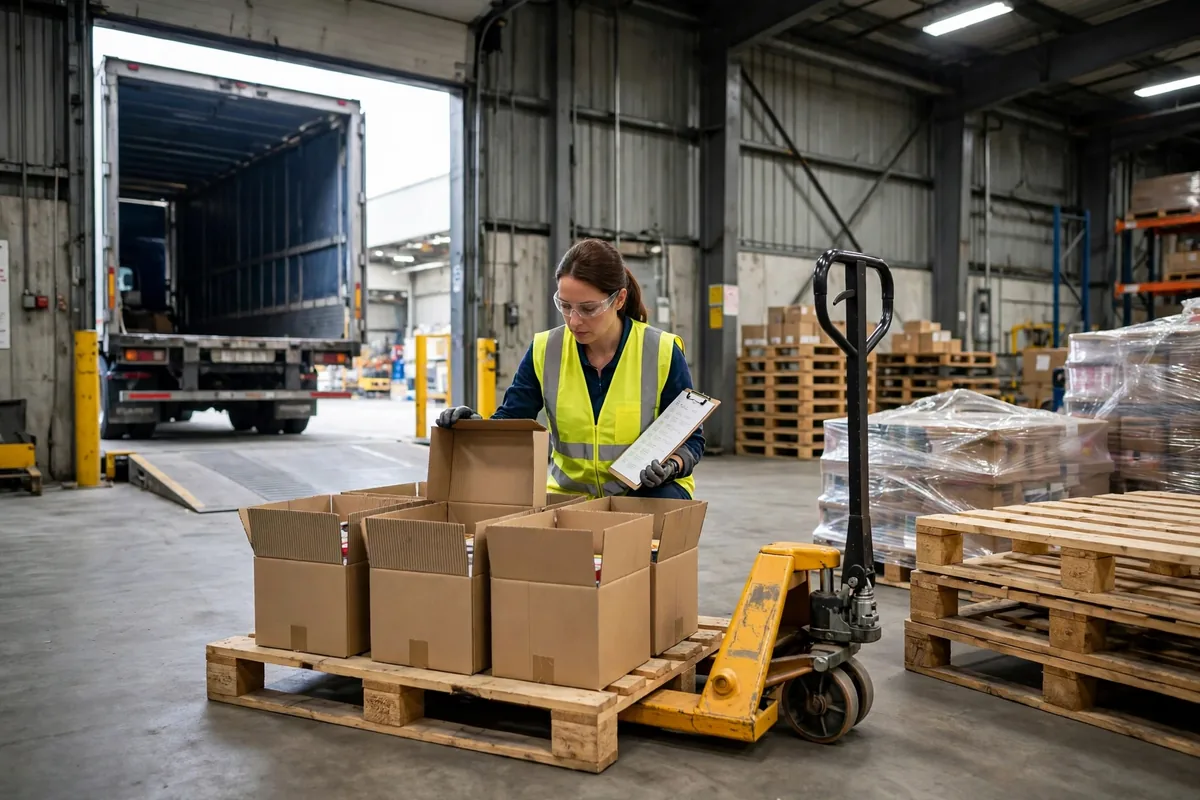
First, the dock. A cross-dock truck and a wave shipping truck needed a door at the same time. The dispatcher, going by feel, let the cross-dock truck in first. The wave truck waited outside, and by cutoff the wave's tail had to be split across shipments, adding freight and labor cost.
Second, the sortation area. Cross-dock freight needed a clean temporary staging surface, but the wave's pallets had not cleared yet. Two batches mixed in the same zone, a picker grabbed the wrong pallet, and the error was only found the next day when it reached the wrong customer.
Third, labor. Cross-dock does not eat most of its hours in unloading. It eats them in sorting and verification. The manager pulled two people from the wave team expecting them back in half an hour. Verification jammed, and they were gone for an hour and a half. The wave's progress dropped a full notch.
These three points share one root cause: none of them had a slot in the shift plan. Work with no slot on the plan can only be won by grabbing, and grabbing always leaves a loser.
Draw the Shift Plan So Collisions Show Up First
My method is crude, but it works: before the shift, draw every task on one timeline. Waves are long bars, cross-dock arrivals are vertical lines, and any vertical line landing in the middle of a long bar is a collision. Once collisions are visible, there are three fixes, in priority order.
One is staggering: book cross-dock into wave changeover gaps, or shift a wave release by half an hour so the vertical line lands outside the bar. Two is zoning: give cross-dock its own staging surface, even a small one, rather than sharing ground with the wave. Three is fixed staffing: assign a standing cross-dock team and stop pulling people from the wave team on the fly. When it gets busy, let cross-dock queue rather than hollowing out the wave.
One detail is easy to miss: verification must be timed separately. Many shift plans count unloading and sorting but not verification, so when verification jams, the whole line jams. Write verification time into the plan, or the collision has not really been planned for.
Here is the counterintuitive point: faster cross-dock does not mean a faster day. If one cross-dock truck leaves half an hour early at the cost of pushing the whole wave an hour late, the day's on-time shipping rate goes down, not up. The dispatcher should watch the shift's overall on-time rate, not the speed of a single truck.
Worth It or Not: Judge by One Number
To close with an engineer's test: wave picking and cross-dock on the same shift is worth it when you watch one number, dock conflict minutes. The math is simple. Add up every minute in the shift when cross-dock use and wave use overlap and one side ends up waiting. If that total passes an hour, the shift plan itself is broken, and no amount of firefighting on the floor will fix it. If it stays under half an hour, mixing the two rhythms pays, because the storage space and second handling that cross-dock saves more than cover that bit of waiting.
I suggest managers review this number weekly, instead of judging the week by feel as smooth or chaotic. Numbers do not lie: falling conflict minutes mean staggering and zoning are working; steadily rising minutes mean cross-dock volume has outgrown the current doors and staffing, and it is time to add a door, add staff, or move part of the cross-dock volume to another shift, rather than keep forcing two rhythms to collide in the same shift.
By Da Liu, Automation Engineer