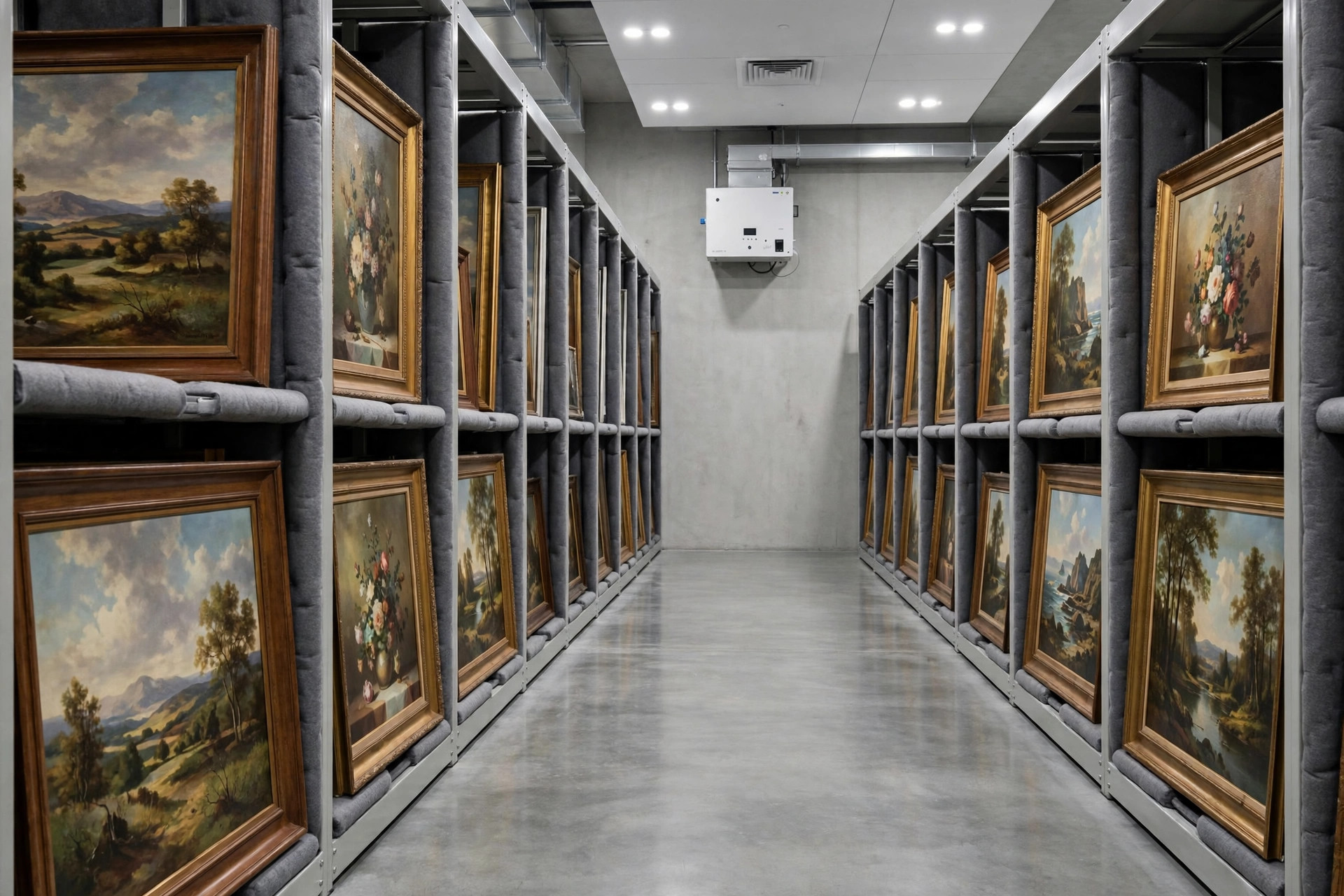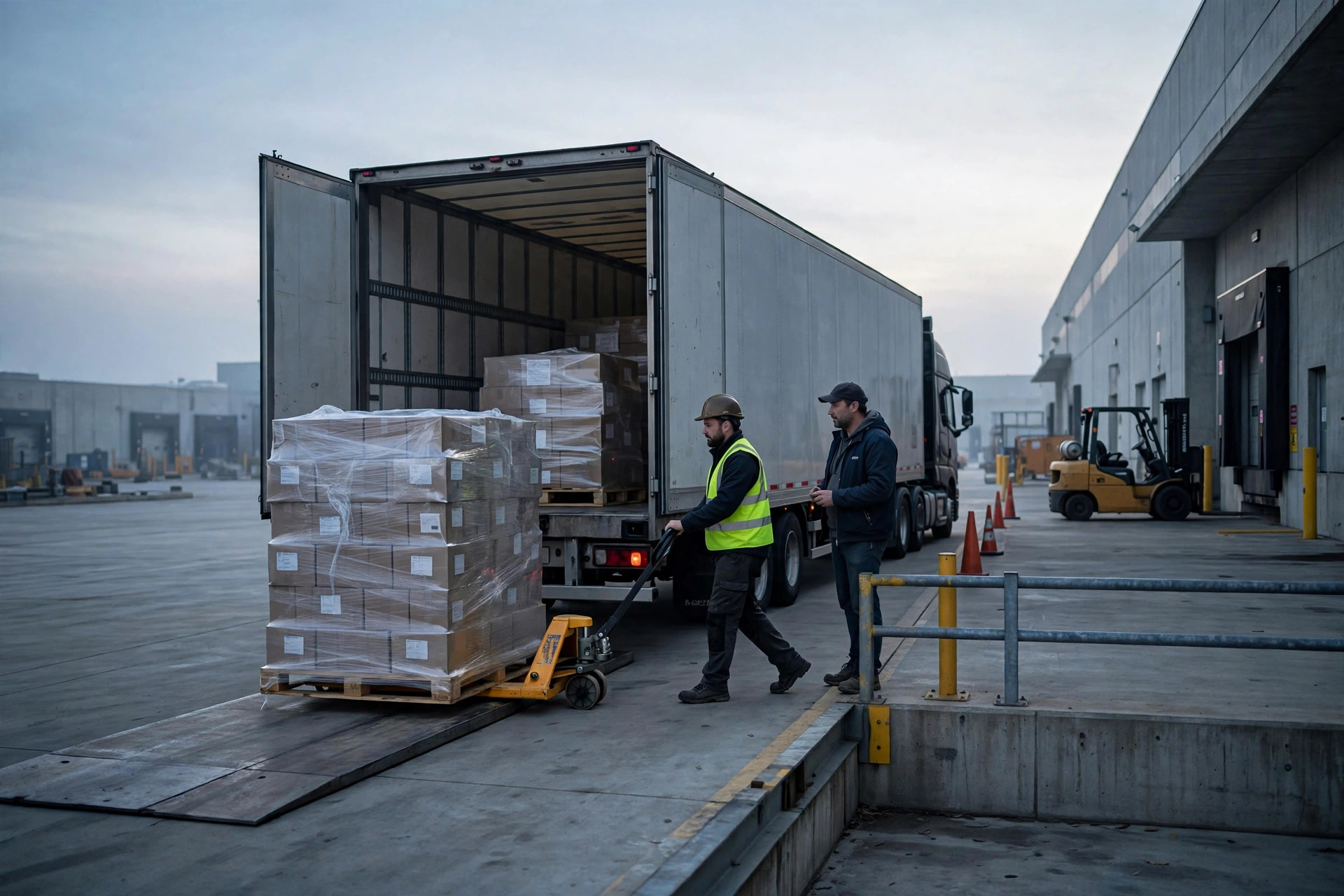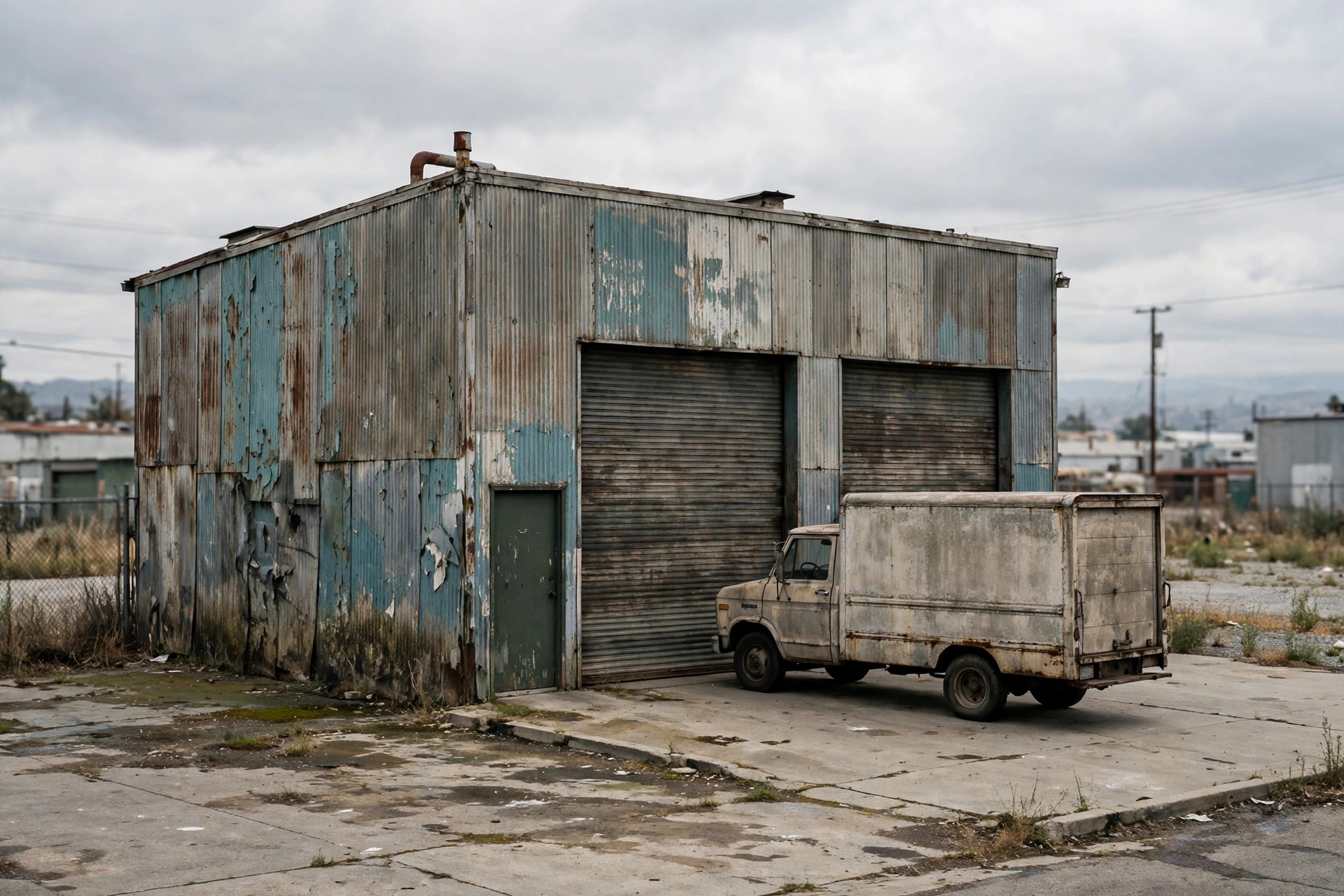
Last fall, my broker forwarded me an email. Polite wording, blunt message: after reviewing our warehouse, the underwriter had decided not to renew.
My first reaction: this has to be a mistake. A dozen-plus years, zero claims, premiums paid on time every year — and they just walk away?
Turns out it wasn't personal. It was the model. Our warehouse sits outside Ontario, California — a 1970s building, a little over 20,000 square feet, no sprinkler system. Carriers have been quietly pulling back from exactly this profile: old building plus no sprinklers. Not me specifically. The whole category. I went back to my broker, then to another one a friend recommended. Both shook their heads: in the standard market, nobody will touch a building like yours.
That's when I learned the small-warehouse owner's hidden threshold. It's not whether you can afford the premium. It's whether anyone will take your money.
Surplus lines: the market for risks nobody wants
Cornered, my broker said two words: surplus lines.
Here's the plain version. In the U.S., insurers come in two flavors: admitted carriers, whose rates are filed with and approved by the state, and non-admitted carriers, which operate legally but outside that rate-approval system. The admitted market cherry-picks the good risks. Everything old, odd, or hairy falls to the surplus lines market. It's not a black market — many of these companies are large and well-capitalized. They just don't play by the state's rate-filing rules.
There's a catch to getting in. In California, your broker has to show they made a real effort to place you in the admitted market first — generally that means collecting declination letters from at least three standard carriers. Those two rejection emails that ruined my week? They became my ticket in. Don't be embarrassed by a declination letter. Collect them.
The broker matters too. Not every agent can write surplus lines business — it takes a special surplus lines license. Ask straight up: "Do you hold a surplus lines license?" If not, ask for an introduction to a wholesale broker who does. In the small-warehouse grapevine, word travels fast. Find out who just got placed and copy their homework.
What it costs: set your expectations
Blunt truth first: surplus lines costs more than the admitted market. Expect something like 30% to 50% more as a rough order of magnitude — for a small warehouse, that means several tens of thousands of dollars a year. Exact numbers vary by carrier and building; get a current quote rather than trusting anyone's old figures, mine included.
But that's the wrong math. Here's the right one:
| Option | Available to old warehouses? | Cost | Coverage | For whom |
|---|---|---|---|---|
| Admitted market | Basically no | Cheapest | Fullest, state guaranty fund backs it | New buildings with sprinklers |
| Surplus lines | Yes, with declinations | ~30–50% more | Solid, watch the exclusions | Old small warehouses like ours |
| Going bare | — | Zero | Zero — one fire and you're done | Gamblers |
A small warehouse like mine can't afford to burn money — but going bare doesn't burn the premium, it burns the whole business. Next to that, 30% more isn't expensive at all.
The cheap fix that cut the premium
This is the most valuable part of this whole story.
My neighbor Lao Chen runs a 10,000-plus-square-foot warehouse near Rancho Cucamonga, storing plastic pellets and packaging materials. He got non-renewed in 2024 and was furious. His broker gave him advice that sounded backwards: don't buy yet — fix the place up first, then re-quote.
Chen spent a few thousand dollars and did this:
- Put up enough fire extinguishers to meet the fire department's requirements, with current inspection tags, replacing every expired one
- Cleared all the stock blocking the fire lanes and doorways, kept aisles open
- Installed monitored smoke alarms that ping his phone
- Tidied up the sketchy wiring and cleared space around the electrical panels
- Lowered stack heights to keep proper clearance overhead
Then he photographed everything and sent the pictures to his broker. The re-quote came back roughly 30% lower. A few thousand dollars of fixes, paid back in a year with change.
The traps hiding in the policy
Don't sign the moment the policy arrives. These are the clauses that bite small warehouse owners:
Exclusions. Flood and earthquake are basically never in the default package. In California, those are separate policies with separate premiums. Don't discover the exclusion after the water's already inside.
Coinsurance. Underinsure and the carrier discounts your claim proportionally. Insure $600k of a $1M stock and you might only collect 60 cents on the dollar. Cutting coverage to save money is digging your own hole.
How the building is valued. For an old building it matters enormously whether claims pay replacement cost or depreciated actual cash value. Ask before you sign.
No state guaranty fund. This is the big structural difference from the admitted market: if a surplus lines carrier goes under, the state guaranty fund doesn't cover you. So don't shop on price alone — check the company's financial strength and ratings.
The counterintuitive part
My broker told me: raise your deductible voluntarily, and the premium drops noticeably.
I hated the idea at first — a higher deductible means small losses come out of my pocket. Then it clicked. What keeps a small warehouse owner up at night isn't a $5,000 nuisance claim; it's the fire that takes half the building. High deductible plus lower premium is exactly the right combo for us: transfer the catastrophe, self-insure the nuisance. We small warehouses can't afford to burn money — but we can afford to own the small stuff.
Advice for warehouses like mine
- Don't wait until two weeks before renewal. Start two or three months early so a rejection still leaves you time.
- Don't throw away declination letters. Collect at least three — they're your admission ticket.
- Fix first, quote second. A few thousand dollars of improvements can shave a serious chunk off the premium.
- Push the deductible up voluntarily. The premium responds immediately.
- Find a broker with a surplus lines license. Ask around the circle who's been placed recently.
- Read the exclusions and the coinsurance clause, not just the price.
Getting rejected by the standard market isn't the end of the world. The surplus lines path exists precisely for risks like ours — the ones nobody wants. The road is open. It just takes a few extra steps and a bit more money. Compared with going bare, it's money well spent.
By Xiao Ma, Small Warehouse Owner