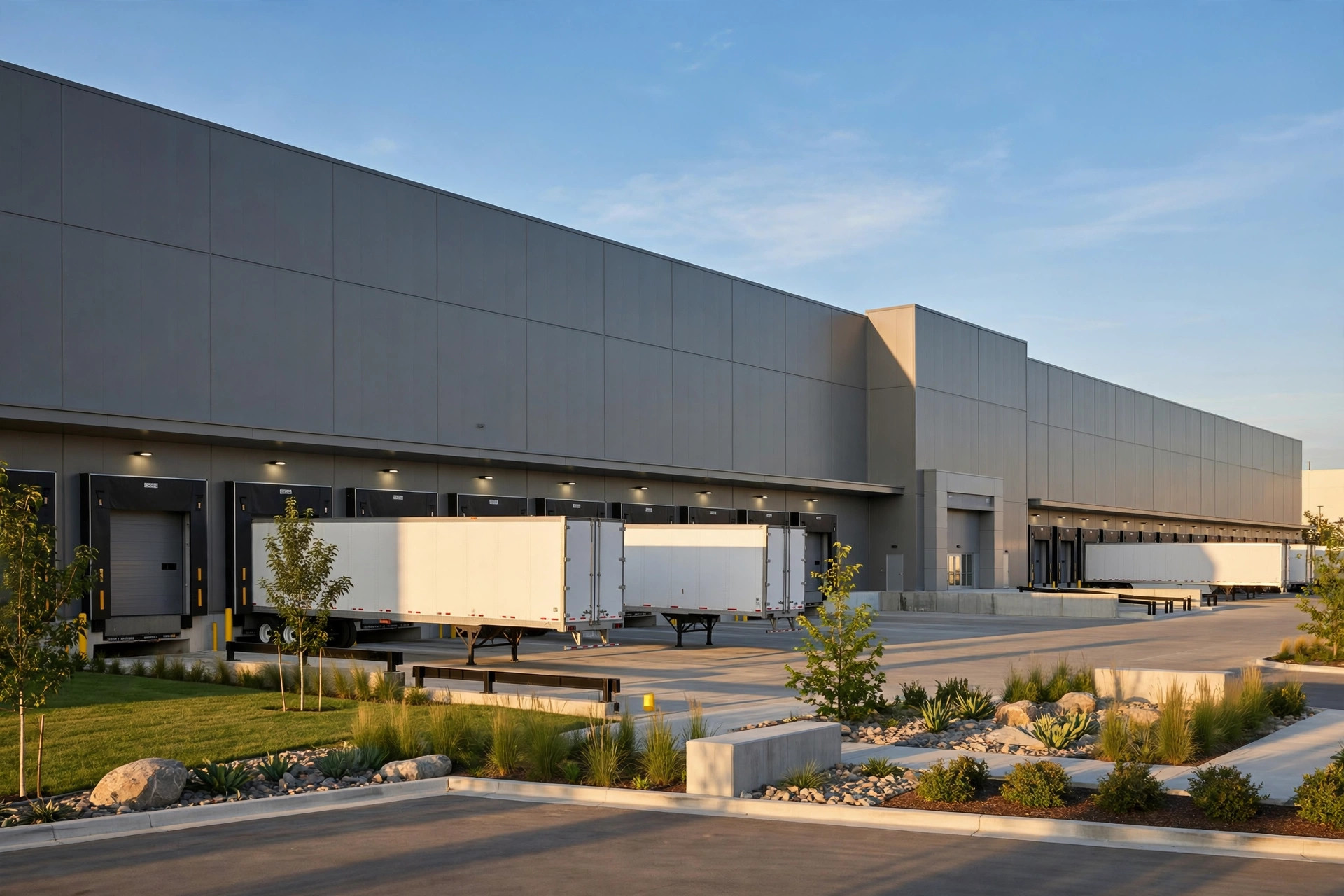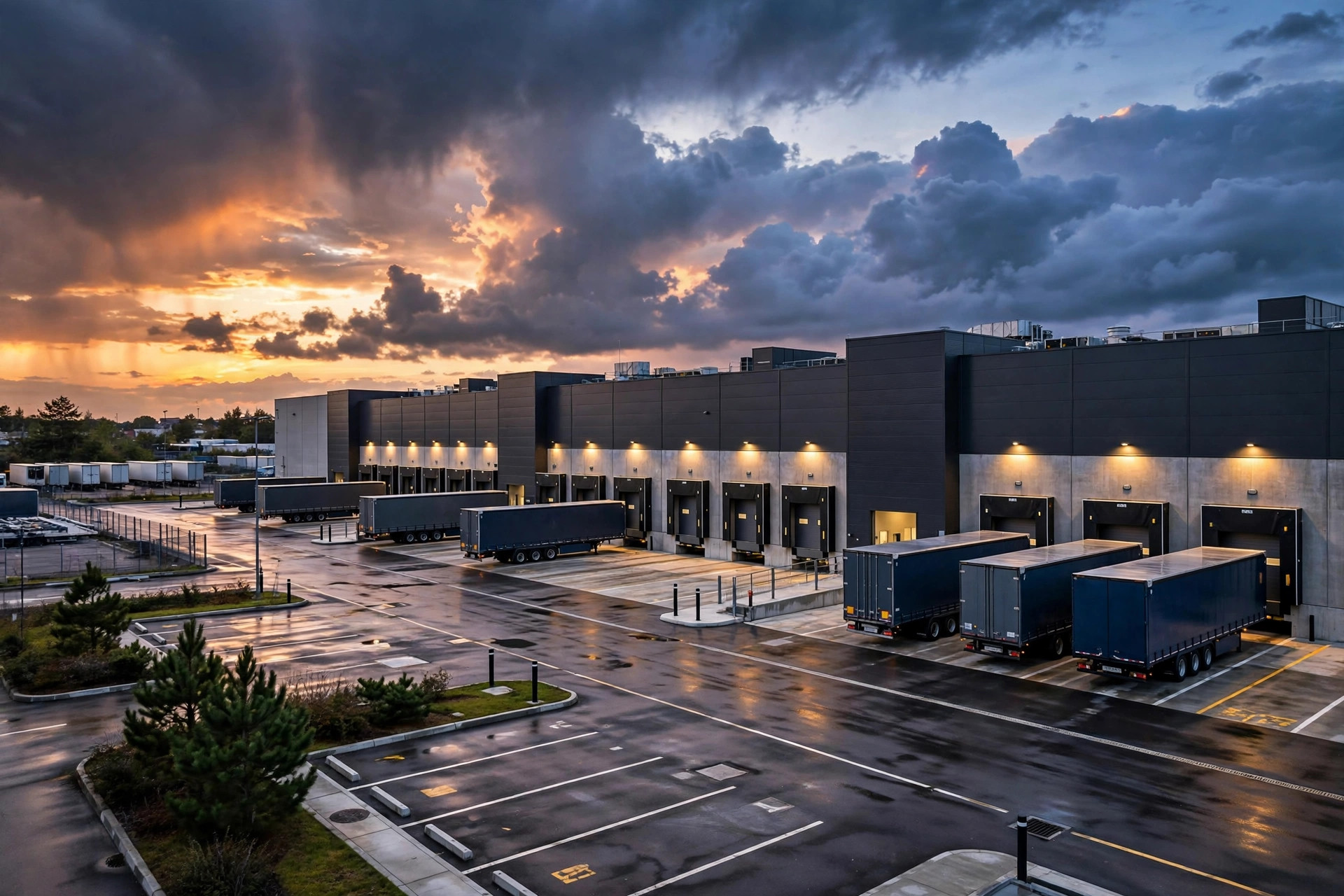
We had a client with a warehouse outside Houston. One storm night last fall, wind-driven rain forced its way through aging dock door seals and soaked tens of thousands of dollars' worth of inventory. The adjuster came, walked the aisle, snapped a few photos. Two weeks later the denial letter arrived: flood exclusion. Not covered.
The owner forwarded me the letter and asked what to do. I told him what I tell everyone facing a warehouse insurance claim denied on first review: it's not a verdict. It's an opening offer.
A Denial Letter Has Three Things Worth Reading
Most denial letters are one or two pages of template language. Buried in them are three things that actually matter:
First, the specific policy section cited. A serious denial references the exact clause — "Section X, Paragraph Y." If the whole letter is vague hand-waving ("per the terms of your policy," "determined not to be a covered loss") with no clause number, congratulations: that's a template denial, and your odds on appeal just went way up. A letter that names the clause means the adjuster actually read your policy, and you'll need to fight on substance.
Second, the cause of loss as the carrier defines it. This is the whole ballgame. Our Houston client was denied for "flood." But standing water rising from the ground is flood; rain driven horizontally through a failed dock seal is wind-driven rain — and in insurance language, those are two completely different provisions. We brought in an independent adjuster and laid out the evidence: photos of the deteriorated seals, that night's weather records, the site's drainage grading. The carrier reversed itself and paid the bulk of the claim.
Third, where and how to appeal. The letter's final paragraph usually names the appeal address and required format (written, email, portal). Appeal deadlines vary widely by state — go by your policy language and your state's law, not by something you read online. I have watched people blow a winnable appeal by missing a deadline they didn't know existed.
One insider detail most people miss: the adjuster who signed your letter often isn't the one who decided. The real audience for your appeal is the review desk behind them. So write your appeal for a reviewer, not for the person who signed the template: clause numbers, exhibit numbers, one point at a time, zero emotion.
Hard Denials vs. Soft Denials: Don't Waste Energy on the Wrong One
Before you appeal, classify the denial. It changes everything. A warehouse insurance claim denied for "insufficient documentation" is the most appealable kind there is — don't treat it like a coverage fight.
| Hard denial | Soft denial | |
|---|---|---|
| Typical reasons | Exclusion squarely applies (flood, earthquake), policy lapsed for non-payment | Thin documentation, late notice, lowball valuation, alleged "poor maintenance" |
| Nature | Not covered at the contract level | Not paid yet at the evidence/process level |
| Appeal value | Low — unless the carrier misread its own clause | High — most reversals happen here |
Three questions decide whether to fight: (1) Does the cited clause actually say what the carrier claims it says, in the full policy wording? (2) Has the cause of loss been "translated" into a less covered peril? (3) Do you hold evidence the adjuster never saw? One yes, and the appeal is worth filing.

Your Appeal Evidence Checklist — Build It as a Chain
Carriers don't fear loud policyholders. They fear complete evidence chains. Assemble yours in this order:
- Incident timeline — when the loss was discovered, by whom, what was done immediately (pumping water, moving goods, photographing), down to the hour.
- Timestamped photos and video — taken the day of the loss, not three days after cleanup. Water lines, damaged goods, points of entry. More is more.
- Maintenance records — roof, dock door, and drainage service contracts and inspection reports. This is the trump card against "wear and tear" denials. A client of ours in California's Inland Empire got a roof-leak denial reversed by producing quarterly roof inspection reports proving the last inspection was clean — the leak was sudden, not gradual.
- Third-party report — from a public adjuster or independent engineer.
- The full policy plus endorsements — not the summary brochure. You can't argue clause language you haven't read.
When to Hire a Public Adjuster — and When to Settle
One rule: hire a public adjuster when the carrier's version of what happened smells wrong, or when its valuation and your actual loss are in different zip codes. A public adjuster works for you, not the carrier, and typically charges a percentage of the final settlement — the exact structure varies by state rules and contract, so ask before you sign. For small claims where the fee would eat the recovery, skip it and run the checklist above yourself.
Then comes the trade-off nobody talks about: settle or fight to the end? My rule of thumb — if the carrier's revised offer covers your real, documented loss minus a defensible deductible, take it and get back to business. Appeals cost management time, and every month of dispute is a month your cash is stuck. Fight to the end only when the principle affects your next renewal (a wrongly recorded cause of loss follows your policy history) or when the gap is big enough to justify the fight.
The State Regulator Card: Play It Earlier Than You Think
Most people treat filing a complaint with their state's Department of Insurance as the last resort. That's a mistake. My advice: once one round of internal appeal goes nowhere, file.
Every U.S. state has an insurance department that takes consumer complaints, most with online portals (the NAIC's consumer directory links to each state's process). Filing is free. You'll need your policy information, the denial letter, your correspondence history with the carrier, and a clear statement of the outcome you want.
Two honest caveats. A regulator cannot order a carrier to pay a claim that is genuinely excluded — no complaint fixes that. But regulators have two sharp tools: the carrier must formally respond to the inquiry within a set timeframe (the brush-off script that worked on you doesn't work on them), and your complaint enters the NAIC complaint database as part of the carrier's official record. Most warehouse insurance claim denied cases that reach a state regulator share one trait: the carrier never expected anyone to push back. Enough complaints, and the department comes knocking. I have seen files that sat dead for months suddenly move within weeks of a regulatory inquiry.
Here's the contrarian truth most brokers won't tell you: the first denial costs the carrier almost nothing — it's a template, a junior adjuster, a fifteen-minute decision. The appeal is where the real negotiation starts. And the single biggest predictor of whether an appeal wins isn't the lawyer you hire. It's the photos you took on the day of the loss.
One more piece of insider advice, for your next renewal negotiation. Don't just shop premiums — shop wording. Ask your broker three questions: (1) How does this policy's water-damage language treat wind-driven rain versus flood — are they separate provisions? (2) What are the notice and appeal deadlines, and can you confirm them in writing? (3) What was this carrier's denial rate and average claim cycle time last year — the broker has the data, but won't volunteer it.
So the next time a warehouse insurance claim denied letter lands on your desk, remember to ask those three questions first — then start building your evidence chain.
By Susan, 3PL Sales Director