My verdict up front: a warehouse solar rooftop lease looks like free rent until the first leak, the first exit negotiation, and the first buyer who discounts your building because the roof is spoken for. I have watched owners sign for the rent cheque and spend years paying for clauses they never read. A warehouse roof is not spare space. It is the one surface standing between your tenant's goods and the weather, and leasing it out is a long commitment that deserves the same suspicion you would give any long contract.
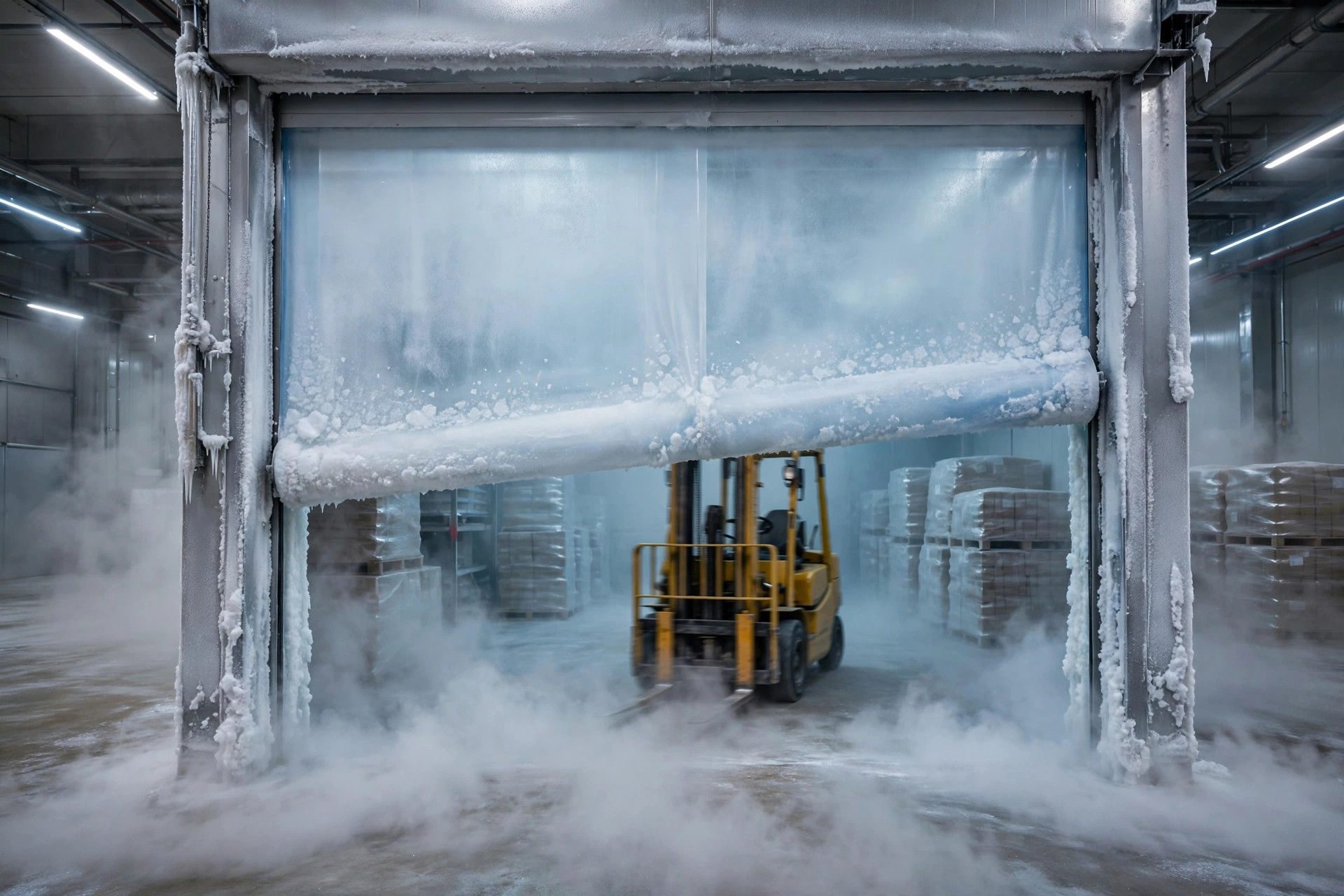
One case from North Rhine-Westphalia in Germany stays with me. The owner leased the roof, collected rent happily for two years, and then meltwater started dripping into the storage area after a hard winter. The tenant sent the damage claim to the owner. The solar operator said its mounting work never touched the waterproofing layer. The owner said the roof never leaked before the panels went up. They argued for months, and the owner eventually paid for the repair himself just to keep the tenant. That is the trade-off in one story: the rent is real money, but one undefined leak clause can eat several years of it.
warehouse solar starts with structure and remaining term
Most owners ask about rent first. I ask two other questions. First, how much structural load margin does that roof actually have left? Older warehouses were never designed to carry a second layer of equipment, and the condition of insulation and waterproofing on a twenty-year-old roof is a fact you establish with an engineer's report, not a guess. Pay for the assessment. If the report says no, the answer is no, whatever rent is on the table.
Second, does the term fit your own horizon? Solar projects want long occupation. Your warehouse lease, your land arrangements, and any plan to sell or re-tenant the building have to survive that commitment. I saw a warehouse in the Netherlands where a long rooftop deal became a discount argument the moment the owner tried to sell; the buyer priced the encumbered roof as a problem, not a bonus. Easy to sign, hard to unwind. That asymmetry should be priced before you sign, not discovered after.
Do not forget your own future use of that roof either. Rooftop plant, skylight repairs, and inspection access all need space and routes. Once panels cover the surface, every maintenance visit becomes a negotiation unless the contract reserves your access clearly. Reserve it on paper while everyone is still friendly.
Four clauses a warehouse solar rooftop lease must nail down
First, leaks. Photograph and document the roof's condition before installation, have both sides sign that record, and write down how responsibility is determined when water appears near fixings, mounts, or blocked drainage. Engineering disputes get settled by records, not by volume.
Second, removal. Cover contract expiry, operator failure, and your own need to recover the roof, and state who pays for removal in each case. Consider a removal guarantee or equivalent security. A verbal promise that everything will be stripped clean at the end is not a clause; it is a conversation.
Third, rent mechanics. In a long agreement, indexation, payment timing, and early termination math matter more than the first year's number. Write them as enforceable terms. Friendly consultation is what people write when they do not want to decide.
Fourth, insurance and liability boundaries. Construction access, damage during works, the generating equipment's own cover, and your existing warehouse policy have to interlock without gaps. Gaps are where claims go to die.
On electricity prices, feed-in arrangements, and subsidies, rules differ by market and change often, so I will not print figures here. Check everything against the latest local policy at signing, with a local adviser confirming validity periods. Anyone guaranteeing you an unchanged subsidy number for many years is selling, not advising.
Lease it, build it, or sign a PPA: three honest options
There are really three roads, and the honest comparison is qualitative first. All numbers below are a hypothetical example for structure only, not real quotations; verify live decisions against the latest local policy and professional assessments:
| Route | What you put in | What you get | The biggest trap |
|---|---|---|---|
| Lease the roof (hypothetical example) | Roof rights only | Assumed steady annual rent, no operations burden | Long term plus weak leak and removal clauses |
| Build your own array (hypothetical example) | Full investment and maintenance effort | Generation value stays yours, highest long-term ceiling | Long payback, and policy and equipment risk sit with you |
| PPA arrangement (hypothetical example) | Roof plus a long power purchase commitment | No equipment investment, more predictable power cost | Commitment mismatched to your real consumption |
My rule of thumb is simple. If warehousing is your business and you do not want a second career maintaining generation equipment, leasing or a PPA fits better, provided the clauses are nailed down. If you own the building for the long term and have a real engineering team, owning the array can win on lifetime economics. The worst position is the middle one: chasing owner-level returns with tenant-level effort, watching performance decay year after year on a roof you can no longer use for anything else.
A contrast from Spain makes the point. One owner-operator built his own rooftop array and folded cleaning and inspection into his warehouse maintenance calendar, and the system ran steadily for years. Another owner chose the lease route but wrote leak attribution, removal security, and maintenance access in painful detail, and when part of the roof later needed refurbishment, panels were moved by agreement without a fight. Both were right, because both decided what they wanted before they signed. The mistake is never the model. It is the signature that comes before the thinking.
So here is my closing advice. Before negotiating any warehouse solar rooftop lease, spend the small money first: a structural assessment, a term check against your own plans, and a fresh read of local policy. Pass all three, then talk rent. Reverse that order, let the rent number lead, and every hole in the contract will be filled later with your money. Tell me that is not how these deals usually go wrong.
By Lao Mi, Supply Chain Veteran (20 yrs)