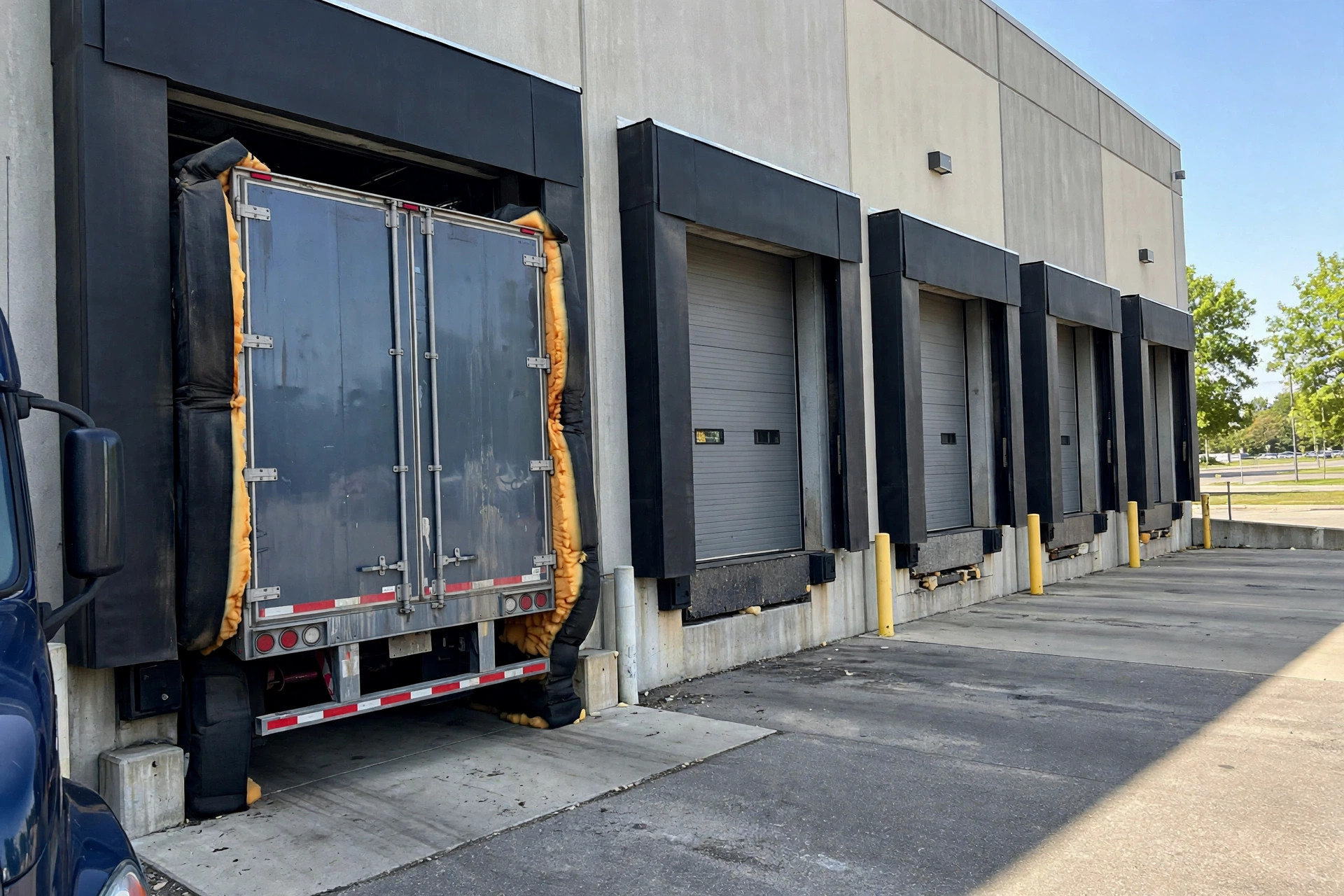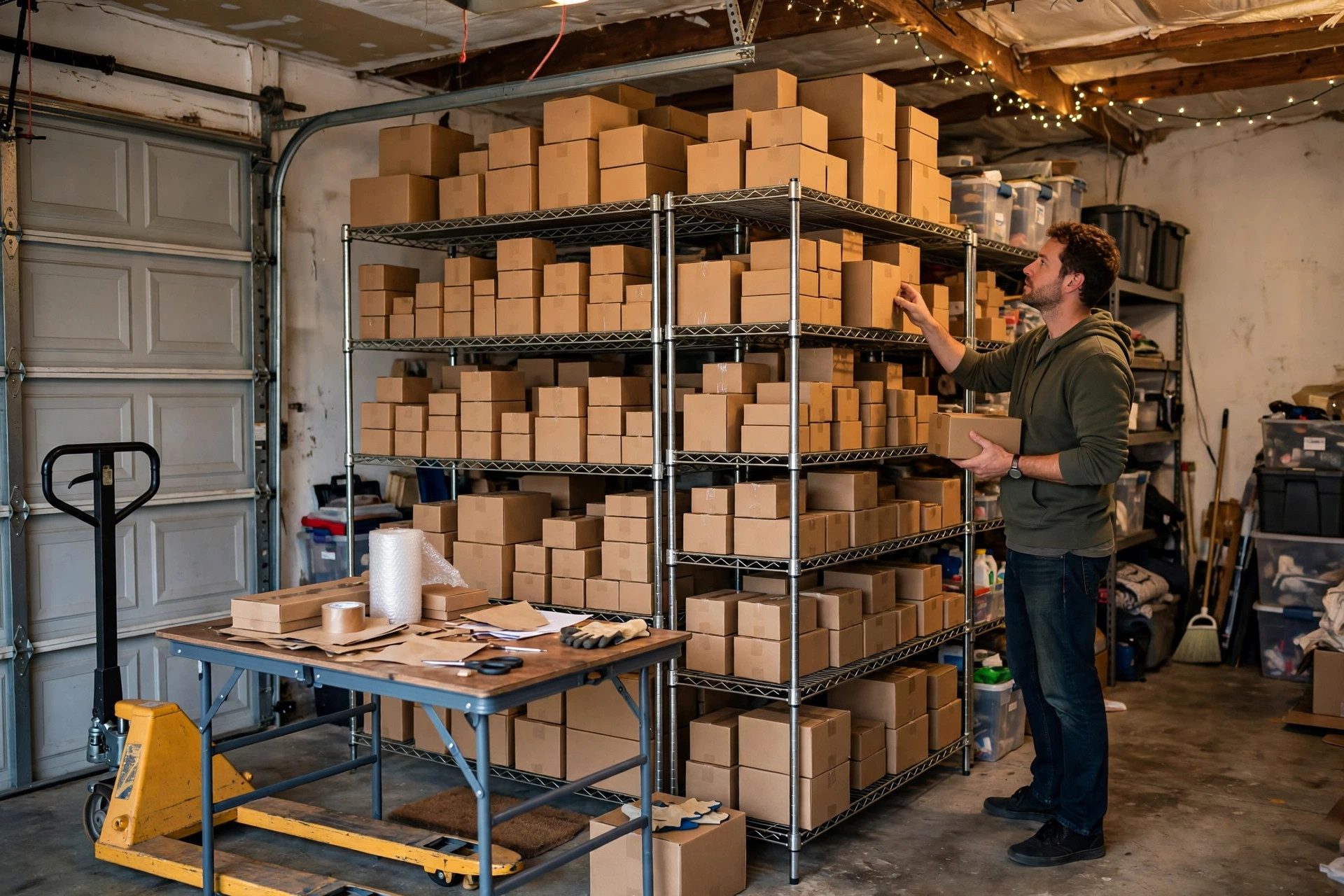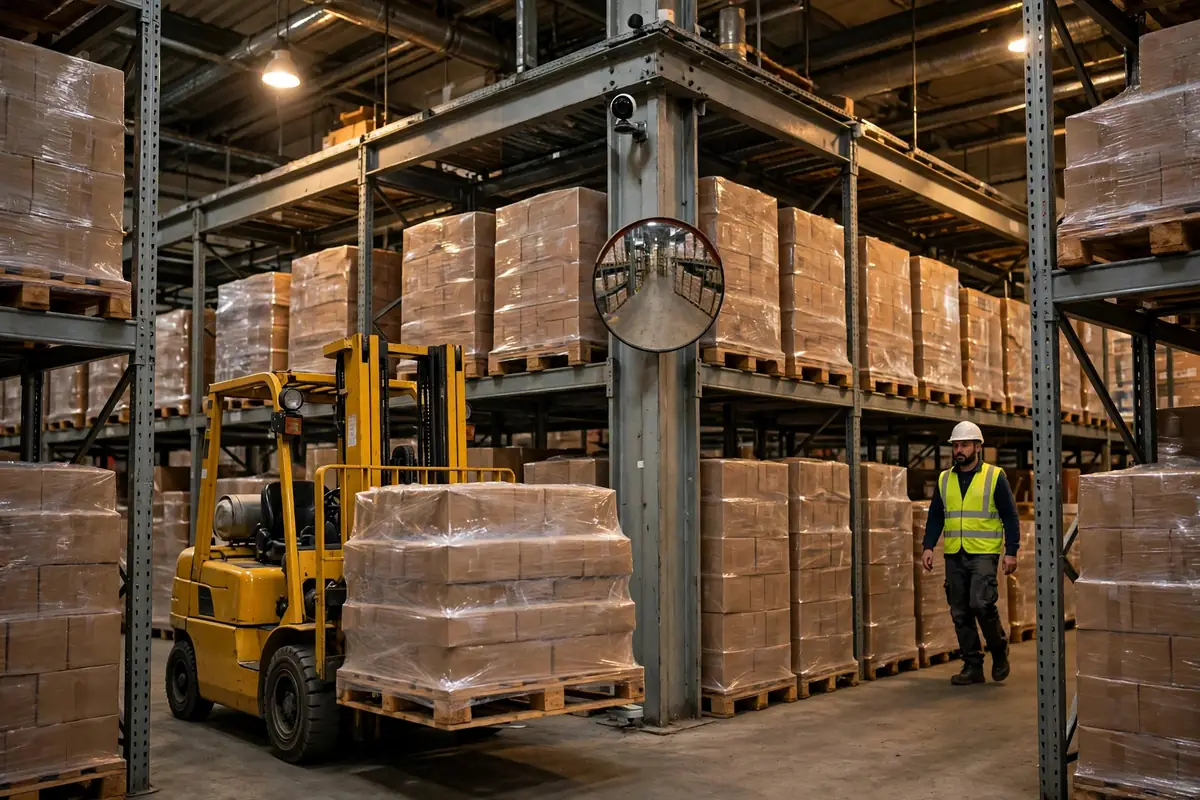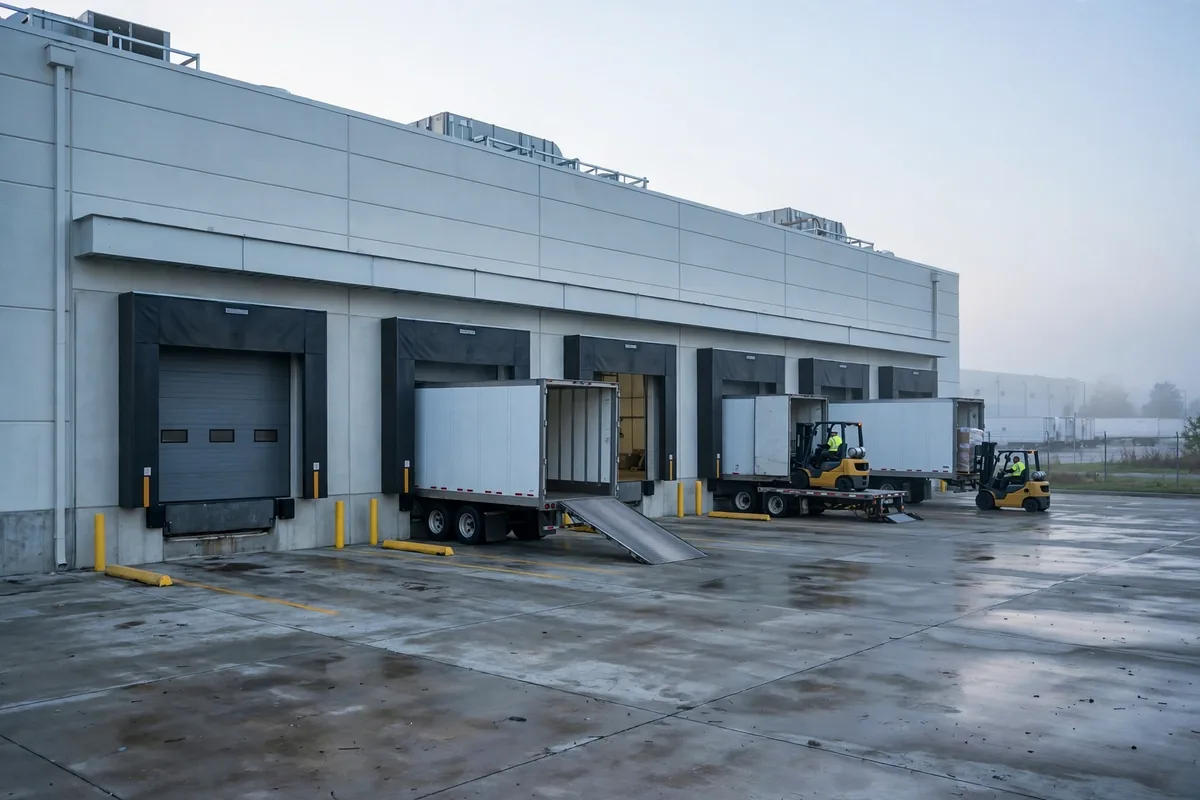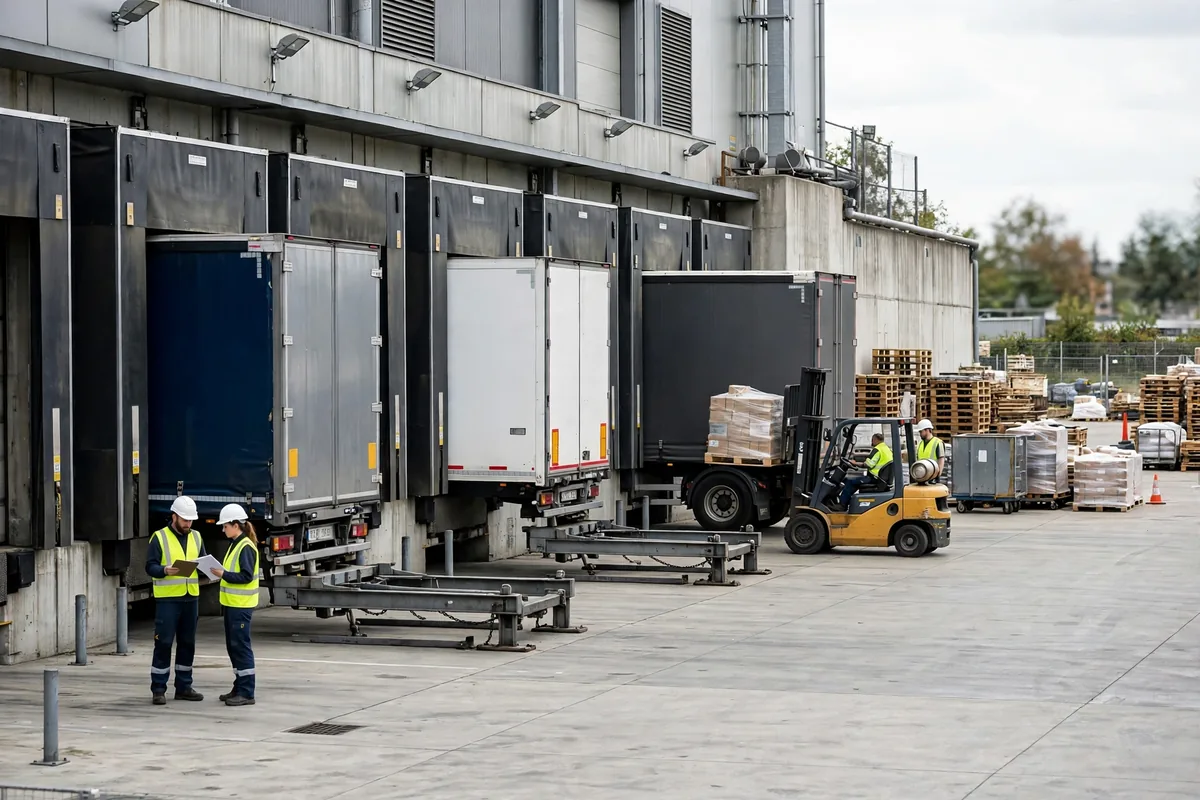
We have two receiving dock doors. Just two. One Tuesday morning last October, I pulled up to our little warehouse and found three trucks already lined up at the gate. A driver leaned out and asked how long the wait would be. I said, not long. Honestly, I had no idea — the truck ahead of him was only halfway unloaded.
Nine trucks showed up that day. Two doors. We unloaded from 8 in the morning until 3 in the afternoon. Drivers were furious, clients kept calling, and our unload crew skipped lunch. That night I sat in the office and did the math: it was not laziness. We genuinely did not have enough doors.
Here is the funny part. The warehouse next door has six doors, and they complain about queues every single day. I walked over one afternoon and saw why in about five minutes: they had the doors, but only two unloading crews. Doors sat empty while people could not keep up. More doors does not mean faster unloading.
So how many receiving dock doors does a warehouse really need? It is not a gut-feel decision, and more is not always better. It is an arithmetic problem.
Do the math first: are your doors actually enough?
The calculation only needs three numbers: how many trucks arrive in your busiest hour, how long one truck occupies a door from docking to departure, and how long you are willing to let a driver wait.
Take our warehouse. On a normal day, 12 trucks arrive, mostly between 8 and 11 in the morning. Our busiest hour brings 5 trucks. One truck occupies a door for about 40 minutes, roughly two-thirds of an hour. Five times two-thirds is about 3.3, round up to 4 doors — that is the number for a queue-free peak.
We have 2. By that math we were short by half at peak. That Tuesday queue was not bad luck. It was inevitable.
Now look at my friend's warehouse near Los Angeles: 6 doors, 20 trucks a day, doors to spare — and still queues in peak season. The problem was door occupancy time. With no appointment system, a driver would arrive, discover the paperwork did not match the load, and sit at the door waiting for corrected documents for over an hour. The door was occupied, but nothing was being unloaded.
| Warehouse | Peak-hour arrivals | Minutes per truck | Doors the math says you need |
|---|---|---|---|
| Our small warehouse (normal day) | 5 | 40 | 4 |
| Our small warehouse (peak season) | 7 | 40 | 5 |
| Friend's warehouse | 6 | 60 | 6 |
| Friend's warehouse (paperwork fixed) | 6 | 35 | 4 |
Same warehouse, same trucks — fixing the paperwork alone cut the dock door requirement by two doors. That is why I say: before you add a door, check whether your time is being wasted.
After you run the numbers, look at these three things
The number is only step one. I have learned that two warehouses with the same four doors can run completely differently. The difference sits in three places.
First, appointments. Unscheduled arrivals come like a tide, all at once. We now require suppliers to book a time slot a day ahead, which spreads arrivals across the whole day. Peak-hour trucks dropped from 5 to 3, and our door requirement dropped from 4 to 2. It cost nothing. The queue disappeared.
Second, unloading labor. Doors are fixed; people are not. We run 2 doors with 2 unloading crews, so the moment a door frees up, a crew steps in. The warehouse next door runs 6 doors with 2 crews — doors always sit empty and people are always behind. When you calculate dock doors, count the crews too. Doors and crews have to come in pairs.
Third, how long one truck really takes. It depends on the freight: full pallets come off in a few forklift trips, while mixed loose cartons need piece-by-piece checking and take twice as long. When we take on a new client, our first question is whether their freight arrives on full pallets or as loose cartons. Loose cartons go into the quote as longer door time.
Before you spend money on another door
What does adding a dock door cost? Civil work, the dock leveler, the seal, the door itself — it is not small money, and for a small warehouse like ours it hurts. So my order is: spread the peak with appointments first, tighten the unloading process second, and only then think about construction.
Here is what we do now: suppliers book a slot a day ahead, and anyone more than 30 minutes late gets bumped; paperwork arrives before the truck, and a truck with mismatched documents waits aside instead of occupying a door; unloading crews are scheduled against the appointment list so everyone is on the floor at peak. With those three moves, 2 doors now handle 12 to 15 trucks a day.
One more trick: stagger arrivals and two doors can hold the line
Beyond appointments, there is a cruder trick that works even better: staggering. Our suppliers all used to love showing up at 8 in the morning. With two doors, how could that not jam? So I went to a few big suppliers with a deal: come at 1 in the afternoon and you get priority unloading, no queue. Come at 8 and you wait your turn.
At first they pushed back — it felt like we were throwing our weight around. Then they tried it and found the afternoon slot genuinely meant no waiting: 40 minutes to unload and go, versus two hours in the morning queue. Gradually they all switched. Our arrival peak spread from a 3-hour morning window to an 8-hour day, and peak-hour trucks dropped from 5 to 3.
There is one more scrappy move: night receiving. Last peak season we tried it for a week, opening a 7 to 9 p.m. receiving window for trucks that missed the daytime slots. The cost was overtime for two unloaders. The result was zero daytime queues and zero driver complaints. That overtime bill was far cheaper than the construction cost of one more door.
Of course, sometimes you really do need another door. My rule is simple: if the math says you are short by more than one door over the long term, and appointments and process are already as tight as they can get, then build. But if the math says you have enough doors and trucks still queue every day, the problem is not the doors. Do not spend money on the wrong fix.
Small warehouses have their own way of surviving. Doors do not need to be many — they need to be just enough. Money does not need to be spent lavishly — it needs to land where it counts. Run your three numbers first, then decide.
By Xiao Ma, Small Warehouse Owner