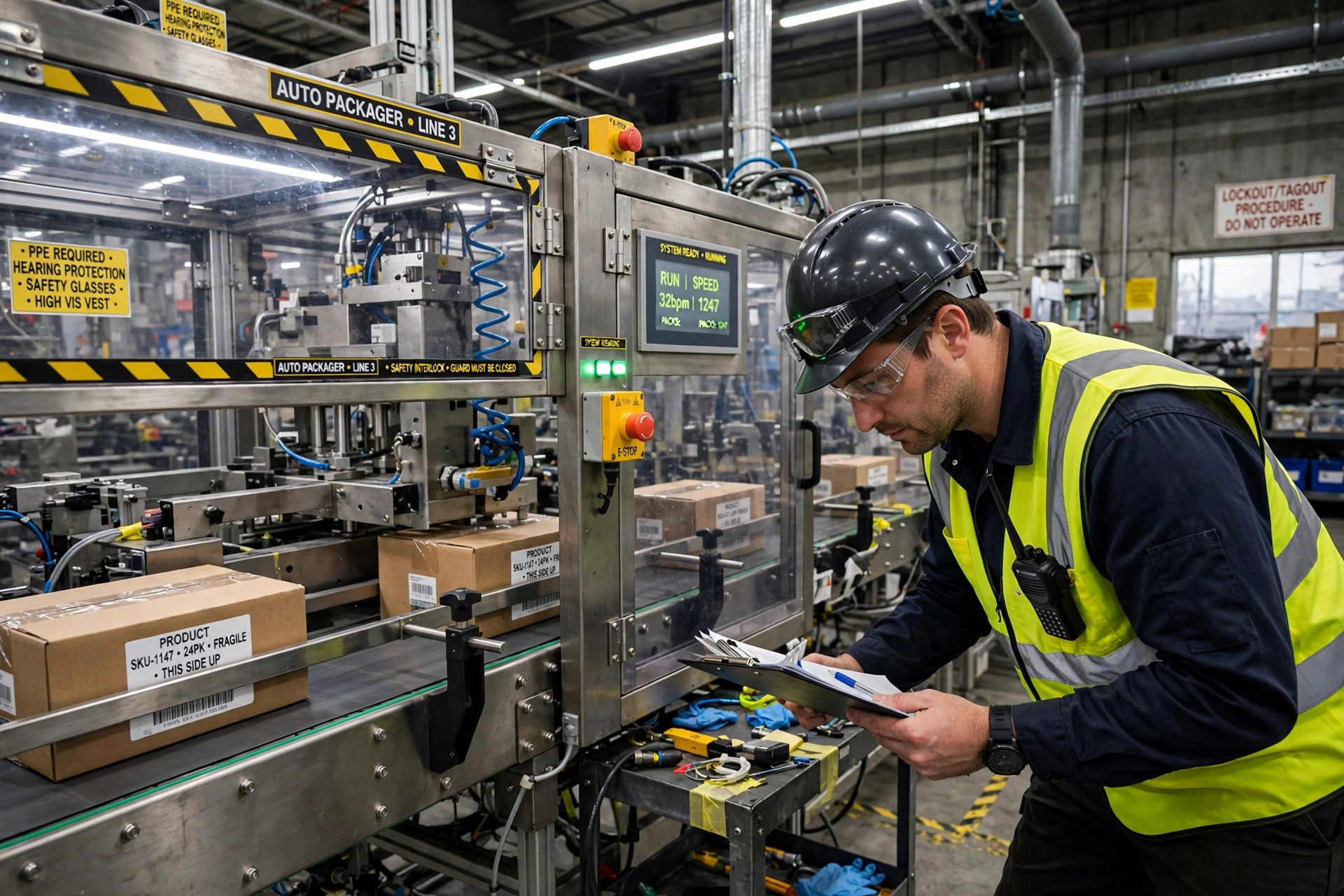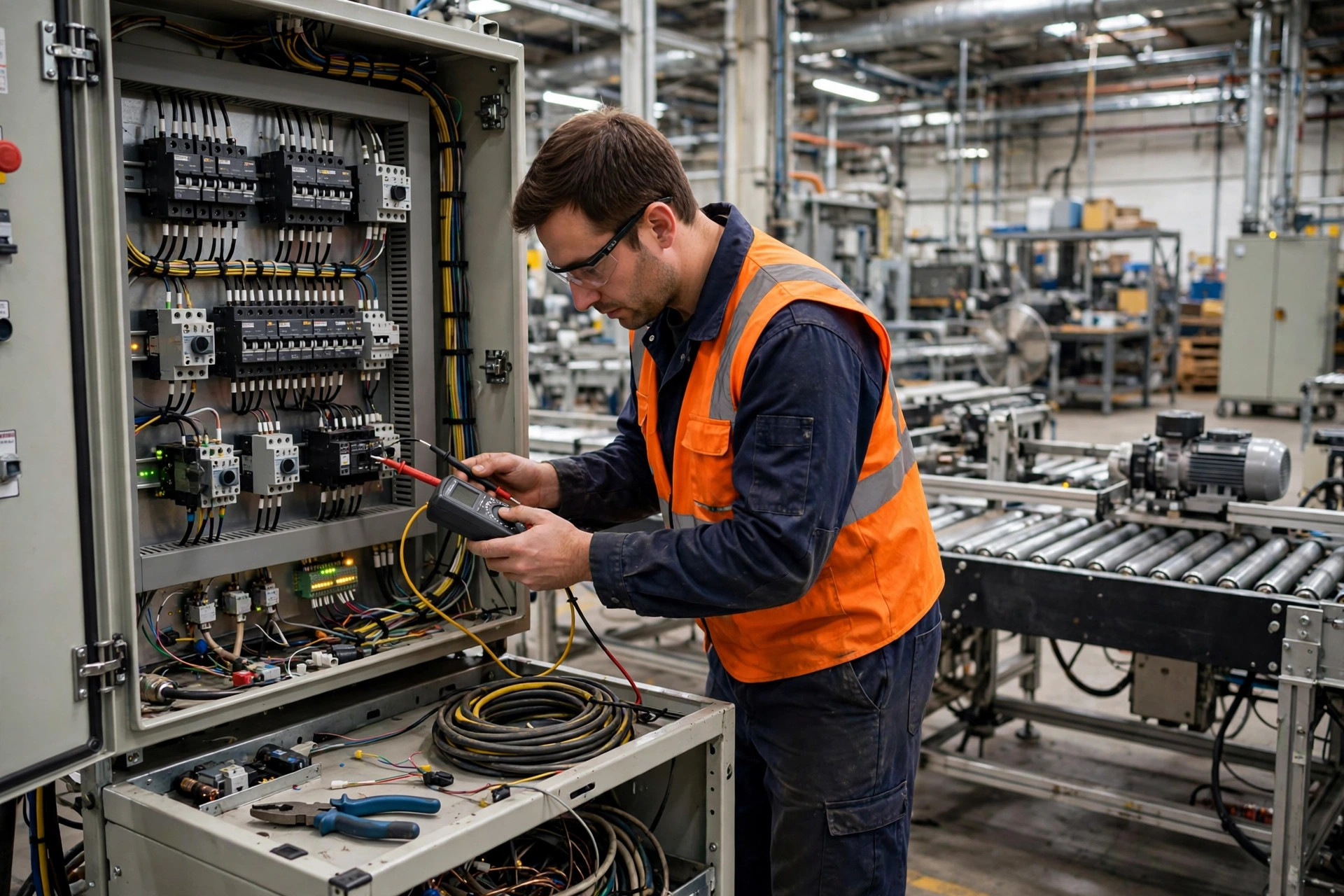
We had a client — a sortation equipment builder out of Suzhou — with no UL or CE certification in hand, who landed two RFQs in the same month last fall: one from a 3PL in the American Midwest retrofitting a sortation hub, one from an e-commerce warehouse project near Hamburg, Germany. The owner was thrilled. "Susan," he told me, "two markets at once. We're doubling revenue next year."
I asked him one question: what's your plan for UL and CE?
He blinked. "CE we've done before. UL... probably just another test, right?"
I told him to sit down. Six months later he came back and said, "If you hadn't made me run the numbers, I'd have burned an extra 400,000 yuan for nothing." Here's what happened.
UL and CE Are Not the Same Animal
Most people's first instinct: UL is the American stamp, CE is the European stamp — two stickers, same idea. Anyone on the vendor side who hears that will smile. Anyone on the client side who believes it will cry.
UL certification is third-party endorsement. In the US, electrical equipment in workplaces generally has to go through an OSHA-recognized NRTL (Nationally Recognized Testing Laboratory) — UL being the most famous one. The drill: submit samples, run the tests, pass a factory inspection, and only then do you get to carry the UL mark — plus annual follow-up inspections, with annual fees, forever.
CE? It's not a certification at all. It's a self-declaration. The manufacturer assesses the product against the relevant EU directives (for automation gear, mainly the Machinery Directive, the Low Voltage Directive, and the EMC Directive), signs a Declaration of Conformity, puts on the CE mark, and ships. Sounds easy, right?
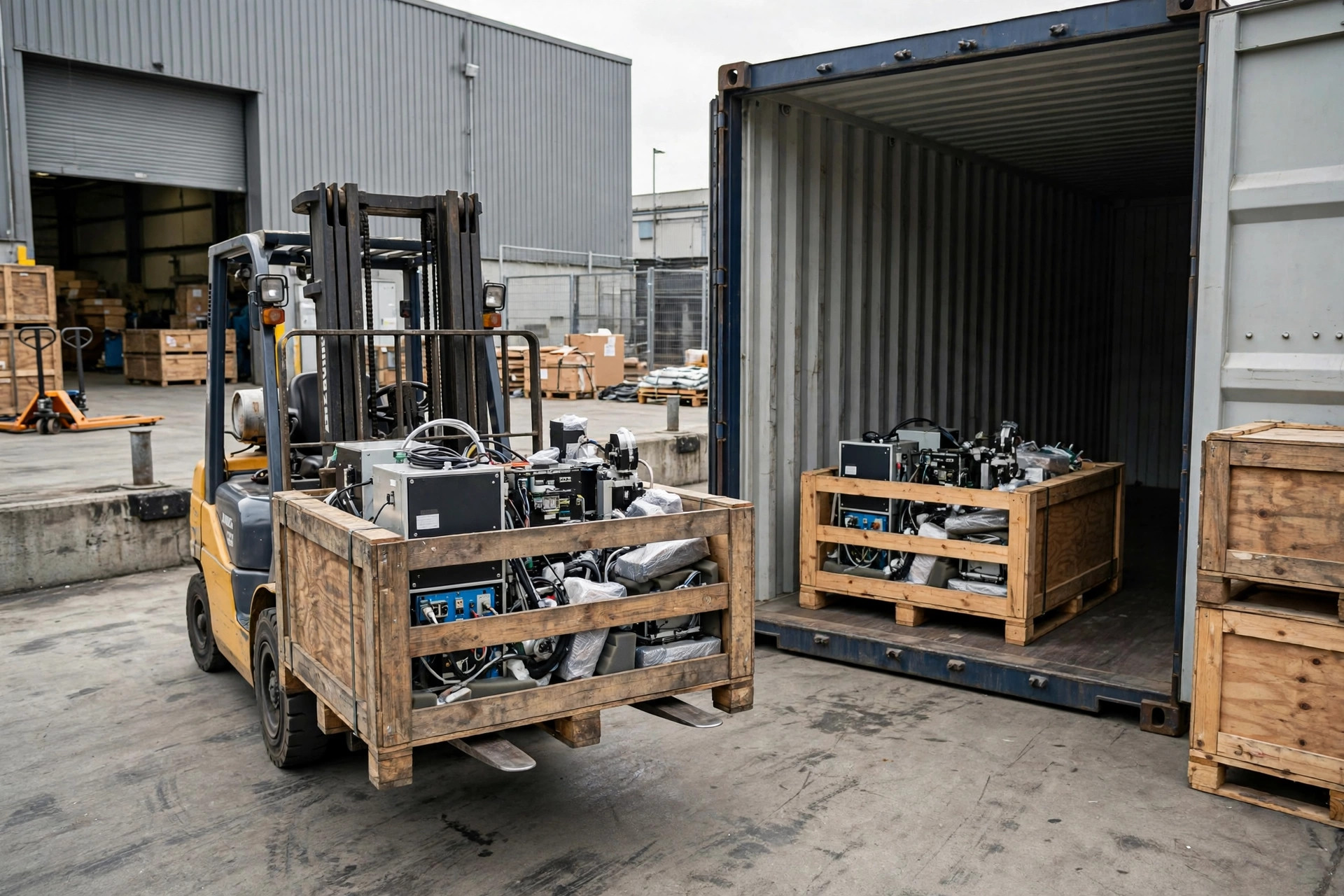
Here's the counterintuitive part: self-declaration doesn't mean you can just stick the label on. Under the Machinery Directive, not a single required test can be skipped — risk assessment, electrical safety, EMC, noise, emergency-stop functions — and the full Technical File has to be ready to produce on demand. If EU market surveillance picks your product and you can't produce the file, or the tests were never actually done, your container sits in Rotterdam while demurrage burns money by the day. We had a client who learned this the expensive way, assuming "CE is just a sticker." Their shipment got held in Hamburg; rework plus port storage cost them several hundred thousand yuan.
So here's the insider truth that vendors know: UL is "pay a lab to vouch for you." CE is "you vouch for yourself — but you'd better have actually done the testing." Two logics, two ways of spending money. Don't confuse them.
UL First or CE First? The Price List Won't Tell You
Back to our Suzhou client. His original plan: do CE first (cheaper, faster), then UL (expensive, slow). Sounds perfectly logical. That's exactly where the trap was.
He spent a modest sum finishing CE testing and signed his declaration. Six months later the US project landed, and he took that test package to a UL lab hoping to reuse it. Their reply was polite: UL 508A (industrial control panels) and the European EN standards use different test methods and pass criteria — creepage distances, temperature rise, short-circuit tests all have to be redone under UL rules. The core testing got done twice: new samples, new queue, new timeline. It cost him several more months and several hundred thousand yuan he hadn't budgeted.
Here's the counterintuitive judgment: which one goes first doesn't depend on which is cheaper. It depends on where your first purchase order ships.
If your first order is American — bite the UL bullet first. UL testing is the toughest and the slowest (industrial equipment typically runs three to six months). Get the hard part done, and much of the test data and technical documentation carries over to make the CE self-declaration easier.
If your first order is European — do CE first, get market access fast, and hold off on UL until the US order is real. Don't burn the money early.
If both orders land at once — don't do them separately. One submission, both standards in parallel (I'll show you how to negotiate this below). That's the cheapest play. Another client of ours did exactly this in early 2025: one stacker crane shipping to both the US and Poland. They picked a lab accredited for both UL and CE, submitted once, ran both standards together — testing fees came in roughly a third lower than doing them separately, and the timeline shrank by over a month.
Here's the decision table I hand to clients:
| Your situation | Recommended sequence | Why |
|---|---|---|
| First PO ships to the US | UL first, then CE | UL is hardest and slowest; get it done, reuse data for CE |
| First PO ships to Europe | CE first, then UL | CE is fast, unlock the market; UL waits until the US order is firm |
| Both ship at once | One submission, dual report | Doing them separately means paying for core tests twice — the most expensive option |
| No orders yet, just planning | Start with a gap analysis | Pay a small fee for a lab to assess the delta; cheaper than blind submission |
One caveat on numbers: I won't quote you fixed prices, because they swing wildly by equipment type, power rating, and complexity. As an order of magnitude, a single certification for industrial automation gear — testing plus factory inspection — typically lands in the tens of thousands to low six figures in US dollars, and bundling both certifications can push that down. Get a current quote from the lab; anyone who gives you a hard number without seeing your drawings should be asked to put it in the contract.
Negotiating Dual UL/CE Certification: Three Leverage Points
Test labs are vendors too, and their quotes have margin built in. Three moves that have actually worked for our clients:
First, bundle the testing. UL and CE share a big overlap (electrical safety, EMC, temperature rise). Insist on "one submission, parallel testing to both standards" and demand that overlapping items are billed once. The first quote almost always prices them as two separate projects — they won't volunteer the discount. This one typically saves twenty to thirty percent.
Second, reuse component certifications. If your panel uses components that already carry a UL listing (breakers, contactors, power supplies), the lab can reference the component files instead of retesting everything at the system level. Gather your components' UL file numbers before you negotiate — that's your leverage. Plenty of manufacturers don't know this and let the lab test the whole machine from scratch.
Third, combine the factory audits. UL's follow-up service and your CE-related system audits both require site visits. Push the same lab to combine the trips — one visit covers both, and travel plus audit fees come down. And don't sign year by year: a multi-year agreement usually earns a discount on the annual fees.
One more contract trap: the quote must spell out retest fees. Some labs quote a temptingly low first test, then charge per retest — three rounds later you've paid more than the all-inclusive competitor. Client-side folks tend to look only at the headline number; that's exactly where vendors make their money. Now you know where to look.
Three Questions for Your Next Contract Talk
Story told, mechanics explained — here are three lines you can use verbatim in your next negotiation:
Ask the lab: "Can overlapping test items be billed once, and how would you price a single submission tested to both standards in parallel?" — that one question strips out half the padding.
Ask your own team: "Are all our component UL file numbers collected? Is the Technical File prepared to Machinery Directive requirements?" — don't let the lab discover your gaps and start billing remediation consulting by the day.
Ask your US client: "Will the local AHJ (authority having jurisdiction) accept this UL category at the job site?" — the US is a federal system; states and cities enforce differently, and a UL certificate in hand doesn't always mean smooth site acceptance. Ask early, and write it into the contract.
Dual UL/CE certification is, at the end of the day, a commercial problem, not a technical one. Let the engineers handle the technical part; the sequencing, the bundling, and the negotiation are yours. Get the sequence wrong and you're out hundreds of thousands. Negotiate it right and you save a third. That's how money gets saved.
By Susan, 3PL Sales Director