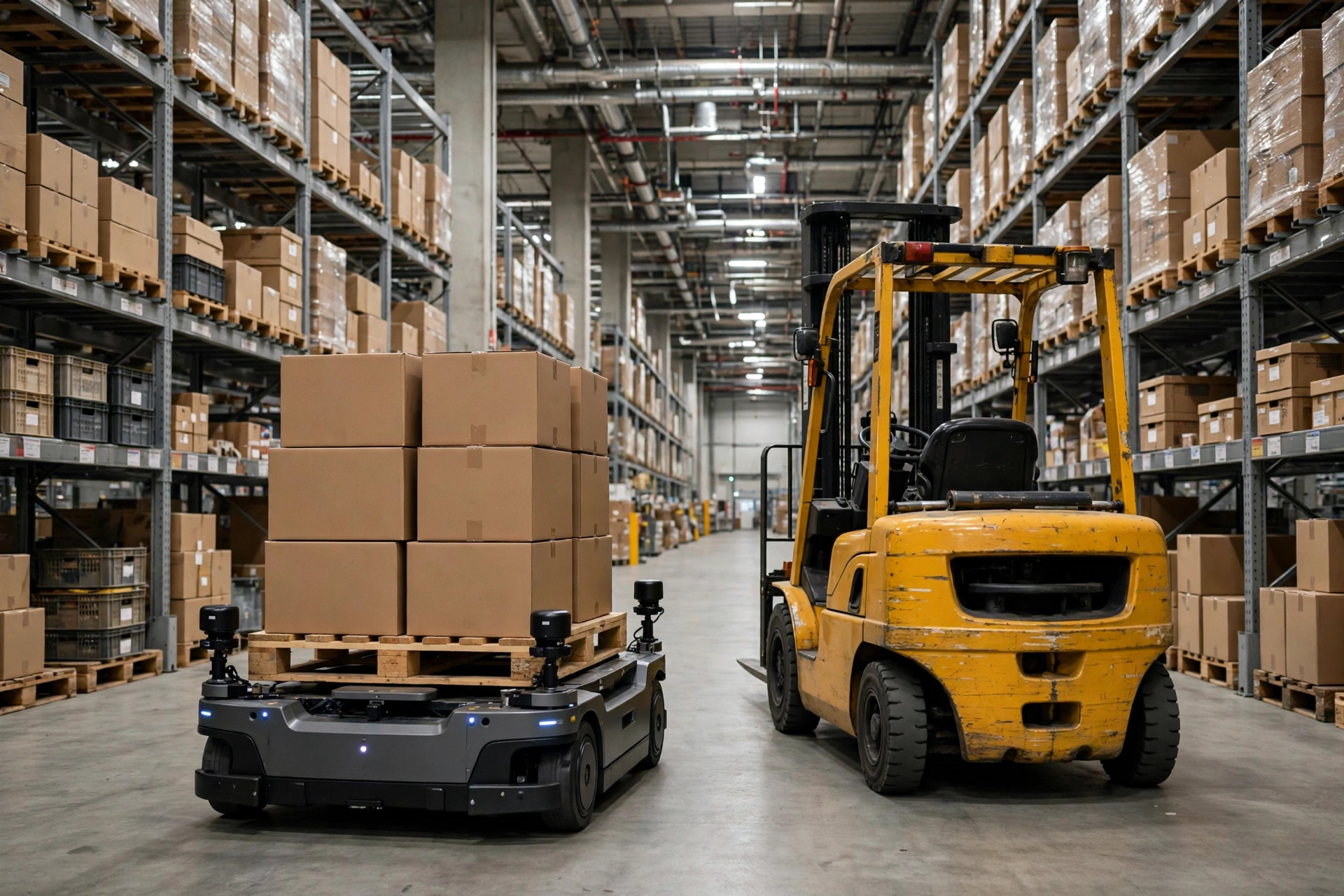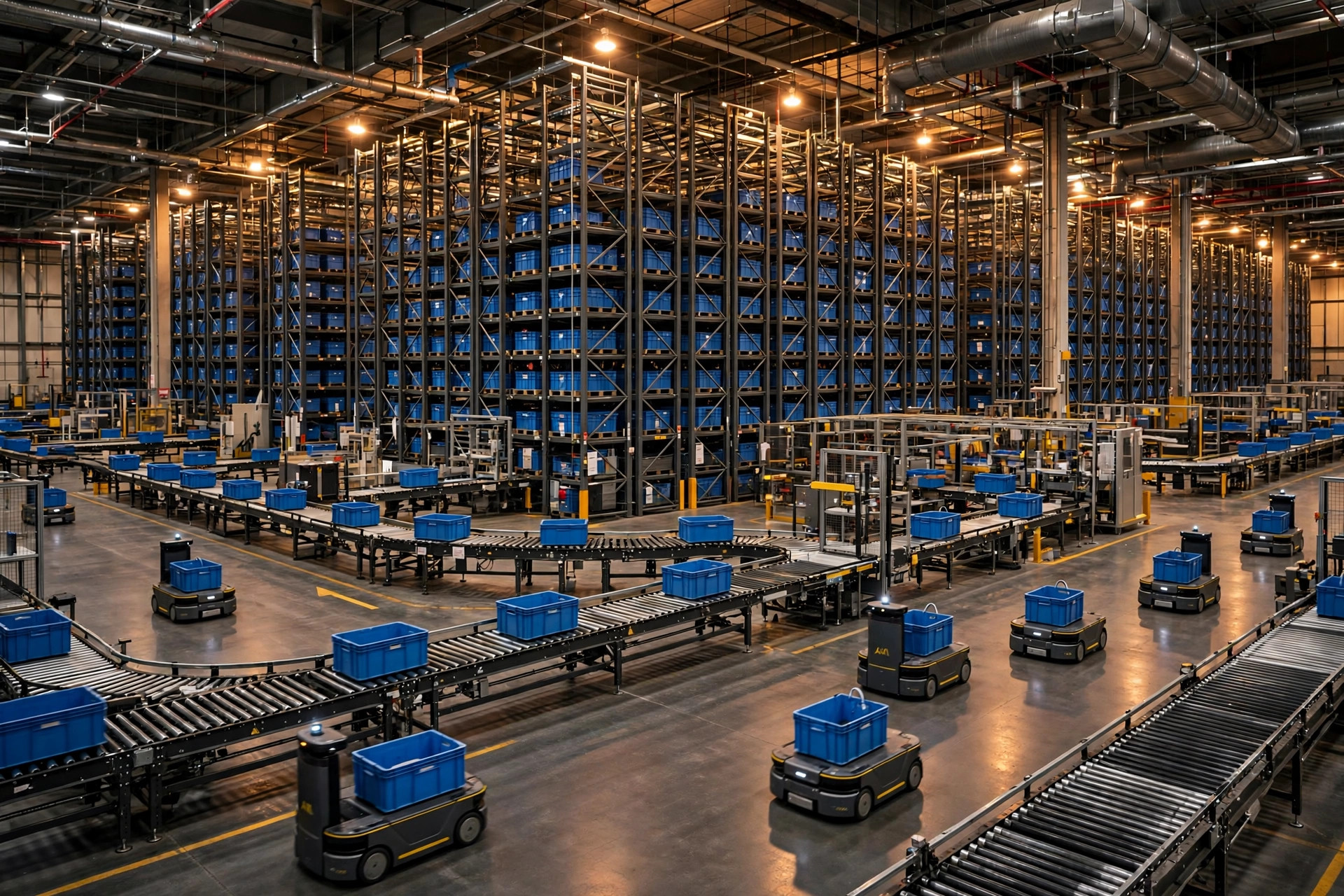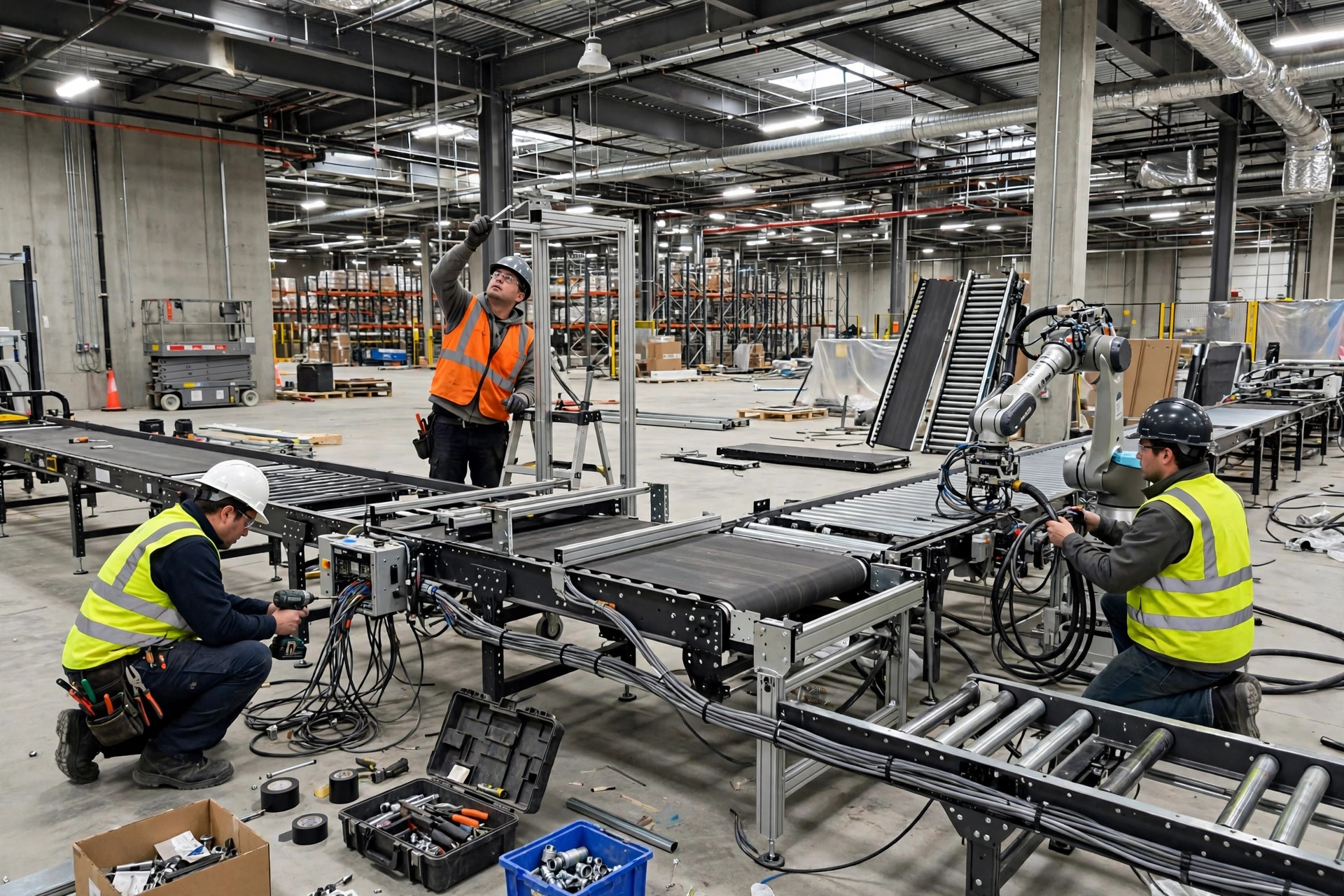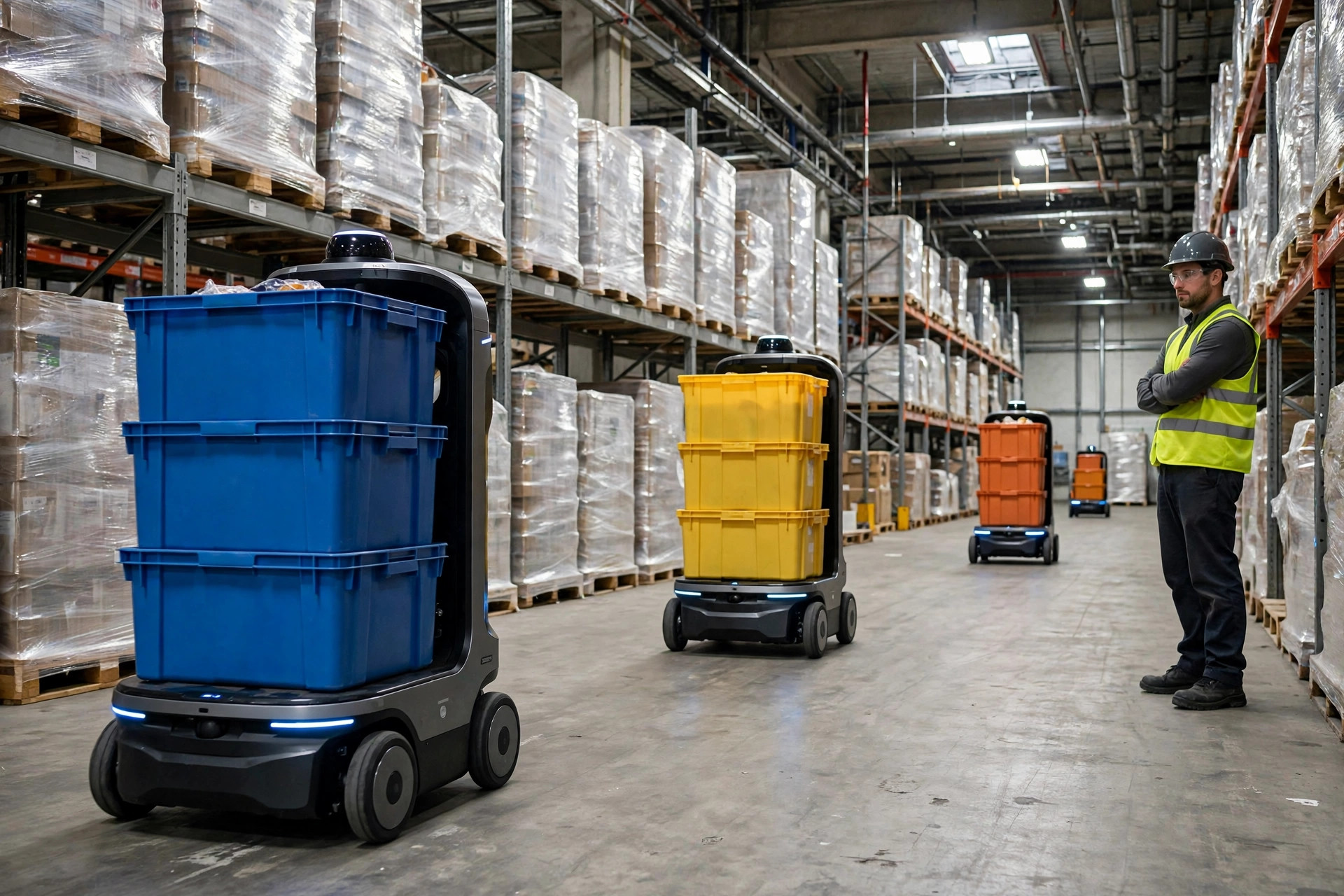
At a logistics expo in Chicago last fall, a sales rep stopped me in front of a goods-to-person robot, grinning. "No need to buy anymore. Zero down, monthly payments. Just like subscribing to software."
My first reaction wasn't excitement. It was suspicion.
Twenty years in warehousing has given me a reflex: whenever someone tells me something is "just like software," it usually isn't. Subscribe to the wrong software and you cancel next month. Put the wrong robot in your building and you've changed racking, workflows, training schedules. This thing lives in the physical world — you can't uninstall it. So "pay monthly" sounds light, but it lands heavy. Let me unpack the real math.
"Zero Down" Is Marketing, Not Math
Start with what's actually inside that monthly number. The contract usually shows one clean line — per robot, per month — but it bundles several things: depreciation on the hardware, the fleet software license, remote monitoring, preventive maintenance, replacement parts, major software upgrades. Some vendors even include an annual hardware refresh: when the robots get old, they swap in new ones and the residual value is their problem.
Sounds lovely. Lovely — but the wool comes off the sheep's back. No vendor is a charity. They take five to seven years of depreciation, service, software, and margin, and spread it across your monthly bill. The going range in the market is a few hundred to low-thousands of dollars per robot per month — check each vendor's latest quote for the real number. Multiply that out and the picture changes: a few dozen robots, three years, and you're looking at a serious pile of money.
In October 2024 I toured an 80,000-square-foot e-commerce returns facility in Riverside. The site manager walked me through his math: for four peak months a year he needs double the capacity; the rest of the year, half a purchased fleet would sit in the corner gathering dust. With RaaS, he adds robots for peak and sheds them after. His line stuck with me: "I'm not buying robots. I'm buying certainty for those four months."
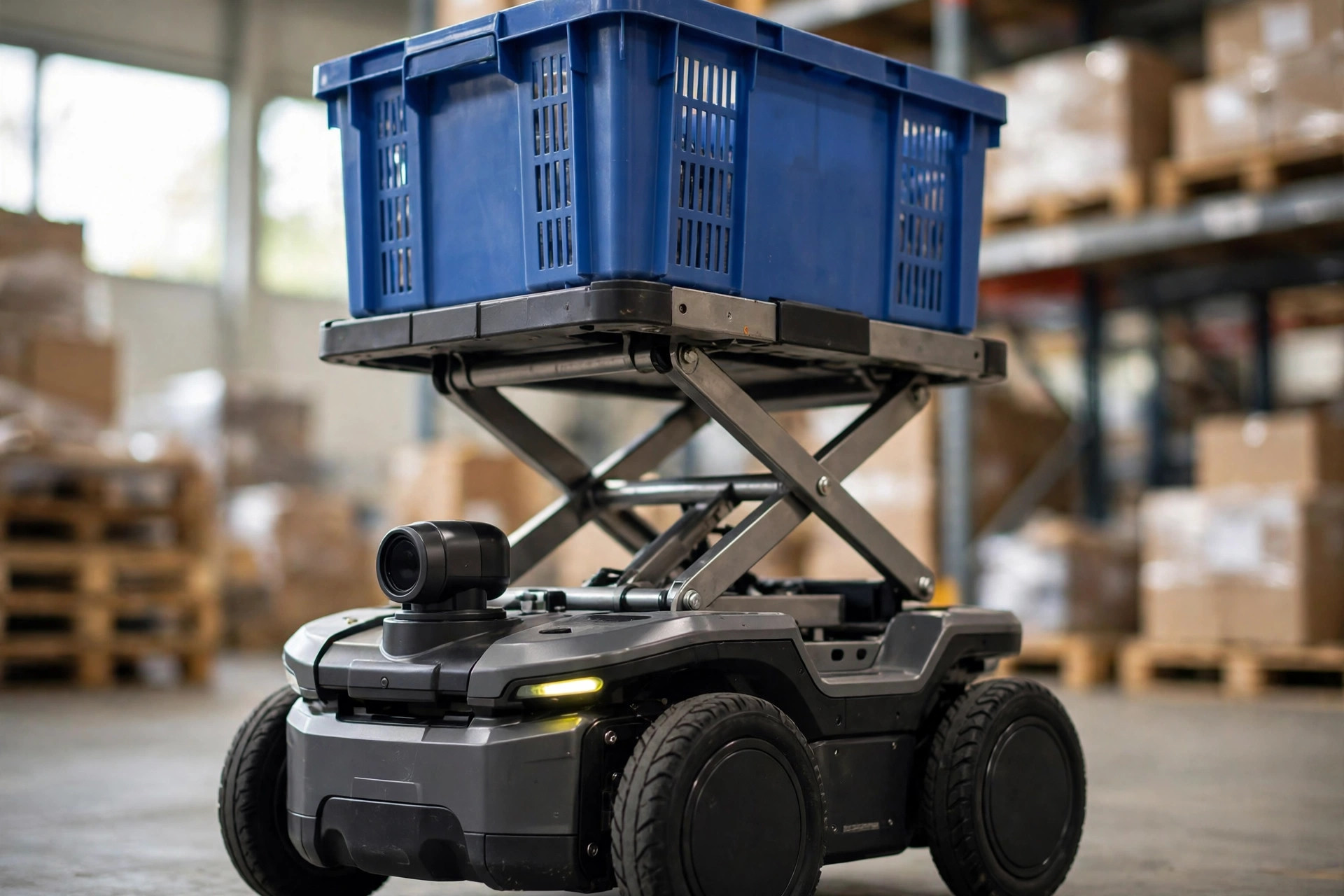
He's half right. The other half: if that fleet is going to run four or five years straight, the accumulated rent will very likely exceed the purchase price. RaaS was never about being cheaper. It's about converting a big capital outlay into predictable, scalable operating spend. Cheaper? Not necessarily. Simpler? Maybe. Mistaking "simpler" for "cheaper" is trap number one.
The Real Money Hides in the Fine Print
Trap two lives in the contract. RaaS sounds like something you can walk away from anytime, but most contracts I've seen lock you in for three to five years, with early termination fees that make you pay out the remaining term. Some carry auto-renewal clauses — miss the written notice window before expiry and you're signed for another year. Then there are implementation fees: site surveys, network upgrades, WMS integration, operator training. Some vendors fold these into the monthly bill; others charge them separately. The separate kind is never refunded when you leave.
There's one more thing almost nobody thinks about at signing: what happens on the way out. The robots roll away, but the floor markings, QR codes, charging docks, and network drops have to come out and the floor restored. Decommissioning costs are often a single vague line in the contract — small money, but a reliable source of arguments. The smoothest exits I've seen had an exit checklist and a cost cap written into an appendix on day one, so nobody fights over a few thousand dollars three years later.
In 2022 I met a 3PL in Ontario that had signed a pilot with a leading AMR vendor — twelve robots, three-year term. Fourteen months in, the business shifted and that site had to close. The termination fee worked out to roughly eight more months of rent, paid for robots that were already gone. The manager laughed bitterly: "The rep said it was flexible. I thought the flexibility was mine."
Trap three is the one almost nobody asks about: who owns the data. Robots running your floor every day generate heat maps, pick rates, exception hotspots — a goldmine of operational know-how. Plenty of RaaS contracts assign that data to the vendor, or grant them the right to use it "anonymized, for product improvement." The day you terminate, the robots roll out and your data rolls out with them. Switch vendors and you start from zero. Before signing, interrogate this clause: data ownership in writing, with export and migration rights on exit.
Rent or Buy? Three Questions Settle It
When does renting win? Three questions. A yes to any one of them means RaaS deserves a serious look.
Does your capacity swing hard? E-commerce peaks, a three-to-four-month season needing double the hands, dead quiet the rest of the year — renting gives you elasticity that ownership never will. Do you want to pilot before you commit? Automation on paper and automation on your floor are two different animals; six to twelve months of rented robots running real orders is the steadiest selection path I've seen. Are you cash-tight but bleeding on labor? Hiring in US warehouses is brutal right now, and some operations find the monthly rent simply replaces very real overtime and recruiting spend. Run that math with labor included.
Buying wins when the picture flips: stable volume, a fleet you expect to run four-plus years, predictable orders and SKU mix, and a desire to keep both the data and the assets in-house.
Here's the crudest decision formula that actually works: monthly rent × 36 (or 60) + implementation + network upgrades, versus purchase price + three years of service + software licenses. Pick the lower number. Don't trust your gut; trust arithmetic. And when you run it, put labor savings on the renting side of the ledger — a US warehouse picker costs real money every year, and peak-season overtime costs more. Plenty of operations run this math and find that renting isn't the rip-off. Renting without thinking is. And if three years of rent already approaches the purchase price while you know the fleet will run five — that's not flexibility. That's an installment plan on an overpriced asset.
So is RaaS a scam? No. It's a tool, and tools have no original sin. But "zero down" is a slogan, not a financial conclusion. Next time a rep tells you it's "just like software," try this reply: I can cancel software next month. Can you drive these robots out next month?